



Is your home overflowing with clutter, or are you planning a renovation that will produce more debris than your regular bins can handle? A dumpster rental can make the cleanup manageable.
Instead of making repeated trips to a disposal site, you can keep approved waste in one container while you work. The rental company delivers it, collects it, and transports the load appropriately.
Choosing the right container also helps you control costs, keep walkways clear, and reduce the temptation to leave unwanted materials in unsafe piles. The best option depends on your project and waste type.
This guide explains common uses, container sizes, accepted materials, rental costs, delivery preparation, and responsible disposal. With a clear plan, you can organize cleanup more efficiently and avoid preventable charges.
Dumpster Rental Basics and Common Uses
Dumpster rental is a short-term service in which a provider drops a large container at your property or job site. You load approved debris, then arrange collection when the job ends.
It can simplify projects that create more rubbish than ordinary collection handles. For broader waste management planning, consider the material, amount, handling requirements, and likely destination before booking any service.
Residential customers can also compare local dumpster options and check how their area handles bulky refuse. Understanding where waste streams begin makes it easier to select a suitable service before making a booking.
1. Home Cleanouts: A rental container gives you one central place for unwanted furniture, broken household items, and general clutter, making garage, attic, basement, and moving cleanouts easier to manage.
2. Renovation Projects: Remodeling often creates wood offcuts, drywall, flooring, and old fixtures. A dedicated container helps crews keep debris together and maintain a tidier work area throughout the project.
3. Business and Site Cleanup: Retailers, offices, contractors, and property managers may need a container for accumulated packaging or project debris, especially when routine collection cannot handle the volume during busy operating periods.
Read Also: Dumpster Waste Management Complete Guide
How to Choose a Dumpster Rental Size
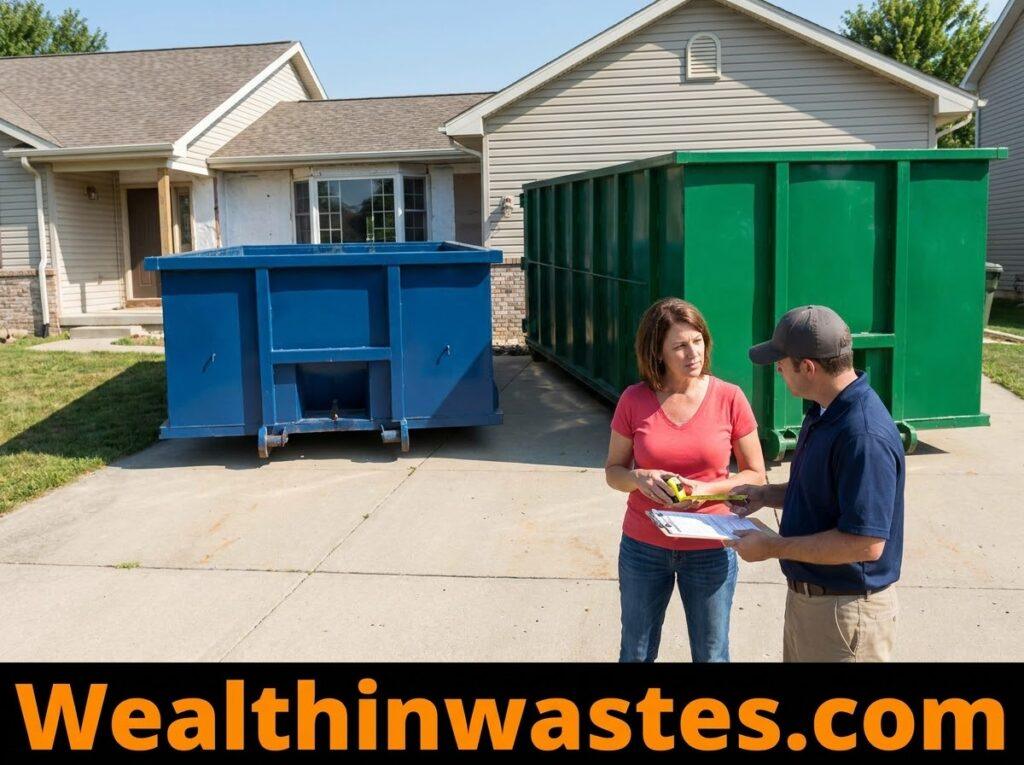
Dumpster capacity usually appears in cubic yards, describing how much volume the container holds. Estimate the debris before ordering, because an undersized container can require another delivery and increase total cost.
For projects involving builders or heavy debris, review this construction and demolition waste guide for your specific debris. A beginner’s rental overview can also help you compare common container options.
Waste categories also influence your choice, so review how waste materials are classified before requesting a quote. Always describe heavy or unusual debris honestly, rather than estimating by volume alone.
Common Dumpster Sizes and Uses
1. 10-Yard Dumpster: This compact choice often suits a small bathroom update, a modest garage cleanout, or a limited quantity of bulky household items, provided the load remains within its weight allowance.
2. 20-Yard Dumpster: A medium container can suit larger cleanouts, flooring replacement, or several rooms of renovation debris. Confirm dimensions with the provider because container footprints vary between rental companies.
3. 30-Yard Dumpster: This size often works for substantial remodeling, estate clearances, and construction jobs that generate considerable bulky material. Check driveway space and loading access before scheduling the delivery with your provider.
4. 40-Yard Dumpster: Large commercial projects and extensive demolition may require this capacity, although weight limits still matter. Concrete, soil, and other dense materials can reach maximum weight before filling the container.
Accepted Waste and Restricted Materials
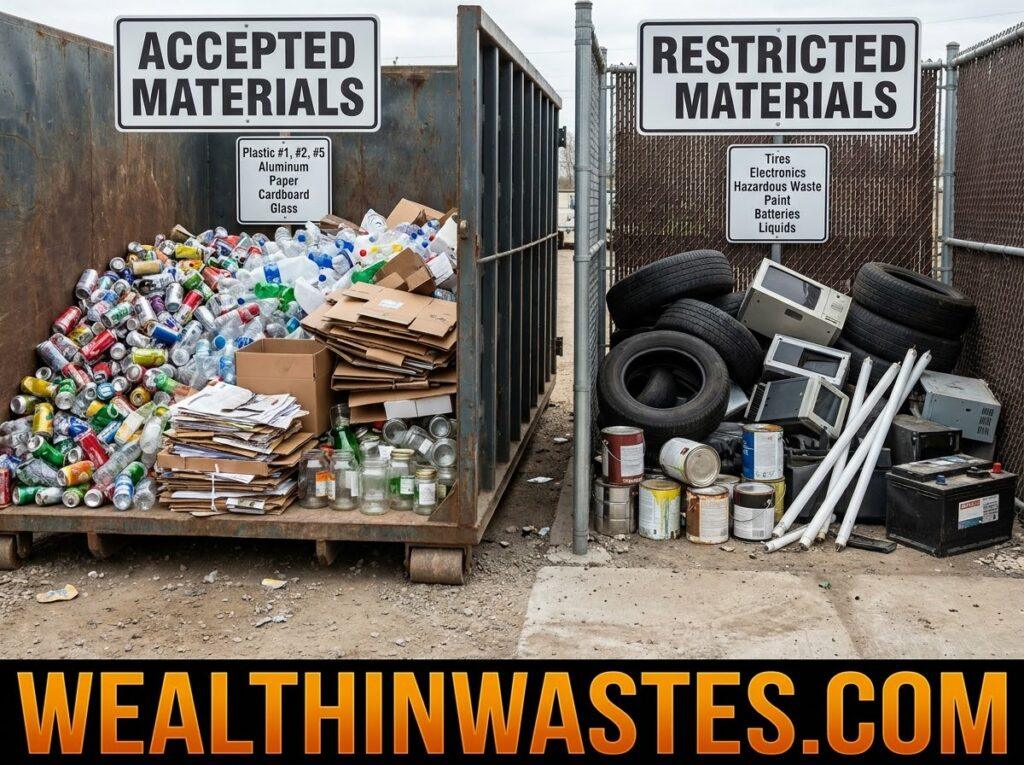
Many rental providers accept ordinary household junk, clean wood, drywall, roofing debris, packaging, and yard trimmings. Acceptance rules differ, however, so ask what your particular container can receive before loading begins.
For bulky appliances, check appliance recycling options instead of assuming every item belongs in the dumpster. Some equipment contains refrigerants or other components that require specialist handling before the crew arrives.
Careful sorting also supports safer handling after collection. This overview of waste handling and treatment methods explains why material type affects the suitable route for recovery, treatment, or final disposal decisions.
Items Usually Excluded
1. Hazardous Products: Paints, solvents, pesticides, fuel, motor oil, asbestos, and chemicals often require approved collection programs. Never place these materials in a rental container without the provider’s explicit instructions.
2. Special Waste: Batteries, tyres, medical waste, and refrigerant-containing appliances may need separate disposal. Check local requirements and arrange the correct service before the material enters a general waste stream.
3. Unapproved Recyclables: Certain plastics and contaminated items may not qualify for local recycling. Review plastics that recycling systems reject and confirm any restrictions with your provider before loading starts.
Dumpster Rental Costs and Extra Fees
Rental prices depend on container size, location, rental period, debris type, transport distance, and local disposal charges. Ask for a written quote that explains what the base price includes before making a commitment.
Reducing the amount you throw away can lower the volume you need to manage. The guidance on the value of preventing waste explains why prevention can save resources and money.
Use practical waste reduction methods before renting: donate reusable goods, separate recyclable materials, and avoid ordering more supplies than the project needs. These steps may reduce the load and disposal cost.
Ask whether the quote includes delivery, pickup, a standard rental period, and a stated weight allowance. Extra charges may apply to overfilled loads, excess weight, prohibited materials, late returns, or additional rental days.
Also compare the price with available scheduled garbage collection services if your waste volume is modest. A private dumpster usually makes more sense when debris exceeds regular collection limits in your neighbourhood.
The Dumpster Rental Process, Step by Step

Start by describing the project, waste types, estimated volume, and preferred dates to the rental company. Give accurate details so the provider can recommend a suitable container and identify any restrictions early.
Good planning follows the broader principles of integrated waste management. You can also review integrated waste management concepts to decide which materials should be reused, recycled, or discarded for your project.
Before booking, clarify the collection process and how the provider handles the waste. These core solid waste management objectives help you ask informed questions about safe transport, recovery, and final disposal.
1. Request a Quote: Share the project details, container size you expect to need, rental dates, and address. Ask the company to list included services, weight limits, prohibited items, and possible extra fees.
2. Prepare the Placement Area: Choose a stable, accessible surface with enough clearance for the delivery vehicle. Move parked cars, check overhead obstacles, and confirm whether placement on a public road needs permission.
3. Load and Schedule Pickup: Distribute materials evenly, keep debris below the fill line, and avoid overloading one side. Contact the provider when finished and confirm that the container is ready for collection.
Responsible Waste Disposal and Recycling
A dumpster keeps debris in one place, but responsible waste management goes beyond collection. Separate reusable items and recyclable materials whenever practical, and confirm that the provider can direct suitable loads to recovery facilities.
Review the recycling steps for waste materials and local acceptance rules before loading clean paper, metal, cardboard, or other recoverable material. Keeping recyclables uncontaminated makes them easier to process before pickup.
For bigger jobs, practical recycling strategies can help teams separate material at the source during loading. The waste management hierarchy also encourages prevention and reuse before recycling and final disposal.
1. Separate Reusable Items: Set aside furniture, tools, fixtures, and building materials that remain safe and functional. Donation, resale, or reuse can keep useful products out of disposal facilities and reduce project waste.
2. Keep Loads Safe: Spread heavy materials evenly, avoid sharp objects protruding above the rim, and never exceed the fill line. Secure loading helps protect workers and prevents transport delays or rejected pickups.
3. Follow Disposal Rules: Ask how the company sorts or transfers the collected load and follow local requirements for restricted materials. Proper handling reduces environmental risks and can prevent avoidable penalties or fees.
Benefits of Dumpster Rental for Homes and Businesses
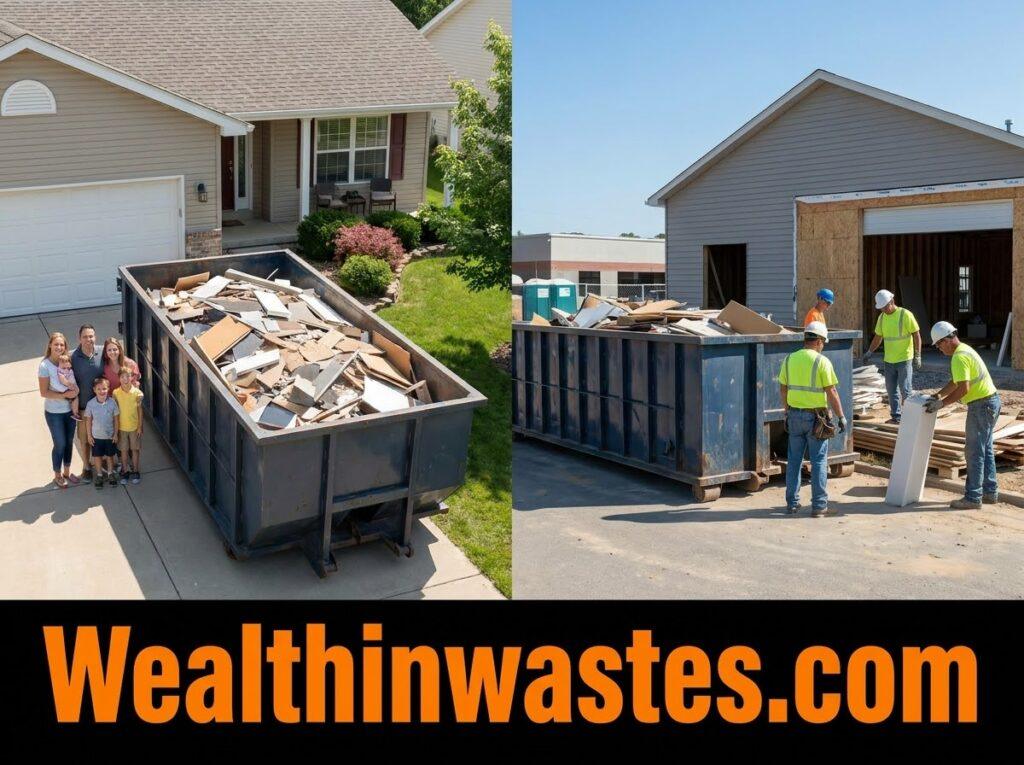
A well-planned rental saves time by reducing repeated trips to disposal sites and gives everyone a clear place for project debris. That organized work area can improve access and lower everyday trip hazards.
Businesses and contractors can coordinate cleanup around project milestones, while households can finish renovations or clearouts with fewer interruptions. Modern waste management approaches also emphasize resource recovery alongside collection in well-planned projects.
Even so, a dumpster is not the best choice for every load. Traditional methods described in waste disposal guidance highlight why open dumping and uncontrolled burning create avoidable health and environmental problems.
For the best result, match container size to the debris, confirm the rules in advance, and keep the load within permitted limits. These simple decisions make cleanup more predictable, orderly, and responsible.
Read Also: Exploring the World of Dumpster Rentals
Summary on Dumpster Rental: Your Complete Guide to Waste Management Solutions
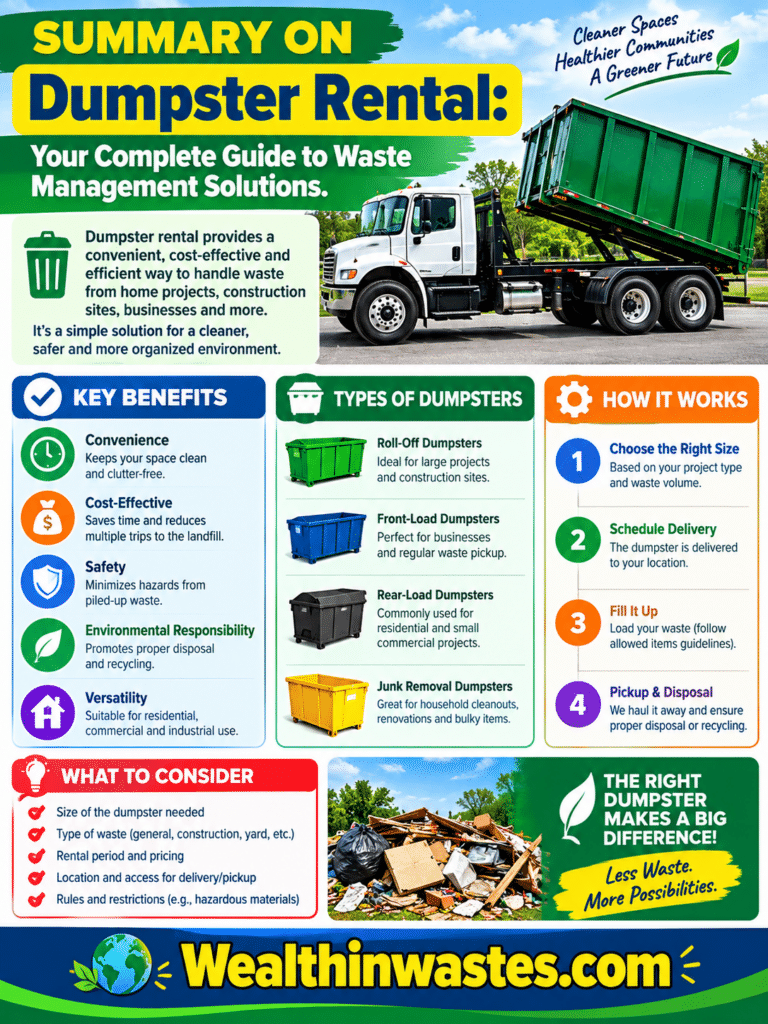
| Topic | Key Point | Practical Benefit |
|---|---|---|
| Common Uses | Cleanouts, renovations, landscaping, and commercial projects. | Keeps large volumes of debris in one place. |
| Container Size | Match cubic-yard capacity to project volume and material weight. | Helps avoid extra trips, overloading, and unnecessary cost. |
| Accepted Waste | Confirm the provider’s list and keep restricted items separate. | Prevents rejected loads and unsafe disposal. |
| Rental Charges | Check the rental period, weight allowance, delivery, and possible fees. | Makes the total cost easier to budget. |
| Collection | Prepare the placement area and schedule pickup when loading ends. | Supports a smooth delivery and removal process. |
| Sustainability | Reuse and recycle suitable materials before final disposal. | Reduces waste and preserves recoverable resources. |
Frequently Asked Questions About Dumpster Rental: A Complete Waste Management Guide
1. How do I choose the right dumpster size?
Estimate the amount and type of debris, then ask the provider to recommend capacity. Tell them about heavy materials because weight limits can matter as much as container volume for your project.
2. What materials can I put in a rental dumpster?
Many providers accept household junk, wood, drywall, roofing, and yard debris. Rules vary, so check the approved list before loading and keep hazardous or restricted materials separate from other waste.
3. Can I put paint or chemicals in the dumpster?
Usually not in a standard container. Paint, solvents, fuel, pesticides, and similar products may require special collection, so follow local guidance and the rental company’s disposal instructions before discarding them.
4. How much does dumpster rental cost?
Pricing depends on location, size, rental length, debris type, weight, and disposal fees. Request a written quote that explains included services and possible charges for extra time or excess weight.
5. Do I need permission to place a dumpster?
Private property may allow placement without a public permit, but rules vary. Ask your local authority and rental provider before placing a container on a street, sidewalk, or shared access area.
6. How should I prepare for dumpster pickup?
Keep the load below the fill line, distribute material evenly, and remove obstacles around the container. Then contact the company to confirm pickup timing and any access requirements before the scheduled collection.
Do you have any questions, suggestions, or contributions? If so, please feel free to use the comment box below to share your thoughts. We also encourage you to kindly share this information with others who might benefit from it. Since we can’t reach everyone at once, we truly appreciate your help in spreading the word. Thank you very much for your support and for sharing!
Read Also: Things to do to make Your Catfish Grow faster within a Short Period of Time