


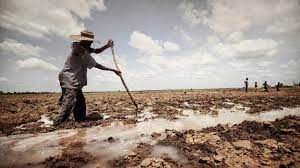
Water pollution occurs when harmful substances or energy enter groundwater, rivers, lakes, estuaries, or oceans and reach levels that interfere with useful water functions, aquatic ecosystems, or human activities.
The sources of water pollution vary widely because contaminants can come from households, farms, factories, roads, landfills, mining areas, and offshore activities, sometimes traveling far beyond their original entry points.
Understanding these sources helps communities identify where pollutants originate, how they reach water bodies, and which management practices can reduce contamination before it threatens drinking water, agriculture, fisheries, and wildlife.
Some pollution sources are easy to identify because they discharge contaminants from a defined location, while others spread pollutants across broad landscapes through runoff, drainage, seepage, wind, or atmospheric movement.
The following discussion examines the major sources of water pollution, including domestic sewage, agricultural chemicals, industrial wastes, sediments, petroleum, thermal discharges, groundwater contamination, and pollution affecting estuaries and oceans.
Major Sources of Water Pollution
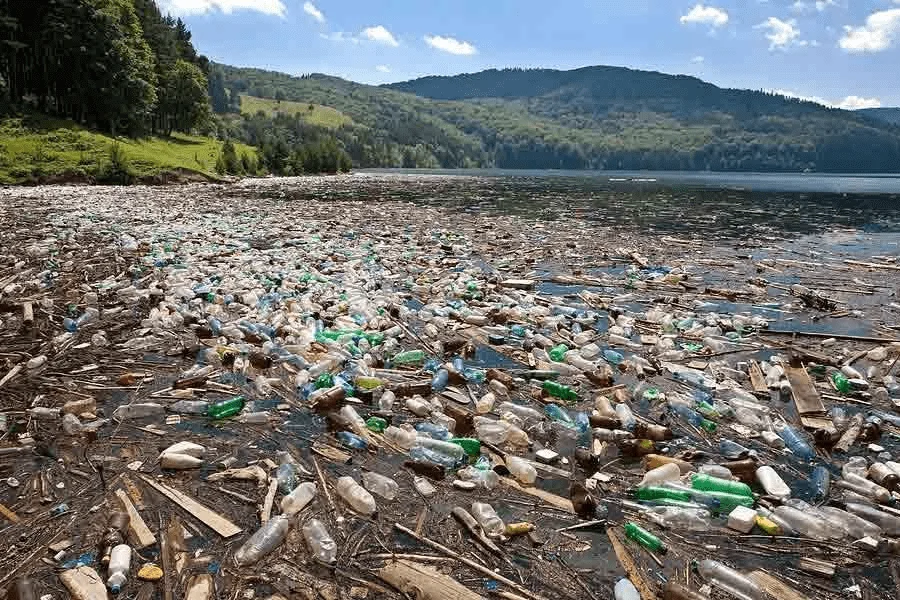
Water pollution develops from many human activities, and one source can release several different pollutants into the same water body. Understanding these sources makes pollution prevention more practical and effective.
Pollutants may include pathogens, organic matter, nutrients, toxic chemicals, sediments, petroleum, heat, and radioactive materials, each affecting water quality differently depending on concentration, duration, and environmental conditions.
For a broader environmental perspective, the meaning of environmental pollution helps explain why contaminants become harmful when their quantity causes undesirable changes in environmental conditions.
The classification of pollution sources also helps environmental managers determine where monitoring should occur and which activities require controls, treatment systems, proper disposal methods, or stronger regulatory oversight measures.
Another useful overview of pollution categories appears in the sources and types of environmental pollution, showing how agricultural, industrial, urban, and other activities contribute to environmental contamination.
Although sources differ in nature, their pollutants can interact after entering water systems. Consequently, pollution from several locations may combine and create more serious ecological problems than individual discharges alone.
Point Sources of Water Pollution
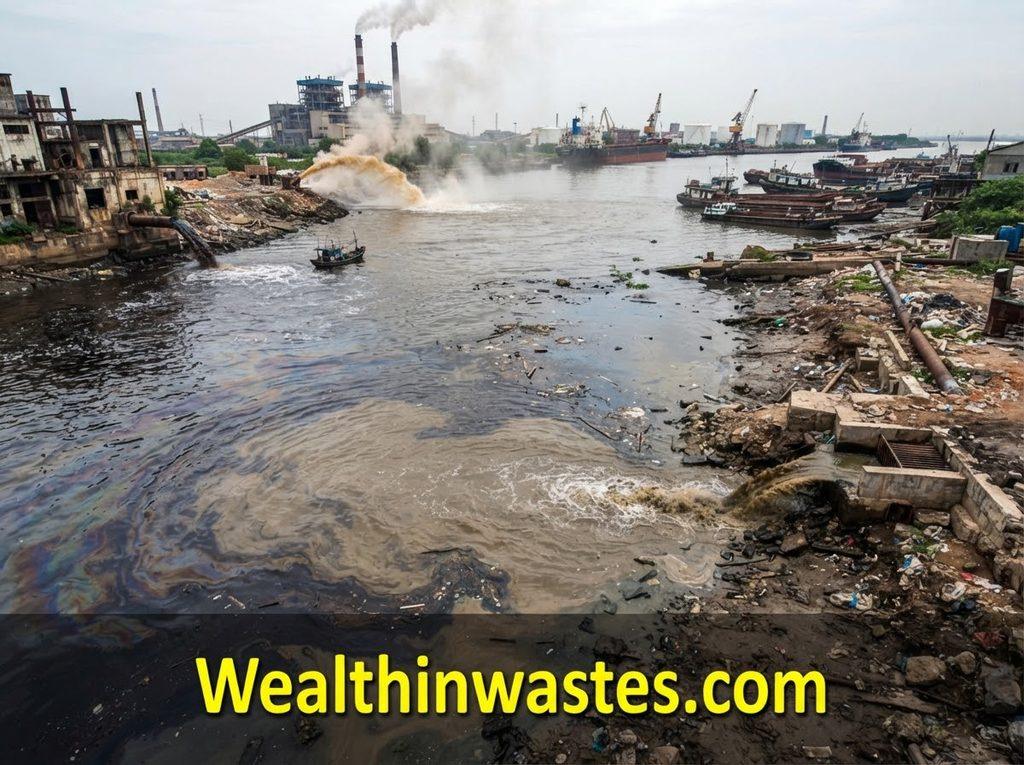
1. Factory Discharge: Industrial pipes can discharge wastewater containing chemicals, metals, acids, alkalies, dyes, organic matter, or other contaminants directly into nearby rivers, streams, lakes, or drainage channels.
2. Municipal Effluent: Sewage treatment facilities and municipal wastewater systems can release effluent containing residual nutrients, organic matter, microorganisms, suspended solids, or chemicals when treatment remains incomplete.
3. Storm Sewer Discharge: Storm drains can collect contaminated water from roads, urban surfaces, industrial areas, and other developed locations before releasing the mixture into nearby water bodies.
4. Oil Spill Sources: Tanker accidents, leaking pipelines, storage facilities, and petroleum operations can introduce large quantities of oil into water, creating concentrated pollution from identifiable locations.
Point sources are generally easier to identify because their origins remain physically traceable. This makes inspection, monitoring, treatment, and regulatory control more direct than managing widely dispersed contamination sources.
Industrial facilities should therefore manage wastewater carefully through appropriate treatment systems. The industrial wastewater treatment procedure explains methods used to remove solids and other contaminants before discharge.
Proper management becomes especially important where industries operate close to rivers or other water sources that communities, farmers, fisheries, and ecosystems depend upon for domestic and productive activities.
Read Also: Motivational Factors for Recycling and Reuse
Non-Point Sources of Water Pollution
1. Agricultural Runoff: Rainfall and irrigation water can carry fertilizers, pesticides, eroded soil, animal wastes, and other contaminants from fields into streams, ponds, rivers, lakes, and groundwater.
2. Urban Runoff: Water flowing across roads, parking areas, construction sites, and developed land can collect oil, litter, sediments, chemicals, nutrients, and other pollutants before reaching drainage channels.
3. Open Waste Disposal: Waste dumped in unsuitable locations can release pollutants that rainfall transports toward surface water, while leachate may gradually penetrate soil and contaminate underground water resources.
4. Airborne Deposition: Pollutants released into the atmosphere can eventually settle on land or water surfaces and later enter aquatic systems through rainfall, dust, or other environmental pathways.
Non-point sources create a difficult management challenge because contaminants originate from many places rather than one identifiable outlet. Their movement also depends strongly on rainfall, land use, soil conditions, and drainage.
Improper waste disposal can intensify this problem. The problems associated with poor solid waste management include dumping practices that contaminate water sources and increase environmental risks.
Landfills can also contribute pollution where containment systems fail. Understanding the different types of landfills helps explain why proper design, leachate control, monitoring, and site management matter.
Domestic Sewage and Wastewater
Domestic sewage remains a major source of water pollution because it commonly contains disease-causing microorganisms, organic substances, nutrients, suspended solids, household chemicals, and other contaminants.
Pathogens enter sewage mainly through human faecal waste, creating public health concerns when untreated or inadequately treated wastewater reaches drinking water sources, recreational waters, agricultural supplies, or fisheries.
Organic matter in sewage also creates serious ecological effects because microorganisms consume dissolved oxygen while decomposing biodegradable materials, reducing oxygen available for fish and other aquatic organisms.
The main sources of wastewater include households, institutions, commercial activities, and industries, with each source contributing different quantities and combinations of physical, chemical, and biological contaminants.
Sewage can also contain nitrates and phosphates that stimulate excessive algae growth. When those algae die, decomposition may consume additional oxygen and create conditions unsuitable for many aquatic organisms.
The composition and characteristics of sewage help explain why wastewater treatment must address suspended solids, dissolved materials, organic matter, microorganisms, and other pollutants before discharge.
Eutrophication occurs when nutrient enrichment changes a relatively clean water body into one dominated by algae and depleted oxygen. Human activities can greatly accelerate this naturally occurring process.
Proper treatment reduces the pollution burden before wastewater enters natural environments. The on-site municipal wastewater treatment approach provides important options where centralized sewerage systems remain unavailable or unsuitable.
Agriculture and Agrochemical Pollution
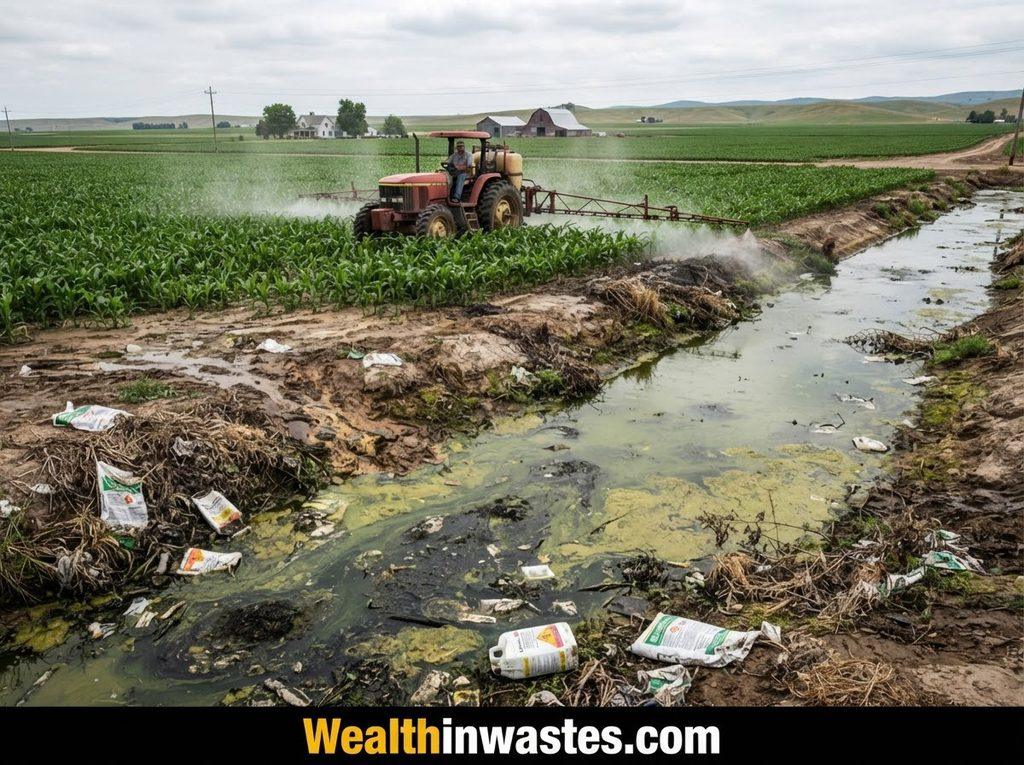
1. Fertilizer Runoff: Excess fertilizer can introduce nitrates and phosphates into surface water through runoff, increasing nutrient concentrations and encouraging excessive aquatic plant and algae growth.
2.Pesticide Movement: Pesticides can reach streams, ponds, rivers, and groundwater through runoff, leaching, spray drift, irrigation, rainfall, and direct application around low-lying areas.
3. Animal Waste: Livestock manure and urine can add organic matter, nutrients, microorganisms, and other contaminants to water when farms lack suitable storage, handling, and disposal practices.
4. Soil Erosion: Agricultural activities that expose soil can increase sediment movement during rainfall, carrying soil particles, attached chemicals, nutrients, and organic materials into nearby water bodies.
Pesticides deserve particular attention because some compounds persist for long periods and may accumulate within food chains. Their movement depends on soil properties, rainfall, slope, vegetation, and application practices.
The movement and absorption of pesticides in soil explains how runoff, leaching, spray drift, and related processes can transport pesticides away from their intended application areas.
Agricultural waste can also contribute broader environmental contamination. The environmental impact of agricultural wastes demonstrates why responsible waste handling remains important for protecting surrounding ecosystems.
Reducing agrochemical pollution requires careful application, appropriate storage, prevention of excessive runoff, protection of waterways, proper waste handling, and farming practices that reduce soil erosion and chemical losses.
Industrial and Toxic Waste
1. Chemical Effluents: Factories may release acids, alkalies, dyes, solvents, organic substances, nutrients, and other chemicals when industrial wastewater receives inadequate treatment before environmental discharge.
2. Heavy Metals: Industrial wastewater can contain metals such as lead, mercury, and chromium, which may harm aquatic organisms and create serious environmental and public health concerns.
3. Hazardous Waste: Toxic waste may possess poisonous, radioactive, explosive, carcinogenic, mutagenic, teratogenic, or bioaccumulative properties, making careless disposal especially dangerous to water resources.
4. Mining and Energy Waste: Mining, petroleum production, chemical processing, and energy operations may generate polluted water containing metals, hydrocarbons, radionuclides, acidic drainage, heat, or concentrated dissolved substances.
Industrial pollution becomes more serious when facilities discharge untreated or partially treated wastewater directly into rivers and coastal waters. Such discharges can alter the physical, chemical, and biological condition of receiving environments.
The impact of industrial wastes on people and ecosystems demonstrates how industrial contaminants can affect aquatic life, environmental quality, and communities that depend on polluted waters.
Industrial facilities therefore need suitable treatment systems matched to their wastewater characteristics. The industrial wastewater treatment process provides treatment approaches for different industrial pollutant loads and waste streams.
Toxic substances may also enter water indirectly through land disposal, leaking storage areas, or contaminated runoff. Effective controls require secure storage, proper treatment, monitoring, and legally compliant disposal practices.
Read Also: Hurts Wastewater Management Complete Guide
Sediment, Thermal, and Oil Pollution
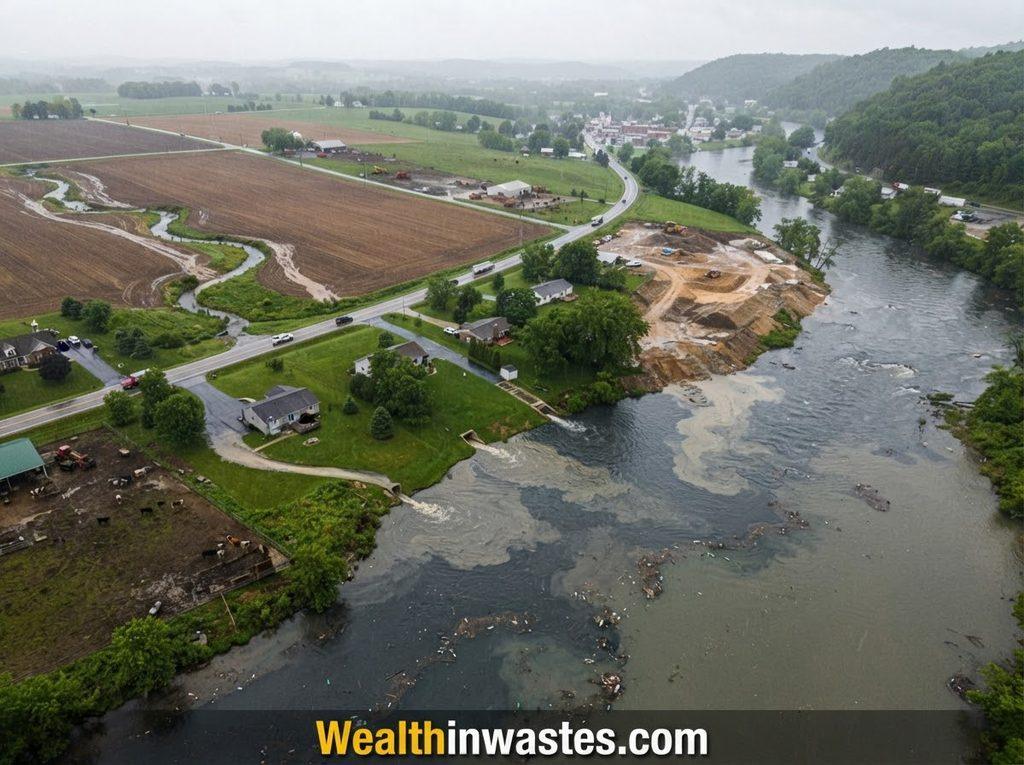
Sediment becomes a water pollutant when soil particles such as silt and clay move from land into streams, rivers, lakes, reservoirs, or coastal waters through erosion and surface runoff.
Suspended sediment can reduce water clarity and sunlight penetration, disturb aquatic habitats, interfere with biological processes, affect fish reproduction, and eventually settle over organisms living along the bottom.
Heat also acts as a pollutant because warmer water holds less dissolved oxygen and can increase the metabolic activity of fish and other aquatic organisms.
Power plants and some industrial operations may discharge heated cooling water into rivers. Significant temperature changes can therefore alter aquatic conditions and reduce the suitability of water for sensitive species.
Oil pollution may result from roads and parking areas when rainfall carries petroleum residues into drainage systems and water bodies. Accidental spills can release much larger quantities into aquatic environments.
The sources and effects of oil pollution show how petroleum contamination can damage aquatic organisms, shorelines, recreation areas, and other ecological or socioeconomic resources.
Careful land management, erosion control, safer industrial cooling practices, spill prevention, and rapid containment measures can reduce the amount of sediment, heat, and petroleum entering vulnerable water bodies.
Recycling and responsible waste handling can further reduce pollution pressures. The use of recycling for pollution control illustrates how recovering materials can reduce environmental burdens associated with waste disposal.
Groundwater, Estuaries, and Ocean Pollution
Groundwater contains water stored within underground geological formations called aquifers and serves as an important source of drinking and domestic water for many communities.
Although groundwater may appear clear because soil layers naturally filter some materials, dissolved chemicals, bacteria, and viruses can still contaminate underground supplies.
Potential contamination sources include leaking septic systems, poorly designed disposal sites, unlined landfills, industrial waste facilities, mining operations, petroleum production, and leaking underground storage tanks.
Careful disposal-site planning therefore matters greatly. The environmental factors affecting disposal site selection include geological and hydrogeological conditions that influence groundwater protection.
Improper disposal can also cause land contamination that eventually affects groundwater. The relationship between land pollution and groundwater shows why contaminated land requires careful management.
In coastal areas, excessive groundwater withdrawal can lower water tables and encourage seawater to move into wells, creating saltwater intrusion that reduces freshwater quality and usefulness.
Estuaries and oceans can receive sewage, sludge, industrial waste, plastics, oil, agricultural runoff, and other pollutants. Their large size does not mean their capacity to absorb pollution is unlimited.
Marine pollution can damage phytoplankton, fish, shellfish, seabirds, coastal habitats, and other organisms. Nutrient-rich runoff can also encourage algal blooms that contribute to oxygen-depleted coastal dead zones.
Radioactive substances present another concern because radioactive waste can remain hazardous for long periods. The principles of radioactive waste management emphasize controlled handling and safe disposal.
Better waste management can prevent many pollutants from reaching marine environments. The proper waste recycling process reduces disposal volumes and supports recovery of reusable materials.
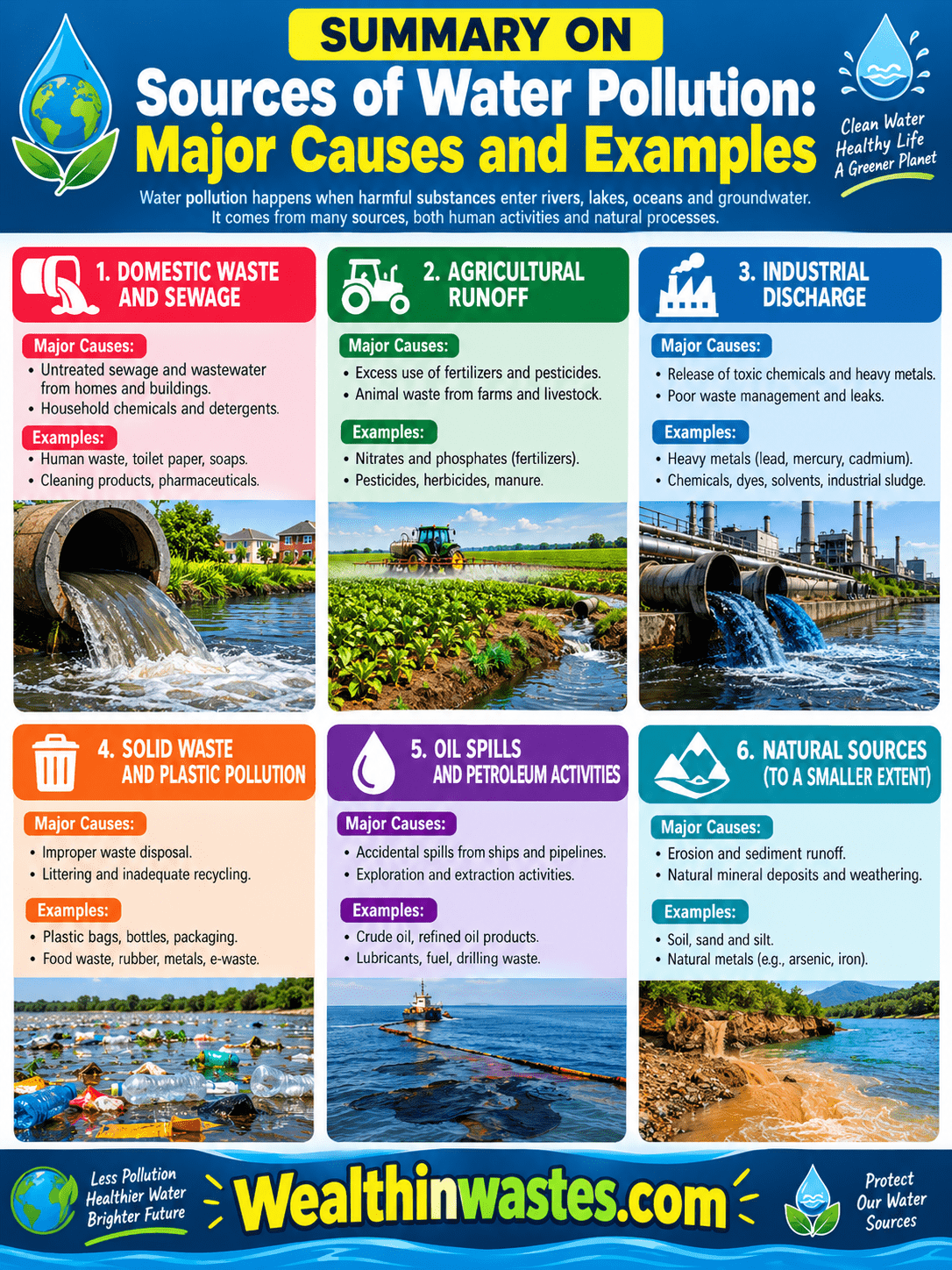
Summary on Sources of Water Pollution: Major Causes and Examples
| Source | Main Pollutants | Major Concern |
|---|---|---|
| Point Sources | Industrial effluent, sewage, oil, chemicals | Concentrated discharge from identifiable locations |
| Non-Point Sources | Runoff, sediments, nutrients, pesticides | Diffuse contamination from many locations |
| Domestic Sewage | Pathogens, organic matter, nitrates, phosphates | Disease risks and oxygen depletion |
| Agriculture | Fertilizers, pesticides, animal waste, sediment | Nutrient enrichment and ecosystem damage |
| Industrial Waste | Heavy metals, chemicals, toxic substances | Toxicity and degradation of water quality |
| Sediment, Heat, and Oil | Silt, thermal discharges, petroleum | Habitat disruption and reduced water quality |
| Groundwater and Ocean Sources | Leachates, sewage, plastics, oil, salts | Long-term contamination of freshwater and marine environments |
Frequently Asked Questions About Sources of Water Pollution
1. What are the main sources of water pollution?
Main sources include domestic sewage, agricultural runoff, industrial wastes, toxic chemicals, sediments, petroleum, thermal discharges, landfills, groundwater contaminants, and marine waste.
2. What is a point source of water pollution?
A point source comes from an identifiable location, such as a factory discharge pipe, sewage outlet, tanker spill, or industrial wastewater discharge.
3. What is a non-point source of water pollution?
A non-point source comes from dispersed areas, including agricultural fields, roads, urban surfaces, and other landscapes where runoff carries contaminants into water bodies.
4. How does sewage pollute water?
Sewage introduces pathogens, organic matter, nutrients, suspended solids, and chemicals, which can spread disease, reduce oxygen, and encourage excessive algae growth.
5. How does agriculture cause water pollution?
Agriculture contributes pollution through fertilizer runoff, pesticide movement, animal waste, irrigation losses, and soil erosion that carries contaminants into surface and underground water.
6. Why is industrial waste dangerous?
Industrial wastes may contain toxic chemicals, heavy metals, oil, nutrients, acids, and other substances capable of harming aquatic organisms and human health.
7. Can groundwater become polluted?
Yes. Chemicals, pathogens, leachates, septic-system leaks, industrial wastes, petroleum, and other contaminants can move through soil and reach underground aquifers.
8. How does oil pollute water?
Oil enters water through road runoff, industrial operations, pipelines, storage facilities, tanker accidents, and spills, where it can damage aquatic organisms and coastal environments.
9. Why is thermal pollution harmful?
Heat reduces the amount of dissolved oxygen water can hold and can increase fish metabolism, creating unsuitable conditions for sensitive aquatic species.
10. Why should sources of water pollution be identified?
Identifying pollution sources helps communities target treatment, monitoring, prevention, enforcement, and waste-management measures where they can provide the greatest environmental benefits.
Do you have any questions, suggestions, or contributions? If so, please feel free to use the comment box below to share your thoughts. We also encourage you to kindly share this information with others who might benefit from it. Since we can’t reach everyone at once, we truly appreciate your help in spreading the word. Thank you very much for your support and for sharing!
Read Also: Water and Land Pollution in Agriculture