


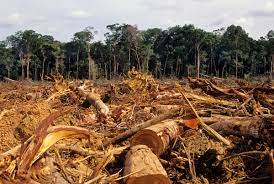
Human beings depend on land, water, air, plants, animals, and natural resources for survival, yet human activities can alter these systems in ways that gradually weaken environmental quality.
Man’s effect on his environment appears through pollution, deforestation, intensive farming, resource extraction, waste generation, urban growth, and other activities that change natural cycles and ecological relationships.
Some environmental changes develop slowly, making them difficult to recognize until water becomes polluted, fertile soil declines, wildlife disappears, or communities experience increasingly disruptive weather conditions.
Human development provides homes, food, transport, energy, industries, and essential services, but careless resource use can weaken the environmental systems that continuously support these important human needs.
Understanding man’s effect on his environment helps communities identify environmental risks, prevent avoidable damage, conserve resources, and promote healthier surroundings for present and future generations.
Environmental responsibility becomes more important as populations grow and resource demands increase, because decisions made today can influence the availability and quality of natural resources for tomorrow.
Climate and Human Activities
1. Greenhouse Gas Emissions: Burning coal, petrol, diesel, gas, and other fossil fuels releases carbon dioxide and additional gases that increase atmospheric heat retention and influence climate conditions.
2. Methane And Other Gases: Methane comes from livestock digestion, flooded rice fields, decomposing wastes without oxygen, and other activities, while nitrous oxide and industrial gases also affect atmospheric conditions.
3. Forest Removal: Forests absorb carbon dioxide and store carbon in vegetation and soils, so clearing them for farms, buildings, roads, timber, and fuel reduces natural carbon storage capacity. This also increases forest clearing and vegetation degradation.
4. Disturbed Natural Cycles: Human land use can weaken natural processes that remove atmospheric carbon, especially when vegetation disappears and repeated disturbance reduces soil carbon storage. Pollution can also create serious economic and environmental costs.
5. Changing Weather Conditions: These pressures can contribute to droughts, floods, severe storms, heat waves, and other climate stresses that affect communities, agriculture, water supplies, ecosystems, and infrastructure.
Read Also: Waste Recycling and Disposal Guide
Essential Climate Changes
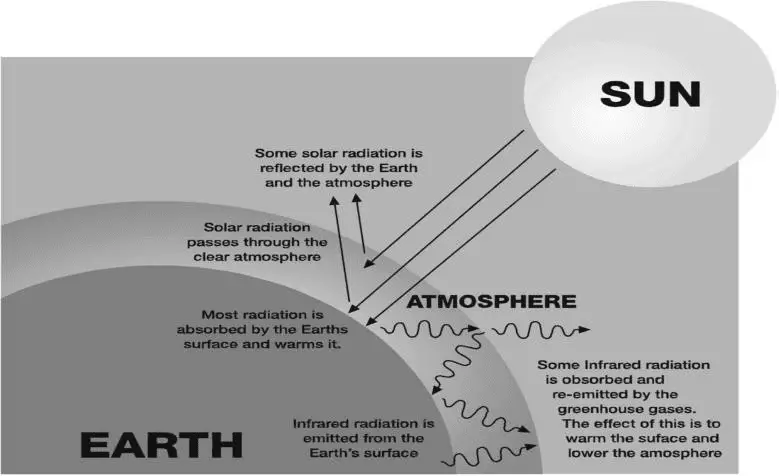
1. Global Warming
Global warming describes the rise in Earth’s average surface temperature as additional greenhouse gases trap more heat within the atmosphere, changing physical conditions across many regions.
Rising temperatures can affect snow cover, glaciers, oceans, rainfall patterns, agricultural seasons, water availability, and habitats, creating conditions that challenge people, plants, animals, and natural resources.
2. Climate Change
Climate change includes broader shifts in temperature, rainfall, sea levels, seasons, and weather patterns. Human pressure can make these changes harder for communities and ecosystems to absorb.
Changing rainfall and temperature patterns can force farmers to adjust crop choices, planting periods, water use, production methods, and other practices to maintain dependable agricultural output.
Climate conditions also influence how vegetation grows, how water moves through landscapes, and how animals respond to seasonal changes, making environmental systems closely interconnected.
3. Protection from Radiation
The ozone layer helps protect life from harmful radiation, but human-made chemicals such as older chlorofluorocarbons and related substances can damage ozone after reaching the upper atmosphere.
Reducing harmful chemical releases, managing refrigerants responsibly, and following environmental controls can help protect atmospheric conditions while supporting safer technologies and responsible industrial practices.
Climate pressures also connect with biodiversity because plants, animals, soils, water, and habitats respond together. Understanding the value of biodiversity and ecosystem functions helps explain these relationships.
Human Effects on Fresh Water
1. Water Pollution: People pollute rivers, lakes, groundwater, and other freshwater sources through sewage, industrial discharges, agricultural runoff, dumping, chemicals, and other contaminants that reduce water quality. More detail appears in water pollution sources and classifications.
2. Excessive Water Diversion: Diverting and using water without adequate planning can reduce downstream supplies, leaving communities, wetlands, farms, and aquatic ecosystems with insufficient water during important periods. Proper water quality management principles can reduce these pressures.
3. Wetland And Floodplain Destruction: Draining wetlands, clearing forests, and blocking natural floodplains can make water move rapidly through landscapes instead of remaining stored and gradually returning during later periods.
4. Poor Water Management: Protecting freshwater requires pollution prevention, responsible withdrawals, efficient treatment, and careful land management because contaminated water becomes difficult and costly to restore for beneficial uses. Useful guidance covers ways of controlling water pollution.
5. Wastewater Discharge: Untreated or poorly treated wastewater can introduce organic matter, chemicals, pathogens, and other pollutants into receiving waters. Understanding wastewater characteristics and flow rates supports better treatment planning.
6. Reduced Natural Storage: Destroying wetlands, vegetation, and natural floodplains reduces the landscape’s ability to retain water, regulate flows, recharge resources, and moderate flooding during periods of heavy rainfall.
Human activities therefore influence both the quality and quantity of freshwater. Protecting rivers, lakes, groundwater, wetlands, and floodplains requires coordinated action at community and institutional levels.
Human Effects on Breathable Air
Human activities introduce pollutants into the atmosphere through vehicles, factories, construction, open burning, fuel combustion, dust-generating activities, and other sources that release harmful substances.
Urban areas often experience greater pollution because many emission sources operate close together, increasing exposure for people who live, work, travel, or attend school within crowded communities.
Air pollutants can also travel beyond their original source because wind carries particles and gases across communities, meaning rural areas may experience pollution produced somewhere else.
Effective pollution management requires responsible institutions, monitoring systems, enforcement, reliable information, technical expertise, and clear duties. These needs are important in institutional arrangements for pollution control.
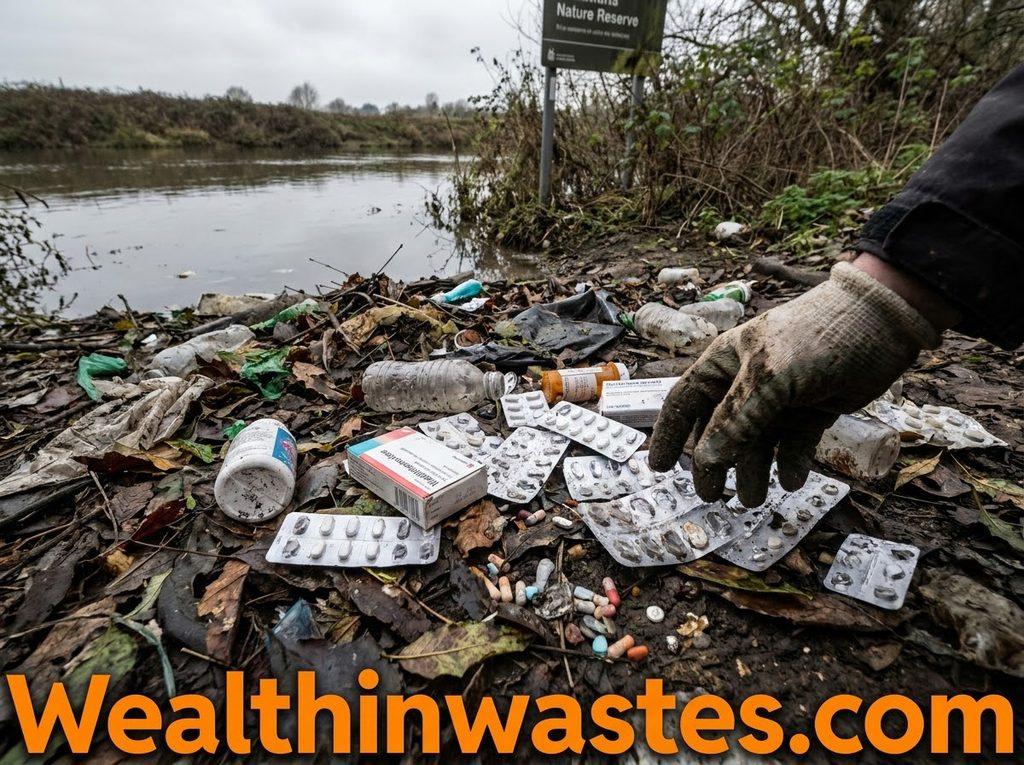
Poor waste handling can worsen air quality when people burn materials carelessly or allow disposal sites to release harmful substances. The wider environmental and health effects of wastes deserve attention.
Reducing unnecessary waste, improving collection, and choosing safer treatment methods can support cleaner air while protecting people from avoidable environmental exposures.
Cleaner air depends on reducing emissions at their sources, encouraging cleaner technologies, maintaining vehicles and equipment properly, and preventing waste-burning practices within communities.
Air quality also connects with water, soil, climate, and health because pollutants released into the atmosphere can eventually deposit onto land or enter other parts of the environment.
Human Pressure on Food Webs
1. Pollution Pressure: Pollution can damage organisms directly, interfere with reproduction, alter habitats, and introduce harmful substances that move through connected feeding relationships within food webs.
2.Habitat Destruction: Logging, mining, construction, draining, quarrying, and intensive farming can destroy forests, wetlands, lakes, and other habitats that provide food, shelter, and breeding areas.
3. Disrupted Species Relationships: When one species declines, predators, prey, decomposers, and other organisms that depend upon it may suffer, weakening ecological relationships and reducing system stability. Human land pressure can also spread contaminants through land pollution pathways.
4. Biodiversity Loss: Repeated habitat damage and pollution can reduce species diversity, genetic resources, and ecosystem resilience, leaving natural systems less capable of responding to environmental change. Hazardous materials present further concerns, explained through hazardous waste sources and classifications.
5. Ecological Imbalance: Continuous pressure on food webs can change predator-prey relationships, reduce available resources, and create wider effects across ecosystems because organisms remain connected through feeding and habitat relationships.
Human Impact on Fertile Soils
Plants protect soil from wind and water erosion, but removing vegetation leaves the surface exposed and makes valuable topsoil easier to wash away or blow away.
Repeated cultivation without replacing nutrients and organic matter can gradually reduce soil quality, especially where farmers remove vegetation residues and lack suitable restoration practices.
Heavy disturbance can reduce beneficial soil organisms, weaken soil structure, and lower fertility. These effects can reduce productive capacity while increasing vulnerability to further environmental degradation.
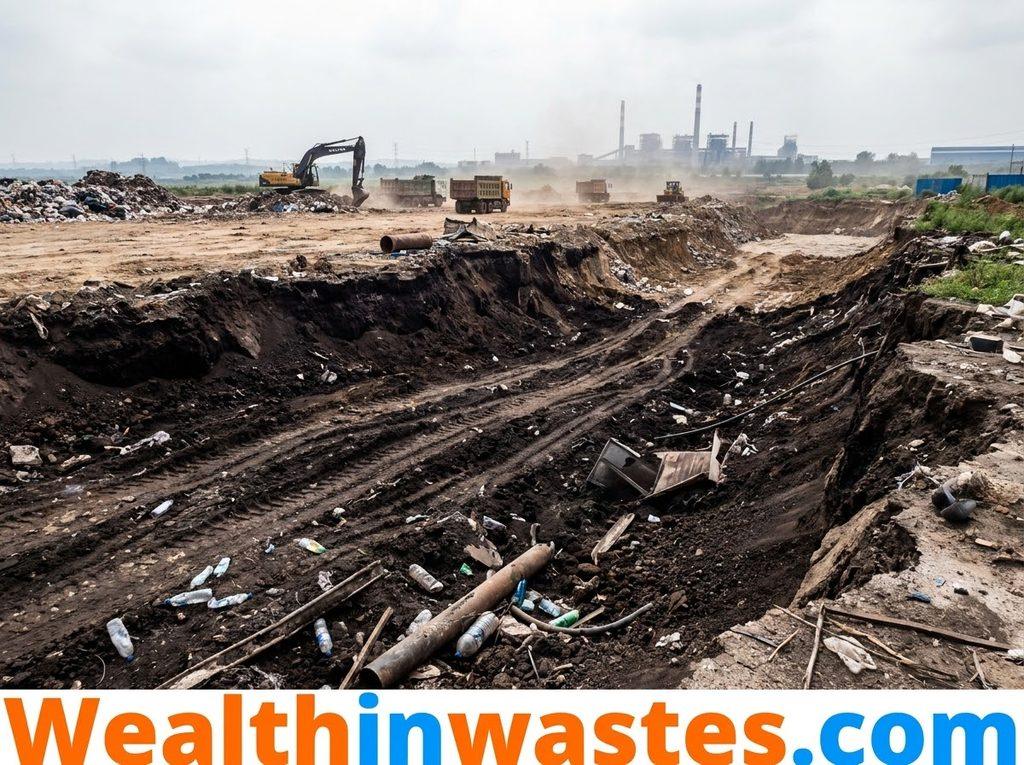
Human activities such as indiscriminate dumping and harmful agricultural practices can further degrade land. Readers can examine land pollution and its composition to understand these pressures.
Land pollution can involve municipal waste, construction debris, industrial materials, and hazardous substances that contaminate soil and groundwater. The discussion of causes and effects of land pollution explains these pathways.
Reducing waste at its source can limit materials reaching land and water. Practical strategies in waste minimization and reduction processes encourage prevention, reuse, recovery, recycling, and efficient resource use.
Healthy soils support food production, vegetation growth, water regulation, and many organisms, so protecting them helps maintain environmental services that people depend upon throughout their lives.
Human Pressure on Food, Fuel and Raw Materials
1. Reduced Food Diversity: Modern food systems rely heavily on relatively few species, reducing diversity and increasing vulnerability when pests, diseases, climate pressures, or production failures affect key sources.
2. Pressure On Wild Protein: Communities that depend heavily on wild animals and fish for protein face greater risk when overfishing, habitat damage, pollution, or other pressures reduce available stocks.
3. Fuelwood Depletion: Using wood faster than forests can regenerate reduces available fuel supplies and can also damage vegetation, soils, habitats, and other resources that forests normally protect.
4. Raw Material Depletion: Plants, animals, minerals, and metals become depleted when people extract or consume them faster than natural systems can reproduce, regenerate, or replace those resources.
5. Resource Recovery: Better resource management can reduce pressure on virgin materials because useful products can re-enter productive systems instead of becoming disposal burdens. The waste management hierarchy explains this priority.
6. Material Conservation: Recovering useful materials reduces unnecessary extraction and disposal.Readers can learn about plastics that recycling systems cannot easily recover and understand the classification of solid waste.
People can also reduce resource pressure by repairing, reusing, recycling, and choosing products carefully. These actions extend material life and reduce demand for additional extraction from nature.
Responsible resource use protects ecological functions while maintaining access to food, fuel, building materials, industrial inputs, and other resources required for modern communities and livelihoods.
Read Also: Hurts Wastewater Management Complete Guide
Loss of Medicines and Environmental Health
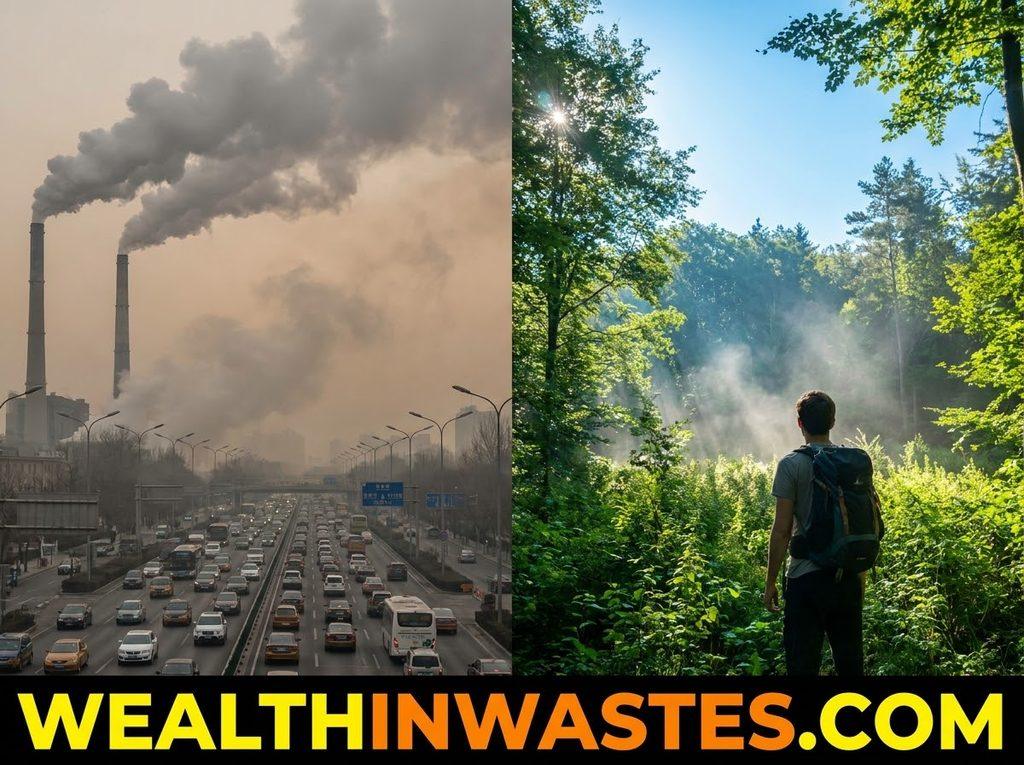
Plants and animals provide important biological resources, including substances that humans use or investigate for medicinal purposes. Destroying habitats can remove valuable species before scientists understand their potential.
Protecting biodiversity preserves genetic materials, species, ecosystems, and natural compounds that may support future medical discoveries, making environmental conservation valuable beyond immediate ecological concerns.
Human health also suffers when pollution contaminates water, air, soil, food, or living environments. Poor waste handling can create additional exposure pathways for people and animals.
Responsible waste treatment helps prevent pollution before it spreads. Guidance on waste treatment and disposal methods explains how reduction, reuse, recycling, recovery, and disposal can work together.
Organic materials can return useful nutrients to soil through controlled composting instead of uncontrolled disposal. More information on composting and its environmental advantages explains this resource recovery approach.
Communities need organized systems for reducing, collecting, treating, and disposing waste safely. An effective waste management strategy can coordinate these actions across households, businesses, industries, and communities.
Households influence environmental outcomes through purchasing, consumption, reuse, sorting, and disposal decisions, while responsible choices can reduce unnecessary waste and lessen pressure on environmental infrastructure.
Environmental protection also depends on public awareness because people make daily decisions about energy, water, food, transportation, waste, and natural resources that collectively influence environmental conditions.
Healthy environments depend on choices at household, community, agricultural, industrial, and governmental levels because human activities remain closely connected with natural resources and ecological functions.
Summary on Man’s Effect on His Environment and Its Major Impacts
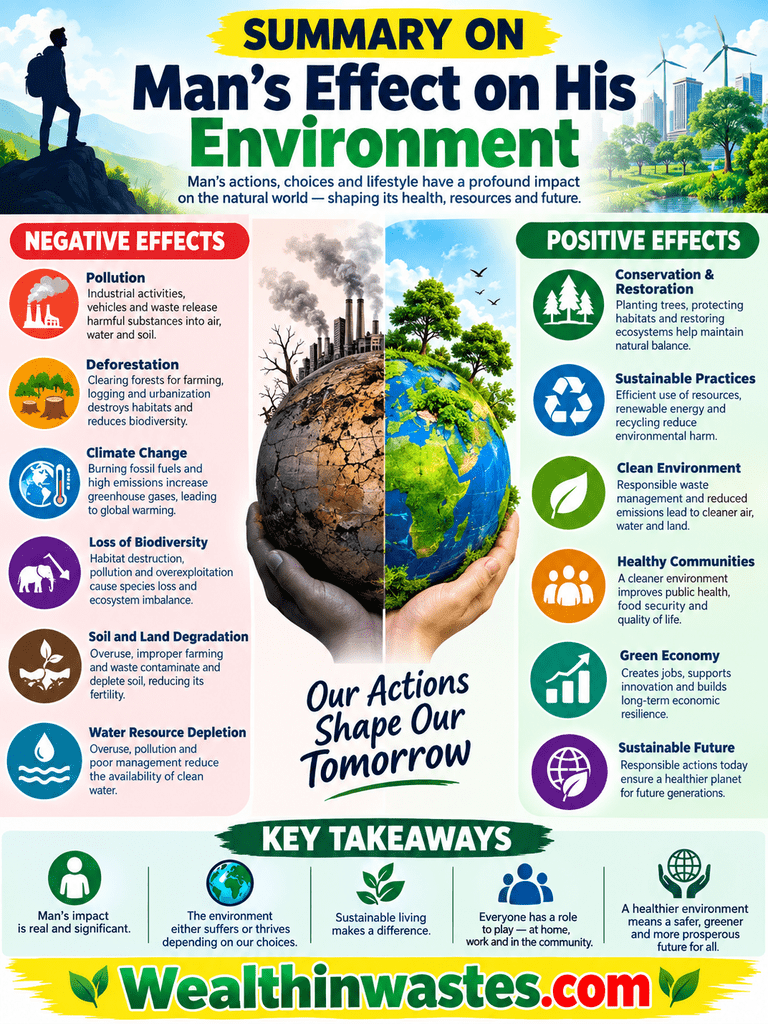
| Environmental Area | Major Human Effect | Main Consequence |
|---|---|---|
| Climate | Greenhouse gas emissions and forest loss | Warming and changing weather patterns |
| Fresh Water | Pollution, diversion, and wetland drainage | Reduced water quality and availability |
| Air | Vehicle, industrial, burning, and dust emissions | Higher exposure to air pollutants |
| Food Webs | Pollution and habitat destruction | Species decline and ecological imbalance |
| Soils | Vegetation removal and poor land use | Erosion, nutrient loss, and lower fertility |
| Food | Narrow food diversity and overharvesting | Greater vulnerability to supply disruptions |
| Fuel and Materials | Unsustainable extraction and consumption | Declining natural resource stocks |
| Medicines | Habitat and biodiversity loss | Potential loss of useful biological resources |
Frequently Asked Questions About Man’s Effect on His Environment and Its Major Impacts
1. What does Man’s Effect on His Environment mean?
It refers to changes people cause in climate, air, water, soil, habitats, ecosystems, biodiversity, and natural resources through everyday and economic activities.
2.How does man affect climate?
People affect climate mainly by increasing greenhouse gas emissions, clearing forests, disturbing soils, and altering natural processes that regulate carbon and other atmospheric gases.
3. How does human activity affect fresh water?
Pollution, excessive withdrawals, wetland drainage, forest clearing, and floodplain disruption can reduce freshwater quality, change natural flows, and limit water availability for communities and ecosystems.
4. How does man affect fertile soil?
Vegetation removal, repeated cultivation, erosion, waste dumping, and poor soil management can remove nutrients, reduce organic matter, damage soil organisms, and lower fertility.
5. How does human activity disrupt food webs?
Pollution and habitat destruction can kill organisms, reduce reproduction, remove food sources, and interrupt relationships among predators, prey, decomposers, and other connected species.
6. Why should humans protect biodiversity and natural resources?
Protection maintains ecological functions, food resources, fertile soils, clean water, medicinal possibilities, genetic materials, and other environmental services that support human wellbeing and livelihoods.
7. How can people reduce harmful environmental effects?
People can reduce harm by preventing pollution, reducing waste, reusing materials, recycling, protecting forests, conserving water, managing soils responsibly, and supporting sustainable resource use.
8. Why is environmental protection important to human health?
Healthy environments provide cleaner air, safer water, productive soils, nutritious resources, and ecological stability while reducing human exposure to pollution and other environmental hazards.
Do you have any questions, suggestions, or contributions? If so, please feel free to use the comment box below to share your thoughts. We also encourage you to kindly share this information with others who might benefit from it. Since we can’t reach everyone at once, we truly appreciate your help in spreading the word. Thank you very much for your support and for sharing!
Read Also: Agriculture and the Natural Environment in Nigeria