


Waste minimization is an important environmental management approach that focuses on preventing waste generation, conserving resources, reducing operational losses, and improving the efficiency of production activities.
Instead of depending mainly on disposal after waste has been produced, waste minimization encourages industries to identify avoidable losses and control them before they become environmental or economic problems.
Effective waste minimization can reduce raw material consumption, lower disposal expenses, improve production efficiency, conserve energy, and reduce the environmental burden associated with unnecessary waste generation.
It also supports sustainable production by encouraging organizations to examine their processes carefully, improve operational practices, reuse useful materials, and prevent avoidable contamination throughout production systems.
This article explains major waste minimization techniques, including quality control, waste exchanges, point-of-use delivery, source reduction, recycling, process changes, and product modification within organized production systems.
Improved Quality Control and Process Monitoring
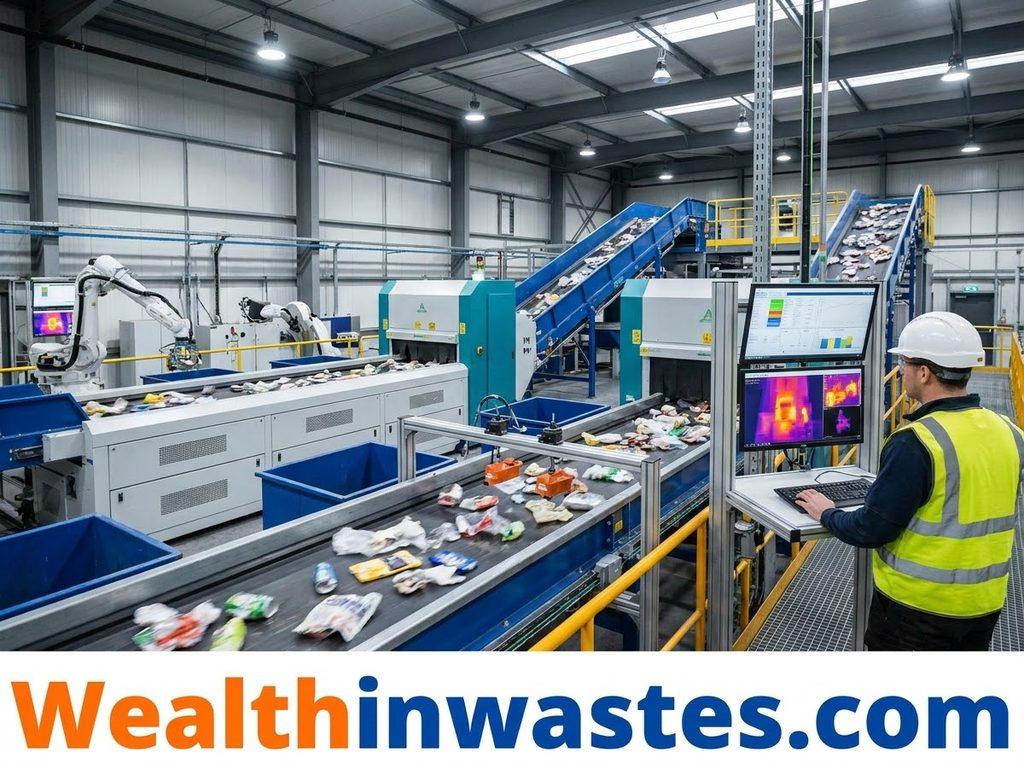
Improved quality control is an effective waste minimization technique because defective products, rejected batches, and processing errors often create unnecessary material losses and increase disposal requirements.
Manufacturers can reduce rejected batches by increasing inspection frequency and establishing additional control points throughout production, allowing defects to be identified before substantial resources become wasted.
Early detection gives operators enough time to correct equipment settings, adjust operating conditions, replace defective components, or modify procedures before production problems become extensive.
Automated continuous monitoring equipment can strengthen quality assurance by collecting production information continuously and identifying unusual conditions that may indicate developing equipment or processing problems.
Effective monitoring should cover raw material quality, machine performance, production conditions, product characteristics, energy consumption, and other important variables that influence waste generation during processing.
Organizations should also maintain accurate process records because reliable information makes it easier to identify recurring defects, determine their causes, and develop corrective measures.
Operators require appropriate training so they understand inspection procedures, recognize abnormal production conditions, report problems quickly, and follow established quality requirements consistently throughout daily operations.
Well-designed quality systems therefore prevent waste before disposal becomes necessary, supporting the broader principles of systematic waste reduction at source and efficient resource utilization.
Waste Exchanges
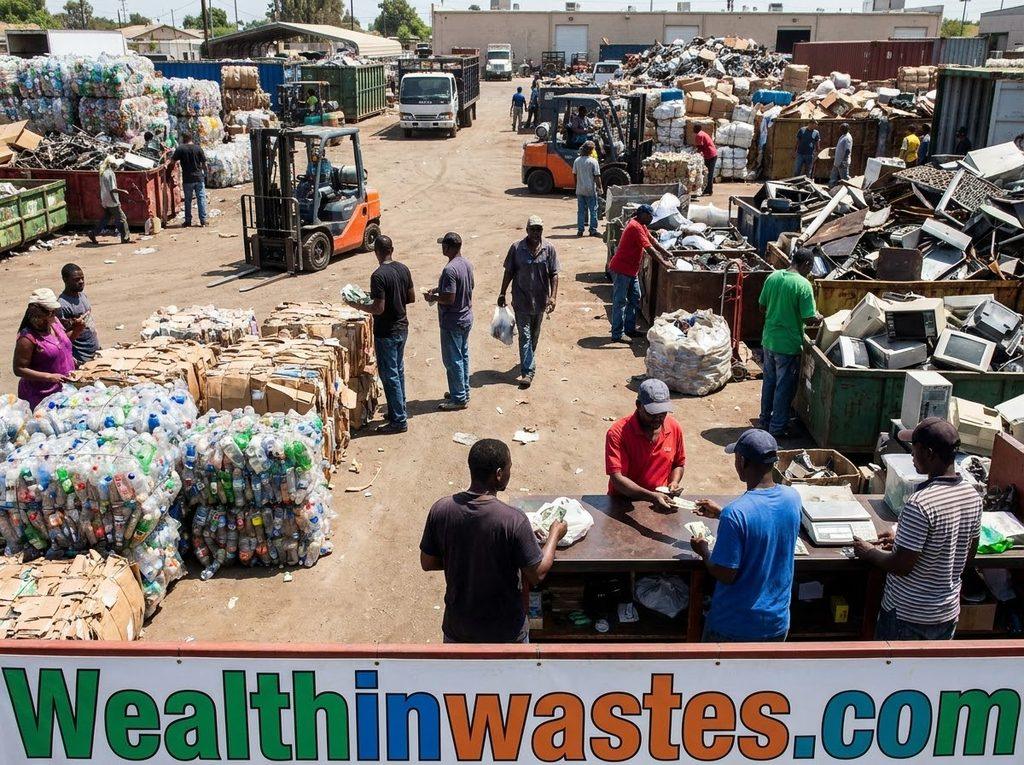
Waste exchanges involve transferring materials discarded by one process to another process where those materials can serve as useful raw materials instead.
This approach changes the traditional perception of waste by recognizing that unwanted materials may still possess economic value when they are suitable for another application.
A waste exchange can occur within the same organization, between different departments, or among separate companies operating within the same industrial or commercial area.
Successful exchanges require information about the quantity, quality, composition, availability, storage requirements, and potential applications of materials that would otherwise require disposal.
Organizations participating in waste exchanges should establish clear quality requirements because unsuitable, contaminated, or inconsistent materials may create additional processing problems for receiving operations.
Waste exchanges can reduce disposal volumes while conserving virgin resources, lowering purchasing requirements, and creating opportunities for businesses to obtain useful materials at reduced costs.
They also support circular economy thinking by keeping materials within productive systems for longer periods, reducing the quantity of resources that ultimately becomes waste.
This approach closely supports waste hierarchy principles that prioritize reduction, reuse, recycling, recovery, and responsible final disposal whenever practical alternatives are available.
Ship to Point of Use
Shipping materials directly to their point of use involves delivering incoming raw materials or components to the exact location where assembly or processing occurs.
This arrangement can reduce unnecessary internal movement, repeated handling, temporary storage, protective packaging, and wrapping materials associated with conventional delivery and storage systems.
Direct delivery can also reduce damage because materials are handled fewer times before entering production, thereby lowering losses associated with breakage, contamination, deterioration, or misplaced components.
Point-of-use delivery requires careful coordination between suppliers, purchasing departments, warehouse personnel, production teams, and transportation providers to ensure materials arrive when needed.
Delivery schedules should therefore reflect production requirements accurately because excessive deliveries can create congestion, while late deliveries may interrupt operations and encourage emergency purchasing decisions.
Organizations can combine point-of-use delivery with inventory control systems to maintain appropriate material quantities while reducing unnecessary packaging, movement, handling, and intermediate storage activities.
The practice is especially useful where production components are regularly consumed in predictable quantities and where storage space, packaging waste, or internal transportation creates significant operating costs.
When implemented effectively, point-of-use delivery complements broader waste reduction strategies designed to control unnecessary material use and disposal pressures within organizations and communities.
Read Also: Other Methods/Technologies for Solid Waste Treatment
Classification of Waste Minimization (WM) Techniques
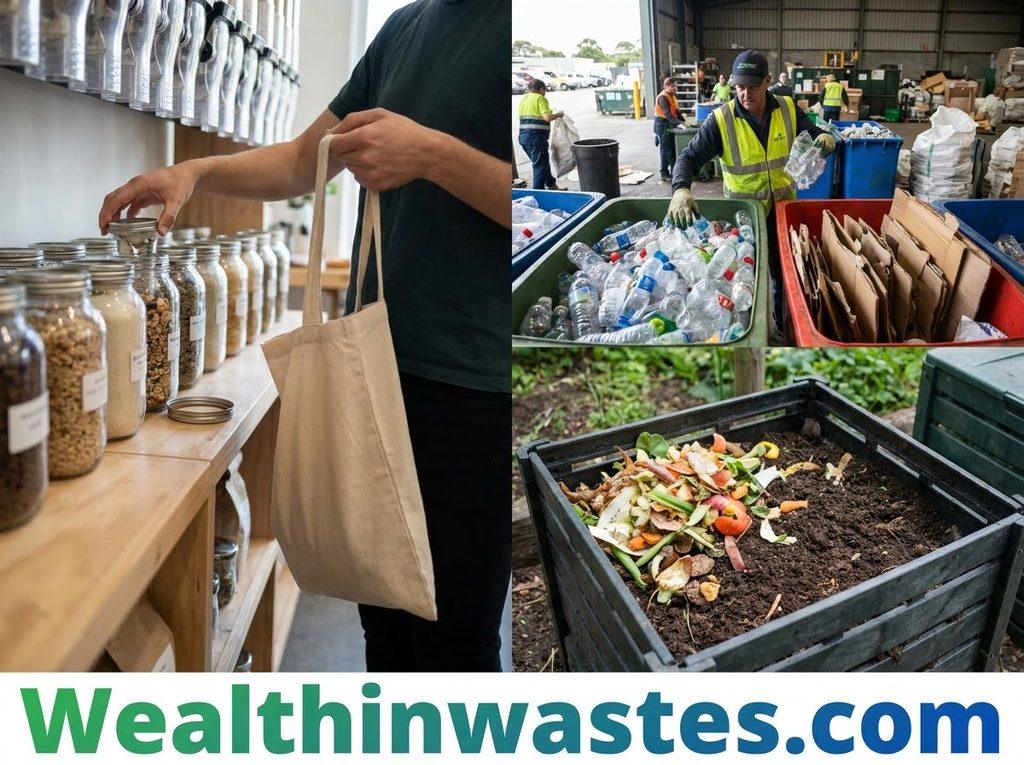
Waste minimization techniques can be grouped according to where intervention occurs, particularly at the source of generation, during production, or through recovery and reuse of useful materials.
The classification helps organizations select appropriate measures according to their processes, waste characteristics, available technologies, production requirements, environmental objectives, and economic circumstances.
Source reduction is generally preferred because it prevents waste from being generated rather than dealing with waste after production has already occurred.
Recycling and reuse become important when materials cannot reasonably be eliminated from production but can still provide value through recovery or alternative applications.
Process improvements can reduce waste by correcting inefficient operating conditions, improving equipment performance, controlling material inputs, and reducing production errors that create unnecessary residues.
Product modification can also contribute by changing product characteristics, packaging, materials, or design requirements in ways that reduce environmental impacts throughout the product life cycle.
Organizations should evaluate techniques systematically rather than selecting measures randomly, considering technical feasibility, expected waste reductions, costs, environmental benefits, worker safety, and long-term operational performance.
A comprehensive understanding of waste types and classification helps organizations determine which minimization techniques are most suitable for particular material streams and operational conditions.
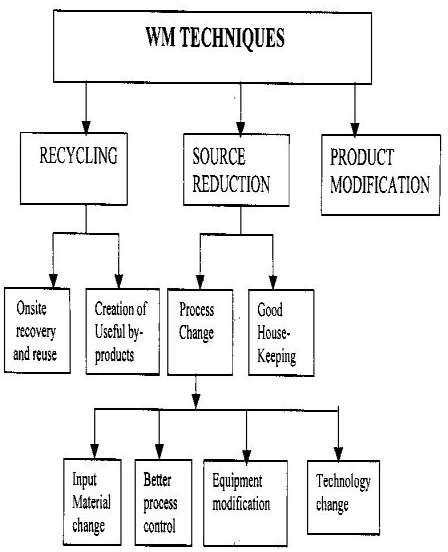
The schematic diagram illustrates how waste minimization techniques can be organized around source reduction, recycling, process improvement, resource conservation, and other interventions intended to reduce unnecessary waste generation.
Source Reduction
Source reduction focuses on preventing waste generation before materials become residues, rejects, emissions, discarded packaging, or other forms of unwanted output requiring subsequent management.
It can involve managerial improvements, operational changes, material substitution, equipment adjustments, improved maintenance, better worker practices, and technological improvements that make production cleaner.
1. Good Housekeeping: Preventive maintenance, routine inspections, proper supervision, clear working instructions, employee awareness, and regular training can reduce leaks, spills, losses, contamination, and avoidable waste generation.
2. Input Material Change: Replacing harmful, inefficient, or unnecessarily wasteful materials with safer, less toxic, renewable, durable, or more efficient alternatives can reduce waste generation.
3. Better Process Control: Improved operating procedures, machine instructions, monitoring systems, and production records can keep processes within suitable conditions and reduce avoidable waste production.
4. Equipment Modification: Adding suitable measuring, monitoring, and control devices to existing equipment can improve performance, increase efficiency, and reduce waste and emission generation.
Source reduction should remain a major priority because preventing waste generally requires fewer resources than collecting, transporting, treating, recycling, or disposing of materials after generation.
Detailed assessments of production activities can reveal opportunities for resource optimization, scrap reuse, process monitoring, waste exchanges, and point-of-use delivery within industrial operations.
Process Change
Process change involves modifying production methods, operating conditions, technologies, equipment, or material inputs to reduce waste generation while maintaining acceptable product quality.
Process changes should be carefully evaluated because improvements must achieve waste reduction without creating new environmental problems, safety concerns, quality failures, or excessive operating costs.
1. Input Material Change: Material substitution should consider toxicity, renewability, service life, performance, availability, cost, and waste characteristics before selecting replacement inputs.
2. Better Process Control: Production procedures, equipment settings, inspection routines, and process records can be improved to maintain stable operations and prevent avoidable defects.
3. Equipment Modification: Existing machines can be upgraded with suitable controls, sensors, meters, automation systems, or redesigned components that improve efficiency and minimize unwanted outputs.
4. Technology Change: Replacing outdated technologies, processing sequences, or synthesis routes can substantially reduce waste, emissions, material losses, energy consumption, and operating inefficiencies.
Technology selection should consider the complete production system rather than focusing on individual machines, because changes in one stage may influence waste generation elsewhere.
Organizations should document process changes, measure resulting performance, and compare waste generation before and after implementation to determine whether expected improvements have actually occurred.
These approaches complement the reduce, reuse, and recycle principles by preventing unnecessary material losses while keeping useful resources within production systems for longer periods.
Recycling
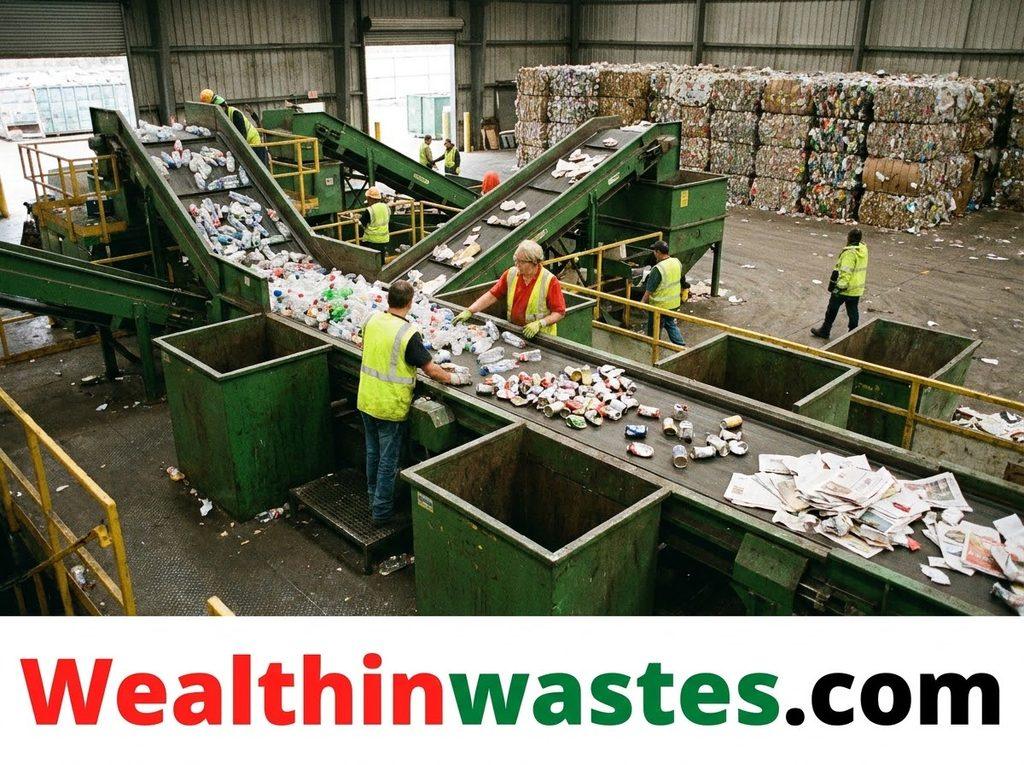
Recycling is a waste minimization approach that recovers useful materials from waste streams and directs them toward beneficial applications instead of immediate disposal.
Recycling can occur within the same production process, elsewhere within an organization, or through external companies capable of transforming recovered materials into useful resources.
The effectiveness of recycling depends on proper separation, material quality, contamination control, collection systems, transportation arrangements, processing technology, market demand, and economic feasibility.
Recycling can reduce the consumption of virgin materials and may lower environmental impacts associated with extracting, processing, transporting, and manufacturing new raw materials.
Organizations should establish clear recovery procedures so recyclable materials are separated before contamination makes them difficult, expensive, or impossible to process effectively.
Workers should understand which materials are recyclable, how they should be separated, where they should be stored, and how recovered materials should be handled safely.
Regular evaluation is important because recycling systems can become ineffective when markets change, material quality declines, collection costs increase, or recovery processes become inefficient.
Proper recycling systems align with resource recovery practices that keep valuable materials in productive use while reducing the amount of waste requiring final disposal.
On-Site Recovery and Reuse
1. On-Site Recovery and Reuse: Waste materials can be reused within the same process or redirected to another useful application inside the organization, reducing disposal and purchasing requirements.
On-site recovery is particularly beneficial because transportation requirements are often lower when materials remain within the same facility rather than being transferred externally.
Recovered materials may include production scraps, reusable containers, process water, packaging components, solvents, metals, plastics, paper, or other materials with suitable characteristics.
Before reuse, organizations should evaluate material quality and ensure that recovered substances do not introduce contamination, safety risks, product defects, or regulatory concerns.
2. Production of Useful By-Products: Waste generation processes can sometimes be redesigned so discarded materials become usable by-products for other applications within or outside the organization.
Creating useful by-products requires understanding waste composition, potential markets, processing requirements, storage conditions, transportation needs, and quality standards associated with alternative uses.
Successful by-product recovery can reduce disposal costs while generating additional economic value, improving material efficiency, and creating productive relationships between organizations with complementary resource requirements.
This principle is also reflected in resource recovery techniques that treat discarded materials as potential inputs rather than automatically regarding them as materials without further value.
Read Also: Definition and Waste Minimization/Reduction Process
Product Modification
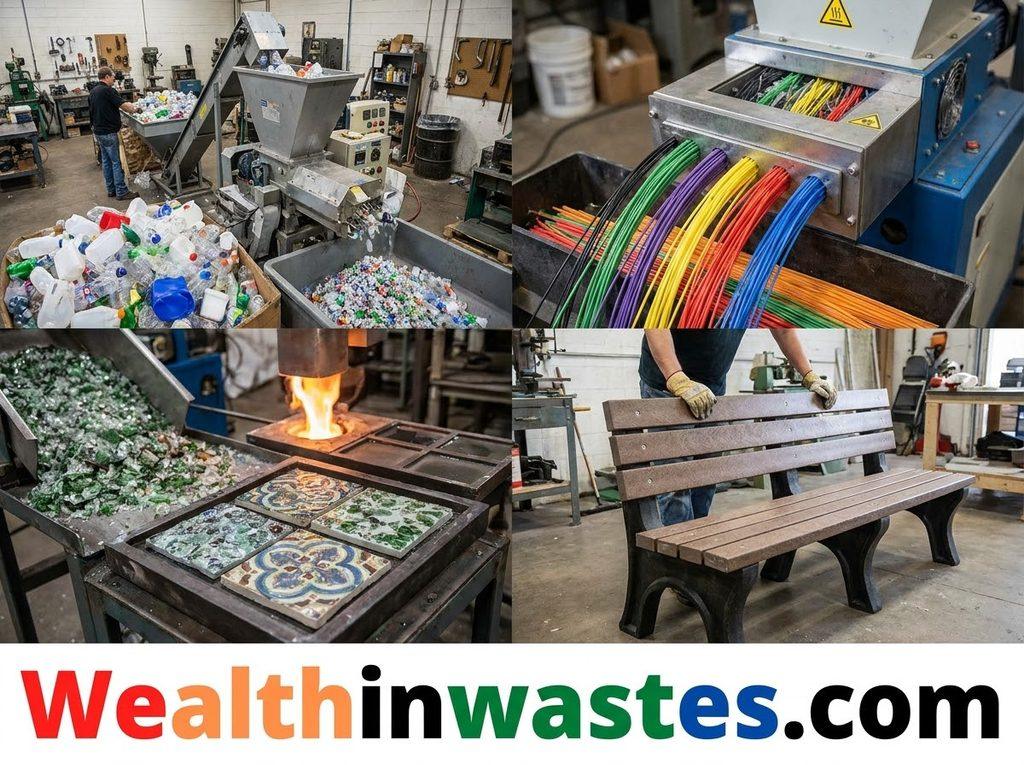
Product modification involves changing product characteristics, composition, design, packaging, durability, or manufacturing requirements to reduce environmental impacts during production, use, and disposal.
Product designers can consider waste generation during the entire product life cycle rather than concentrating only on conditions occurring inside the manufacturing facility.
Durable products may reduce replacement frequency, while simpler designs can sometimes require fewer materials, less packaging, fewer production steps, and reduced resource consumption.
Packaging changes can also contribute significantly by reducing unnecessary materials, minimizing protective layers, improving packaging efficiency, and encouraging reusable or recyclable packaging systems.
Material selection is important because less toxic, recyclable, renewable, durable, or efficiently processed materials can reduce environmental impacts associated with product manufacture.
Product modification should never compromise essential performance, safety, reliability, or customer requirements because unsuitable products may create additional waste through damage, rejection, replacement, or premature disposal.
Design teams should therefore collaborate with production engineers, environmental specialists, procurement personnel, suppliers, quality professionals, and customers when evaluating product modifications.
Organizations can also consult broader waste management principles when evaluating how product design decisions influence resource consumption, waste generation, recovery opportunities, and final disposal requirements.
Benefits of Applying Waste Minimization Techniques
Waste minimization can reduce operating costs by lowering purchases of raw materials, reducing rejected products, decreasing disposal expenses, and improving the overall productivity of production systems.
It can also improve environmental performance by reducing the quantity of waste released into landfills, water bodies, soil environments, and atmospheric systems.
Efficient resource use helps organizations conserve materials, energy, water, and other inputs while supporting production systems that generate more useful output from fewer resources.
Waste minimization can improve workplace organization because good housekeeping, systematic monitoring, proper storage, and efficient material handling reduce clutter and operational confusion.
Organizations may also strengthen regulatory compliance because preventing unnecessary waste generation reduces the volume of materials requiring controlled storage, transportation, treatment, and disposal.
Waste minimization can encourage innovation by motivating employees and managers to identify better production methods, alternative materials, improved equipment, and more efficient operational practices.
In addition, effective waste reduction supports circular economy practices by keeping useful resources in circulation through prevention, reuse, recycling, recovery, and productive by-product utilization.
The principles also apply beyond factories, as shown by modern solid waste management practices that emphasize responsible handling, recycling, recovery, and efficient management across different waste streams.
Waste minimization should therefore be viewed as a continuous management strategy requiring regular assessment, employee participation, technological improvement, performance measurement, and corrective action whenever opportunities for reduction arise.
Implementation of Waste Minimization Techniques
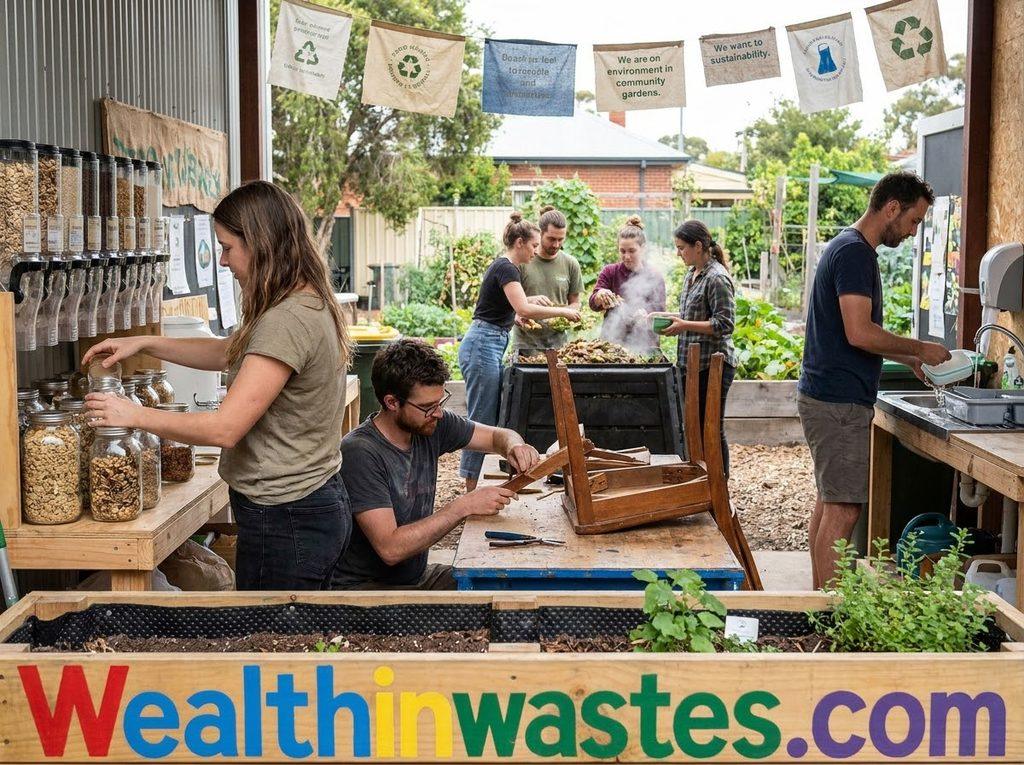
Successful implementation begins with identifying major waste streams and determining where materials, energy, water, packaging, or production time are being lost unnecessarily.
Organizations should establish measurable objectives because specific targets make it easier to evaluate progress and determine whether selected waste minimization techniques are delivering meaningful improvements.
Employees should participate in implementation because operators often understand production problems closely and can provide practical suggestions for preventing waste and improving workplace efficiency.
Training should explain waste prevention methods, material handling requirements, inspection procedures, recycling responsibilities, equipment operation, housekeeping practices, and the environmental importance of minimizing waste.
Management should provide appropriate resources for implementation, including suitable equipment, maintenance support, monitoring systems, storage facilities, training materials, and reliable performance records.
Waste reduction initiatives should be reviewed periodically because changing technologies, production volumes, material costs, regulations, markets, and product requirements can create new opportunities.
Organizations should document successful practices and use performance information to expand effective measures throughout departments, facilities, supply chains, and other relevant operational areas.
Where biological waste is involved, approaches such as biotechnology-based waste management and resource recovery can provide additional opportunities for reducing waste quantities and creating useful products.
Continuous improvement is essential because waste minimization is not a single project but an ongoing process that should evolve with operational conditions, available technologies, and organizational objectives.
Summary on Waste Minimization Techniques and Processes
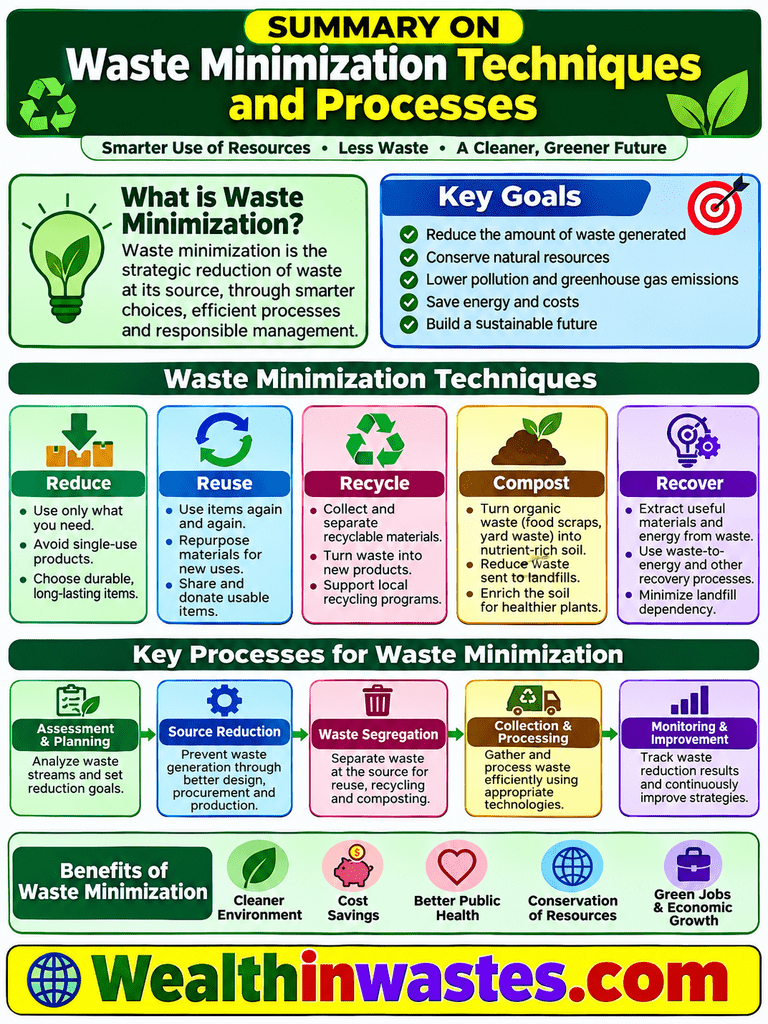
| Technique | Main Purpose | Key Approach |
|---|---|---|
| Quality Control | Reduce defective output | Inspection, monitoring, corrective action |
| Waste Exchanges | Reuse unavoidable waste | Transfer useful materials to another process |
| Point of Use | Reduce handling losses | Deliver materials directly where used |
| Source Reduction | Prevent waste at origin | Housekeeping, material and process improvements |
| Recycling | Recover useful materials | Reuse, recovery, and material processing |
| Process Change | Improve production efficiency | Modify inputs, controls, equipment, or technology |
| Product Modification | Reduce product-related impacts | Improve design, materials, and packaging |
Waste minimization combines preventive, operational, technological, and recovery measures that reduce unnecessary waste while improving resource efficiency, environmental performance, production reliability, and long-term organizational sustainability.
Frequently Asked Questions About Waste Minimization Techniques and Processes
1. What is waste minimization? Waste minimization is the systematic reduction of waste generation through prevention, efficient resource use, reuse, recycling, process improvement, and other practical management measures.
2. Why is source reduction important? Source reduction prevents waste before it occurs, conserving raw materials, reducing disposal requirements, lowering operating costs, and limiting environmental impacts associated with waste management.
3. What are waste exchanges? Waste exchanges occur when unwanted material from one production process becomes a useful raw material, input, or resource for another productive process.
4. How does point-of-use delivery minimize waste? Point-of-use delivery reduces unnecessary handling, temporary storage, protective packaging, internal movement, damage, and other material losses associated with conventional delivery arrangements.
5. What is good housekeeping in waste minimization? Good housekeeping involves maintenance, inspections, proper supervision, training, organized workplaces, clear procedures, and careful handling practices that prevent spills, leaks, losses, and unnecessary waste.
6. How does process modification reduce waste? Process modification improves operating procedures, equipment settings, production technologies, material inputs, and control systems so that operations generate fewer defects, residues, emissions, and losses.
7. What is the role of recycling in waste minimization? Recycling recovers useful materials from waste streams, reduces disposal quantities, conserves resources, and allows recovered materials to return to productive applications.
8. How can product modification reduce waste? Product modification can reduce waste through better design, durable materials, simpler construction, efficient packaging, recyclable components, and reduced material requirements throughout the product life cycle.
9. Can waste minimization reduce business costs? Yes, effective waste minimization can lower raw material purchases, disposal expenses, energy consumption, production losses, rejected products, handling requirements, and other avoidable operating costs.
10. Is waste minimization better than disposal alone? Waste minimization is generally preferable because preventing waste reduces the amount requiring collection, treatment, recycling, transportation, or final disposal after generation.
Do you have any questions, suggestions, or contributions? If so, please feel free to use the comment box below to share your thoughts.We also encourage you to kindly share this information with others who might benefit from it. Since we can’t reach everyone at once, we truly appreciate your help in spreading the word. Thank you very much for your support and for sharing!
Read Also: Management of Nigerian Soils in Agriculture