


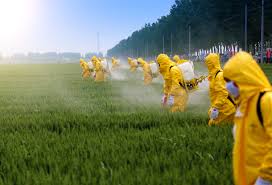
The use of pesticides has transformed modern agriculture by helping control insects, weeds, fungi, rodents, and other organisms that threaten crops, stored food, livestock, and public health worldwide today and communities.
However, the benefits of chemical pest control also create risks when hazardous products are poorly selected, excessively applied, inadequately labelled, improperly stored, or used without effective regulatory oversight and worker training.
Trade in hazardous chemicals has raised international concern because products restricted in one market can remain available elsewhere, particularly where regulatory systems have fewer resources for testing, monitoring, enforcement, and public education.
Pesticide problems also extend beyond applicators. Residues can move through soil, water, air, crops, livestock, and food chains, creating exposure opportunities for workers, consumers, nearby communities, wildlife, and non-target organisms.
Historical pesticide controversies show why product toxicity, application practices, corporate responsibilities, government oversight, and international trade controls must be considered together when assessing pesticide-related risks and regulatory weaknesses across countries.
Why Hazardous Pesticides Raise Global Concern
Concerns about hazardous pesticides arise when chemical hazards combine with frequent exposure, poor handling, inadequate protective measures, or weak controls over manufacture, sale, application, and disposal across agricultural systems and communities.
Workers who mix, load, transport, or spray pesticides can face repeated contact through inhalation, skin absorption, eye exposure, or accidental ingestion. The routes of pesticide exposure therefore matter greatly during routine work.
Consumers may encounter residues through food, while communities can experience contamination when sprays drift, chemicals enter water, or poorly managed wastes reach homes, farms, markets, and public spaces regularly today.
Public concern also grows when monitoring information is limited or difficult to understand. Transparent testing and communication can help distinguish the presence of a residue from the level and duration of exposure.
Fresh produce illustrates this issue because application rates, timing, weather, crop characteristics, and harvest intervals can influence residues. Understanding pesticide residues in fruits and vegetables supports better food-safety decisions at harvest.
These concerns do not mean every pesticide application produces harmful exposure. Risk depends on the product, dose, exposure pathway, duration, and safeguards used before, during, and after application properly when needed.
The seriousness of a pesticide hazard also depends on exposure conditions. A highly toxic substance may create different practical risks than a less toxic product when quantities, duration, or exposure routes differ.
Regulatory systems therefore need to consider both hazard and exposure rather than relying on product toxicity alone. This approach helps authorities set controls that address actual use patterns and vulnerable populations.
How Weak Regulations Increase Pesticide Risks
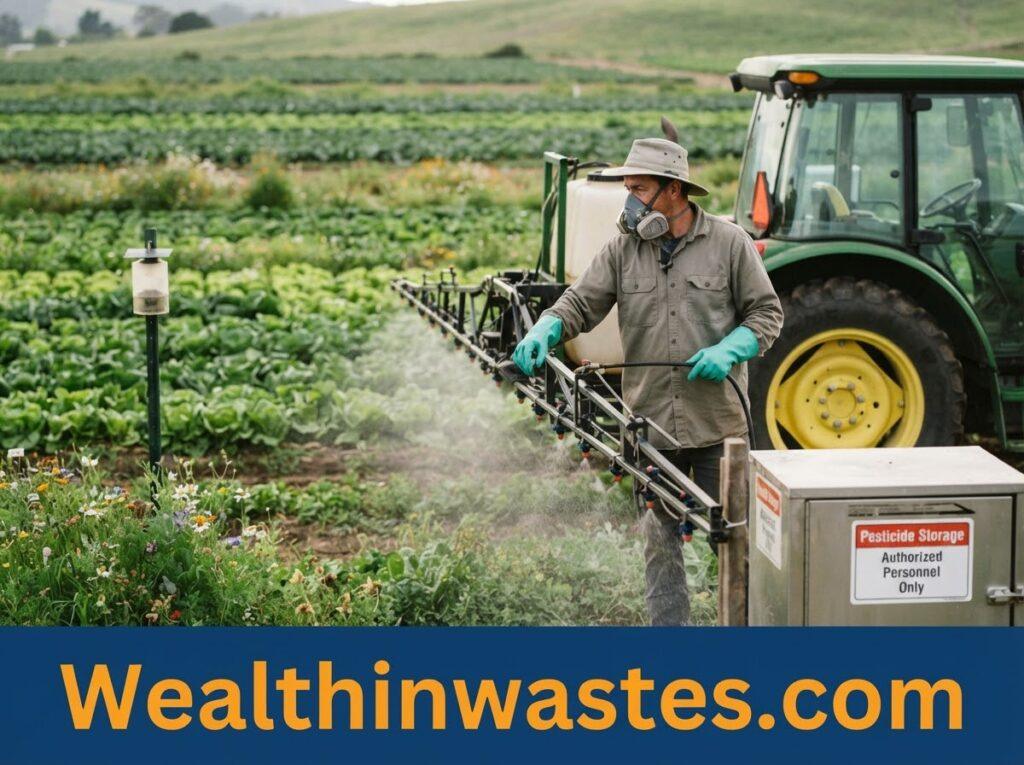
Regulatory weakness does not necessarily mean that no pesticide rules exist. Problems can arise when laws are incomplete, standards differ between jurisdictions, agencies lack resources, or enforcement remains inconsistent in practice.
1. Product Controls: Authorities need reliable registration, hazard assessment, labelling, and restrictions for pesticides that present unacceptable risks. Weak product controls can allow unsuitable chemicals to remain available, mislabelled, or poorly monitored.
2. Training Requirements: Effective rules should support training for pesticide handlers, retailers, inspectors, and emergency responders. Stronger competence standards can reduce misuse, accidental exposure, unsafe storage, and poor disposal practices across agricultural operations.
3. Monitoring Systems: Regulators need practical systems for residue testing, environmental sampling, inspections, incident reporting, and corrective action.The absence of consistent monitoring can make violations difficult to detect and trends difficult to evaluate.
4. Enforcement Capacity: Rules have limited practical value when agencies cannot inspect facilities, investigate complaints, verify records, or apply meaningful sanctions. Sustainable enforcement requires funding, trained personnel, clear responsibilities, and institutional coordination.
5. International Coordination: Cross-border chemical trade requires communication about product hazards, regulatory restrictions, and safe handling expectations. Cooperation can reduce information gaps when pesticides move between countries with different standards and enforcement capacities.
Safe regulatory practice also needs controls beyond product registration. Requirements for transport, emergency preparation, protective measures, and workplace procedures help connect legal standards with everyday pesticide handling.
For example, practical guidance on safe pesticide transportation can reduce spills, damaged containers, accidental exposure, and unsafe storage during movement between farms, stores, distributors, and application sites.
Lessons From The Tris Scandal
In the United States, the Tris controversy in 1977 became an important example of how domestic restrictions can expose weaknesses in international trade controls. The chemical had been used in clothing treatment.
The Consumer Product Safety Commission identified Tris as a carcinogen and banned its use in the United States market. Manufacturers subsequently exported Tris-treated garments, raising questions about protections for overseas consumers.
The episode prompted debate about whether exporters should disclose hazardous products that domestic rules had restricted. It also demonstrated how legal authority can become complicated when a product crosses national borders.
Subsequent reforms introduced requirements intended to improve tracking and notification of hazardous exports. However, the broader lesson remained that information alone cannot protect consumers without effective oversight in importing markets.
The Tris case therefore remains relevant to pesticide governance because it highlights the importance of coordinated product controls, export information, destination-country safeguards, and accountability throughout international chemical trade and international markets.
International chemical trade can become especially challenging when exporters and importers operate under different standards. A product may satisfy one jurisdiction’s requirements while creating stricter concerns in another market under those circumstances.
Effective governance must therefore address the entire supply chain, including manufacturers, exporters, importers, distributors, users, regulators, and waste handlers. Responsibility cannot end when a product leaves its original country in practice.
Environmental protection must also accompany trade controls because chemical releases can contribute to land pollution and environmental damage when contaminated materials, residues, or wastes receive inadequate management.
Such concerns are broader than pesticide registration alone. They connect chemical governance with the wider sources and types of environmental pollution that regulators and communities must monitor.
What The Alar And Grape Crises Showed
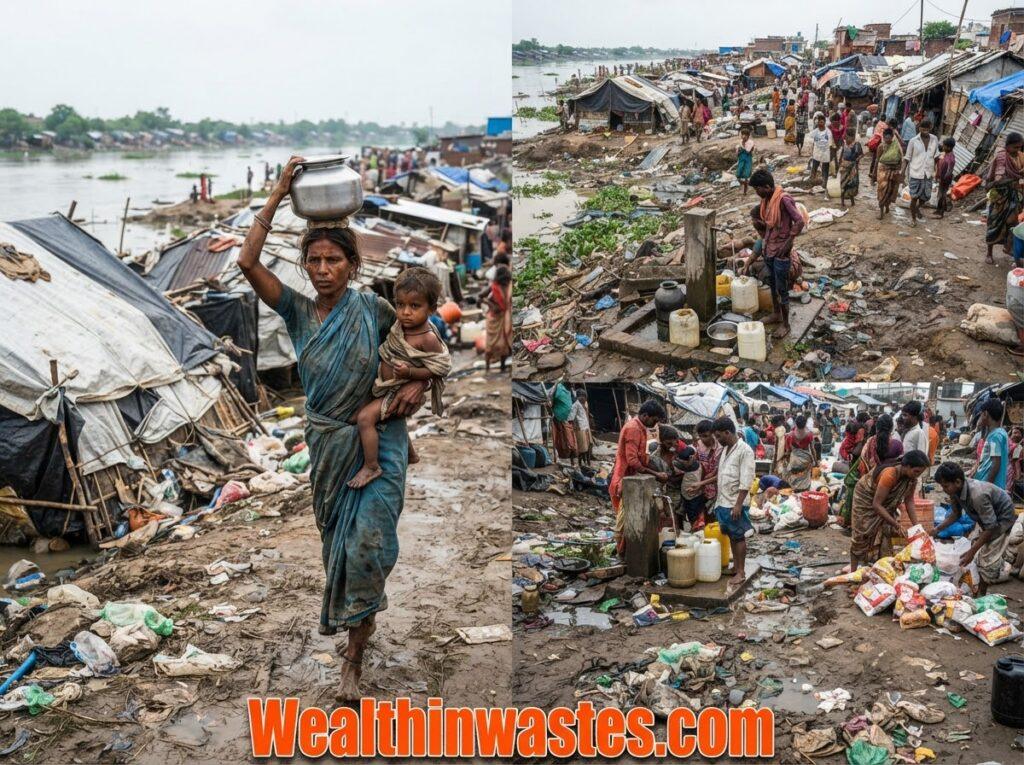
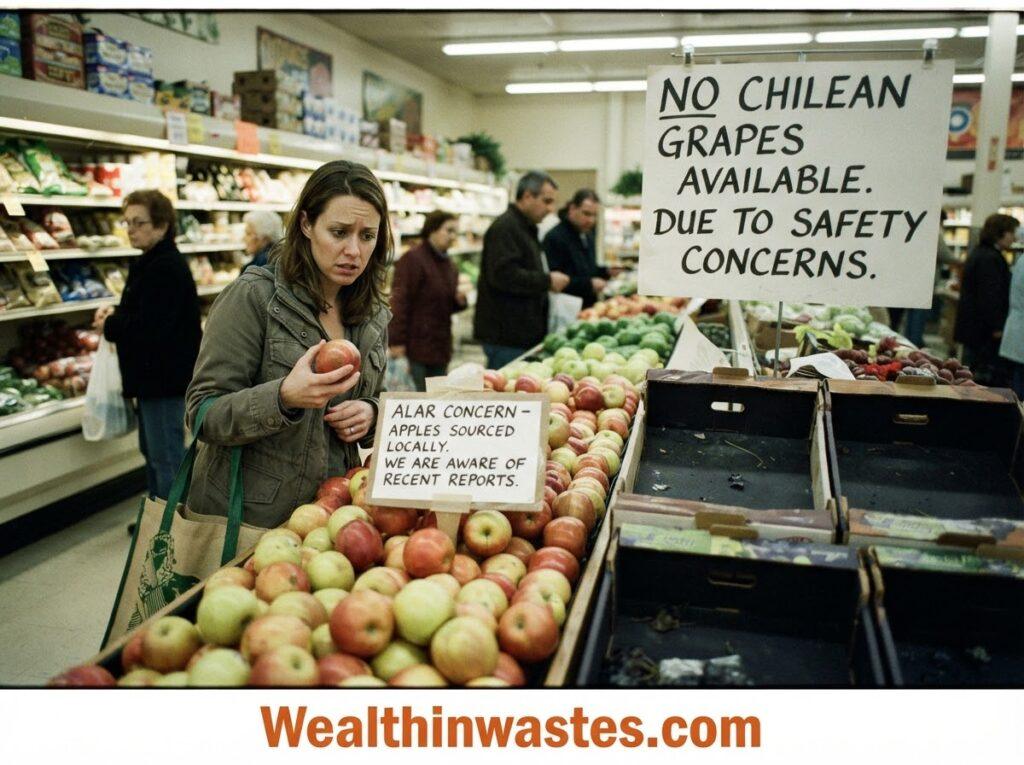
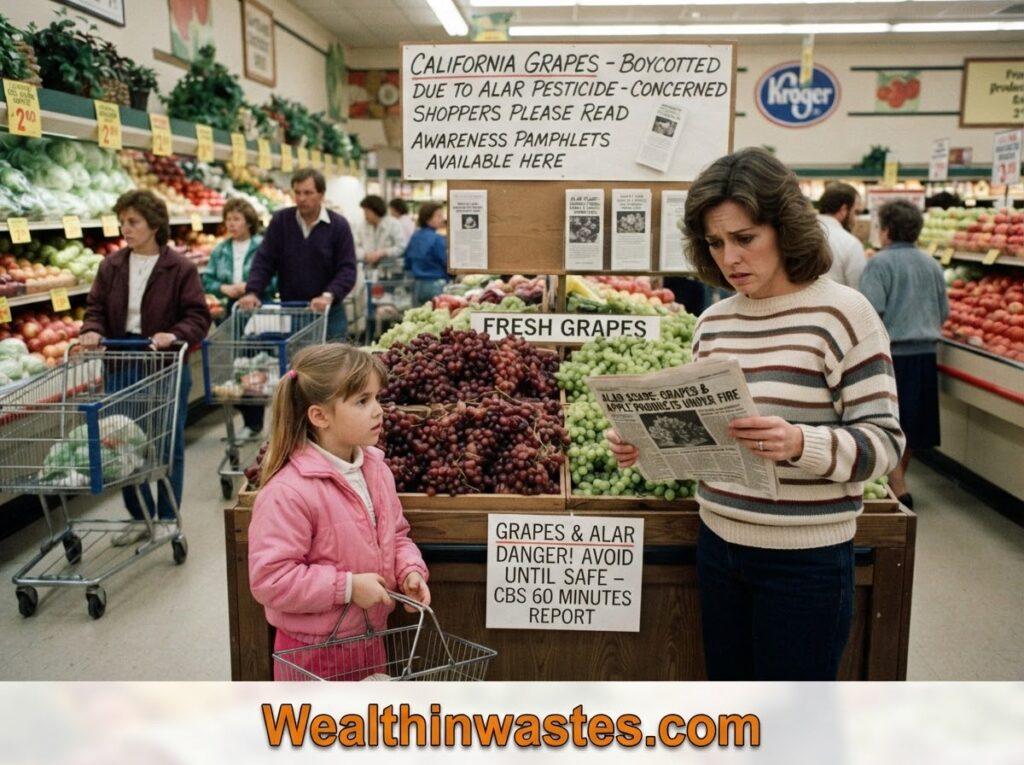
The Alar and Chilean grape crises of 1989 provided further examples of concerns surrounding chemical contamination, imported food, regulatory decisions, and the limits of inspection systems during periods of uncertainty.
Alar was a trade name for a chemical used mainly on red eating apples. The source material states that the Environmental Protection Agency suspected cancer risks before decisive regulatory action occurred.
The manufacturer eventually withdrew Alar voluntarily following intense public concern. The episode illustrates how scientific evidence, regulatory thresholds, industry decisions, public communication, and consumer confidence can interact during chemical controversies.
The Chilean grape incident involved cyanide contamination rather than an approved agricultural pesticide treatment. The FDA investigated after receiving an anonymous tip and detected contaminated grapes among imported products in that case.
The subsequent food alert demonstrated the challenge of protecting consumers when authorities must assess thousands of shipments while responding to specific contamination events. Limited inspection capacity can leave difficult gaps between alerts and routine controls.
Together, these cases show why food contamination sources require preventive systems, reliable surveillance, traceable supply chains, clear responsibilities, and rapid communication when chemical hazards threaten food safety across farms and food chains.
International food trade also requires coordinated surveillance because contamination can occur during production, treatment, storage, packaging, transport, or distribution. Each stage creates opportunities for residues or other hazards to enter food chains.
These concerns also overlap with land pollution and its composition, especially where chemicals move from farms, storage areas, or disposal sites into surrounding soils and environmental compartments.
Major Gaps In Pesticide Regulation
1. Agency Fragmentation: Several institutions may share responsibilities for pesticides, food, water, labour, and environmental protection. Overlapping mandates can slow investigations, create inconsistent decisions, and make accountability difficult when problems cross regulatory boundaries.
2. Cross-Border Jurisdiction: National authorities may have limited control over production or corporate activity occurring abroad. This creates enforcement challenges when hazardous substances move through international supply chains before reaching consumers.
3. Industry Influence: Chemical manufacturers, agricultural interests, and trade groups can participate strongly in policy debates. Their views may inform regulation, but regulators also need independent evidence, transparent procedures, and safeguards against conflicts of interest.
4. Resource Limitations: Effective regulation requires laboratories, inspectors, trained staff, reliable records, and funding. Where these resources remain scarce, authorities may struggle to test products, monitor residues, investigate incidents, or enforce safety requirements consistently.
5. Data Transparency: Regulators need accessible information about registrations, restrictions, monitoring results, violations, and corrective actions. Clear records help researchers and communities understand where risks occur and whether regulatory measures produce measurable improvements.
Understanding chemical movement can also strengthen regulatory decisions. Information about pesticide properties affecting mobility helps authorities identify products that may move readily beyond intended application areas.
Soil conditions matter as well because texture, organic matter, moisture, structure, and pH can influence chemical movement. The soil properties affecting pesticide mobility should therefore inform environmental assessment.
Regulators should also examine local conditions before approving or restricting uses because rainfall, groundwater depth, geology, temperature, wind, and evaporation can influence pesticide movement at specific application sites.
These factors are particularly important when authorities assess sensitive locations. The site conditions affecting pesticide mobility can determine whether residues remain near the target or travel toward vulnerable resources.
Effects On Food, Water, And Communities
1. Food-Chain Exposure: Improper pesticide use can leave residues on crops or move chemicals into feed and animal products. Monitoring helps identify contamination and supports compliance with applicable food-safety limits where required.
2.Water Contamination: Runoff, spills, drainage, leaching, and atmospheric deposition can transport pesticides into rivers, ponds, reservoirs, and groundwater. Preventing movement at the source reduces wider environmental exposure for ecosystems and communities.
3. Soil And Ecosystem Effects: Pesticides can alter organisms living in soil and affect non-target plants, insects, birds, fish, and other wildlife. Persistence and mobility determine how long contamination remains environmentally relevant.
4. Community Exposure: People who never handle pesticides can still encounter residues through drift, contaminated surfaces, water, food, or waste. Strong safeguards therefore need to protect surrounding communities as well as workers.
5. Environmental Monitoring: Environmental monitoring can reveal contamination that routine farm inspections miss. Testing water, soil, sediment, food, and biological samples provides evidence about where residues occur and whether controls work effectively.
6. Long-Term Concerns: Long-term concerns depend on chemical persistence, repeated use, environmental transport, and exposure patterns. A single detection cannot describe every risk, so assessment should consider concentration, duration, pathways, and affected populations.
Monitoring food commodities is particularly important because harvested products can carry residues beyond farms. Concerns about pesticide residues in cereals and pulses therefore require appropriate testing and agricultural controls.
Livestock can also encounter pesticide residues through contaminated feed, forage, drinking water, treated facilities, or direct environmental contact. These pathways are discussed further through sources of pesticide residue contamination in animal products.
Animal exposure deserves attention because different species can metabolize pesticides differently. The documented effects of pesticide residues on livestock animals demonstrate why species-specific responses should remain part of risk assessment.
Practical Ways To Strengthen Pesticide Governance
1. Risk-Based Registration: Regulators should evaluate toxicity, exposure, environmental persistence, and intended uses before authorizing products. Registration systems should also allow restrictions or reassessment when credible evidence changes the understanding of risk.
2. Transparent Monitoring: Regular testing of food, water, soil, and workplace conditions can reveal emerging contamination problems. Publishing understandable results supports accountability while helping farmers, businesses, researchers, and communities respond appropriately.
3. Secure Waste Management: Unused pesticides, contaminated materials, and empty containers require controlled handling and disposal. Clear procedures reduce accidental releases and prevent hazardous residues from entering ordinary waste streams, drains, or waterways.
4. Coordinated Enforcement: Agencies should clarify responsibilities for agriculture, public health, food safety, labour, and environmental protection. Joint inspections, shared information, and consistent penalties can reduce gaps that arise when responsibilities overlap.
5. Public Participation: Communities need understandable information about pesticide hazards, monitoring results, complaint channels, and emergency contacts. Meaningful public involvement can strengthen accountability and help regulators identify local problems that routine inspections overlook.
Waste control is part of pesticide governance because contaminated containers and leftover chemicals can remain hazardous after field application. Proper guidance on pesticide container disposal reduces avoidable environmental contamination.
Households may also retain unwanted agricultural chemicals or pesticide-containing products. Understanding household hazardous waste helps communities keep these materials away from general refuse, drains, food areas, children, and unauthorized handlers.
Read Also: Legislative Basis for Pesticide Regulation
How Farmers Can Reduce Pesticide Risks
1. Follow Approved Labels: Users should select registered products, read every label instruction, and apply only the stated rate, crop, target pest, and timing. More chemical does not automatically provide better control.
2. Protect The Application Area: Farmers should check weather, avoid spraying during unsuitable conditions, maintain equipment, and protect wells, streams, homes, livestock, and sensitive habitats through careful soil and water stewardship.
3. Manage Products Securely: Chemicals should remain in labelled containers, away from food, feed, medicines, children, and unauthorized users. Secure storage also reduces leaks, accidental mixing, theft, and unplanned exposure during normal operations.
4. Handle Waste Responsibly: Leftover mixtures, contaminated materials, and containers should follow approved disposal procedures rather than entering drains, open land, watercourses, or ordinary household waste. Proper records support safer farm chemical management.
5. Treat Fumigants Carefully: Fumigant products require particular attention to storage, ventilation, transport, application areas, and emergency procedures. Users should follow approved instructions and prevent access by people or animals without authorization.
Fumigant management deserves special attention because some products can create serious exposure hazards if containers, valves, storage spaces, or application areas receive poor controls. Safe procedures should therefore remain consistent from storage through disposal.
Farmers and pesticide handlers can also benefit from practical guidance on storing, handling, and disposing of fumigants, especially where products require controlled access and carefully managed ventilation.
Responsible pesticide use should also include accurate application records, equipment maintenance, incident reporting, and appropriate worker training. These practices make it easier to identify recurring problems and correct weaknesses before they cause wider contamination.
Farm-level precautions cannot replace strong regulation, but they can reduce exposure while authorities improve registration, monitoring, inspections, enforcement, and public communication. Safe agricultural practice works best when individual and institutional controls operate together.
Summary on Concerns about Hazardous Pesticides and Weak Regulations
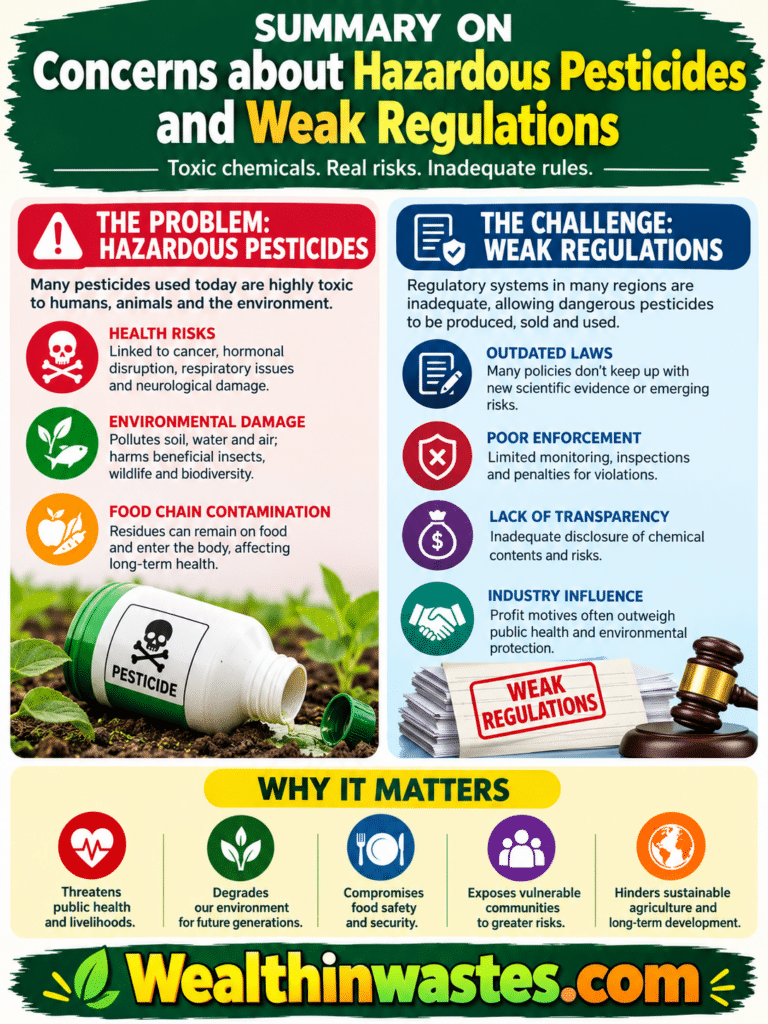
| Section | Main Idea | Why It Matters |
|---|---|---|
| Global Concerns | Hazard, exposure, residues, and trade create interconnected pesticide concerns. | Supports broader understanding of human and environmental risks. |
| Weak Regulations | Gaps can involve registration, training, monitoring, enforcement, and coordination. | Weak controls can allow preventable risks to continue. |
| Tris Scandal | Domestic restrictions can expose weaknesses in international chemical trade. | Shows why export and import controls need coordination. |
| Alar And Grape Crises | Food controversies can expose limits in surveillance and inspection systems. | Demonstrates the importance of preventive food-safety controls. |
| Regulatory Gaps | Agency fragmentation, jurisdiction, resources, influence, and transparency remain important issues. | These factors affect practical enforcement and accountability. |
| Environmental Effects | Pesticides can move into food, water, soil, ecosystems, and communities. | Broader exposure pathways require integrated monitoring. |
| Governance Solutions | Registration, monitoring, waste control, enforcement, and public participation strengthen systems. | Combined measures can improve prevention and accountability. |
| Farm Practices | Label compliance, safe storage, targeted application, and proper disposal reduce exposure. | Good practice lowers avoidable risks during pesticide use. |
Frequently Asked Questions About Hazardous Pesticides and Weak Regulations: Key Concerns
1. What are hazardous pesticides?
These are pesticide products or active ingredients that can present significant health or environmental hazards because of their toxicity, exposure potential, persistence, or effects on people and non-target organisms.
2. How can weak pesticide regulations increase risk?
Weak regulations can reduce effective product review, monitoring, training, inspection, enforcement, and information sharing, allowing unsafe practices or products to continue without timely corrective action when problems emerge.
3. Does pesticide toxicity alone determine health risk?
No. Health risk also depends on dose, exposure route, duration, frequency, formulation, and individual circumstances. A hazard assessment therefore needs exposure information before estimating practical risk for affected populations.
4. Why are international pesticide controls difficult?
Countries may apply different legal standards, testing requirements, enforcement resources, and trade rules. These differences can create information gaps and complicate accountability when products cross international borders between markets.
5. Can pesticide residues enter the food chain?
Yes. Residues may remain on crops or move through soil, water, feed, livestock, and food processing pathways. Monitoring and approved application practices help reduce unnecessary contamination and exposure across food systems.
6. What can regulators do to strengthen controls?
Authorities can improve registration, independent risk assessment, residue monitoring, inspection, enforcement, public reporting, emergency response, and cooperation between agencies responsible for agriculture, health, food, and environmental protection.
7. What should farmers do to reduce pesticide risks?
Farmers should follow approved labels, use suitable protective measures, maintain equipment, protect water and sensitive areas, store products securely, manage wastes correctly, and keep accurate application records throughout treatment periods.
Do you have any questions, suggestions, or contributions? If so, please feel free to use the comment box below to share your thoughts. We also encourage you to kindly share this information with others who might benefit from it. Since we can’t reach everyone at once, we truly appreciate your help in spreading the word. Thank you very much for your support and for sharing!
Read Also: Safe Handling of Pesticides in Agriculture