


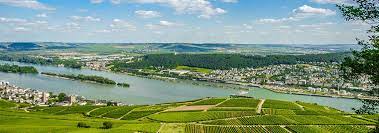
Water is one of the most valuable natural resources on Earth, supporting human survival, agriculture, industry, ecosystems, transportation, sanitation, public health, livelihoods, and economic development across communities and nations worldwide.
Freshwater remains limited despite the abundance of water covering Earth, because much of the planet’s supply occurs in oceans while a smaller share remains available for human and ecological needs.
Water also moves continuously through evaporation, condensation, precipitation, runoff, infiltration, groundwater movement, and surface storage, allowing the hydrologic cycle to renew supplies naturally when water systems remain protected, functional, and balanced.
However, population growth, industrialization, expanding agriculture, pollution, inefficient infrastructure, drought, and climate pressures can increase demand while reducing the quality and dependable availability of accessible freshwater across many regions today.
Proper Water Resource Management therefore requires careful planning, efficient use, pollution prevention, watershed protection, appropriate infrastructure, monitoring, public education, community participation, and cooperation among households, farmers, industries, communities, and responsible authorities.
Water Resource Basics
Water covers roughly 71 percent of Earth’s surface, yet oceans contain most of it as saline water. Freshwater represents only a small fraction, with much stored in ice, groundwater, lakes, and rivers.
Accessible freshwater occurs in rivers, lakes, wetlands, soil moisture, aquifers, glaciers, and the atmosphere. These stores connect through natural processes, so disruption in one location can influence availability, quality, and ecosystem conditions elsewhere.
Surface water forms when precipitation travels across land and enters streams, rivers, wetlands, lakes, reservoirs, and estuaries. Its quantity and quality depend strongly on rainfall, land cover, drainage, and human activities.
A watershed or drainage basin describes the land area that directs surface water toward a common river, lake, wetland, reservoir, or coastal outlet, making watershed conditions important for coordinated resource planning.
Water management decisions should recognize connections between surface water and groundwater because excessive withdrawals, pollution, land degradation, or reduced recharge can affect both systems and weaken long-term water security for communities and ecosystems.
Readers can explore broader water quality conditions to understand how contamination, land use, climate pressures, population growth, and other human activities influence freshwater suitability, ecosystem health, and public water needs.
Likewise, information about classes of water pollutants helps explain why different contaminants require different monitoring, prevention, treatment, and source-control strategies within effective water management and environmental protection programs for freshwater systems.
Read Also: City and Environmental Degradation
Why Proper Water Resource Management Matters
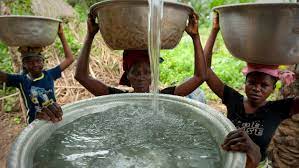
Proper Water Resource Management protects supplies against unnecessary depletion while helping communities meet domestic, agricultural, industrial, ecological, and recreational needs without damaging natural systems that support reliable water availability for future generations.
1. Conserving Available Supplies: Efficient water use reduces avoidable losses from leaking infrastructure, excessive irrigation, careless household practices, and poorly controlled industrial processes, keeping more water available for essential needs.
2. Protecting Public Health: Good resource management limits contamination and supports safe water treatment, sanitation, and source protection, thereby reducing exposure to pathogens, hazardous chemicals, harmful wastes, and other pollutants.
3. Supporting Food Production: Reliable water supplies sustain crops and livestock, while efficient irrigation and soil management help farmers maintain productivity without extracting water faster than natural systems can replenish it.
4.Sustaining Ecosystems: Rivers, wetlands, lakes, groundwater systems, and estuaries provide habitats and ecological services. Maintaining suitable water quantity and quality helps aquatic organisms survive and supports healthy environmental functions.
5. Reducing Economic Losses: Water shortages, contamination, flooding, and damaged infrastructure can disrupt businesses, agriculture, energy production, and public services, creating financial and social costs that responsible planning can reduce or prevent.
Readers examining the economic losses caused by pollution can see how contaminated water and environmental damage can create health, productivity, infrastructure, environmental restoration, and wider social costs for communities and businesses.
Water conservation also strengthens long-term resilience because reducing unnecessary demand gives reservoirs, aquifers, rivers, and treatment systems greater capacity during drought, population growth, emergencies, and periods of supply disruption or infrastructure failure.
Practical conservation approaches are discussed through water conservation practices, including measures that reduce consumption, protect ecosystems, improve efficiency, and strengthen sustainable freshwater use for present and future community needs worldwide.
Main Sources for Water Resources
Water resources come from interconnected natural stores and managed supplies. Understanding each source helps planners match water quality and quantity with intended uses while protecting vulnerable systems from overuse, contamination, seasonal shortages, and infrastructure constraints.
1. Surface Water: Rivers, lakes, reservoirs, wetlands, and streams provide visible water supplies that support drinking, irrigation, industry, fisheries, transport, and ecosystems, although pollution and seasonal variation can reduce reliability.
2. Groundwater: Aquifers store water beneath the land surface and often provide dependable supplies through wells and boreholes. Careful pumping remains necessary because replenishment can occur more slowly than withdrawal.
3. Rainfall: Precipitation replenishes reservoirs, soil moisture, rivers, wetlands, and groundwater. Harvesting rainfall can supplement conventional supplies, particularly where seasonal rainfall patterns create shortages during prolonged dry periods and changing weather conditions.
4. Glacial And Snowmelt Water: In colder regions, frozen freshwater stores release water during melting periods, supporting rivers and downstream ecosystems. Changes in temperature can alter seasonal availability and flow patterns.
5. Reclaimed Water: Properly treated wastewater can support non-potable purposes such as irrigation, industrial processes, landscaping, or environmental uses, reducing pressure on higher-quality freshwater sources when health standards and regulations permit.
The public water supply requires treatment and distribution systems that protect source water and deliver water suitable for intended community uses while limiting leakage, contamination, operational losses, and avoidable service interruptions.
For drinking purposes, water treatment for production helps remove contaminants or reduce their concentrations so water meets appropriate quality requirements for safe, reliable, and consistent intended use in communities and facilities.
Managing Growing Water Demand

Water demand rises as populations expand, cities grow, agriculture intensifies, industries develop, and household consumption increases. Effective management must therefore balance present needs with the sustainable capacity and resilience of water systems.
Urbanization often increases demand because households, businesses, sanitation systems, construction activities, and public services require dependable supplies. Leaking networks and inefficient fixtures can further increase withdrawals without delivering additional useful services.
Agriculture can create substantial demand, particularly where rainfall is seasonal or unreliable.Efficient irrigation, soil moisture monitoring, appropriate scheduling, drainage, crop selection, and maintenance can help reduce unnecessary applications and water losses.
Communities facing scarcity also need to consider affordability and access because physical availability does not guarantee that households can obtain sufficient safe water through dependable, affordable, and well-maintained supply systems.
Research on the social and economic causes of water scarcity illustrates how poverty, infrastructure limitations, pricing, drought, environmental conditions, weak services, and unequal access can intensify the effects of water shortages.
Demand management works best when users can measure consumption, identify waste, maintain infrastructure, repair leaks quickly, reuse suitable water, and adopt practices that provide the same service with less freshwater.
Water-use charges can also encourage conservation when they accurately reflect service costs and remain designed with affordability, transparency, fairness, and equitable access considerations appropriate to the community being served over time.
Understanding water bills and consumption can help users connect daily habits with measured demand, service charges, wastewater costs, conservation responsibilities, leakage concerns, and unusual increases in household consumption over time.
Practical Water Resource Management Methods
Effective water management combines conservation, infrastructure improvement, pollution prevention, monitoring, treatment, demand control, and protection of natural recharge areas. These practical methods provide a strong foundation for efficient, sustainable water use.
1. Reduce Unnecessary Use: Repair leaks, improve fixtures, monitor consumption, and avoid wasteful practices in households, farms, industries, and public facilities so withdrawals better match actual needs and service requirements.
2. Improve Irrigation Efficiency: Farmers can reduce losses by using suitable irrigation systems, scheduling applications carefully, maintaining pipelines, and matching water delivery with crop requirements and prevailing soil moisture conditions.
3. Reuse Suitable Water: Treated wastewater and other appropriate non-potable sources can serve selected purposes, reducing demand for higher-quality freshwater when treatment standards, health protections, and local regulations support reuse.
4. Protect Recharge Areas: Conserving wetlands, permeable land, vegetation, and natural drainage pathways can support groundwater recharge, moderate runoff, reduce erosion, and improve the resilience of connected surface and groundwater systems.
5. Maintain Water Infrastructure: Regular inspection and timely repairs prevent leakage, protect treatment performance, reduce breakdowns, and improve the reliability of systems that collect, transport, store, treat, and distribute water.
Reliable treatment systems also depend on maintenance, which is explained through wastewater treatment unit maintenance practices that support effective operation, reduce avoidable failures, preserve treatment performance, and extend equipment service life.
Managers can improve system planning by studying wastewater characteristics and flow rates, because changing volumes and pollutant loads affect treatment capacity, conservation planning, operational design, maintenance requirements, and disposal decisions.
Additional planning should include emergency measures for droughts, floods, contamination events, infrastructure failures, and sudden demand increases, ensuring response arrangements protect essential users while limiting unnecessary environmental damage during stressful conditions.
Protecting Water Quality and Watersheds

Water quantity alone cannot provide security when pollution makes supplies unsafe or unsuitable. Proper Water Resource Management must protect watersheds, control contaminant sources, maintain systems, and monitor changing water-quality conditions.
1.Control Pollution Sources: Preventing contaminants at their origin reduces burdens on rivers, groundwater, wetlands, and treatment facilities. Households, farms, and industries should manage chemicals, waste, sewage, and runoff responsibly.
2. Manage Agricultural Runoff: Fertilizers, pesticides, eroded soil, and animal wastes can enter water through runoff. Better application practices, vegetation buffers, soil conservation, and drainage management help reduce contaminant movement.
3. Treat Wastewater Properly: Wastewater treatment removes pollutants before discharge or reuse. Appropriate treatment levels depend on influent characteristics, intended reuse, receiving environments, health protection needs, and applicable regulatory requirements.
4. Monitor Water Quality: Regular testing can identify changes in physical, chemical, and biological conditions. Monitoring data help managers recognize pollution trends, assess risks, evaluate treatment, and guide corrective actions.
5. Protect Watersheds: Vegetation, wetlands, drainage channels, riparian areas, and soil conservation measures can reduce erosion and pollutant transport while supporting groundwater recharge and stabilizing water flows across connected landscapes.
A practical water pollution control framework can help managers identify problems, categorize priorities, coordinate solutions, monitor risks, assign responsibilities, and connect water quality protection with broader resource-management objectives and planning.
Source prevention also matters because pollution prevention measures can reduce contamination before pollutants reach water bodies, lowering treatment pressures while protecting human health, agriculture, fisheries, wildlife, and important ecological uses.
Understanding broader pollution abatement approaches also helps managers combine source reduction, treatment, monitoring, compliance, and prevention to protect freshwater from repeated contamination and unnecessary treatment burdens across connected water systems.
Where wastewater treatment becomes necessary, process selection matters because treatment systems must address specific pollutant characteristics rather than relying on one universal approach for every discharge, facility, and receiving environment.
Water Resource Management in Key Sectors
Different sectors depend on water in different ways, so management strategies should reflect their patterns of consumption, quality requirements, discharge risks, operational priorities, infrastructure needs, and opportunities for conservation and reuse.
In agriculture, water management should coordinate rainfall, irrigation, soil conditions, drainage, crop needs, and available supplies. Efficient application can maintain production while reducing evaporation, runoff, deep percolation, and salinity risks.
Agricultural activities can also affect water quality because fertilizers, pesticides, sediments, animal wastes, and irrigation return flows may enter surface or groundwater when land practices lack effective controls, buffers, drainage planning, and monitoring.
Industries use water for processing, cleaning, cooling, steam generation, equipment operation, and product manufacture. Facilities can reduce demand by improving process efficiency, repairing leaks, recycling suitable water, and controlling effluent discharges.
Industrial water protection becomes more important when wastes contain hazardous substances. Effective management should separate contaminated streams, treat appropriate effluents, monitor discharges, and prevent accidental releases into receiving waters and surrounding ecosystems.
Facility managers can review wastewater impacts and disposal requirements to understand how untreated or inadequately treated discharges can affect ecosystems, public health, receiving waters, agriculture, and surrounding communities over time.
Good planning also considers wastewater treatment system design, including process sequencing, unit sizing, operational demands, maintenance requirements, flow variation, safety considerations, and the quality targets expected from treatment processes at each stage.
For systems that rely on settling, understanding sedimentation processes helps explain how suspended solids, sludge, grease, and other materials can be separated during treatment before later biological, filtration, or polishing stages.
Community and Government Responsibilities
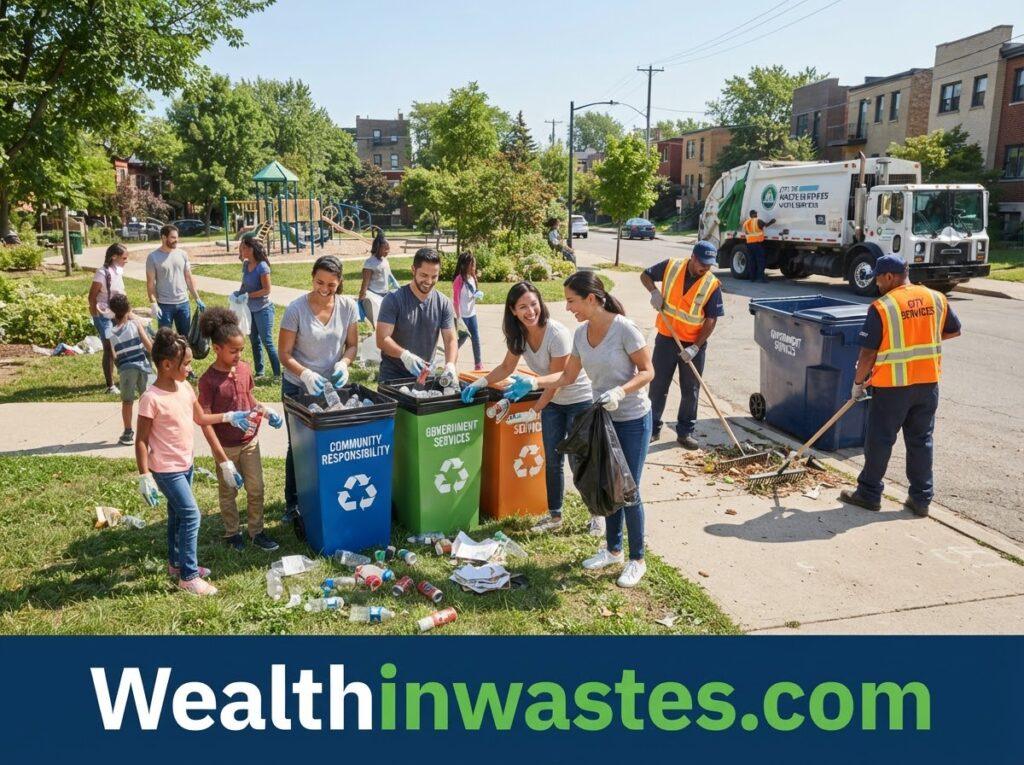
Proper Water Resource Management requires cooperation because water systems cross property boundaries, communities, administrative areas, and ecological zones. Individuals cannot protect shared resources without complementary institutional, regulatory, and community action.
1. Community Participation: Residents can report leaks, prevent dumping, protect local waterways, conserve household water, support sanitation efforts, and participate in decisions affecting shared rivers, wells, wetlands, and drainage systems.
2. Government Planning: Public authorities can establish standards, coordinate water supply, fund infrastructure, monitor environmental conditions, prepare drought responses, and align water policies with public health and sustainable development goals.
3. Institutional Coordination: Water agencies, environmental bodies, health authorities, agricultural institutions, industries, and local governments should share information and coordinate responsibilities where water management problems cross sectoral or administrative boundaries.
4. Environmental Enforcement: Clear rules, monitoring, permits, inspections, and appropriate enforcement can discourage harmful discharges and encourage users to meet established requirements for water protection, wastewater treatment, and resource conservation.
5. Public Education: Water literacy helps people understand scarcity, pollution, conservation, sanitation, and responsible consumption. Good education can turn technical water-management principles into practical actions within homes, schools, and workplaces.
The institutional role in pollution control shows why organizations need clear responsibilities, expertise, data, equipment, coordination, funding, and programs to protect environmental resources and provide dependable public services for communities.
Legal support also matters because environmental policy and legislation provide direction, authority, standards, and enforcement mechanisms for controlling pollution, protecting water resources, and supporting responsible environmental management across different sectors.
Programs should use information about water demand and wastewater generation, including flow estimates from water supply data when direct measurements are unavailable or monitoring is difficult in the planning area.
Long-term planning should connect water protection with sustainable development principles, balancing environmental protection, economic activity, social needs, infrastructure investment, resilience, equity, and future generations within every responsible resource management decision.
Read Also: Environmental Management Best Practices
Summary on Practical Guide to Proper Water Resource Management
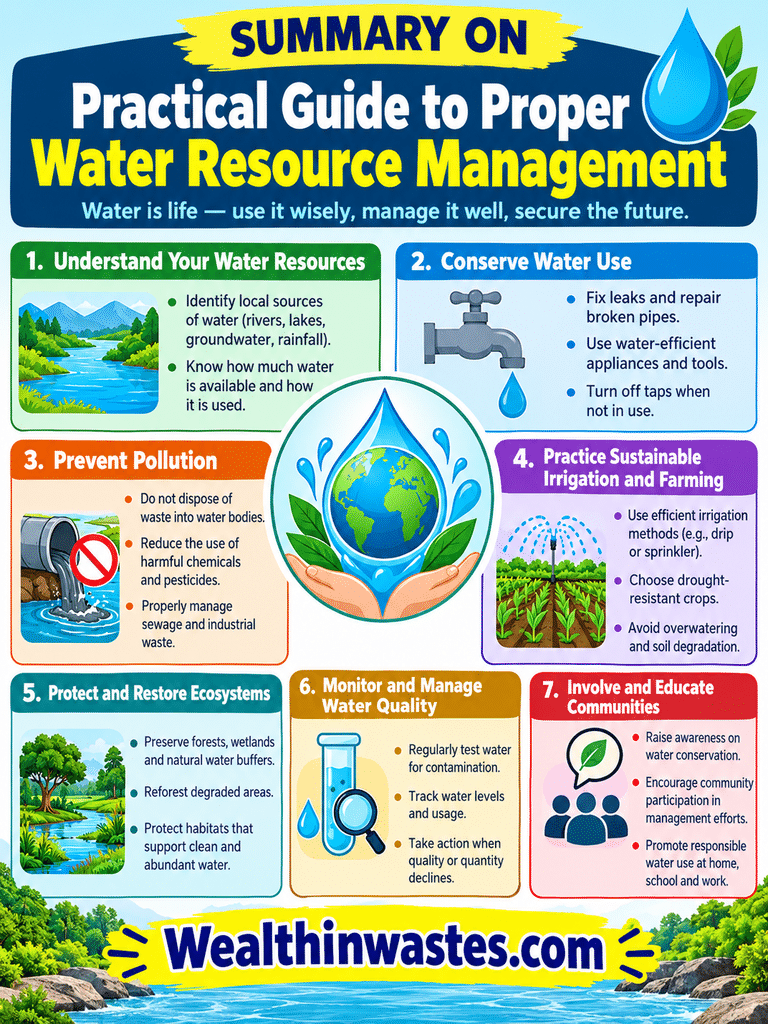
| Section | Main Idea | Why It Matters |
|---|---|---|
| Water Resource Basics | Explains freshwater stores, watersheds, and the hydrologic cycle. | Supports informed planning and protection. |
| Why Management Matters | Connects water management with health, food, ecosystems, and economic stability. | Shows the value of careful resource use. |
| Water Sources | Covers surface water, groundwater, rainfall, frozen stores, and reclaimed water. | Helps match supplies with appropriate uses. |
| Growing Demand | Examines pressure from population, cities, farming, and industry. | Highlights the need for efficiency and demand control. |
| Management Methods | Promotes conservation, efficient irrigation, reuse, recharge protection, and maintenance. | Reduces waste and strengthens water security. |
| Water Quality | Focuses on pollution prevention, wastewater treatment, monitoring, and watershed protection. | Protects safe supplies and aquatic ecosystems. |
| Key Sectors | Explains management needs across agriculture and industry. | Reduces sectoral water waste and pollution. |
| Community Roles | Describes public participation, institutions, policy, education, and enforcement. | Supports coordinated long-term resource governance. |
Frequently Asked Questions About A Practical Guide to Proper Water Resource Management
1. What is Proper Water Resource Management for communities?
Proper Water Resource Management coordinates water use, conservation, pollution control, infrastructure, monitoring, and ecosystem protection so available supplies continue supporting people and natural systems through changing demands and resource pressures.
2. Why protect surface water and groundwater together?
Surface water and groundwater interact, so pollution, overuse, or reduced recharge in one system can influence the other and weaken dependable supplies for people, agriculture, and ecosystems across shared landscapes.
3. How can households conserve water and prevent pollution?
Households can repair leaks, use water efficiently, maintain sanitation, avoid dumping waste into drains, monitor consumption, and report damaged infrastructure before problems increase water waste, pollution, or costly service disruption.
4. How does agriculture affect water management?
Agriculture can improve water efficiency through suitable irrigation, scheduling, soil moisture management, drainage, crop planning, conservation, and careful control of fertilizers, pesticides, sediments, and animal wastes entering nearby waterways regularly.
5. Why is wastewater treatment important for water management?
Wastewater treatment reduces contaminants before discharge or approved reuse, helping protect public health, aquatic ecosystems, receiving waters, agriculture, and freshwater quality across connected water systems and downstream communities over time.
6. What do governments do to support water resource management?
Governments support water management through planning, regulation, monitoring, infrastructure investment, public education, coordination, emergency preparation, and enforcement that protect resources and support reliable, accessible, equitable, and environmentally responsible public services.
Do you have any questions, suggestions, or contributions? If so, please feel free to use the comment box below to share your thoughts. We also encourage you to kindly share this information with others who might benefit from it. Since we can’t reach everyone at once, we truly appreciate your help in spreading the word. Thank you very much for your support and for sharing!
Read Also: Economics of Irrigation and Water Use in Agriculture