


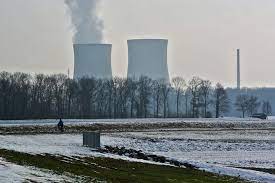
Radioactive pollution occurs when radioactive substances enter the environment at concentrations, locations, or exposure conditions that can create risks for people, animals, plants, ecosystems, or environmental resources.
Radioactivity exists naturally throughout the environment, so not every occurrence of radiation represents pollution. The important distinction involves the source, concentration, exposure pathway, duration, and potential consequences involved.
Natural radioactive materials occur within rocks, soils, groundwater, food, and the atmosphere, while human activities can introduce, concentrate, transport, or release radioactive materials into surrounding environments.
Understanding the sources of radioactive pollution helps communities, industries, farmers, healthcare workers, researchers, and governments identify exposure pathways and develop responsible practices for preventing unnecessary environmental contamination.
Radioactive pollution can originate from nuclear facilities, medical and research applications, mining operations, weapons testing, industrial activities, naturally occurring radionuclides, accidents, poor waste handling, and certain occupational situations.
Understanding Sources of Radioactive Pollution
Radioactive pollution differs from ordinary chemical pollution because radioactive materials can emit ionizing radiation during radioactive decay. Some radionuclides remain hazardous for short periods, while others persist much longer.
The environmental significance of radioactive contamination depends on the radionuclide involved, its activity, physical and chemical form, exposure route, and the length of time people remain exposed.
For example, contamination deposited on soil may enter crops, livestock, surface water, or groundwater, creating pathways through which radioactive substances can eventually reach people through inhalation, ingestion, or external exposure.
Some radioactive sources remain tightly controlled during normal operation and produce little environmental exposure. Problems can arise when radioactive materials escape containment, become uncontrolled, or receive inadequate handling.
Effective management therefore requires accurate identification, secure storage, suitable transportation, continuous monitoring, responsible disposal, and appropriate emergency procedures whenever radioactive materials could threaten environmental or public safety.
Proper radioactive material management also connects with broader radioactive waste management practices, because poorly controlled radioactive residues can remain environmental hazards long after their original use ends.
Regulatory controls are particularly important because certain sealed radioactive sources remain hazardous after equipment reaches the end of its working life and requires secure recovery, recycling, storage, or disposal.
Read Also: How to Locate Electronic Recycling Near Me
Natural Sources of Radioactive Pollution
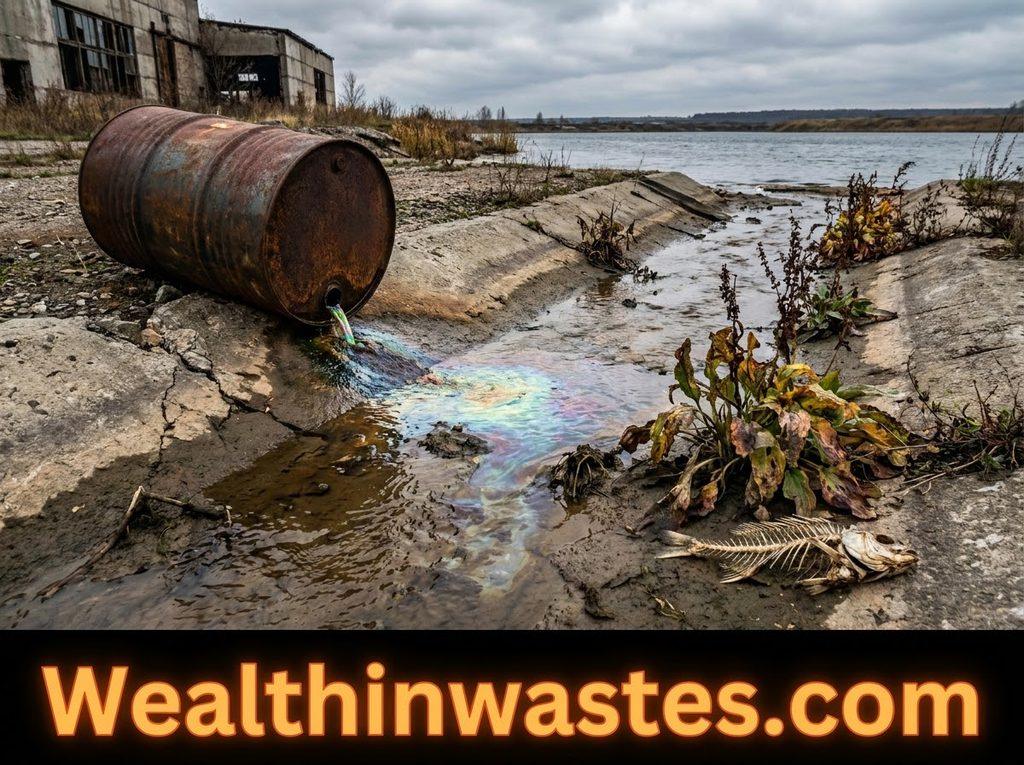
1. Radon Gas: Radon is a naturally occurring radioactive gas produced during uranium decay in rocks and soils, and it can accumulate inside buildings where poor ventilation allows concentrations to increase.
2. Terrestrial Radiation: Rocks and soils naturally contain radioactive elements such as uranium, thorium, radium, and potassium-40, creating background radiation that varies between geological locations.
3. Cosmic Radiation: High-energy particles arriving from space contribute to natural background radiation, with exposure generally increasing as altitude rises because thinner atmosphere provides less shielding.
4. Radioactive Materials in Water: Groundwater may contain naturally occurring radionuclides after contacting mineral deposits, while drinking water can provide another pathway for human exposure.
5. Internal Radioactive Elements: People naturally ingest small quantities of radionuclides through food, water, and air, while naturally occurring potassium-40 contributes to internal radiation exposure within the body.
6.Enhanced Natural Radioactivity: Human activities such as mining, mineral processing, oil production, and other industrial operations can concentrate naturally occurring radioactive materials, creating technologically enhanced exposure conditions.
7. Geographical Differences: Radiation levels vary between places because geological composition, altitude, soil characteristics, building conditions, and local concentrations of radioactive minerals influence environmental exposure patterns.
Medical and Research Sources of Radiation
Healthcare facilities use radiation extensively for diagnosis, treatment, imaging, and specialized medical procedures. These applications provide important benefits, but they also require strict controls to prevent unnecessary exposure.
Medical X-ray machines produce ionizing radiation while operating, but they generally do not leave radioactive material behind after the machine is switched off. This distinction separates radiation exposure from radioactive contamination.
Nuclear medicine presents a different situation because patients may receive radioactive substances that temporarily circulate through the body before naturally decaying or leaving the body through normal biological processes.
Hospitals can therefore generate radioactive waste such as contaminated materials, laboratory residues, unused radionuclides, and items associated with nuclear medicine procedures requiring controlled collection, storage, treatment, and disposal.
1. Nuclear Medicine: Radioactive tracers help doctors examine organs and diagnose diseases, while therapeutic radionuclides can target specific tissues during certain medical treatments.
2. Medical Research: Research laboratories use radionuclides for biological experiments, pharmaceutical development, tracer studies, and investigations involving cellular processes, creating specialized radioactive materials requiring controlled handling.
3. Hospital Radioactive Waste: Healthcare facilities can produce radioactive waste from diagnostic and therapeutic procedures, which requires dedicated management instead of ordinary disposal with general municipal refuse.
4. Laboratory Sources: Research institutions may use radioactive materials for experiments, calibration, detection, and scientific investigations, making secure storage and accurate inventory management necessary.
5. Safety and Training: Trained workers, shielding, monitoring systems, controlled access, appropriate containers, and established procedures help reduce occupational exposure and prevent accidental releases.
Proper management of healthcare residues remains essential because radioactive materials can become part of broader hospital waste streams when staff fail to separate specialized waste appropriately.
Medical facilities also benefit from understanding the potential value and hazards associated with medical waste materials, while keeping radioactive residues under appropriate regulatory control.
Nuclear Power Plant Sources
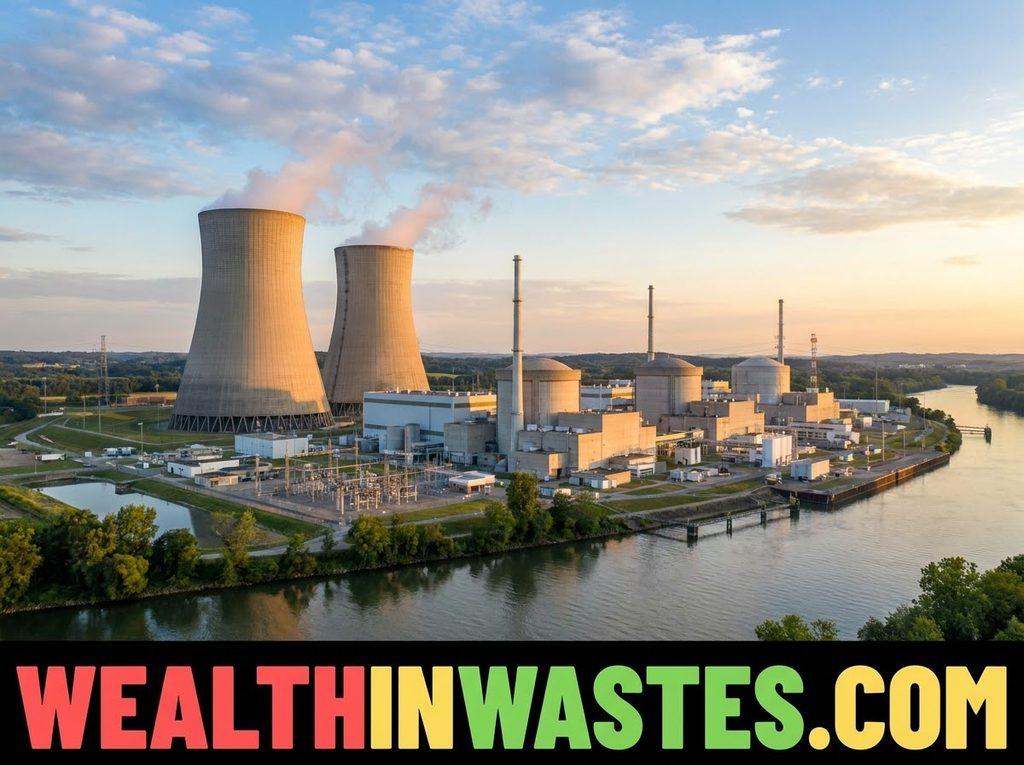
Nuclear power plants generate electricity through controlled nuclear reactions, and their operation involves radioactive materials that require multiple layers of containment, monitoring, maintenance, and emergency preparedness.
During normal operation, nuclear facilities are designed to keep radioactive materials contained and release only tightly regulated amounts. Radiation exposure to nearby populations can therefore remain very low.
However, accidents, equipment failures, human errors, cooling-system failures, fires, natural disasters, or security problems can damage containment systems and release radioactive materials into surrounding environments.
1. Reactor Operations: Nuclear reactors contain radioactive fuel and fission products, requiring robust barriers that prevent radioactive substances from escaping into air, water, soil, or nearby communities.
2.Radioactive Waste: Spent fuel and other radioactive residues remain important management challenges because some materials retain significant activity and require secure handling over extended periods.
3. Accidental Releases: Serious accidents can release radionuclides beyond controlled boundaries, contaminating land, water, vegetation, buildings, and food supplies while creating substantial emergency management challenges.
4. Cooling and Process Systems: Contaminated liquids can develop during nuclear operations and require careful treatment, monitoring, storage, and discharge controls before environmental release.
5. Decommissioning Activities: Retired nuclear facilities generate contaminated equipment, structural materials, liquids, and other wastes that require classification and appropriate radioactive waste management procedures.
Radioactive materials from nuclear facilities must remain under strict control because hazardous waste management systems are essential whenever dangerous materials could affect human health or environmental quality.
Nuclear facilities also demonstrate why responsible waste control measures must cover generation, storage, transportation, monitoring, emergency response, and final disposal rather than focusing only on the final stage.
Nuclear Weapons Testing and Fallout
Nuclear weapons explosions can produce intense radiation and radioactive materials, while atmospheric testing can distribute radionuclides over large geographic areas through clouds, wind movement, precipitation, and environmental deposition.
1. Atmospheric Testing: Above-ground nuclear tests released radioactive materials into the atmosphere, allowing radionuclides to travel considerable distances before settling onto soil, vegetation, water bodies, and other environmental surfaces.
2. Radioactive Fallout: Fallout can contain radionuclides such as iodine-131, cesium-137, and strontium-90, which differ in their chemical behavior, biological pathways, radioactive half-lives, and environmental persistence.
3. Food Chain Transfer: Radioactive materials deposited on agricultural land can enter plants and animals, creating opportunities for internal exposure when contaminated foods are consumed.
4. Long-Term Deposition: Some radionuclides remain in soils for decades, meaning fallout from historical testing can continue influencing environmental monitoring and exposure management long after testing ends.
5. Weapons Accidents: Accidental fires, transportation incidents, storage failures, or damaged weapons systems can also create localized radioactive contamination requiring specialized emergency response and cleanup activities.
6. Nuclear War: A large-scale nuclear conflict could produce widespread radioactive contamination, severe environmental disruption, major casualties, and complicated long-term consequences extending far beyond affected target areas.
Mining and Industrial Radioactive Sources
Mining can expose naturally occurring radioactive materials that were previously buried underground. Uranium mining presents an obvious example, but other mineral operations can also concentrate radioactive elements.
1. Uranium Mining: Uranium extraction can generate tailings and other residues containing naturally occurring radioactive materials, including radium and decay products that require careful environmental management.
2. Mineral Processing: Crushing, grinding, separation, and processing can concentrate radionuclides from naturally occurring materials, increasing the importance of dust control, worker monitoring, waste containment, and environmental protection.
3. Oil and Gas Operations: Some extraction activities can bring naturally occurring radioactive materials to the surface, where scale, sludge, produced water, and equipment deposits may require specialized handling.
4.Industrial Applications: Radioactive sources support industrial radiography, thickness measurements, level gauges, sterilization, research, and other processes, but uncontrolled sources can create serious radiological hazards.
5. Abandoned Sources: Lost, stolen, discarded, or poorly controlled radioactive sources can become dangerous environmental hazards, particularly when they enter scrap-metal streams or reach people without adequate knowledge.
6. Contaminated Industrial Waste: Radioactive residues may become mixed with broader industrial waste streams, increasing the need for accurate characterization before treatment, transport, recycling, or disposal.
Mining-related contamination can overlap with wider industrial waste management challenges because extraction activities produce solid residues, liquids, contaminated equipment, and process wastes requiring careful control.
The relationship between mineral extraction and radioactive contamination also explains why land pollution prevention becomes important around mining areas where contaminated soils and tailings can affect nearby ecosystems.
Radioactive residues from industrial activities should never enter ordinary waste pathways without assessment because specialized materials require appropriate identification, isolation, monitoring, transportation, and disposal arrangements.
Lifestyle and Environmental Radiation Exposure
Personal circumstances can influence radiation exposure even without major pollution events. Occupation, location, building characteristics, travel patterns, smoking, and contact with geological materials can all affect exposure.
1. Indoor Radon: Radon can enter buildings through cracks, joints, openings, service passages, and sometimes water or construction materials, allowing the gas to accumulate indoors without obvious warning signs.
2. Mining Occupations: Workers who spend long periods underground may experience higher exposure to radon and its decay products, especially where ventilation systems do not adequately control accumulation.
3. Air Travel: People working at high altitude, including flight crews, receive increased cosmic radiation exposure because the atmosphere provides less shielding against energetic particles arriving from space.
4. Building Materials: Certain rocks and mineral-containing materials can contribute to indoor radiation levels, although exposure varies considerably depending on material composition, building design, ventilation, and location.
5. Tobacco Smoke: Tobacco can contain trace radioactive materials, while smoking also causes major chemical and biological hazards that make tobacco exposure especially harmful to respiratory health.
6. Geographic Location: Communities located in areas with elevated natural uranium, thorium, or radium concentrations can experience higher environmental radiation levels than communities built on different geological formations.
Because radioactive materials can interact with broader environmental pollutants, understanding sources of environmental pollution helps communities recognize how contamination can move across air, water, soil, and living organisms.
Exposure pathways can also involve contaminated water, making knowledge of water pollution sources useful when assessing whether pollutants could move from land or industrial facilities into rivers, lakes, groundwater, or agricultural systems.
Likewise, radioactive contamination deposited on land can create long-term concerns because polluted soils can influence plants, grazing animals, surface runoff, groundwater movement, and food production.
Read Also: Industrial Wastewater Treatment Process
Radioactive Pollution Pathways and Persistence
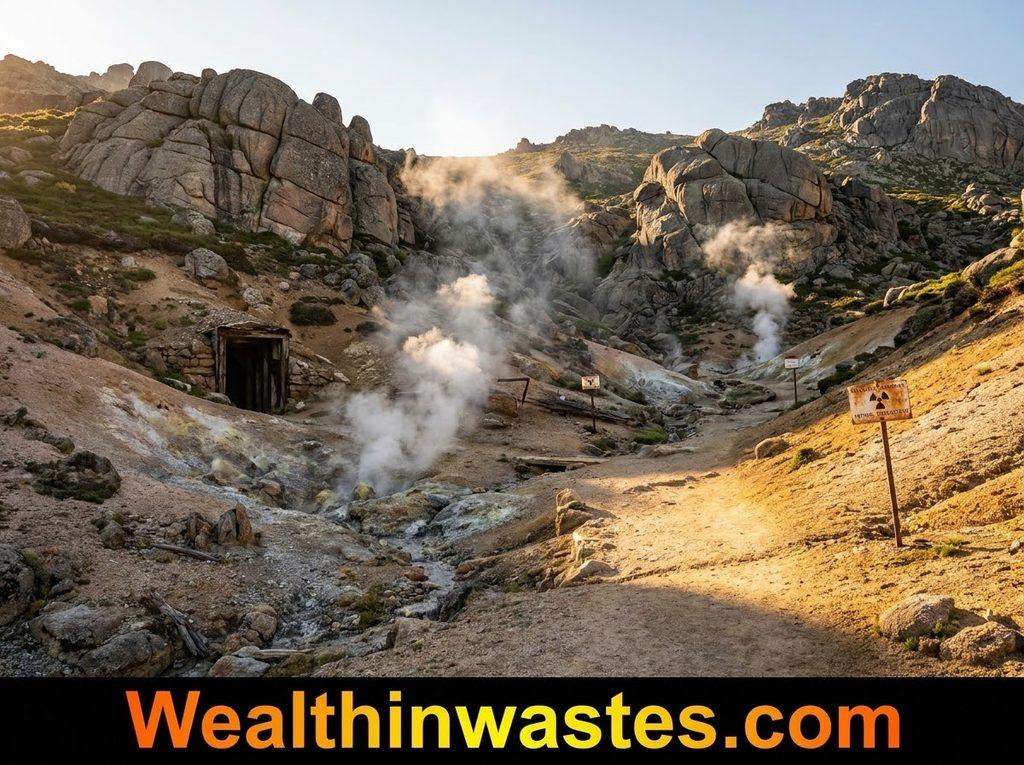
Radioactive materials can reach the environment through several pathways, including atmospheric releases, contaminated water, soil deposition, waste handling, accidents, mining residues, and uncontrolled radioactive sources.
Once released, radionuclides may move through environmental systems differently depending on their chemical form, solubility, particle size, soil properties, rainfall, vegetation, groundwater movement, and biological uptake.
Atmospheric releases may travel with wind before deposition, while waterborne contamination can move through rivers, drainage channels, groundwater systems, irrigation networks, or wastewater discharges.
Soil contamination can remain localized or spread through wind and water erosion. Plants may absorb certain radionuclides, while grazing animals can transfer contaminants into milk, meat, and other food products.
Some radionuclides decay relatively quickly, while others have much longer half-lives. Their environmental persistence therefore depends not only on radioactivity but also on movement, chemical behavior, and ecological conditions.
Responsible management must therefore consider containment, monitoring, access restrictions, environmental sampling, contaminated-material removal, land-use controls, and long-term remediation where contamination levels create unacceptable risks.
These approaches complement wider radioactive pollution control measures, particularly where contaminated areas require restrictions, environmental monitoring, remediation, or controlled future land use.
Waste prevention also matters because reducing unnecessary waste generation supports broader waste minimization practices, which can lower the volume of materials requiring treatment, storage, transport, or final disposal.
Effective source control can also reduce broader pollution pressures because proper treatment and disposal methods help prevent hazardous materials from entering uncontrolled environmental pathways.
Communities and industries should also support the wider waste management process by maintaining proper collection, treatment, monitoring, transportation, and disposal systems suited to each waste category.
The economic consequences of pollution can become significant when environmental damage affects agriculture, fisheries, water supplies, public health, infrastructure, and productivity, as discussed through documented economic pollution losses.
Integrated environmental planning should also recognize that hazardous materials may appear within biomedical waste streams, making biomedical waste management relevant to facilities using radioactive medical substances.
Finally, reducing ordinary waste volumes through resource recovery can strengthen environmental systems because waste recycling helps conserve resources and reduce the amount of material requiring final disposal.
Radioactive pollution therefore requires a source-to-exposure perspective because identifying where radioactive materials originate, how they move, and how people encounter them provides the foundation for effective environmental protection.
Summary on Sources of Radioactive Pollution
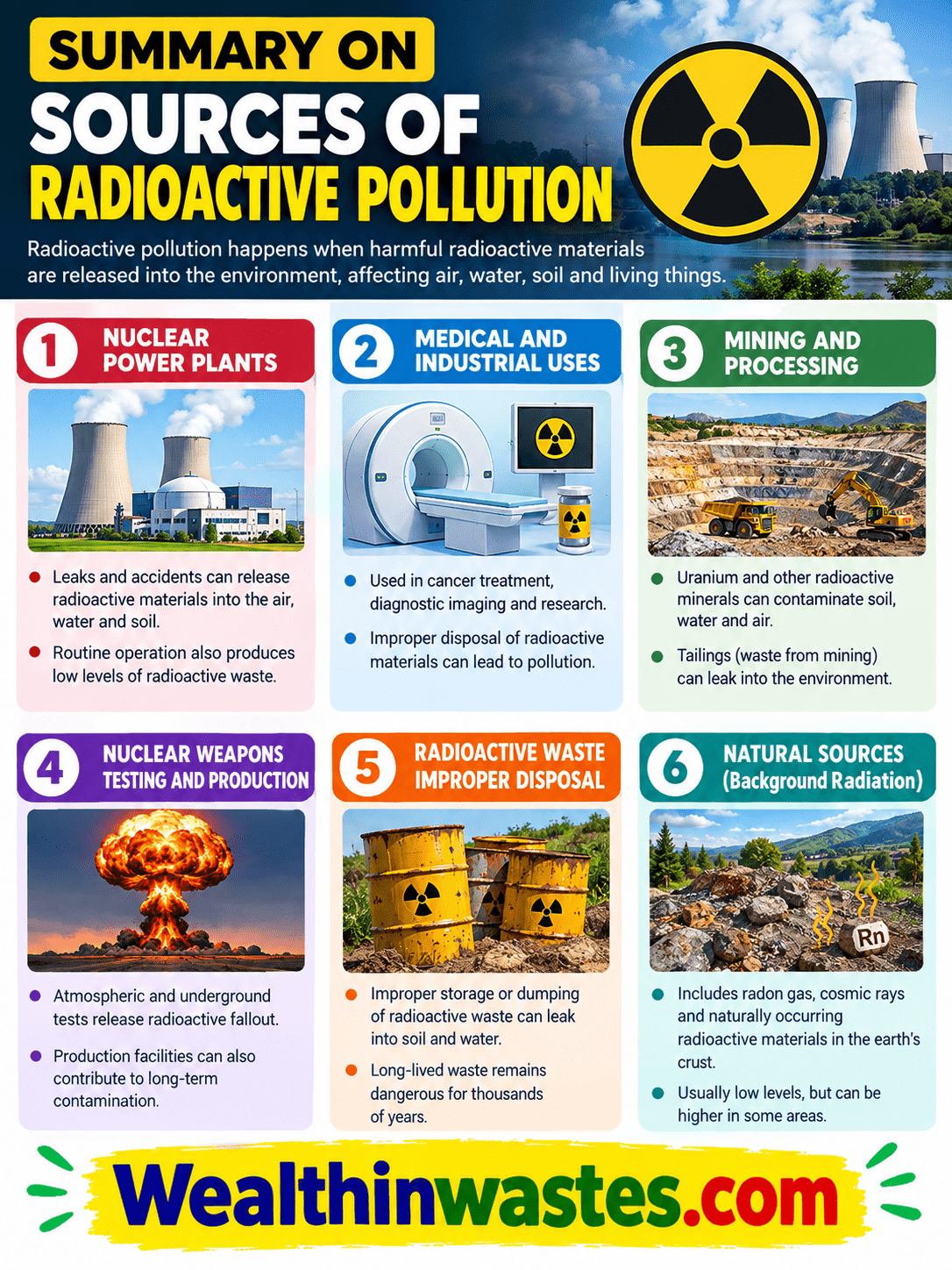
| Source | Main Characteristics | Potential Environmental Concern |
|---|---|---|
| Radon and Natural Minerals | Occur naturally in rocks, soil, water, and air. | Indoor exposure, groundwater contamination, and geological variation. |
| Cosmic Radiation | Comes from high-energy particles originating in space. | Higher exposure at increasing altitude. |
| Medical Activities | Includes nuclear medicine, research radionuclides, and radioactive waste. | Improper handling can expose workers, patients, or waste handlers. |
| Nuclear Power Plants | Use radioactive materials under controlled conditions. | Accidents, contaminated systems, and radioactive waste. |
| Nuclear Weapons Testing | Produces radioactive fallout containing different radionuclides. | Wide environmental deposition and long-term contamination. |
| Mining and Industry | Can expose or concentrate naturally occurring radioactive materials. | Contaminated tailings, equipment, water, soil, and industrial residues. |
| Lifestyle and Occupation | Exposure varies with buildings, occupations, smoking, altitude, and geography. | Higher personal exposure under particular conditions. |
| Environmental Transport | Radionuclides can move through air, water, soil, plants, and animals. | Transfer through ecosystems and food chains. |
Frequently Asked Questions About Sources of Radioactive Pollution: Causes and Examples
1. What are the main sources of radioactive pollution?
Major sources include nuclear accidents, weapons testing, radioactive medical materials, mining activities, industrial sources, radioactive waste, and human activities that concentrate naturally occurring radioactive substances.
2. Is natural radiation a source of radioactive pollution?
Natural radiation contributes significantly to everyday exposure, but normal background radiation is not automatically pollution. Pollution involves harmful contamination or exposure conditions requiring environmental control or management.
3. What is the largest natural source of radiation exposure?
Radon is a major natural source of radiation exposure, particularly indoors. It forms naturally from radioactive elements in rocks and soils and can accumulate in enclosed buildings.
4. Can medical activities cause radioactive pollution?
Yes. Nuclear medicine, research, and related activities use radioactive substances that can create radioactive waste or contamination when workers fail to manage materials safely.
5. How does mining contribute to radioactive pollution?
Mining can expose naturally occurring uranium, thorium, radium, and related decay products. Processing can concentrate these materials within tailings, water, dust, sludge, and contaminated equipment.
6. Can radioactive pollution affect agriculture?
Yes. Radioactive materials deposited on agricultural soils can enter crops, forage, livestock, water supplies, and food chains, depending on the radionuclide and environmental conditions involved.
7. Why is radioactive waste difficult to manage?
Some radioactive wastes remain hazardous for extended periods and require specialized containment, monitoring, transportation, storage, treatment, and disposal systems designed around their activity and characteristics.
8. How can radioactive pollution be controlled?
Control depends on source reduction, secure containment, monitoring, worker training, regulatory oversight, emergency planning, appropriate waste handling, environmental remediation, and restrictions where contamination creates unacceptable exposure.
9. Can radioactive pollution disappear naturally?
Radioactivity decreases through radioactive decay, but the process varies greatly between radionuclides. Environmental cleanup may still require containment, removal, monitoring, or land-use controls before areas become suitable for unrestricted use.
Do you have any questions, suggestions, or contributions? If so, please feel free to use the comment box below to share your thoughts. We also encourage you to kindly share this information with others who might benefit from it. Since we can’t reach everyone at once, we truly appreciate your help in spreading the word. Thank you very much for your support and for sharing!
Read Also: Proper Farm Waste Management Guide