


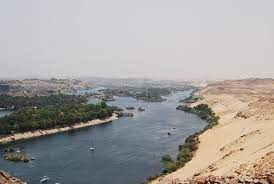
Water use connects agriculture, households, industries, ecosystems, and economic development because every sector depends on reliable supplies of freshwater for survival, productivity, and sustainable growth.
Climate change is placing additional pressure on water resources by changing rainfall patterns, increasing temperatures, altering runoff, and intensifying droughts and floods across many regions of the world.
These changes can make water supplies less predictable while increasing competition among farmers, households, industries, communities, and governments that depend on the same rivers, reservoirs, wetlands, and groundwater resources.
Agriculture faces particular challenges because crop production requires dependable water supplies, while higher temperatures and irregular rainfall can increase irrigation demand and reduce the effectiveness of traditional water management systems.
The problem becomes more serious where population growth, pollution, poor infrastructure, and excessive withdrawals already place pressure on available freshwater resources, creating conditions that can increase disputes over access.
Understanding the relationship between climate change, water use, agriculture, and conflicts is therefore essential for developing practical strategies that protect water resources while supporting food production and human development.
Climate Change and Water Use
Climate change influences water use by modifying the amount, timing, location, and reliability of available freshwater. These changes affect agriculture, domestic supplies, industries, ecosystems, and the infrastructure designed around historical conditions.
Higher temperatures can increase evaporation from soils, reservoirs, and water bodies, while plants may lose more water through transpiration. Farmers consequently need more reliable irrigation scheduling during hot periods.
Changing rainfall patterns can create a difficult combination of prolonged dry periods and intense rainfall events. Heavy rainfall may produce floods without providing dependable water storage for later agricultural use.
Climate change can also reduce the reliability of historical hydrological patterns. Water managers can no longer depend entirely on previous rainfall, river flow, or drought patterns when planning future water supplies.
Effective water conservation practices can reduce unnecessary consumption by improving efficiency and protecting supplies during periods when rainfall and natural replenishment become less dependable.
At the same time, governments and communities need flexible management systems that can respond to changing water availability, protect vulnerable users, and balance competing demands without exhausting freshwater reserves.
Climate-related water stress therefore requires both better management of existing supplies and stronger efforts to prevent pollution, reduce waste, improve storage, and protect natural water systems.
Read Also: Complete List of Recyclable Wastes (Waste Recyclables)
Water Use in Agriculture
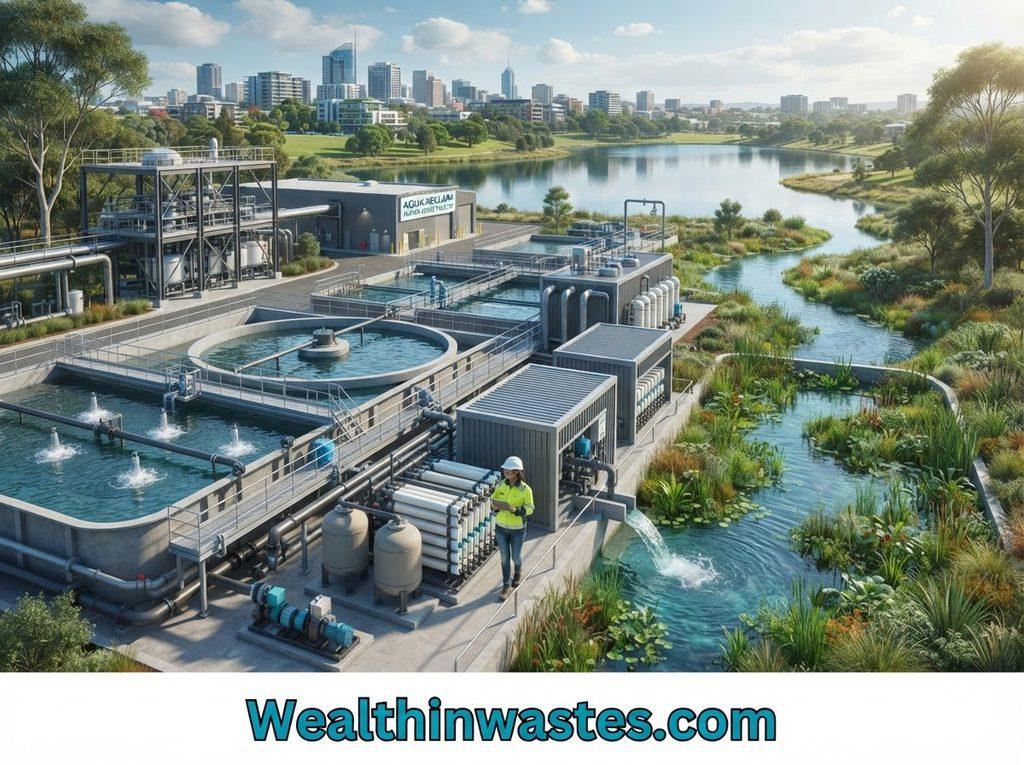
Agriculture remains highly dependent on dependable water supplies because crops require water throughout their growth cycles. Irrigation becomes particularly important where rainfall is unreliable or seasonal water deficits occur.
Climate change can increase agricultural water demand through higher temperatures, longer dry periods, and increased evaporative losses. These factors may force farmers to irrigate more frequently or store more water.
Efficient agricultural resource conservation can help farmers produce food while reducing pressure on rivers, reservoirs, aquifers, and other freshwater sources that communities also depend upon.
1. Irrigation Demand: Rising temperatures and unreliable rainfall can increase the amount of water crops require, especially during sensitive stages such as flowering, fruit formation, and grain development.
2. Water Availability: Changes in rainfall and river flows can reduce dependable supplies during critical farming periods. Farmers may then compete more strongly for limited groundwater, reservoirs, or surface water.
3. Water Quality: Flooding, pollution, salinity, and wastewater contamination can reduce the suitability of available water for irrigation. Poor-quality water can damage crops, soils, livestock, and surrounding ecosystems.
4. Irrigation Efficiency: Improving irrigation efficiency helps farmers deliver water closer to crop roots while reducing losses caused by evaporation, runoff, leakage, and excessive application during irrigation operations.
5. Agricultural Planning: Farmers need water planning that considers rainfall variability, soil characteristics, crop water requirements, storage capacity, irrigation methods, and expected seasonal conditions before establishing production schedules.
Read Also: Industrial Wastewater Treatment Process
Climate Variability and Water Supply
Climate variability refers to changes in climatic conditions across seasons, years, or longer periods. These changes can significantly influence rainfall timing, river flows, groundwater recharge, drought frequency, and agricultural water availability.
Farmers depend heavily on seasonal rainfall patterns, particularly in regions where irrigation infrastructure remains limited. A delayed rainy season can disrupt planting, while early rainfall cessation can reduce crop yields.
Climate variability also affects snowmelt and river runoff in mountainous areas, creating changes in the timing of water entering downstream reservoirs and irrigation systems used by agricultural communities.
Improved understanding of climate variability can strengthen agricultural risk management. Farmers can combine better forecasting, water storage, crop selection, soil management, and irrigation planning to reduce production losses.
Water managers can also benefit from monitoring rainfall and river conditions before allocating supplies. Reliable information supports earlier responses to droughts, floods, and seasonal shortages.
Good water resource protection also reduces vulnerability by safeguarding rivers, groundwater, wetlands, reservoirs, and other sources from contamination and unnecessary depletion.
Combining climate information with practical water management therefore creates a stronger foundation for responding to uncertain conditions and protecting agricultural productivity against increasingly variable water supplies.
Desertification and Water Scarcity
Drylands include deserts, grasslands, savannahs, and woodlands where limited rainfall and high evaporation can restrict productivity. Water scarcity makes these environments particularly vulnerable to land degradation.
Unsustainable land management, population pressure, vegetation loss, overgrazing, and inappropriate farming practices can worsen water scarcity by reducing soil moisture retention and increasing erosion and runoff.
Desertification can reduce agricultural productivity and increase rural poverty because declining land quality makes it harder for farmers and pastoralists to obtain reliable food, livestock feed, and household income.
Effective soil and water conservation can improve moisture retention, reduce erosion, protect soil structure, and help agricultural land remain productive during periods of limited rainfall.
1. Conservation Agriculture: Reduced tillage, soil cover, crop rotation, and related practices help protect soil structure, reduce evaporation, and improve the ability of farmland to retain valuable moisture.
2. Agroforestry: Combining trees with crops or livestock can improve soil protection, reduce wind erosion, increase organic matter, and support better water infiltration across vulnerable agricultural landscapes.
3. Water Harvesting: Collecting runoff during suitable rainfall events can provide supplementary water for crops, livestock, household activities, and small-scale irrigation when natural supplies become limited.
4. Planned Grazing: Controlled grazing allows vegetation to recover and helps prevent excessive removal of plant cover. Healthy vegetation improves infiltration and reduces runoff across dryland environments.
5. Small-Scale Irrigation: Carefully designed irrigation systems can support food production during dry periods while reducing dependence on unpredictable rainfall and helping communities manage limited water resources.
Freshwater Resources and Water Use
Freshwater comes from rivers, lakes, reservoirs, wetlands, groundwater, rainfall, snow, and other parts of the hydrological cycle. Each source requires appropriate management to remain available for future water use.
Groundwater has particular importance because it provides dependable supplies for households, agriculture, livestock, and industries in many areas where surface water availability varies considerably.
However, excessive withdrawal can lower groundwater levels, increase pumping costs, reduce spring flows, and create long-term supply problems. Pollution can create additional difficulties because contaminated aquifers may recover slowly.
Understanding groundwater resources helps communities recognize the risks associated with excessive pumping, contamination, saltwater intrusion, and poor protection of recharge areas.
Surface water can also become unsuitable when sewage, industrial effluent, agricultural chemicals, sediments, plastics, or other pollutants enter rivers, lakes, reservoirs, and wetlands.
Water pollution sources must therefore receive attention alongside water quantity because communities require adequate supplies that are also safe and suitable for their intended uses.
Protecting water sources requires pollution prevention, effective sanitation, responsible agricultural practices, proper waste disposal, careful industrial management, and continuous monitoring of important surface and groundwater systems.
Sound management should consider current demand as well as future needs so that water withdrawals remain compatible with natural replenishment and the ecological functions of freshwater systems.
Conflicts Over Water Use
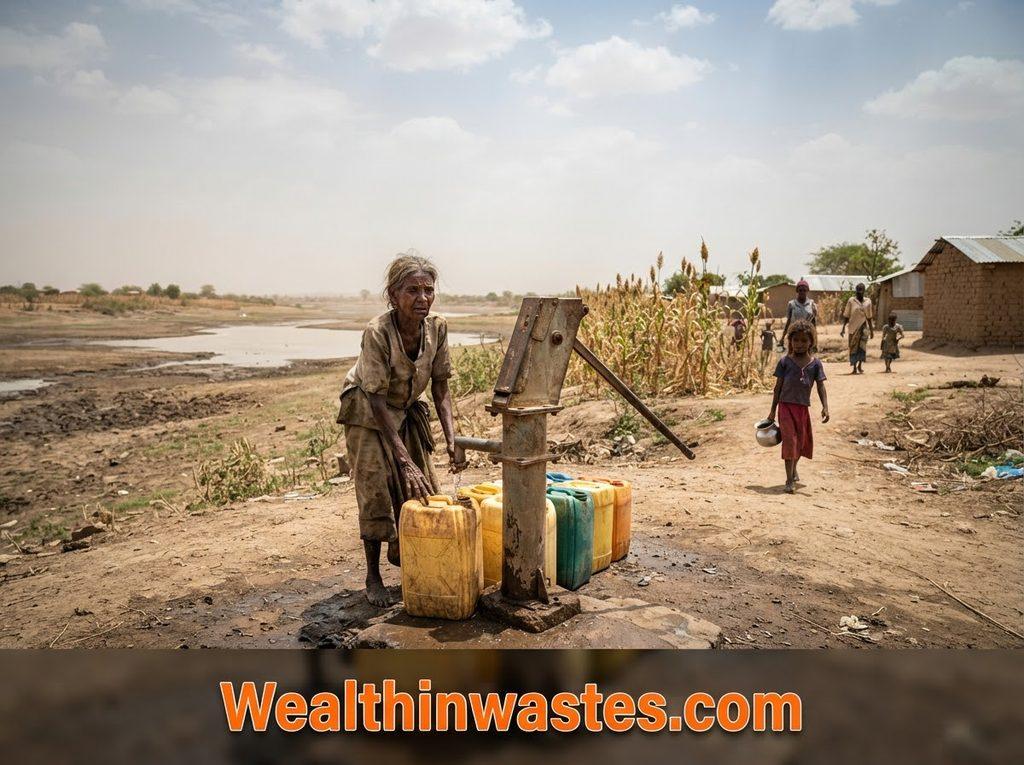
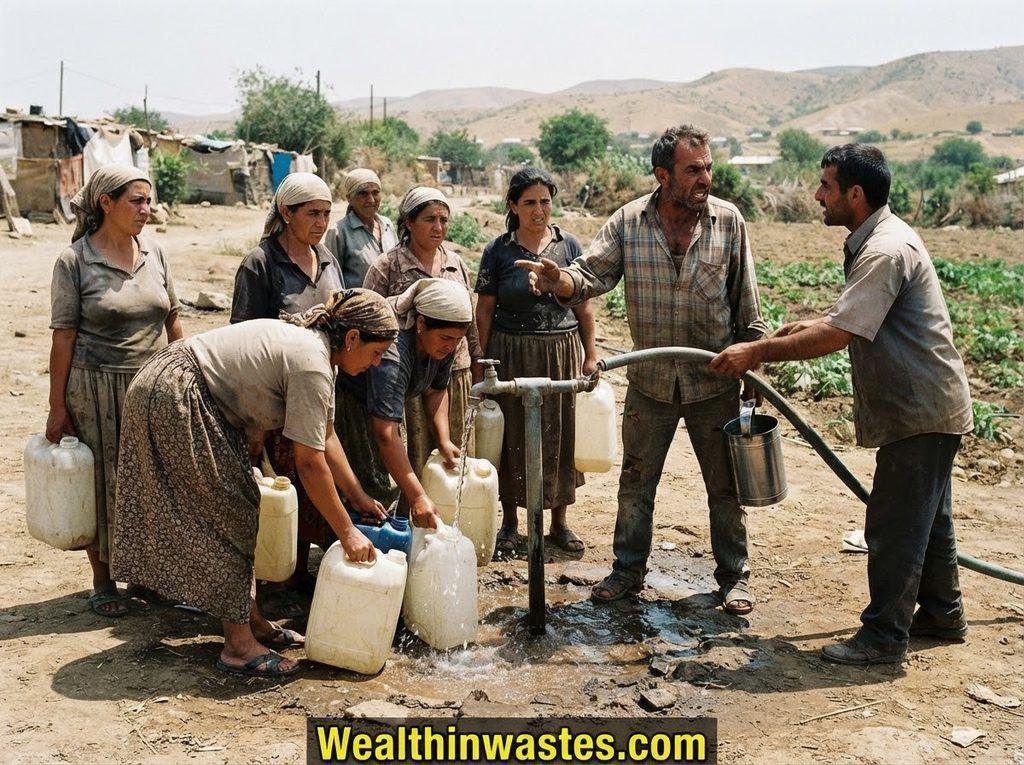
Conflicts over water use arise when different users compete for limited supplies or disagree about how water should be allocated, controlled, protected, stored, or transferred between locations.
Competition can occur between farmers and households, upstream and downstream communities, industries and agricultural users, or different administrative regions sharing the same freshwater source.
International disputes can become more complicated when rivers, lakes, or groundwater systems cross national boundaries. Decisions made upstream may directly influence water availability downstream.
1. Agricultural Competition: Farmers may compete with households, industries, or environmental interests when irrigation demand rises during dry periods and available water cannot satisfy every user.
2. Transboundary Rivers: Countries sharing river basins must coordinate withdrawals, reservoir operations, pollution control, flood management, and development projects to reduce disagreements over shared water resources.
3. Population Growth: Increasing populations raise demand for drinking water, food, sanitation, energy, and industrial production, placing greater pressure on already stressed freshwater resources.
4. Climate Stress: Droughts and changing rainfall patterns can intensify competition because reduced supplies create stronger disagreements among users whose livelihoods and economic activities depend upon reliable water.
5. Poor Governance: Weak institutions, unclear water rights, inadequate monitoring, and poor enforcement can make allocation disputes harder to resolve and may increase tensions between competing users.
Effective water governance can reduce these risks through transparent allocation systems, clear responsibilities, reliable information, stakeholder participation, and agreements that recognize shared interests.
Water Management for Climate Resilience
Climate-resilient water management combines conservation, efficient use, infrastructure improvement, pollution prevention, ecosystem protection, and flexible decision-making to maintain supplies during changing climatic conditions.
Water managers should strengthen both demand-side and supply-side approaches. Reducing unnecessary consumption can complement investments in storage, treatment, distribution systems, irrigation infrastructure, and alternative water sources.
1. Reduce Water Waste: Detecting leaks, improving irrigation practices, maintaining distribution systems, and avoiding unnecessary consumption can preserve supplies without reducing essential services.
2. Improve Water Storage: Reservoirs, tanks, ponds, and other storage facilities can capture available supplies during wet periods and make water accessible during dry seasons.
3. Reuse Treated Water: Properly treated wastewater can provide alternative supplies for selected agricultural, industrial, landscaping, and other applications, reducing pressure on freshwater sources.
4. Protect Watersheds: Healthy watersheds improve infiltration, reduce erosion, support groundwater recharge, regulate runoff, and help maintain the quality and reliability of freshwater supplies.
5. Strengthen Infrastructure: Irrigation networks, drainage systems, dams, treatment plants, flood defenses, and water distribution systems require appropriate design and maintenance to withstand changing conditions.
Proper water and wastewater management can support climate resilience by reducing pollution, improving resource efficiency, and creating opportunities to safely recover useful water from wastewater streams.
Read Also: Motivational Factors for Recycling and Reuse
Water Reuse and Pollution Control
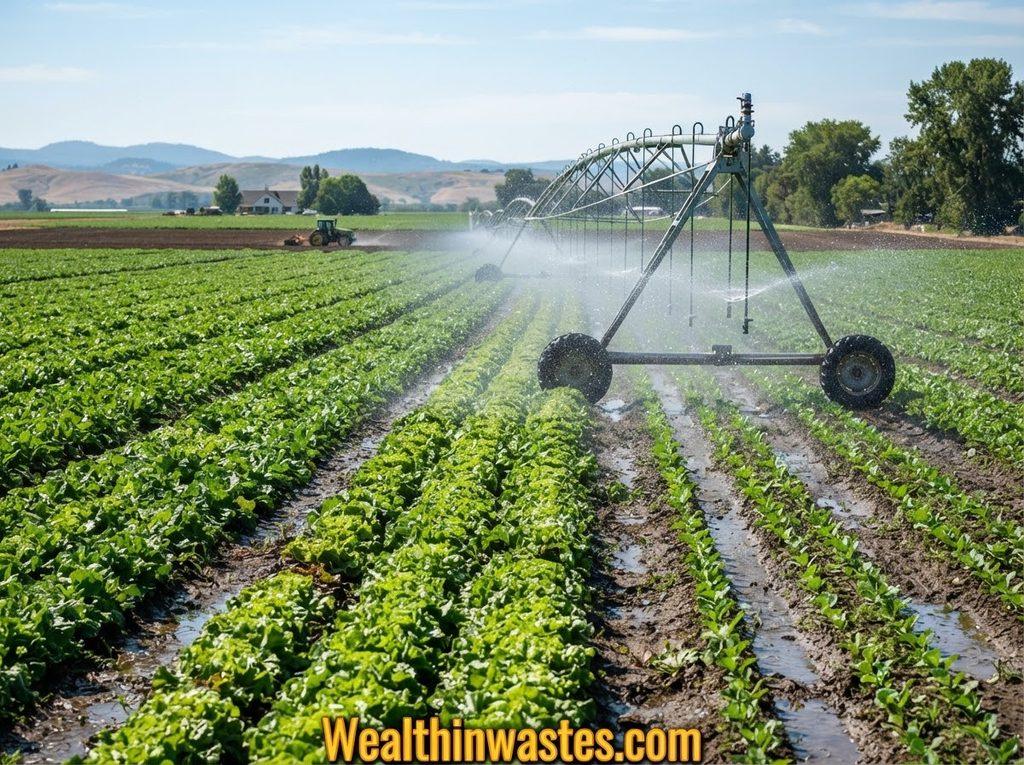
Water reuse can reduce pressure on freshwater resources when treated wastewater meets appropriate quality requirements for its intended application. However, reuse requires careful treatment, monitoring, and risk management.
Agricultural reuse can provide water during shortages, but farmers must consider pathogens, salts, nutrients, toxic substances, soil impacts, crop sensitivity, and public-health requirements before applying treated wastewater.
1. Wastewater Treatment: Treatment removes or reduces contaminants before wastewater reaches receiving waters or becomes suitable for selected forms of reuse, helping protect public health and ecosystems.
2. Irrigation Reuse: Properly treated wastewater can supplement irrigation supplies, especially in water-scarce regions, while reducing demand for freshwater sources used by other sectors.
3. Pollution Prevention: Preventing contaminants from entering water systems is often more effective than relying solely on treatment after pollution has already occurred.
4. Water Quality Monitoring: Regular testing helps identify pathogens, nutrients, salts, metals, and other contaminants that could affect human health, crops, livestock, soils, or aquatic ecosystems.
5. Safe Final Use: Water quality requirements should match the intended application. Water suitable for irrigation or industrial use may require different treatment from water intended for drinking.
Effective wastewater reuse and recycling can contribute to water security when treatment systems, regulations, monitoring, and community acceptance work together.
Additional treatment technologies may become necessary where contamination levels are high or where reuse applications require greater protection, making appropriate system design essential for long-term safety.
Solutions for Sustainable Water Use
Sustainable water use requires coordinated action from governments, farmers, industries, households, communities, researchers, and environmental organizations because water challenges rarely belong to one sector alone.
Communities can protect water sources by reducing pollution, improving sanitation, conserving water, maintaining drainage systems, protecting vegetation, and supporting responsible land-use practices across catchment areas.
Farmers can improve water use through efficient irrigation, suitable crop selection, soil moisture conservation, rainwater harvesting, mulching, improved drainage, and careful scheduling according to crop requirements.
1. Efficient Irrigation: Water-efficient systems and appropriate scheduling can reduce losses while maintaining adequate crop moisture, especially where drought, high temperatures, or limited freshwater supplies affect production.
2. Water Conservation: Conservation measures can reduce unnecessary withdrawals and protect available supplies for essential domestic, agricultural, industrial, and environmental uses.
3. Pollution Reduction: Controlling sewage, industrial effluent, agricultural runoff, oil contamination, solid waste, and hazardous materials helps preserve the quality of freshwater resources.
4. Community Cooperation: Local participation can improve water decisions because users understand their needs, seasonal conditions, local conflicts, and practical limitations better than distant institutions alone.
5. International Cooperation: Countries sharing water resources can reduce disputes by exchanging information, establishing agreements, coordinating infrastructure, and developing allocation systems that recognize downstream and upstream interests.
Strong water quality management should accompany conservation because saving contaminated water does not provide the same social, agricultural, or ecological benefits as protecting clean and usable supplies.
Long-term success depends on integrating water planning with agriculture, energy, health, environmental protection, land management, disaster preparedness, and economic development rather than treating each issue separately.
Additional measures such as water pollution control and improved wastewater treatment can further reduce pressure on natural water systems while supporting safer and more sustainable water use.
Summary on Climate Change and Conflicts Over Water
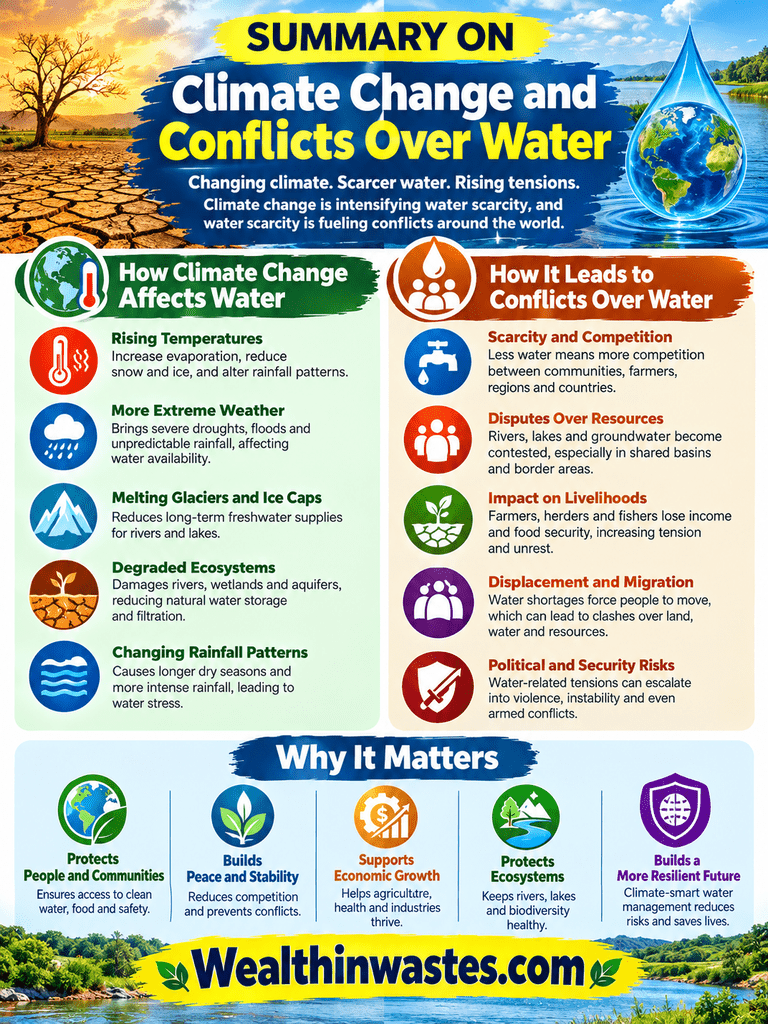
| Section | Main Idea | Why It Matters |
|---|---|---|
| Climate Change and Water Use | Climate change affects water availability, timing, and reliability. | Changing supplies can increase water stress and planning challenges. |
| Water Use in Agriculture | Farming requires dependable supplies and efficient irrigation. | Better management protects food production while reducing waste. |
| Climate Variability | Changing rainfall and runoff affect seasonal water supplies. | Farmers need stronger risk management and flexible planning. |
| Desertification | Drylands face water scarcity and land degradation. | Conservation can protect productivity and rural livelihoods. |
| Freshwater Resources | Rivers, groundwater, reservoirs, wetlands, and rainfall support society. | Protecting quantity and quality ensures future availability. |
| Water Conflicts | Scarcity can create competition between users and countries. | Cooperation and transparent allocation can reduce disputes. |
| Climate-Resilient Management | Conservation, storage, infrastructure, reuse, and governance improve resilience. | Integrated strategies help communities prepare for uncertainty. |
| Water Reuse and Pollution Control | Treated wastewater can supplement freshwater supplies. | Safe reuse reduces pressure while protecting health and ecosystems. |
| Sustainable Water Use | Long-term solutions require cooperation across sectors. | Integrated planning supports food security and environmental protection. |
Frequently Asked Questions About Water Use, Climate Change and Conflicts Over Water
1. What is water use?
Water use refers to how people, agriculture, industries, institutions, and ecosystems consume, withdraw, manage, or depend on available water resources.
2. How does climate change affect water use?
It changes rainfall, evaporation, runoff, drought frequency, flooding, water quality, and crop water demand, making freshwater supplies more variable and difficult to manage.
3. Why is water important in agriculture?
Water supports germination, plant growth, nutrient movement, photosynthesis, cooling, and crop development, making dependable water supplies essential for productive farming.
4. What causes conflicts over water use?
Conflicts may result from scarcity, population growth, competing demands, poor governance, pollution, drought, or disagreements between regions and countries sharing water resources.
5. Can water conservation reduce conflicts?
Yes. Efficient water use can reduce unnecessary withdrawals and help preserve supplies for households, agriculture, industries, ecosystems, and other competing users.
6. Why is groundwater important?
Groundwater supplies homes, farms, livestock operations, and industries, particularly where surface water sources are unreliable or unavailable.
7. How can wastewater support water security?
Properly treated wastewater can support selected irrigation, industrial, landscaping, and other uses, reducing pressure on freshwater supplies when quality requirements are satisfied.
8. What is sustainable water use?
Sustainable water use means meeting present needs while protecting water quantity, quality, ecosystems, and future supplies through efficient and responsible management.
9. How can countries reduce water conflicts?
Countries can cooperate through data sharing, clear agreements, coordinated infrastructure planning, pollution control, transparent allocation, and joint management of transboundary water resources.
10. Why must water management consider climate change?
Past water patterns may no longer reliably represent future conditions, so management systems must prepare for changing rainfall, droughts, floods, temperatures, and water demands.
Do you have any questions, suggestions, or contributions? If so, please feel free to use the comment box below to share your thoughts. We also encourage you to kindly share this information with others who might benefit from it. Since we can’t reach everyone at once, we truly appreciate your help in spreading the word. Thank you very much for your support and for sharing!
Read Also: Economic and Efficient Use of Water in Agriculture