


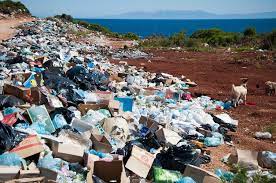
Land pollution occurs when harmful wastes, chemicals, or other unwanted materials accumulate on land and change soil conditions. These pollutants can also move downward and contaminate groundwater.
The problem affects homes, farms, industries, construction sites, forests, and urban communities. Poor waste disposal, careless chemical use, deforestation, mining, and littering can gradually damage land quality.
Land pollution involves more than visible rubbish scattered across streets or open spaces. It also includes contaminated soil, hazardous residues, sewage sludge, industrial waste, plastics, and buried substances.
Municipal solid waste commonly includes household garbage, paper, plastics, glass, metals, textiles, bulky items, and other discarded materials. Construction waste also contributes significantly to land pollution.
Hazardous waste presents greater risks because toxic chemicals, petroleum residues, pesticides, industrial solvents, heavy metals, and radioactive materials can threaten people, animals, plants, soil organisms, and water resources.
What Is Land Pollution?
Land pollution is the degradation or contamination of land caused by the introduction, accumulation, or improper disposal of harmful materials. It reduces environmental quality and can interfere with normal ecosystem processes.
Pollutants may remain on the surface, enter soil layers, or move through water into underground formations. Their movement depends on soil properties, rainfall, chemical characteristics, and disposal practices.
Common pollutants include plastics, metals, oils, pesticides, fertilizers, sewage residues, industrial chemicals, construction debris, electronic waste, and household refuse. Each material creates different environmental risks.
Understanding different types of waste materials helps communities identify appropriate collection, treatment, recycling, storage, and disposal methods before waste causes wider environmental damage.
Land pollution often develops slowly because pollutants accumulate over time. A location that looks harmless may contain buried chemicals or residues capable of affecting soil, vegetation, animals, and groundwater.
Proper waste segregation provides an important starting point for prevention because hazardous, recyclable, organic, and residual materials require different management approaches. Mixed waste increases contamination and disposal difficulties.
Effective solid waste management practices reduce the quantity of materials reaching uncontrolled dumpsites while improving public cleanliness, environmental protection, and resource recovery opportunities.
Land pollution therefore represents both an environmental and public health concern. Preventing it requires responsible production, consumption, waste handling, land management, enforcement, and community participation.
Read Also: Complete List of Recyclable Wastes (Waste Recyclables)
Major Types Of Land Pollutants

1. Municipal Solid Waste: Municipal solid waste includes everyday materials from homes, schools, offices, markets, institutions, and businesses. Food scraps, paper, plastics, glass, metals, textiles, and bulky objects commonly occur in this category.
2. Construction And Demolition Waste: Construction activities generate wood, metals, concrete, asphalt, wallboard, bricks, plastics, and other debris. Poorly managed building waste can occupy land, obstruct drainage, and create unsightly disposal areas.
3. Hazardous Waste: Hazardous waste contains substances that can cause serious harm when people or ecosystems encounter them improperly. Examples include solvents, pesticides, paints, batteries, oils, toxic chemicals, and some industrial residues.
4. Agricultural Waste: Farms produce crop residues, animal manure, pesticide containers, fertilizer bags, contaminated materials, and other wastes. Improper handling can increase soil contamination while creating risks for crops, livestock, workers, and nearby communities.
5.Electronic Waste: Discarded electronics may contain metals, batteries, plastics, and other substances that require specialized handling. Dumping them on open land can release pollutants into surrounding soil and groundwater.
6. Sewage And Sludge: Wastewater treatment produces residual sludge containing organic matter, nutrients, pathogens, and sometimes heavy metals. Proper treatment and disposal are essential before these materials reach agricultural land or disposal sites.
7. Mining Waste: Mining can produce tailings, rock waste, sediment, and chemically contaminated residues. These materials can alter landscapes, degrade soil, introduce toxic substances, and increase erosion around extraction and processing areas.
8. Radioactive Waste: Radioactive materials require highly controlled management because exposure can damage living organisms. Specialized storage, containment, monitoring, and disposal systems help prevent radioactive substances from contaminating land and surrounding environments.
Major Causes Of Land Pollution
Land pollution develops through several human activities that introduce waste, disturb soil, remove vegetation, or release harmful substances. The major causes often interact, making environmental damage more difficult to reverse.
1. Deforestation And Soil Erosion: Removing trees exposes soil to wind and water erosion. Loss of vegetation reduces soil protection, accelerates nutrient loss, increases sediment movement, and may leave once-productive land degraded.
2. Agricultural Activities: Intensive farming may introduce fertilizers, pesticides, herbicides, plastics, and other residues into agricultural land. Excessive chemical application can contaminate soil and contribute to nutrient imbalance when management practices remain poor.
Farmers can reduce these risks through responsible soil and mineral resource management, integrated pest management, accurate fertilizer application, erosion control, crop rotation, and proper handling of agricultural chemicals.
3. Mining Activities: Mining removes soil layers, alters landscapes, creates excavated spaces, and produces waste materials. Some operations also release heavy metals and other contaminants that can remain in soil or enter water systems.
4. Overcrowded Landfills: Rapid waste generation can overwhelm disposal facilities when collection and treatment systems remain inadequate. Poorly designed or overloaded landfills may produce leachate, unpleasant odours, pests, and groundwater contamination.
5. Industrialization: Industries generate numerous wastes, including chemicals, packaging materials, metals, oils, solvents, and production residues. Improper storage, accidental spills, and uncontrolled disposal can introduce persistent pollutants into surrounding land.
6. Construction Activities: Urban growth creates large quantities of debris from building, renovation, roadwork, and demolition. Uncontrolled disposal of wood, bricks, concrete, metals, and plastics can occupy land and block drainage.
7. Nuclear Waste: Nuclear facilities generate radioactive materials that require carefully controlled management. Unsafe handling, storage, or disposal could expose soil and nearby ecosystems to radiation and long-lasting contamination hazards.
8. Sewage Disposal: Untreated or poorly managed sewage can contaminate land with pathogens, nutrients, organic matter, and chemical substances. Improper sludge disposal creates similar risks, particularly around farms and residential communities.
9. Littering: Throwing bottles, food packaging, cigarette remains, plastics, and other materials onto open land creates direct pollution. Litter also breaks down into smaller particles that can spread through soil and waterways.
Effects Of Land Pollution
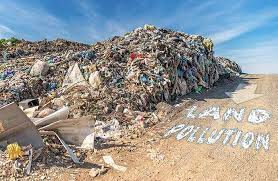
Land pollution can produce environmental, agricultural, economic, and health consequences. The severity depends on the pollutant, exposure level, location, duration, soil conditions, and effectiveness of environmental management practices.
1.Destruction Of Topsoil: Pollutants and destructive land-use practices can damage the productive upper soil layer. Erosion, chemical contamination, compaction, and nutrient depletion reduce soil quality and make agricultural restoration more difficult.
Healthy soil supports food production and ecosystems, so degradation can threaten long-term agricultural productivity. Effective vegetation conservation and land protection can help limit erosion and maintain soil structure.
2. Groundwater Contamination: Pollutants can move downward with infiltrating water through a process known as leaching. Landfills, industrial sites, farms, underground storage areas, and poorly managed waste deposits can contribute.
3. Water Quality Problems: Contaminated soil can become a source of pollutants that reach rivers, streams, lakes, and groundwater. This creates risks for drinking water, irrigation, fisheries, livestock, and aquatic ecosystems.
4. Climate And Ecosystem Disruption: Deforestation, land degradation, waste decomposition, and ecosystem destruction can influence carbon storage, vegetation cover, water movement, and local environmental conditions.
Long-term environmental planning should recognize how land degradation, pollution, biodiversity loss, and climate change interact rather than treating them as completely separate environmental challenges.
5. Human Health Risks: People may encounter pollutants through contaminated food, water, air, soil particles, or direct skin contact. Some hazardous substances can contribute to respiratory problems, skin disorders, developmental effects, or other illnesses.
6. Wildlife Damage: Pollution can destroy habitats, reduce food availability, poison organisms, and force wildlife into unsuitable environments. Persistent contamination may disrupt reproduction, behaviour, population stability, and ecosystem relationships.
7. Nutrient Enrichment Of Water: Excess fertilizers washed from land can increase nutrient concentrations in water. This may encourage excessive algae growth, reduce dissolved oxygen, and create conditions harmful to fish and other aquatic organisms.
8. Air Pollution: Open burning of accumulated waste releases smoke and harmful pollutants. Decomposing waste can also produce gases, while disturbed contaminated soil may release particles that degrade local air quality.
9. Economic And Social Losses: Polluted land can reduce agricultural productivity, property attractiveness, recreational value, and community wellbeing. Cleanup, healthcare, waste management, and environmental restoration also impose additional financial burdens.
Land Pollution And Human Health
Human health risks become more serious when contaminated land occurs near homes, schools, farms, workplaces, food-production areas, or drinking-water sources. Children and workers may face greater exposure through everyday activities.
People may ingest contaminated soil particles accidentally, consume food grown in polluted soil, drink affected water, or inhale contaminated dust. Direct skin contact can also transfer hazardous substances into the body.
Hazardous waste deserves particular attention because some chemicals can cause acute injury while others create long-term effects after repeated exposure. Safe collection, storage, transportation, treatment, and disposal are essential.
Household products also contribute to the problem when people discard paints, batteries, solvents, pesticides, oils, or cleaning chemicals together with ordinary waste. Such materials require separate handling and appropriate disposal channels.
The proper management of hazardous wastes can reduce exposure risks by keeping dangerous substances away from ordinary waste streams, soil surfaces, drainage systems, and areas used by communities.
Children may encounter contaminated soil while playing outdoors, while farmers and waste workers may contact pollutants during routine work. Protective equipment, hygiene practices, training, and safer procedures can reduce exposure.
Communities should report illegal dumping, visible chemical spills, unusual odours, uncontrolled burning, and other warning signs. Early intervention can prevent a localized pollution problem from becoming more widespread.
Public education remains essential because many pollution incidents result from everyday practices. Awareness programmes can encourage responsible disposal, waste segregation, chemical safety, recycling, and better environmental stewardship.
Health protection works best when environmental agencies, communities, businesses, farmers, schools, and households share responsibility for preventing contamination and responding quickly whenever polluted land threatens public safety.
How Land Pollution Affects Agriculture
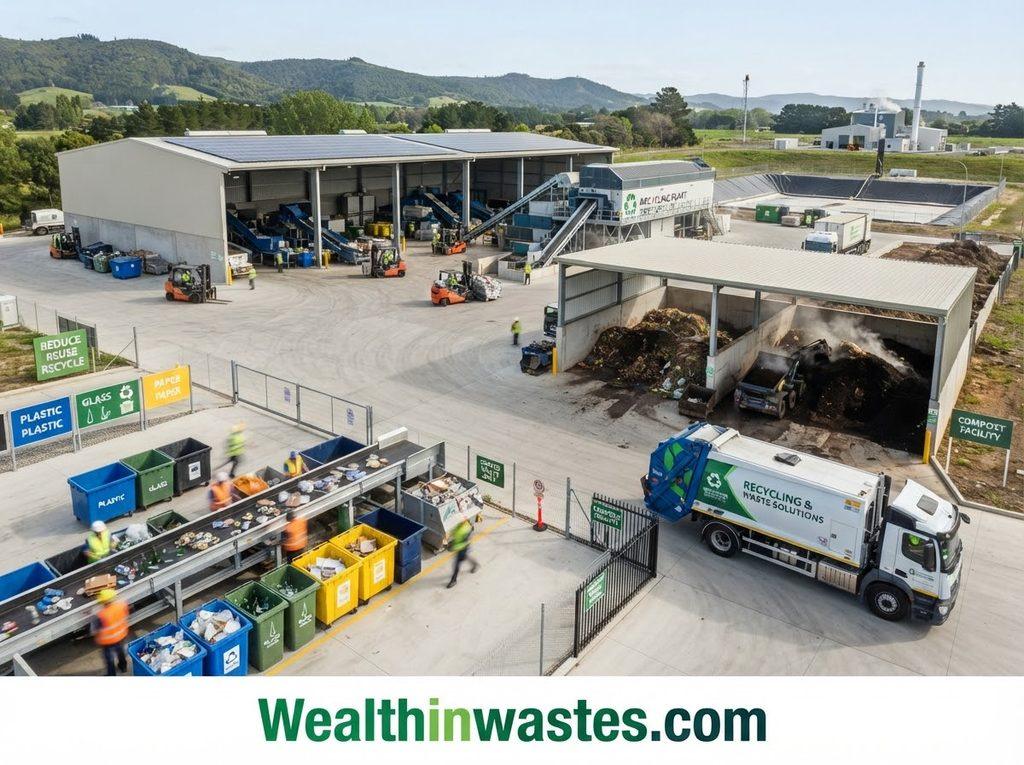
Agriculture depends heavily on healthy soil, clean water, biological activity, and stable ecosystems. Land pollution can interfere with these foundations, reducing productivity and increasing costs for farmers and food producers.
Contaminated soil may affect seed germination, root development, nutrient availability, microbial activity, and crop growth. Persistent pollutants can remain in soil for extended periods, making recovery difficult without careful management.
Excess fertilizer application can contribute to nutrient imbalance, while inappropriate pesticide use may harm beneficial organisms. Better agricultural management focuses on applying inputs according to crop needs and local soil conditions.
Soil erosion removes fertile particles and organic matter from farmland. Farmers can limit this process through cover crops, mulching, contour practices, reduced soil disturbance, vegetation buffers, and other conservation approaches.
Composting organic waste into useful soil amendments can also reduce disposal pressure while returning valuable organic matter and nutrients to suitable agricultural soils under safe management conditions.
Farm waste should remain separate from hazardous materials because pesticides, veterinary medicines, chemical containers, and contaminated plastics may require specialized handling. Mixing them with compostable residues increases environmental and health risks.
Land pollution can also affect livestock when animals graze contaminated areas or drink polluted water. Preventing access to unsafe locations helps protect animal health, food safety, and farm income.
Farmers can reduce pollution by minimizing unnecessary chemical use, safely storing farm inputs, recycling suitable materials, managing manure properly, and preventing waste from entering nearby drains, streams, and open land.
Sustainable farming therefore depends not only on crop production but also on responsible resource management. Healthy land supports stronger yields, better ecosystem services, and more resilient agricultural systems.
Effective Solutions To Land Pollution
Land pollution can be controlled through prevention, responsible waste management, recycling, restoration, public education, enforcement, and cleaner production. The strongest results come from combining several measures rather than relying on one solution.
1. Reduce Waste Generation: Prevent unnecessary waste before it becomes a disposal problem. Source reduction, efficient purchasing, better production planning, and reduced packaging can lower the amount of material requiring treatment.
2. Reuse Materials: Reusing containers, equipment, packaging, and suitable materials keeps products useful for longer. This approach reduces demand for new resources and decreases the quantity of waste entering disposal systems.
3. Recycle Suitable Waste: Paper, metals, glass, plastics, and selected other materials can enter recovery systems instead of dumpsites. Recycling as a pollution-control measure reduces disposal volumes and conserves resources.
4. Compost Organic Materials: Food scraps, leaves, crop residues, and other suitable organic wastes can undergo controlled composting. This reduces landfill pressure while creating useful compost for gardening, landscaping, and appropriate agricultural applications.
5.Improve Waste Collection: Regular collection prevents waste accumulation around homes and public spaces. Communities need suitable storage containers, reliable transport systems, approved disposal facilities, and consistent sanitation services.
6. Enforce Environmental Regulations: Authorities should monitor dumping, industrial discharges, chemical handling, landfill operations, mining activities, and other practices that threaten land quality. Effective enforcement encourages compliance and discourages irresponsible disposal.
7. Control Deforestation: Protecting forests and restoring degraded areas helps reduce erosion, maintain biodiversity, store carbon, and improve soil stability. Reforestation and agroforestry can support both environmental protection and productive land use.
8. Promote Public Awareness: Education can change attitudes toward littering, waste segregation, chemical handling, recycling, and environmental responsibility. Community participation makes pollution-control programmes more practical and sustainable.
9. Adopt Better Waste Technologies: Appropriate treatment technologies can reduce environmental impacts from unavoidable wastes. Alternative waste treatment methods include options such as anaerobic digestion, pyrolysis, gasification, and integrated waste management.
Waste Management Practices That Prevent Pollution
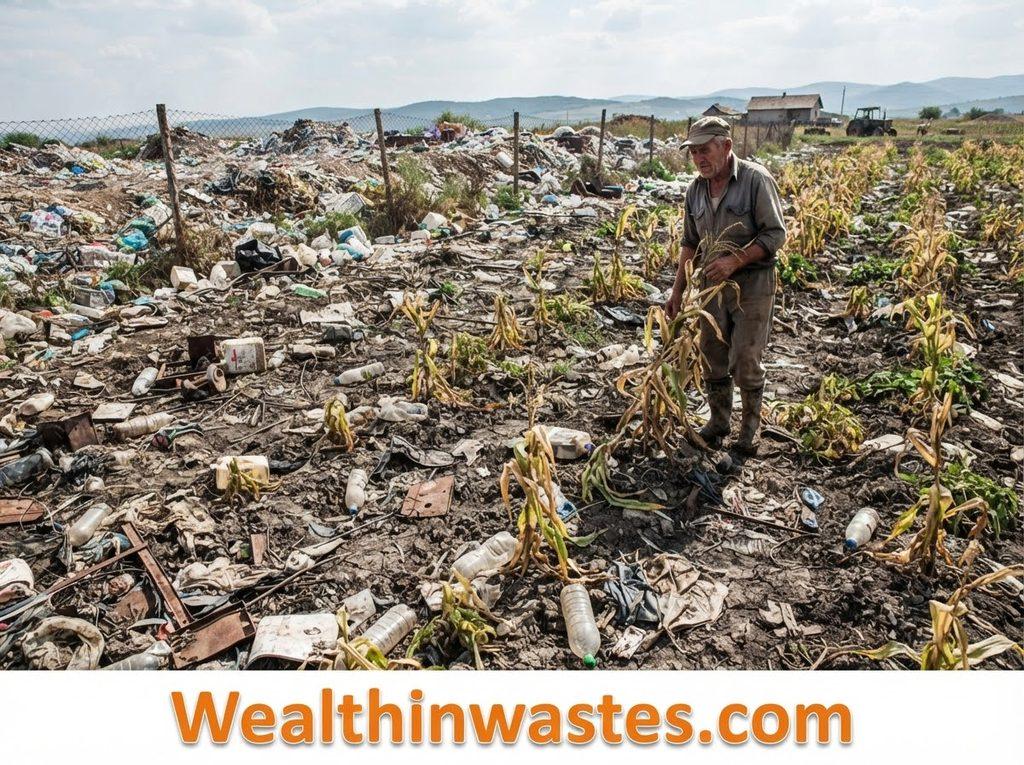
Effective waste management begins where waste is generated. Households, institutions, farms, markets, industries, and construction sites should separate materials so recyclable, organic, hazardous, and residual wastes receive suitable treatment.
A practical waste management hierarchy prioritizes prevention and reduction before reuse, recycling, recovery, treatment, and final disposal. This approach helps reduce unnecessary environmental pressures at every stage.
Proper storage protects people and the environment before collection occurs. Containers should remain secure, suitable for the waste type, and protected from rain, animals, accidental contact, and unnecessary leakage.
Regular collection prevents waste from accumulating around homes and public places. In warm climates, reliable collection schedules also help control odours, flies, rodents, and other sanitation problems associated with decomposing waste.
Waste handlers need safe equipment, clear procedures, training, and appropriate protective clothing. Hazardous materials should remain separated throughout collection and transportation to prevent accidental exposure or cross-contamination.
Communities can improve outcomes by encouraging households to recycle useful materials and compost suitable organic waste. The three Rs of waste management provide a simple framework for everyday behaviour.
Industries should monitor material use and identify opportunities to prevent waste at source. Waste minimization practices can reduce raw-material losses, operating costs, disposal requirements, and pollution risks.
Construction companies should recover reusable materials and send suitable debris for recycling instead of dumping mixed materials on vacant land. Good site management also reduces dust, runoff, litter, and drainage obstruction.
Specialized waste streams need specialized controls. Electronic waste, medical waste, batteries, chemicals, sludge, oils, and radioactive materials should follow appropriate treatment and disposal requirements rather than ordinary waste routes.
Final disposal facilities should use sound design, monitoring, operational controls, and environmental safeguards. A well-managed system minimizes leakage, uncontrolled burning, odour, pests, contamination, and other risks associated with poorly managed disposal.
Proper solid waste management remains one of the most practical ways to prevent land pollution because it controls waste from generation through collection, treatment, recovery, and final disposal.
Read Also: Complete List of Recyclable Wastes (Waste Recyclables)
Practical Ways To Control Land Pollution
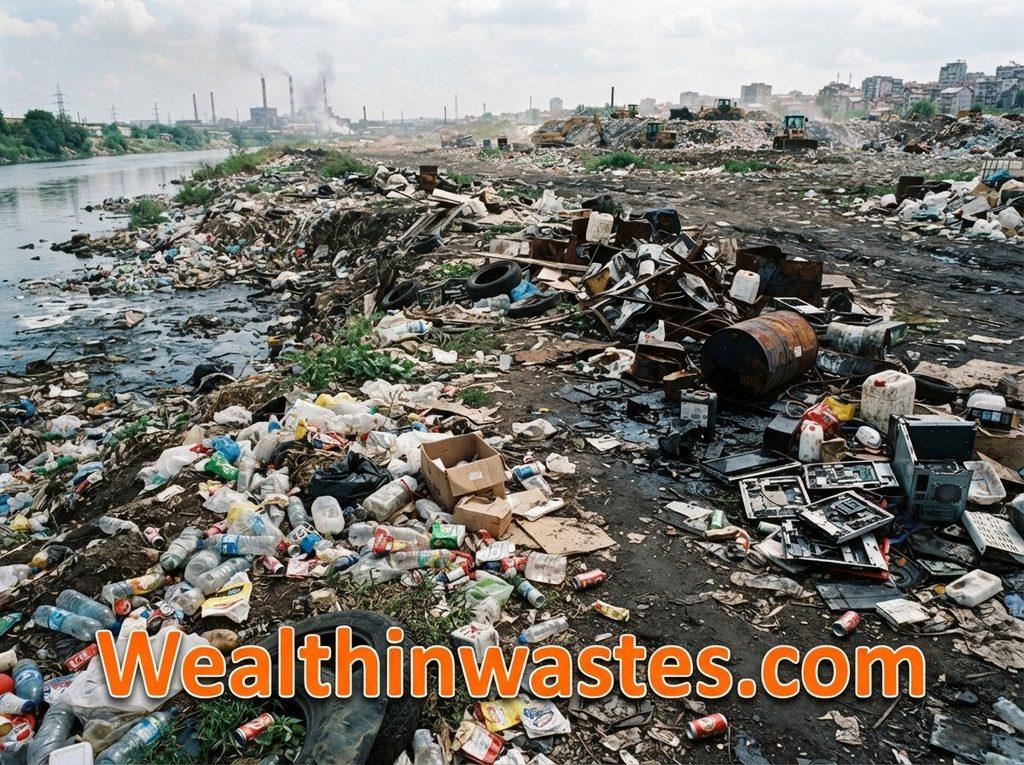
Individuals can reduce land pollution through simple daily choices that prevent unnecessary waste and encourage responsible disposal. These actions become more effective when households, businesses, schools, and authorities cooperate.
1. Avoid Littering: Place waste in designated containers instead of throwing it onto roads, drains, farms, vacant land, or public spaces. Small actions prevent accumulation and make cleanup easier.
2. Separate Waste At Source: Keep organic, recyclable, hazardous, and residual materials apart. Source separation improves recovery efficiency and prevents dangerous substances from contaminating materials that could otherwise be recycled.
3. Reduce Plastic Use: Choose reusable bags, containers, and durable products whenever practical. Reducing single-use plastics lowers the amount of persistent material entering drains, open land, dumpsites, and surrounding ecosystems.
4. Recycle And Recover: Send suitable paper, metals, glass, plastics, electronics, and other recoverable materials to recognized recycling channels. Knowing what can be recycled improves participation and reduces unnecessary disposal.
5. Compost Organic Waste: Compost suitable food scraps, leaves, grass, and crop residues rather than mixing them with general waste. Controlled composting converts biodegradable materials into useful organic matter for soil improvement.
6. Use Farm Chemicals Responsibly: Follow recommended rates, storage procedures, application methods, and disposal instructions for fertilizers and pesticides. Avoid careless dumping of chemical containers and residues onto agricultural land.
7. Support Tree Planting: Planting and protecting trees improves ground cover, reduces erosion, supports habitats, and contributes to healthier landscapes. Social forestry and agroforestry programmes can strengthen these benefits in communities.
8. Dispose Of Hazardous Waste Safely: Keep batteries, paints, solvents, oils, pesticides, chemicals, and other hazardous materials separate from ordinary refuse. Deliver them to suitable collection or treatment facilities whenever available.
9. Participate In Community Cleanup: Organized cleanup campaigns can remove accumulated litter, identify illegal dumps, improve public awareness, and strengthen community ownership of environmental sanitation.
Summary on Land Pollution, Causes, Effects and Solutions
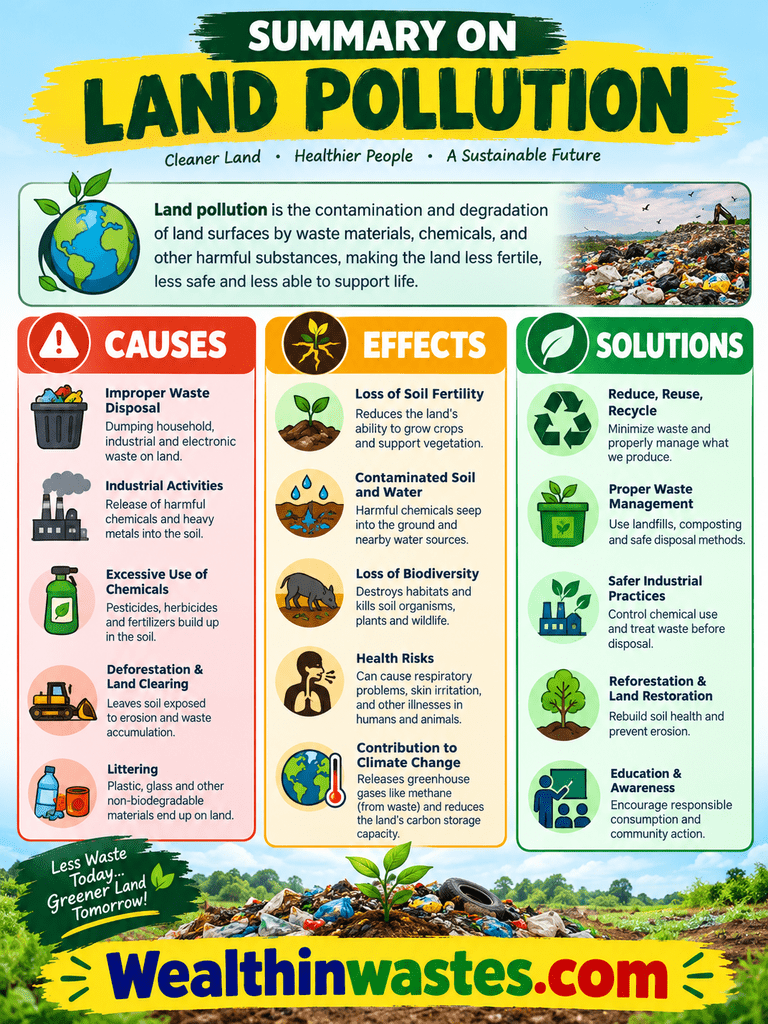
| Aspect | Summary |
|---|---|
| Definition | Land pollution is the contamination or degradation of land through harmful wastes, chemicals, residues, and destructive land-use practices. |
| Major Pollutants | Important pollutants include municipal waste, plastics, hazardous chemicals, agricultural residues, sewage sludge, mining waste, construction debris, electronic waste, and radioactive materials. |
| Main Causes | Key causes include deforestation, erosion, agriculture, mining, landfills, industrialization, construction, sewage disposal, nuclear waste, and littering. |
| Environmental Effects | Land pollution can damage topsoil, contaminate groundwater, degrade habitats, affect water quality, contribute to ecosystem disruption, and reduce biodiversity. |
| Health Effects | Exposure can occur through food, water, dust, skin contact, and contaminated surroundings, creating risks that vary according to the pollutant and exposure level. |
| Agricultural Effects | Polluted land can reduce soil quality, affect crop growth, increase contamination risks, and undermine long-term agricultural productivity. |
| Waste Management | Source reduction, reuse, recycling, composting, safe treatment, proper collection, and controlled disposal help prevent pollution. |
| Practical Solutions | Reduce littering, separate wastes, control plastic use, manage chemicals responsibly, plant trees, support recycling, and strengthen environmental awareness and enforcement. |
Frequently Asked Questions About Land Pollution: Causes, Effects, Prevention and Solutions
1. What is land pollution?
Land pollution is the contamination or degradation of land caused by harmful wastes, chemicals, residues, litter, and destructive human activities.
2. What are the major causes of land pollution?
Major causes include deforestation, agriculture, mining, industrial waste, landfills, construction debris, sewage disposal, nuclear waste, littering, and poor waste management.
3. How does land pollution affect agriculture?
It can reduce soil quality, disturb nutrient balance, harm soil organisms, contaminate crops, increase erosion, and reduce agricultural productivity over time.
4. Can land pollution contaminate groundwater?
Yes. Pollutants can move downward with water through soil layers and eventually contaminate groundwater, especially where waste storage and disposal practices are poor.
5. What are common effects of land pollution?
Common effects include soil degradation, groundwater contamination, habitat destruction, biodiversity loss, health risks, reduced agricultural productivity, water quality problems, and economic losses.
6. How can households reduce land pollution?
Households can reduce pollution by avoiding littering, separating wastes, reducing plastics, reusing products, recycling useful materials, composting organics, and disposing hazardous wastes safely.
7. Why is recycling important for land pollution control?
Recycling keeps useful materials out of dumpsites, reduces disposal volumes, conserves resources, and lowers the environmental pressure associated with producing replacement materials.
8. What is the best way to prevent land pollution?
The best approach combines waste prevention, proper collection, reuse, recycling, composting, safe hazardous-waste handling, responsible land use, environmental education, and effective regulation.
Do you have any questions, suggestions, or contributions? If so, please feel free to use the comment box below to share your thoughts. We also encourage you to kindly share this information with others who might benefit from it. Since we can’t reach everyone at once, we truly appreciate your help in spreading the word. Thank you very much for your support and for sharing!
Read Also: Water and Land Pollution in Agriculture