


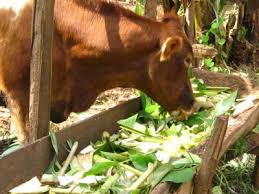
Although animal metabolism follows broadly similar biochemical principles, species differences can create important variations in how pesticides are absorbed, transformed, distributed, stored, and eliminated during farm animal production and management.
Animals digest feed through fermentation, hydrolysis, microbial activity, and enzymatic reactions before nutrients enter the bloodstream through the gastrointestinal tract and become available to tissues responsible for metabolism and elimination.
Ruminant livestock have an additional digestive compartment because their rumen contains bacteria, protozoa, anaerobic fungi, and other microorganisms that transform feed inside the digestive system before it reaches the true gastric stomach.
The rumen provides a strongly reducing environment with limited oxygen, encouraging reductive microbial reactions that can chemically modify some pesticide molecules before the compounds enter later digestive and absorption compartments.
Pesticide metabolism therefore involves more than the liver alone because the gastrointestinal tract, rumen, skin, and other tissues can contribute to chemical transformation and influence residues eventually found in livestock products.
Understanding Pesticide Metabolism in Livestock Animals
Pesticide metabolism in livestock animals describes the biochemical changes that pesticide compounds undergo after entering an animal through feed, water, skin contact, inhalation, or other exposure pathways within animal biological systems.
These changes can make a compound more water-soluble, less toxic, more readily excreted, or occasionally more biologically active depending on the pesticide, animal species, dose, and environmental movement before exposure.
The process usually involves reactions such as oxidation, reduction, hydrolysis, and conjugation, which change the chemical structure of the parent pesticide and influence how long residues remain within animal tissues.
Species differences matter because one animal may efficiently convert a pesticide into a relatively harmless metabolite, while another animal may transform the same compound differently and eliminate it more slowly.
Researchers therefore consider species-specific responses when evaluating pesticide exposure pathways, because metabolic differences can affect animal exposure, residue distribution, and the safety of foods derived from treated livestock under specific conditions.
Read Also: Soil Fumigation, Importance and Types of Fumigation
Rumen Pesticide Metabolism in Ruminant Animals
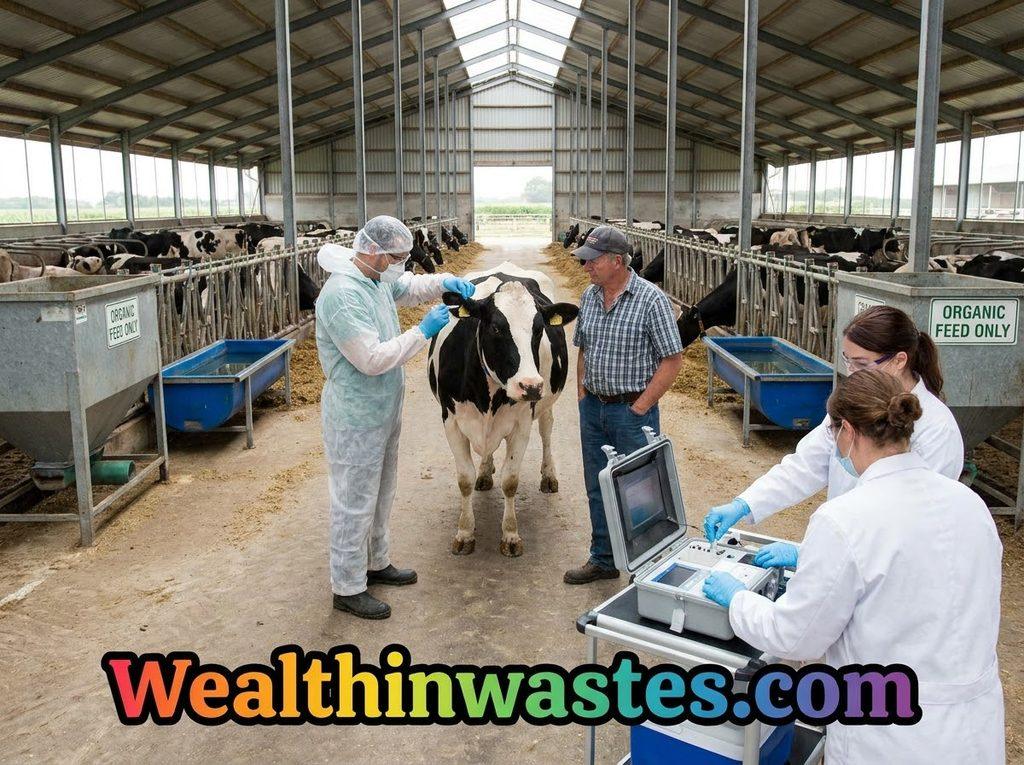
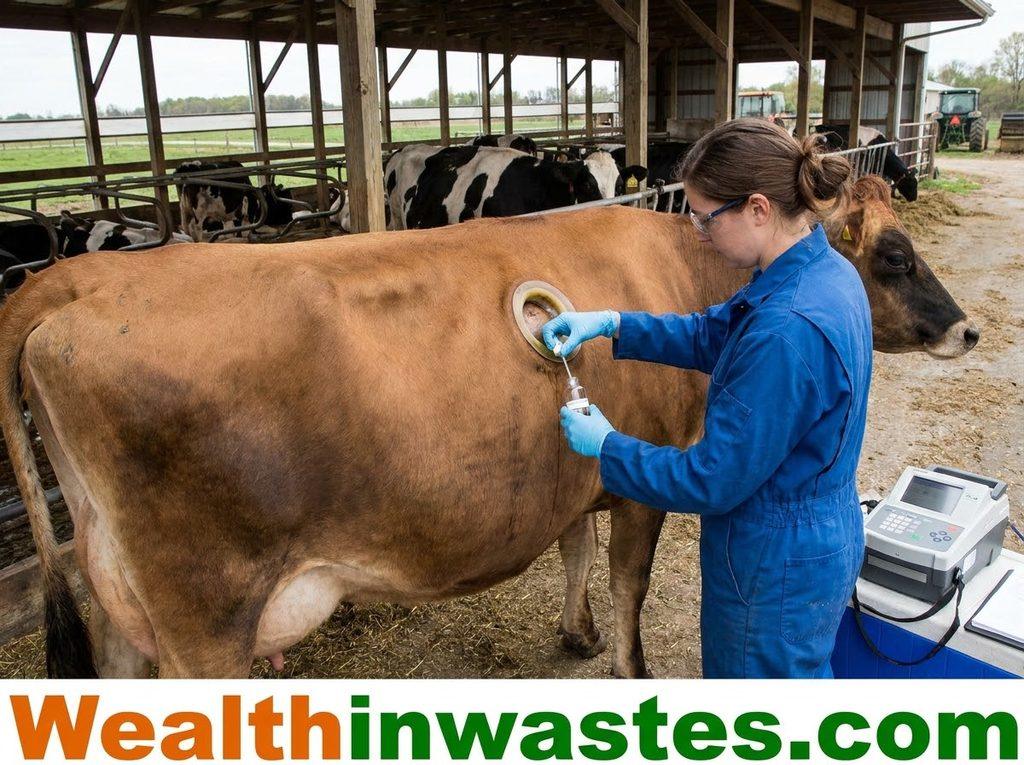
1. Rumen Fermentation: The rumen acts as a microbial fermentation chamber where bacteria, protozoa, and anaerobic fungi digest fibrous feed and can chemically transform pesticide compounds before significant absorption occurs.
2. Reductive Conditions: The rumen contains very little oxygen and maintains a negative redox potential, creating conditions that favor reduction reactions and other anaerobic transformations affecting susceptible pesticide structures in contaminated feed.
3. Microbial Modification: Rumen microorganisms can alter pesticide molecules before they reach the gastric stomach, potentially changing absorption characteristics, toxicity, persistence, or susceptibility to later metabolic reactions within animals consuming treated grain and pulse feeds.
4. Feed-Dependent Exposure: The amount and composition of forage or concentrate influence how much pesticide enters the rumen and how long residues remain available, including residues found on treated fruits and vegetables used as feed.
Liver And Gastrointestinal Pesticide Metabolism
After material leaves the rumen, pesticide compounds can encounter additional digestive and metabolic processes that determine whether they remain unchanged, undergo further transformation, enter circulation, or leave through normal excretory routes.
The liver remains the principal metabolic organ because it contains extensive enzyme systems that modify foreign compounds and often prepare them for elimination through urine, bile, feces, or other routes.
The gastrointestinal tract also contributes significantly because intestinal microorganisms can perform reactions under low-oxygen conditions, including reductions that differ from oxidative pathways commonly associated with hepatic metabolism in many animals.
Conjugated compounds released into bile may reach the intestine, where gut microorganisms can hydrolyze glucuronides, sulfate esters, and other conjugates, potentially changing their reabsorption, transformation, and elimination patterns before elimination occurs.
Information on pesticide metabolism in biological systems also helps explain residue behavior because animals may consume crops containing parent pesticides or plant metabolites that enter livestock tissues through contaminated feed.
Environmental transformation before ingestion also matters because pesticide persistence and movement can determine which parent compounds and metabolites reach feed materials, as explained by factors influencing pesticide degradation in agricultural soils.
Skin Exposure and Pesticide Metabolism

1. Direct Skin Contact: Pesticides applied to livestock for parasite control can cross the skin, while residues on treated surfaces may create exposure through contaminated housing or equipment, increasing residue contamination risks.
2. Cutaneous Enzymes: Skin tissues contain metabolic enzymes capable of carrying out reactions that resemble some liver functions, including oxidation, reduction, hydrolysis, and conjugation of absorbed chemical compounds after repeated exposure.
3. Surface Microorganisms: Bacteria living on the skin surface may degrade some pesticide molecules before deeper absorption occurs, although the extent of transformation depends strongly on the chemical, animal, and exposure conditions.
4. Secondary Exposure Routes: Contaminated feed, water, soil, bedding, or treated facilities may expose livestock indirectly, linking pesticide movement with internal residue formation and broader water contamination pathways affecting animal environments.
Factors Affecting Pesticide Metabolism in Livestock
1. Animal Species: Cattle, sheep, goats, pigs, and poultry possess different digestive structures, enzyme systems, metabolic rates, and excretory capacities, causing pesticide transformation and residue patterns to vary among species.
2. Gender And Physiology: Biological differences related to sex, age, reproductive status, growth, and physiological condition can influence enzyme activity, feed intake, absorption, distribution, and elimination of pesticide compounds within tissues.
3. Dose Rate: Metabolism does not always increase proportionally with dose because metabolic pathways may become saturated, causing higher exposure levels to produce disproportionately greater residues; careful application practices can limit exposure.
4. Chemical Properties: Lipid solubility, chemical stability, molecular structure, and susceptibility to enzymes influence whether a pesticide is rapidly transformed, retained in fatty tissues, or eliminated through environmental and biological pathways.
5. Exposure Duration: Repeated or prolonged exposure can create different residue patterns from a single dose because accumulation, enzyme adaptation, depletion, and continual elimination may occur simultaneously under changing exposure conditions.
Pesticide Residues in Livestock Products

Pesticide metabolites and parent compounds may distribute among liver, kidney, muscle, adipose tissue, milk, eggs, and other biological compartments depending on their chemical properties and the animal’s physiological processes after exposure.
Lipophilic compounds may associate strongly with body fat, whereas more water-soluble metabolites often leave the body more readily through urine, bile, feces, milk, or other excretory routes under normal conditions.
Residues in edible tissues matter because livestock may receive pesticides directly during parasite control or indirectly through contaminated crops, forage, water, soil, buildings, and feed materials used during production within production systems.
Understanding food contamination and pollution sources is important because agricultural chemicals can enter food-producing systems before livestock consume treated materials or contaminated environmental resources, creating avoidable exposure pathways over time and distance.
Persistent pesticide compounds can remain in food chains when environmental contamination continues, and concerns about hazardous pesticides increase when weak handling practices allow unnecessary exposure of animals, workers, and consumers over time.
Longer exposure can increase accumulation for persistent compounds, while appropriate metabolism and elimination can reduce tissue concentrations over time; the final residue pattern depends on both exposure and biological processing within each animal.
Feed contamination deserves special attention because treated grain, forage, and crop residues can transfer pesticide residues into animal diets, especially when storage, harvesting, and hazardous substance handling practices fail to control contamination.
Livestock Metabolism Studies And Food Safety
1. Define Residue Identity: Livestock metabolism studies identify the parent pesticide and major metabolites present after exposure so researchers can determine which chemical residues may reach edible tissues and products consumed by people.
2. Measure Residue Distribution: Studies examine where residues occur within muscle, liver, kidney, fat, milk, eggs, and other tissues, helping establish which products require close residue monitoring and control across edible products.
3. Evaluate Exposure Conditions: Investigations use realistic livestock species, representative diets, and approved application patterns to determine how pesticide use affects residue formation, supporting practical residue management measures and residue control.
4. Validate Analytical Methods: Researchers assess extraction and analytical procedures to confirm that laboratory methods can recover and measure relevant residues accurately from complex animal tissues, feeds, and products across testing stages.
5. Support Food Safety Decisions: The resulting information contributes to residue assessments, withholding periods, regulatory decisions, and controls intended to protect consumers of meat, milk, and eggs through effective pollutant control practices.
6. Guide Environmental Control: Findings can also connect animal residue problems with contamination sources in farms, soils, feed stores, and water, helping producers understand broader environmental management responses across farm environments.
Read Also: Effects of Pesticide Residues on Livestock Animals
Managing Pesticide Residues in Livestock Production
1. Follow Approved Pesticide Directions: Farmers should use pesticides only according to approved labels, application rates, target uses, and restrictions because improper use can increase livestock exposure and food residue risks.
2. Protect Feed And Water: Pesticides should remain physically separated from feed, water, forage, and animal housing to prevent accidental contamination and unnecessary exposure through ingestion or contact and storage areas.
3. Manage Treated Crops Carefully: Observe required harvest intervals and manage treated forage or grain properly so animals do not consume commodities carrying residues above permitted levels throughout the production cycle.
4. Maintain Suitable Withdrawal Periods: When pesticides are applied directly to livestock, producers should respect approved withholding periods before animals or products enter the food supply, reducing avoidable residue violations.
5.Monitor Residue Risks: Producers and laboratories should use reliable records, sampling procedures, and analytical methods to identify unexpected residues and improve control of chemical contamination in agricultural environments properly.
6. Prevent Wider Pollution: Good residue management should also limit runoff, leaching, spills, and disposal losses because pesticide movement through land and water can affect livestock indirectly; surface-water transport illustrates this pathway.
7. Protect Farm Economics: Preventing excessive residues protects product quality, reduces rejected consignments, and limits avoidable financial losses associated with contamination, testing failures, and disrupted agricultural economic outcomes throughout livestock production.
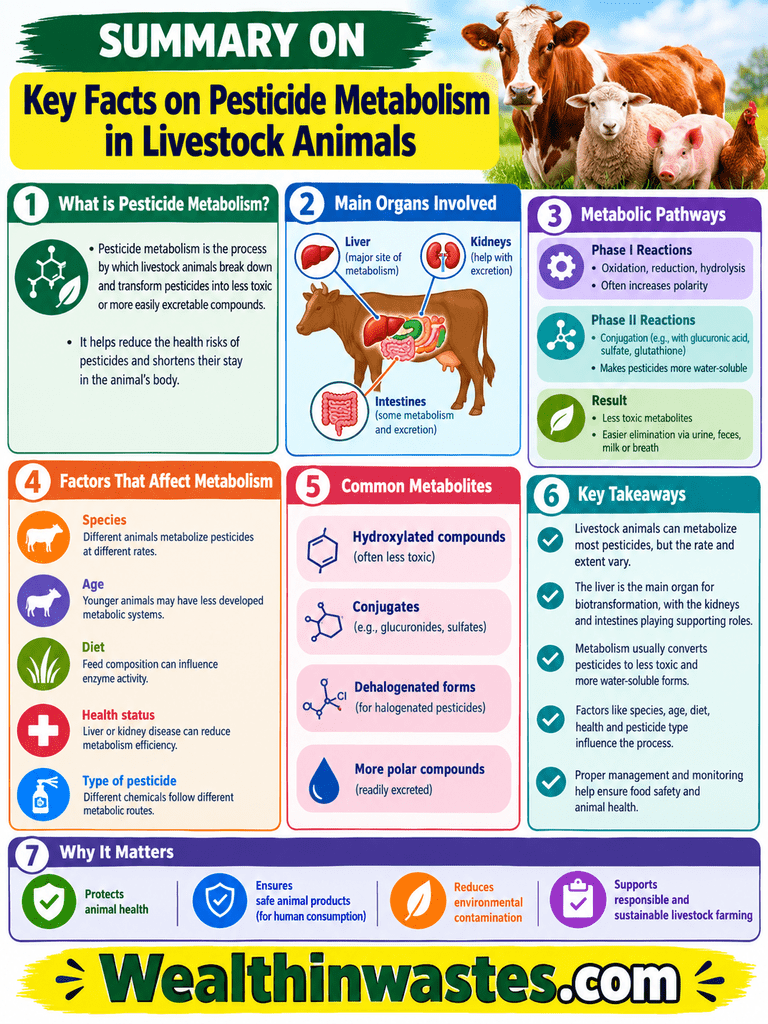
Summary on Key Facts on Pesticide Metabolism in Livestock Animals
| Section | Main Idea | Why It Matters |
|---|---|---|
| Animal Metabolism | Pesticides undergo absorption, transformation, distribution, and elimination. | These processes determine residue persistence and biological effects. |
| Rumen Metabolism | Rumen microorganisms can modify pesticides before further digestion. | Ruminants may transform chemicals differently from non-ruminants. |
| Liver And Gut | The liver and intestinal microbes perform major metabolic reactions. | They influence detoxification, conjugation, reabsorption, and elimination. |
| Skin Exposure | Skin enzymes and surface microbes can contribute to transformation. | Direct pesticide treatment can create additional residue pathways. |
| Residues | Parent compounds and metabolites may reach meat, milk, and eggs. | Residue control protects food quality and consumer safety. |
| Metabolism Studies | Studies identify residues, distribution, exposure patterns, and analytical requirements. | Results support food safety and residue management decisions. |
| Risk Management | Proper application, feed protection, withdrawal periods, and monitoring reduce risks. | Good practices limit contamination and economic losses. |
Frequently Asked Questions About Pesticide Metabolism in Livestock Animals
1. What is pesticide metabolism in livestock animals?
Pesticide metabolism is the series of biological reactions that change pesticide compounds after they enter livestock, influencing their toxicity, persistence, distribution, and elimination.
2. Why is the rumen important in pesticide metabolism?
The rumen contains anaerobic microorganisms that can transform some pesticides before digestion continues, potentially changing how chemicals are absorbed and metabolized in ruminant animals.
3. Which organ performs most pesticide metabolism?
The liver performs much of the metabolism, but the gastrointestinal tract, rumen, skin, and other tissues can also transform pesticide compounds.
4. What factors affect pesticide metabolism in livestock?
Species, gender, age, physiological condition, dose, chemical properties, exposure duration, feed composition, and environmental exposure can all influence pesticide metabolism.
5. Can pesticide residues enter milk and eggs?
Yes. Depending on the chemical and exposure pattern, pesticide residues or metabolites can distribute into edible tissues and products such as milk and eggs.
6. Why are livestock metabolism studies necessary?
They identify residue types, distribution patterns, analytical requirements, and exposure relationships needed to support food safety assessments and residue control decisions.
7. How can farmers reduce pesticide residues in livestock products?
Farmers can follow pesticide labels, protect feed and water, observe withdrawal periods, manage treated crops carefully, maintain records, and monitor contamination risks.
Do you have any questions, suggestions, or contributions? If so, please feel free to use the comment box below to share your thoughts.We also encourage you to kindly share this information with others who might benefit from it. Since we can’t reach everyone at once, we truly appreciate your help in spreading the word. Thank you very much for your support and for sharing!
Read Also: Storage and Quality Control of Animal Feeding Stuffs and Forage