


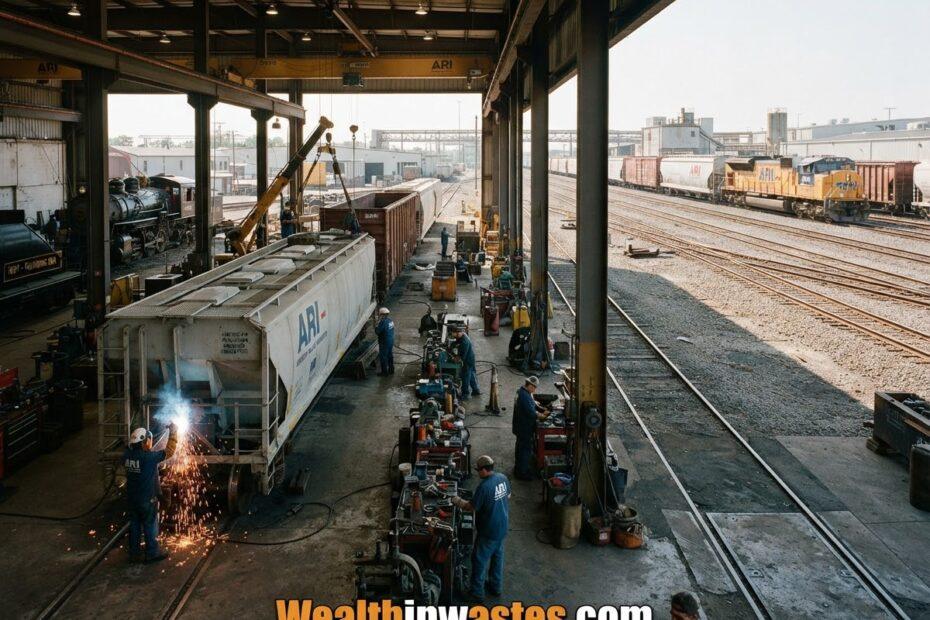
American Railcar Industries (ARI) became an important name in North American freight rail through manufacturing, component production, maintenance, and fleet services for industrial customers moving essential commodities across long distances.
Its story reflects changes in the American rail equipment market as manufacturers, leasing companies, and service providers adapted to evolving customer requirements, new ownership arrangements, and increasingly specialized freight transportation needs.
The company developed from railcar repair and component manufacturing into a producer of covered hopper cars and tank cars, providing equipment that supported agricultural, chemical, energy, and manufacturing supply chains.
Ownership changes in 2018 and 2019 separated the manufacturing business from the leasing and maintenance operations, creating a distinction that remains important when researching American Railcar Industries and its successor businesses today.
Today, American Industrial Transport (AITX) continues the leasing and repair legacy associated with ARI, helping industrial customers manage railcar availability, maintenance requirements, equipment performance, and freight transportation across North America.
American Railcar Industries History and Ownership
American Railcar Industries traces its corporate roots to 1988, when the business emerged from assets associated with ACF Industries, a historic American railcar builder, and initially focused on repair, parts, and fleet support.
These early operations helped ARI develop practical experience in maintaining freight equipment and supporting railcar owners. The company built its reputation around technical services, replacement components, and dependable support for industrial transportation requirements.
By 1999, ARI had expanded into manufacturing new railcars, particularly covered hopper cars and tank cars. These products strengthened its market position while supporting efficient use of industrial materials and the movement of essential commodities.
Its manufacturing expansion also reflected the importance of controlling material use throughout industrial production. Businesses seeking to improve resource efficiency can apply similar thinking when considering ways to reduce avoidable production waste.
On December 5, 2018, ITE Management completed its acquisition of ARI, including a railcar fleet and manufacturing, maintenance, and servicing operations. ITE’s acquisition announcement documents this important ownership transition.
Greenbrier subsequently completed the acquisition of ARI’s manufacturing business on July 26, 2019. ITE retained the leasing and maintenance operations, which later adopted the American Industrial Transport (AITX) name in July 2020.
This separation explains why the American Railcar Industries name now primarily describes a historical manufacturing business, while AITX carries forward the related leasing and repair operations serving industrial customers throughout North America.
Read Also: Evolving Waste Management Industry Trends
American Railcar Industries Today: AITX’s Role
American Industrial Transport operates as a specialist in railcar leasing, repair, maintenance, and fleet support. Its integrated approach helps customers access suitable equipment and coordinate the services needed to keep freight moving.
1. Railcar Leasing: AITX provides access to different railcar types for companies transporting industrial commodities. Leasing helps customers obtain suitable equipment without purchasing every railcar outright, supporting more flexible capital allocation.
2. Repair and Maintenance: The company maintains and repairs leased and customer-owned railcars through its service network. Its capabilities include inspections, mechanical work, cleaning, coatings, and major repairs that help equipment remain operational.
3. Fleet Support and Digital Tools: AITX combines customer service, repair coordination, and digital fleet visibility to improve planning. Its website describes an integrated approach designed to simplify maintenance management and equipment utilization.
The company also depends on experienced technicians, inspectors, mechanics, and operational specialists. Readers interested in related environmental-sector careers can explore technical and waste management career opportunities to understand broader workforce pathways.
For additional background on terminology used in industrial material handling, consult this guide to environmental and materials management terms, which helps readers understand concepts frequently encountered across industrial operations.
Railcar Types and Their Industrial Uses
The railcar selected for a shipment depends on its physical properties, loading requirements, unloading equipment, safety considerations, and destination. Understanding these differences helps businesses choose appropriate transportation solutions for their commodities.
1. Covered Hopper Cars: These enclosed railcars transport dry bulk commodities that require protection from weather and contamination. Common cargo includes grain, flour, sugar, fertilizer, cement, and plastic pellets used in manufacturing.
2. Tank Cars: Tank cars carry liquids, liquefied gases, and certain specialized materials. Depending on the cargo, their design may include particular linings, heating systems, or pressure ratings to support safe transportation and handling.
Shippers handling regulated chemicals should understand the hazards associated with particular materials and follow the applicable classification requirements. Accurate assessment of regulated waste streams also helps businesses determine appropriate handling and disposal procedures.
3. Open-Top Hoppers, Gondolas, and Boxcars: Other freight equipment supports different cargo requirements. Open-top hoppers move bulk materials, gondolas carry products such as scrap metal, and boxcars protect packaged goods during transportation.
Commodity handling also requires reliable quality controls and clear documentation, especially when cargo presents environmental or safety concerns. Appropriate sampling and material-handling procedures help organizations maintain dependable records throughout relevant industrial processes.
Railcar Leasing and Fleet Management Benefits
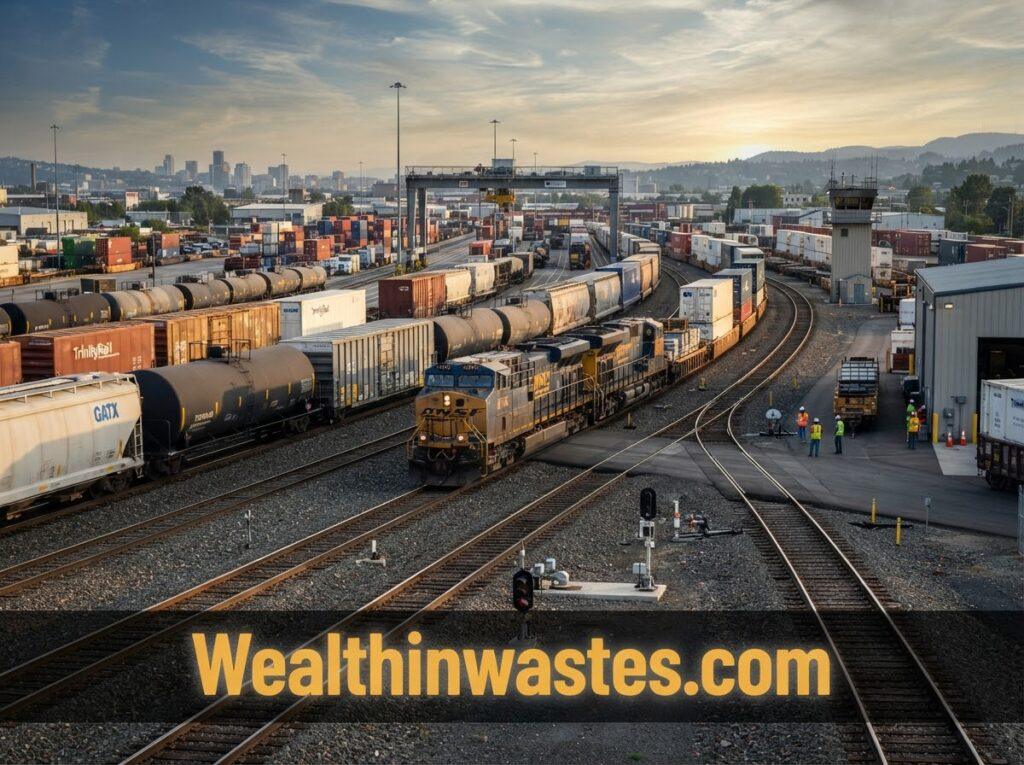
Railcar leasing offers businesses an alternative to purchasing and maintaining every piece of freight equipment themselves. The arrangement can support capacity planning, cash-flow management, and operational flexibility as shipping requirements change.
1. Lower Initial Capital Requirements: Leasing enables a company to obtain suitable railcars without making the full upfront investment associated with purchasing equipment. Businesses can therefore allocate capital toward production, facilities, inventory, and other operating priorities.
2. Flexible Fleet Capacity: Different industries experience seasonal peaks and changing shipping volumes. Access to leased equipment can help businesses respond to these fluctuations without committing immediately to a permanent increase in their owned railcar fleets.
3. Coordinated Fleet Maintenance: Combining leasing arrangements with repair support helps customers plan inspections, manage service requirements, and reduce avoidable disruptions. This approach complements resource and material reduction strategies by encouraging better operational planning.
Effective asset management also encourages businesses to use available equipment productively rather than allowing valuable resources to remain underutilized. The broader principles behind recovering and reusing valuable materials reinforce the importance of improving resource efficiency throughout industrial supply chains.
For organizations seeking to coordinate several environmental responsibilities alongside commercial operations, the principles of integrated environmental management provide additional context for planning, resource use, and operational decision-making.
Railcar Repair, Safety, and Compliance
Railcar maintenance protects equipment integrity and supports reliable freight operations. AITX provides repair services through a North American network that includes full-service facilities and field-service capabilities for customer-owned and leased equipment.
1. Inspection and Mechanical Repairs: Technicians assess components, examine structural conditions, and repair defects that could affect performance. Timely intervention helps identify potential problems before they cause more serious operational delays or equipment failures.
2. Cleaning and Surface Protection: Railcars often require cleaning, coatings, or interior lining services to meet commodity requirements. Proper preparation helps maintain equipment condition and reduces the risk of contamination between incompatible cargoes during subsequent operations.
3. Environmental Controls: Repair facilities must manage dust, wastewater, chemical residues, and other operational by-products. Appropriate industrial pollution-control measures can help reduce emissions and limit risks to workers and surrounding communities.
Facilities also need suitable systems for collecting and managing liquid waste generated during cleaning. Reviewing available wastewater treatment options can help industrial operators understand the processes used to manage contaminated water responsibly.
AITX reports that its repair network includes more than 20 locations and supports service for over 18,000 railcars annually. Its official repair network information provides current details about the company’s service capabilities.
Industries Supported by American Railcar Operations
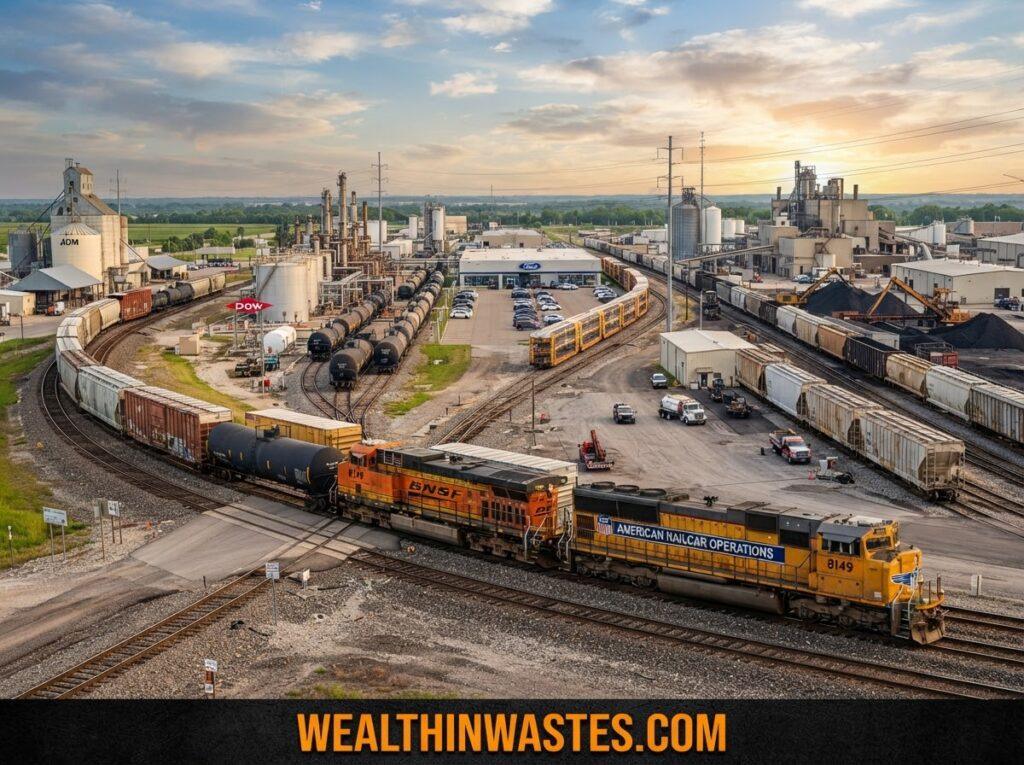
American Railcar Industries developed rail equipment for sectors that depend on regular deliveries of raw materials and finished products. The current AITX platform supports these broader industrial needs through leasing, maintenance, repair, and fleet services.
1. Agriculture and Food Processing: Covered hopper cars transport grain, flour, sugar, fertilizer, animal feed, and other dry commodities. These movements connect farms, storage facilities, processors, manufacturers, and distribution networks across regional markets.
Within agricultural supply chains, chemical products and pesticide packaging also require suitable handling and disposal practices. Guidance on managing agricultural chemical containers helps explain the environmental considerations surrounding these materials.
2. Energy and Chemical Production: Tank cars support the transportation of suitable petroleum products, industrial chemicals, and other regulated liquids. Shippers must match cargo characteristics with appropriate equipment specifications, operating procedures, and applicable safety requirements.
3. Construction and Manufacturing: Rail freight moves materials such as cement, minerals, and manufacturing inputs. Businesses can improve their environmental practices by understanding different industrial waste categories and managing the by-products associated with production.
Industrial facilities also benefit from understanding the objectives of responsible solid waste management, particularly when they handle packaging, damaged materials, maintenance residues, or other waste streams connected with manufacturing and distribution.
Appropriate treatment and disposal practices remain important wherever industrial activities generate materials that require controlled handling, recovery, or final disposal in accordance with relevant requirements.
Freight Rail’s Economic and Supply Chain Value
Reliable railcar availability helps businesses coordinate production schedules, warehouse inventories, and deliveries. When equipment remains operational, companies can plan shipments more confidently and reduce disruptions that might otherwise affect customers and suppliers.
Leasing and repair services also support business efficiency by providing access to equipment and maintenance resources without requiring every customer to manage a complete railcar operation independently.
Efficient transportation can complement broader waste reduction efforts by helping businesses coordinate material purchases, shipment quantities, storage, and production needs, although actual savings depend on routing, load utilization, and operating conditions.
Freight transportation also forms part of a wider industrial system that includes material recovery and disposal. Understanding these relationships requires attention to the systems used to control and manage waste throughout production, storage, handling, and distribution.
Rail Transportation and Environmental Considerations
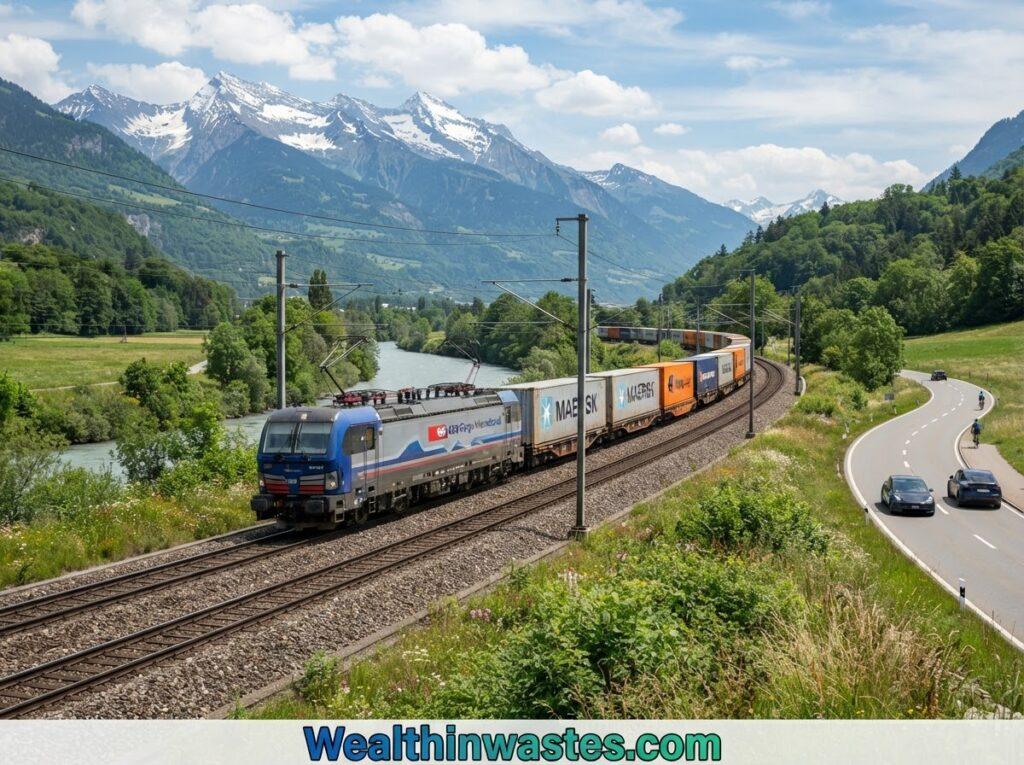
Rail freight can move substantial quantities of commodities over long distances, making it an important option in many industrial logistics plans. Its environmental performance, however, depends on route efficiency, locomotive technology, load factors, and operational conditions.
Companies must also consider environmental risks associated with loading, unloading, maintenance, and accidental releases. Understanding the potential health effects of poorly managed wastes reinforces the importance of sound handling practices and effective workplace controls.
Repair shops and industrial facilities can also assess emissions through appropriate air quality monitoring methods. Such measurements help organizations understand pollution levels and evaluate the effectiveness of their environmental management procedures.
Ultimately, American Railcar Industries remains an important part of North American freight rail history, while AITX continues its leasing and repair legacy. Their combined story illustrates how equipment, maintenance, and logistics support industrial supply chains.
Read Also: Environmental Monitoring and Programme
Summary on American Railcar Industries: History, Services and Impact
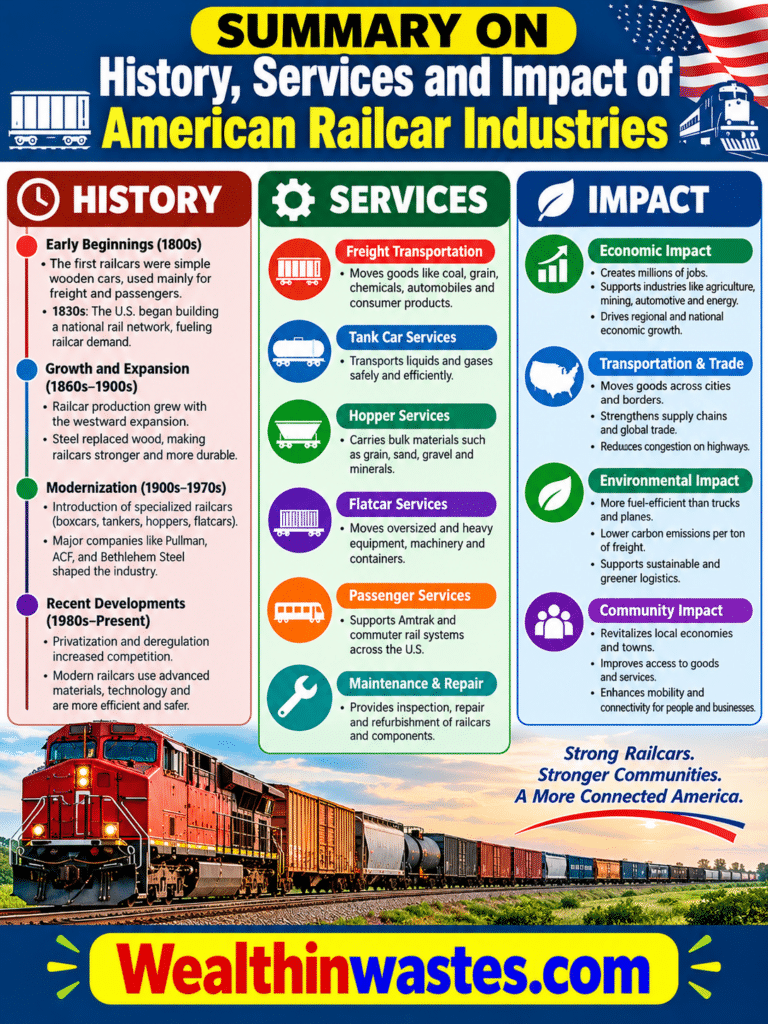
| Topic | Summary |
|---|---|
| Company History | ARI emerged in 1988 from assets associated with ACF Industries and expanded into railcar manufacturing in 1999. |
| Ownership Changes | ITE acquired ARI in December 2018, and Greenbrier completed the acquisition of its manufacturing business in July 2019. |
| Current Business | American Industrial Transport (AITX) carries forward the leasing, repair, maintenance, and fleet-support operations. |
| Railcar Types | Equipment includes covered hoppers, tank cars, open-top hoppers, gondolas, and boxcars for different freight requirements. |
| Leasing Services | Leasing provides access to railcars without requiring customers to purchase every asset outright. |
| Repair and Maintenance | Repair facilities and field services support inspections, cleaning, coatings, mechanical work, and major repairs. |
| Industries Served | Railcar services support agriculture, food processing, energy, chemicals, construction, and manufacturing. |
| Economic Contribution | Reliable equipment helps businesses coordinate shipments, maintain supply chains, and transport materials across North America. |
| Environmental Considerations | Safe cargo handling, equipment maintenance, and responsible management of operational waste remain important throughout rail operations. |
Frequently Asked Questions About American Railcar Industries: History, Services and Impact
1. What is American Railcar Industries?
American Railcar Industries was a railcar manufacturer and service provider. Following ownership changes, Greenbrier acquired its manufacturing business, while leasing and repair operations continued under AITX.
2. What does AITX stand for?
AITX stands for American Industrial Transport. The company provides railcar leasing, repair, maintenance, and fleet-support services for industrial customers across North America.
3. When was American Railcar Industries founded?
American Railcar Industries traces its roots to 1988, when the business emerged from assets associated with the historic ACF Industries railcar manufacturing operations.
4. Who acquired ARI’s manufacturing business?
The Greenbrier Companies completed the acquisition of ARI’s manufacturing business on July 26, 2019, following an agreement announced earlier that year with ITE Management.
5. What railcars does AITX support?
AITX supports different railcar types, including tank cars, covered hoppers, and other freight equipment, depending on customer requirements and the specific services available.
6. Which industries use AITX services?
Customers operate across agriculture, chemicals, energy, construction, and manufacturing. These industries depend on suitable railcars and dependable maintenance to move commodities and maintain transportation schedules.
7. Does AITX repair railcars?
Yes. AITX offers inspections, maintenance, mechanical repairs, cleaning, coatings, and additional services through its repair network, supporting both leased equipment and customer-owned railcars.
8. Why is railcar leasing useful?
Leasing allows companies to access equipment without purchasing every railcar. It can support flexible capacity planning and free capital for other business priorities.
9. Why is railcar maintenance important?
Regular inspection and maintenance help identify defects, improve reliability, support applicable safety requirements, and reduce avoidable downtime that can disrupt freight transportation and industrial supply chains.
10. Where can readers find current AITX information?
Readers can consult AITX’s official website for current fleet information, leasing options, repair locations, and service details, since operational capabilities may change over time.
Do you have any questions, suggestions, or contributions? If so, please feel free to use the comment box below to share your thoughts. We also encourage you to kindly share this information with others who might benefit from it. Since we can’t reach everyone at once, we truly appreciate your help in spreading the word. Thank you very much for your support and for sharing!
Read Also: Economic Importance of fish to Man