



Understanding how animals transform pesticides is essential for evaluating chemical safety, because a pesticide can change into metabolites with different persistence, activity, toxicity, distribution, and routes of elimination after exposure.
Animal metabolism studies therefore examine what happens after exposure through feed, water, skin contact, inhalation, or other pathways, helping researchers trace pesticide movement from absorption through transformation, storage, and excretion.
These studies also support food safety because residues or metabolites may remain in edible tissues, milk, eggs, or other products, depending on the pesticide, exposure pattern, species, dose, and withdrawal period.
Metabolism can reduce toxicity through detoxication, yet some reactions can produce more biologically active compounds through activation, making the chemical behavior inside an animal important for hazard assessment and pesticide regulation.
Understanding these processes also explains differences among animal species, variations in pesticide sensitivity, development of resistance, and changes in residue levels that influence environmental protection, veterinary practice, and public health.
What Pesticide Metabolism Means in Animals
The term pesticide metabolism describes the chemical transformation of a pesticide after it enters an animal, usually through enzyme-mediated reactions that alter its structure, biological activity, distribution, and eventual elimination.
Animals encounter pesticides as xenobiotics, meaning foreign compounds that biological systems recognize and process through protective biochemical mechanisms designed to reduce chemical disruption and maintain internal stability within tissues and organs.
Those mechanisms can change pesticide molecules into metabolites that dissolve more readily in body fluids, bind to other compounds, enter tissues, or leave the body through urine, feces, bile, milk, or respiration.
Metabolism does not always mean complete detoxication. Some reactions decrease toxicity, while others create metabolites that retain activity or become more toxic than the original pesticide under particular biological conditions.
Because pesticide behavior varies with chemical structure and animal biology, researchers study both the parent compound and its metabolites when evaluating exposure, toxicity, residue persistence, and potential food safety concerns.
Before transformation occurs, the pesticide must reach biological tissues through absorption. The gastrointestinal tract, lungs, and skin can contribute differently depending on formulation, exposure route, dose, and overall animal behavior.
After absorption, blood carries the compound to organs that influence its fate. Lipid-soluble pesticides may distribute widely, while other chemicals remain mainly in circulating fluids or rapidly enter organs involved in metabolism.
Gut microorganisms can also transform some chemicals before or after absorption. Their activities may create metabolites that differ from those produced by host tissues, adding another important layer to pesticide fate and biological transformation studies.
Read Also: Degradation and Types of Pesticides in Soils
Activation and Detoxication in Pesticide Metabolism
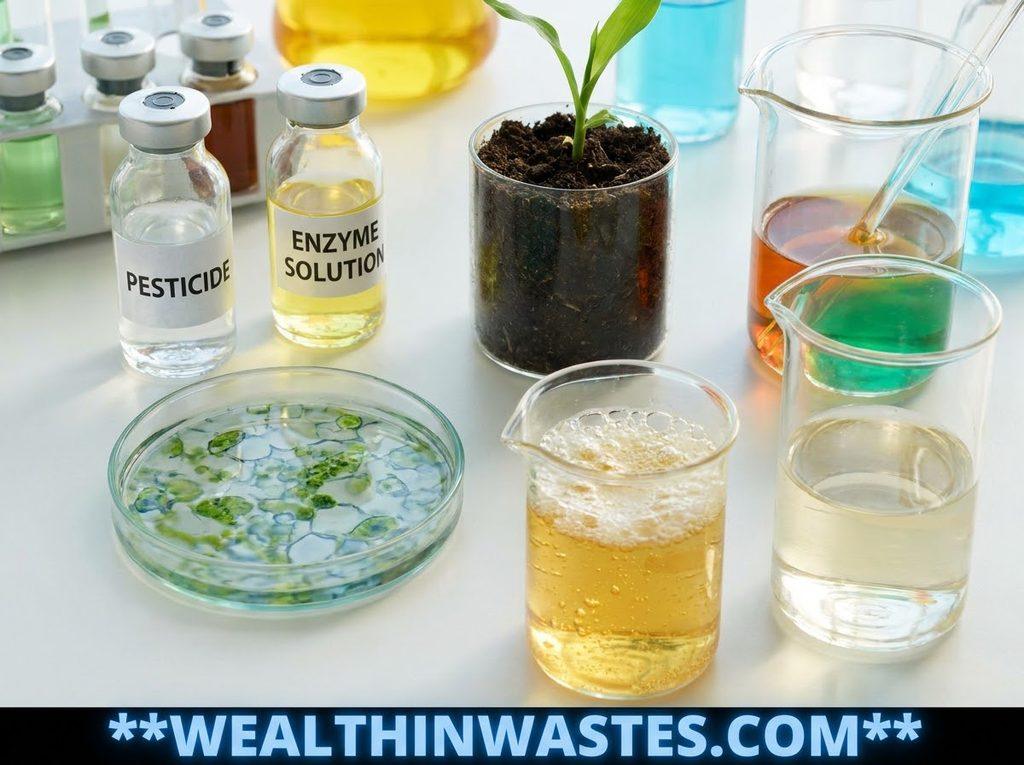
1. Activation: Activation converts a pesticide into an active metabolite or transforms one active compound into another active form, potentially increasing biological effects and altering the toxicity profile within exposed animals.
2. Detoxication: Detoxication produces metabolites that generally show lower biological activity or easier elimination, helping the animal reduce internal exposure and limit harmful interactions with tissues, enzymes, or cellular targets.
3. Oxidation: Oxidation introduces or modifies functional groups through enzyme systems such as mixed-function oxidases, preparing molecules for further transformation while sometimes producing either detoxified products or biologically active metabolites.
4.Hydrolysis: Hydrolysis breaks susceptible chemical bonds by incorporating water into the pesticide molecule, often producing products that differ substantially in activity, polarity, persistence, and ability to undergo subsequent elimination.
5. Reduction: Reduction reactions change pesticide structures through electron transfer, sometimes altering activity or preparing compounds for further metabolism. Their importance depends on tissue conditions, chemical structure, and exposure pathways.
6. Conjugation: Conjugation links pesticide metabolites with endogenous molecules, often increasing polarity and reducing retention. These reactions commonly follow earlier transformations and create products that the body can eliminate more efficiently.
7. Elimination: Elimination removes unchanged pesticides or metabolites through urine, feces, bile, breath, milk, or other routes. Efficient clearance lowers internal concentrations, although persistent chemicals may resist rapid degradation completely.
Phase I Reactions in Animal Pesticide Metabolism
Phase I metabolism commonly changes pesticide molecules through oxidation, reduction, or hydrolysis. These reactions can expose functional groups and increase polarity, allowing later conjugation or direct elimination from animal tissues.
Mixed-function oxidases, especially cytochrome P450 systems, play major roles in Phase I reactions. They use oxygen and reducing power from NADPH to transform chemicals within biological tissues after exposure to pesticides transported through surface waters.
Oxidative metabolism can deactivate pesticides, but the same enzyme systems can also convert relatively inactive substances into reactive intermediates that interact more strongly with biological targets and contribute to toxicity.
Reduction reactions may occur when suitable chemical groups accept electrons, especially under lower-oxygen conditions. Hydrolytic enzymes can also split ester, amide, or related bonds when pesticide structures permit these reactions, including some fumigant chemicals.
Phase I reactions can change how strongly a pesticide binds to proteins or cellular targets. A small structural modification can therefore influence toxicity, persistence, transport, and the next stage of metabolism.
Cytochrome P450 enzymes occur in several tissues, with the liver being especially important for many xenobiotic transformations. Their activity can increase after exposure to some chemicals, changing metabolic rates over time.
Esterases can hydrolyze susceptible pesticide structures and contribute to detoxication. However, their activity can vary between species and tissues, helping explain differences in sensitivity and residue persistence after similar exposures.
Phase I products do not automatically represent final metabolites. Many continue into conjugation pathways, while others undergo additional transformations or elimination depending on their polarity, stability, and interactions with biological transport systems.
Phase II Conjugation of Pesticide Metabolites
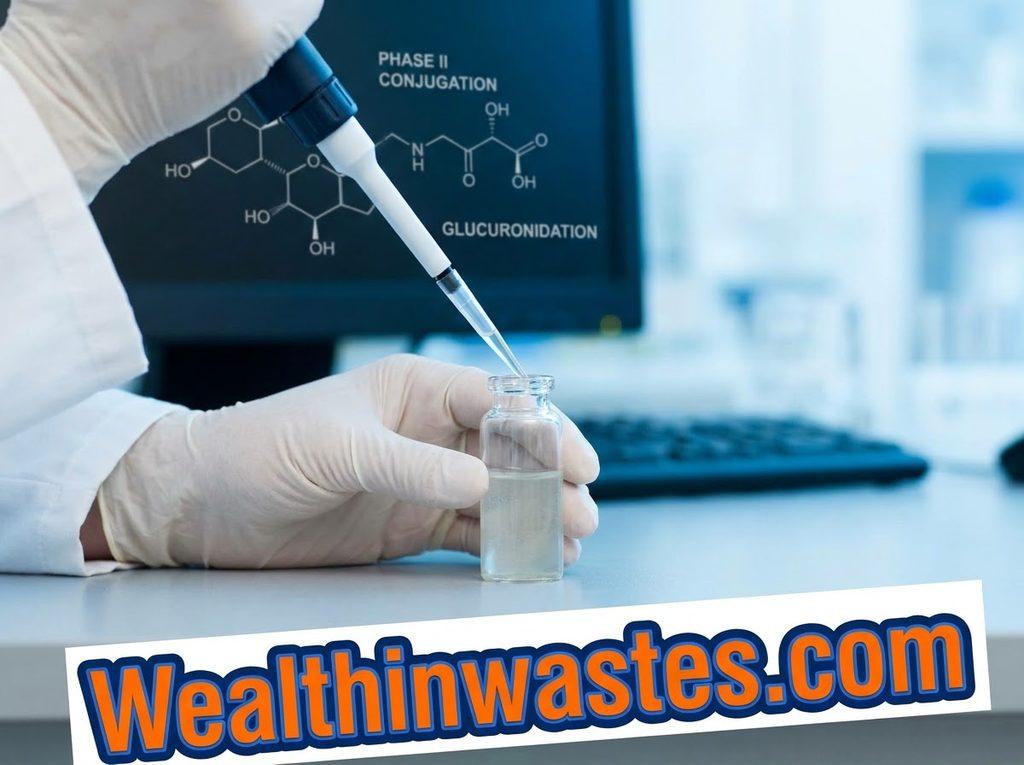
1. Glucuronidation: Glucuronidation attaches glucuronic acid to pesticide metabolites, usually increasing water solubility and facilitating excretion through urine or bile while reducing tissue retention. This can help interpret dietary residue exposure, especially after contaminated feeding.
2. Sulfation: Sulfation adds a sulfate group to selected metabolites and can increase polarity, supporting elimination and altering biological activity. The pathway depends on available enzymes and the chemical structure of the metabolite.
3. Amino Acid Conjugation: Some pesticide metabolites combine with amino acids or related endogenous compounds, creating products that animals can transport and eliminate more effectively through normal urinary or biliary residue pathways in animal products.
4. Glutathione Conjugation: Glutathione can react with electrophilic pesticide metabolites, helping neutralize reactive intermediates and supporting subsequent elimination.This pathway provides important cellular protection against potentially damaging chemical species within tissues.
5. Acetylation: Acetylation modifies selected pesticide metabolites by attaching an acetyl group, which can change polarity and biological activity. Its contribution depends on enzyme availability and the structural features of the compound.
6. Methylation: Methylation transfers a methyl group to suitable metabolites, potentially changing their reactivity, transport, or persistence. This pathway can influence both detoxication and the biological behavior of transformed agricultural chemical substances.
7. Transport And Excretion: Conjugated metabolites may require transport proteins before reaching urine or bile. Efficient transport and excretion prevent excessive tissue retention and help complete the detoxication process after metabolism.
Species Differences in Pesticide Metabolism
Species can metabolize the same pesticide differently because enzyme expression, metabolic rates, tissue distribution, feeding patterns, body size, and physiological functions can vary significantly among animals and between developmental stages.
Livestock, laboratory animals, wildlife, and humans may therefore produce different metabolite profiles after exposure. A pathway that rapidly detoxifies a compound in one species may proceed much more slowly elsewhere.
Age can also influence metabolism because immature animals may possess different enzyme capacities than adults. Pregnancy, nutritional status, disease, stress, and concurrent chemical exposure can further modify normal metabolic activity.
Genetic variation within a species creates additional differences. Individuals can express enzyme forms with different efficiencies, causing variation in pesticide clearance, metabolite formation, tissue residues, and susceptibility to adverse effects.
These differences make animal metabolism studies essential during pesticide safety evaluation. Researchers often compare several species and examine metabolism data before interpreting residue findings or extrapolating toxicological results across populations.
Differences in diet can also modify pesticide metabolism. Feed composition, fiber levels, mineral availability, and naturally occurring compounds may influence gastrointestinal exposure and the activity of enzymes involved in processing residue-bearing grains and pulses.
Environmental conditions can modify exposure before metabolism begins. Animals housed near treated fields, fed contaminated forage, or drinking affected water may receive different pesticide amounts because of local environmental conditions.
For these reasons, researchers interpret animal metabolism findings alongside exposure conditions, species characteristics, laboratory measurements, and residue data rather than assuming one metabolic pattern applies equally across all exposed animals and contaminated settings.
Pesticide Residues in Animal Tissues

1. Liver: The liver receives attention because it contains many enzymes responsible for pesticide transformation. Residues may decline through metabolism, although persistent compounds can remain stored in liver or fatty tissues, affecting livestock residue patterns.
2. Fat: Lipophilic pesticides and metabolites may accumulate in adipose tissue because their chemical properties favor partitioning into body lipids. Mobilization of fat can later redistribute stored residues throughout the animal.
3. Milk And Eggs: Food products can receive pesticide residues when compounds or metabolites circulate into secretory tissues. Monitoring milk, eggs, and edible products therefore helps assess potential consumer exposure after environmental pesticide movement.
4. Withdrawal Periods: Appropriate withdrawal periods allow residues to decline before food animals or their products enter the market. The required interval depends on the pesticide, animal species, dose, formulation, and approved label.
5.Blood: Blood concentrations provide useful information about recent exposure and distribution. Measuring parent pesticides and metabolites in blood can help researchers estimate absorption, circulation, transformation, and changes following repeated exposure.
6. Muscle: Muscle tissue matters because it contributes substantially to edible animal products. Monitoring muscle residues helps determine whether pesticide concentrations decline adequately before slaughter and whether food safety limits remain protected.
7. Urine And Feces: Urine and feces reveal important elimination pathways because metabolites often leave animals through renal or gastrointestinal routes. Measuring these materials helps reconstruct metabolic pathways and estimate clearance.
Factors Affecting Pesticide Metabolism in Animals
1. Chemical Structure: Molecular size, solubility, polarity, functional groups, and lipid affinity influence absorption, enzyme interactions, tissue distribution, transformation pathways, persistence, and the ease with which metabolites leave the animal.
2. Dose And Exposure: Exposure level and frequency can alter enzyme activity, tissue concentrations, and metabolic capacity. Repeated exposure may create enzyme induction or saturation, changing the balance between activation and detoxication.
3. Animal Physiology: Liver function, gastrointestinal activity, kidney performance, age, sex, nutritional status, and overall health condition affect how efficiently an animal absorbs, transforms, stores, and eliminates pesticide compounds from its system.
4. Enzyme Activity: Differences in cytochrome P450 enzymes, esterases, transferases, and other metabolic systems influence the rates and products of pesticide transformation, creating distinct residue and toxicity patterns among animals.
5. Exposure Route: Ingestion, inhalation, and dermal exposure can produce different absorption patterns. The route affects how quickly a pesticide reaches target organs, while management practices affecting chemical mobility can alter environmental exposure.
6. Microbial Activity: Microorganisms in the digestive tract can transform certain pesticide compounds before host enzymes act. Their activity may change metabolite profiles and influence the total amount reaching systemic circulation.
7. Chemical Interactions: Exposure to several chemicals can alter metabolic enzymes through competition, inhibition, or induction. These interactions may change pesticide clearance rates, while reducing unnecessary pesticide waste can limit avoidable co-exposure.
Read Also: Effects of Hazardous Substances on Soil and Plant Life
Why Pesticide Metabolism Studies Matter

Animal metabolism studies help identify which metabolites form after exposure and whether those products retain toxicity, lose activity, accumulate in tissues, or leave the body rapidly after exposure in many scenarios.
These findings support residue assessment for food-producing animals because regulators need information about parent pesticides, major metabolites, tissue distribution, elimination rates, and potential exposure through meat, milk, eggs, or other products.
Metabolism research also helps explain pesticide selectivity. If target pests transform a pesticide differently from non-target animals, those biochemical differences can contribute to differences in susceptibility and observed biological effects.
Similar metabolic differences can help explain resistance. Repeated pesticide exposure may favor organisms with stronger detoxication systems, allowing them to survive concentrations that previously produced effective control and pass resistance traits forward.
Overall, metabolism studies connect pesticide chemistry with toxicology, residue control, environmental protection, and practical pest management, providing evidence needed to design safer applications and understand chemical behavior within exposed animals.
Metabolism data can also guide sampling strategies.Researchers may examine liver, fat, muscle, blood, milk, eggs, urine, feces, or other materials to determine where residues occur and how quickly concentrations change during chemical waste management.
Regulatory toxicology uses metabolism information to identify relevant metabolites for further testing. A minor metabolite can become important when it persists longer, reaches higher concentrations, or has greater biological activity under hazardous-waste classification frameworks.
From an environmental perspective, animal metabolism influences residue transfer through manure, carcasses, animal products, and grazing systems. Understanding these pathways helps identify movement of pesticide-related chemicals beyond the exposure site and into pesticide container waste.
Summary on Degradation and Metabolism of Pesticides in Animals
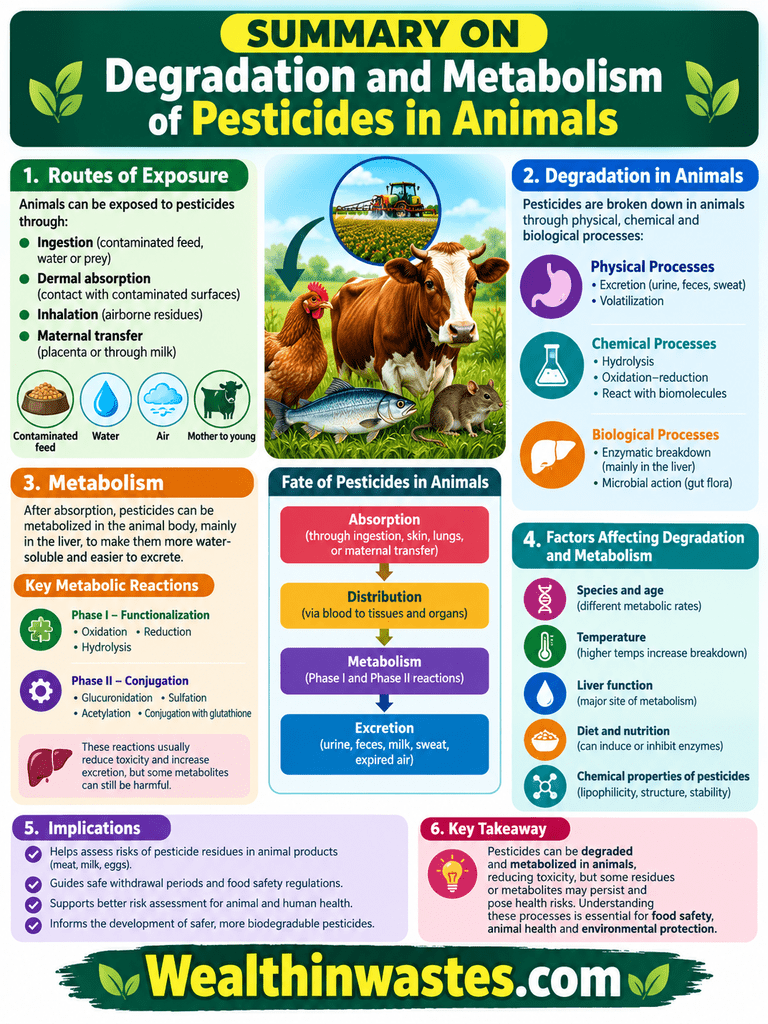
| Section | Main Idea | Why It Matters |
|---|---|---|
| Animal Metabolism | Pesticides undergo biochemical transformation after entering the body. | Defines their biological fate and persistence. |
| Activation And Detoxication | Metabolism can increase activity or reduce toxicity. | Helps explain adverse effects and safety. |
| Phase I Reactions | Oxidation, reduction, and hydrolysis alter pesticide structures. | Prepares compounds for further metabolism or elimination. |
| Phase II Conjugation | Metabolites combine with endogenous molecules. | Often improves solubility and clearance. |
| Species Differences | Animals can produce different metabolic profiles. | Supports accurate toxicological comparisons. |
| Animal Residues | Residues may occur in liver, fat, milk, eggs, muscle, and other materials. | Guides food safety and withdrawal decisions. |
| Influencing Factors | Dose, chemistry, physiology, enzymes, route, microbes, and interactions affect metabolism. | Explains variation in pesticide fate. |
| Safety Importance | Metabolism studies support toxicology, residue control, resistance research, and environmental protection. | Provides evidence for safer pesticide management. |
Frequently Asked Questions About Degradation and Metabolism of Pesticides in Animals
1. What is pesticide metabolism in animals?
It is the biochemical transformation of a pesticide after exposure, producing metabolites that may become less toxic, remain active, or leave the body through different excretory routes.
2. Why can metabolism increase pesticide toxicity?
Some reactions activate compounds or create reactive metabolites that interact more strongly with biological targets, so metabolism does not always produce harmless products.
3. Which organs are important for pesticide metabolism?
The liver is especially important, while the gastrointestinal tract, kidneys, blood, lungs, and other tissues also influence absorption, transformation, distribution, and elimination.
4. Why do species metabolize pesticides differently?
Animals differ in enzymes, physiology, age, diet, genetics, exposure patterns, and health status, causing different rates of activation, detoxication, residue formation, and clearance.
5. Where can pesticide residues occur in animals?
Residues or metabolites may occur in liver, fat, muscle, blood, milk, eggs, urine, feces, and other tissues or biological materials after exposure.
6. Why are animal metabolism studies important?
They help identify toxic metabolites, estimate residue persistence, support food safety decisions, explain selectivity and resistance, and improve understanding of pesticide hazards.
Do you have any questions, suggestions, or contributions? If so, please feel free to use the comment box below to share your thoughts. We also encourage you to kindly share this information with others who might benefit from it. Since we can’t reach everyone at once, we truly appreciate your help in spreading the word. Thank you very much for your support and for sharing!
Read Also: Principles of Livestock Production and Management