


Wildlife prospect describes the diversity, distribution, ecological value and future potential of wild animals and their habitats within a country. Nigeria has a particularly varied wildlife heritage because of its geographical position and ecological diversity.
From the humid rainforest in the south to the savannas in the north, different landscapes support mammals, birds, reptiles, amphibians and smaller organisms. Each ecological zone provides distinct feeding, breeding and shelter conditions.
This variety benefits local communities through food, research, recreation and nature-based livelihoods, while wildlife also maintains essential ecological processes. However, unsustainable hunting, habitat loss and poorly planned development threaten these benefits.
Wildlife conservation therefore requires more than protecting individual animals. It also involves maintaining habitats, regulating resource use, preventing pollution and assessing development projects that may affect connected ecosystems over time.
Understanding Nigeria’s wildlife prospect helps explain the country’s natural wealth and the need for coordinated action. Effective protection depends on sound science, enforceable laws, responsible businesses and community participation at every level.
Wildlife Prospect Across Nigeria’s Ecological Zones
Nigeria’s wildlife occurs across several ecological zones, including lowland rainforest, mangrove, freshwater and coastal environments, derived savanna, Guinea savanna and Sudan savanna. Their vegetation, rainfall and water availability shape wildlife distribution.
An older Federal Department of Forestry account (FDF, 1998) identifies the lowland rainforest as Nigeria’s richest zone for biodiversity and valuable forest resources within the national ecological landscape of that period.
The figures remain useful as historical context rather than current census data. Nigeria’s forest and wildlife conservation efforts deserve particular attention in this ecologically rich zone when interpreting the country’s biodiversity records.
That account estimated 129 large mammal species in the rainforest, including African elephants (Loxodonta africana), African buffalo (Syncerus caffer) and hippopotamuses (Hippopotamus amphibius). These animals occupy different habitats and ecological niches.
Other notable rainforest mammals include black duikers (Cephalophus niger), chimpanzees (Pan troglodytes) and red river hogs (Potamochoerus porcus). Their presence contributes significantly to Nigeria’s biological and genetic diversity across several forest habitats.
In savanna landscapes, characteristic mammals include hartebeests (Alcelaphus buselaphus) and warthogs (Phacochoerus species). In derived savanna areas, elephants and chimpanzees sometimes enter nearby farms to search for available food during seasonal feeding periods.
Nigeria also supports smaller mammals, including grasscutters (Thryonomys swinderianus), giant rats (Cricetomys species), tree squirrels (Funisciurus species) and several primates. These animals contribute to the ecological value of forest resources.
The historical account recorded approximately 200 bird species in the lowland rainforest, alongside 35 bat species, 23 rodent species and 20 carnivore species across Nigeria, according to its original findings.
It further mentioned 123 species in Guinea savanna ecosystems. Researchers should treat these figures as historical estimates and seek contemporary field surveys before using them as current population baselines for conservation planning.
Read Also: Forest Industries and Wildlife Prospect
Importance of Wildlife to Ecosystems and Communities
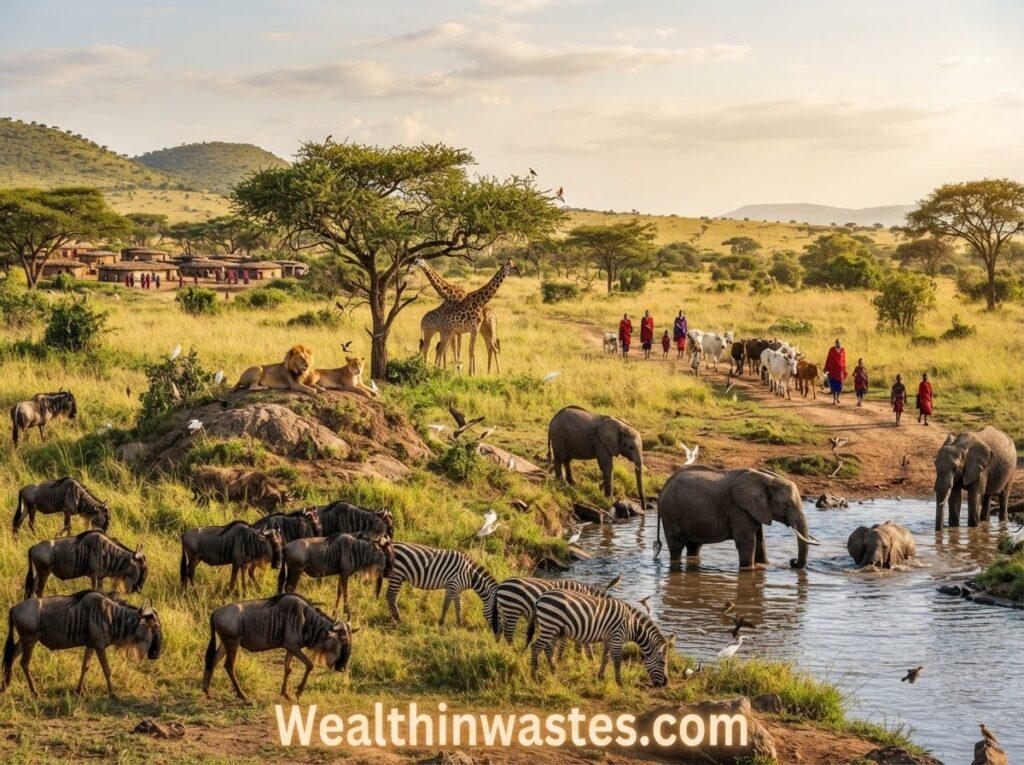
Wildlife provides ecological, economic, scientific and cultural benefits. Its value extends beyond individual animals because healthy populations support natural processes and contribute directly to the wellbeing of surrounding communities across Nigeria.
1. Ecological Balance: Predators, herbivores, pollinators and scavengers influence food webs, seed dispersal, vegetation growth and nutrient cycling. Losing particular species can alter populations and weaken ecosystem resilience across connected habitats over time.
2. Economic Opportunities: Wildlife supports tourism, photography, research, recreation and carefully regulated nature-based businesses. These activities can generate income, create employment and encourage communities to protect their natural surroundings for future generations.
3. Natural Resource Benefits: Wildlife and surrounding vegetation contribute to food availability, soil protection, pollination and other ecosystem services. Understanding forest and wildlife benefits helps communities appreciate their combined economic and environmental value.
4. Education and Scientific Research: Wild animals provide opportunities to study behaviour, reproduction, genetics, population ecology and environmental changes. Knowledge of natural resource categories also supports informed conservation decisions and environmental education.
Wildlife research also helps scientists understand how environmental conditions influence species distribution and survival. Studying climate change and its environmental implications can improve long-term wildlife management and conservation planning.
Major Threats to Nigeria’s Wildlife Prospect
Despite its biological richness, Nigeria faces several environmental pressures that threaten wildlife populations. These challenges mainly arise from human activities, poor resource management, changing environmental conditions and weak enforcement of conservation regulations.
1. Habitat Destruction and Fragmentation: Forest clearing for agriculture, settlements, roads and industrial facilities removes essential animal habitats. Land cover change and deforestation also separate wildlife populations and restrict movement between feeding and breeding areas.
2. Deforestation and Environmental Degradation: Uncontrolled tree felling, bush burning, erosion and prolonged drought reduce the vegetation and shelter wildlife need. These pressures on forest and wildlife resources can force animals to migrate elsewhere.
3. Illegal Grazing and Logging: Uncontrolled livestock movement and illegal timber extraction damage vegetation, disturb breeding grounds and increase human-wildlife encounters. Unsustainable grazing and logging practices can accelerate habitat deterioration and reduce food availability.
4. Excessive Hunting and Poaching: Indiscriminate hunting for meat, trophies and animal parts reduces wildlife populations, particularly when hunters target breeding animals. The negative effects of uncontrolled hunting can threaten vulnerable species’ survival.
5. Climate-Related Pressures: Changes in rainfall, temperature and seasonal conditions can alter food supplies, water availability and breeding patterns. The climate change crisis creates additional challenges for species with limited habitat ranges and specialised needs.
Protecting Wildlife from Harmful Processes
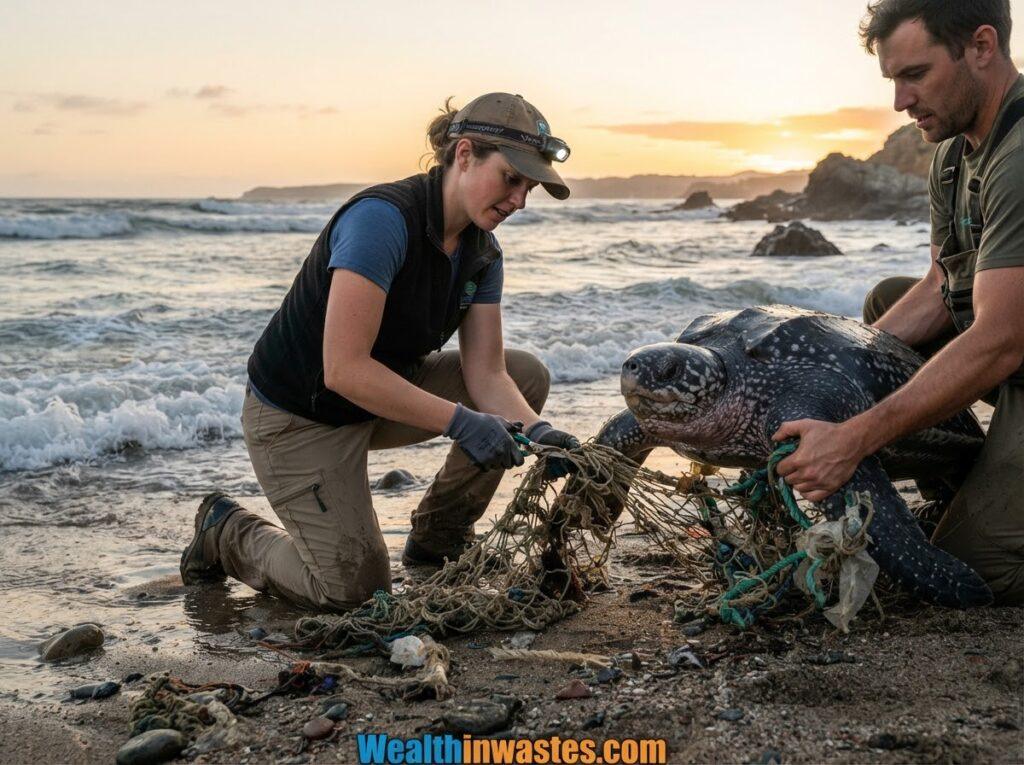
Wildlife conservation must address direct and indirect threats. Industrial operations, mining, construction, tourism, agriculture and infrastructure projects can damage habitats even when developers do not directly target animals throughout their life cycles.
1. Environmental Impact Assessment: Authorities should assess projects before approval for effects on species, habitats, water systems and ecological processes. Environmental planning follows CBD Article 14, which addresses projects likely to significantly affect biodiversity.
2. Responsible Industrial Development: Industries should consider wildlife habitats when selecting project locations, constructing facilities and transporting materials. Effective environmental management practices can reduce disturbance, protect nearby ecosystems and support responsible land use.
3. Pollution and Chemical Prevention: Agricultural chemicals, pesticide residues and fuel spills can contaminate habitats. Authorities and operators should control hazardous pesticide exposure and prevent toxic substances from entering soils, rivers and wildlife environments.
4. Proper Agricultural Waste Handling: Farmers and agribusinesses should manage manure, crop residues, chemical containers and farm runoff responsibly. Poor disposal of agricultural wastes can contaminate waterways, damage vegetation and expose wildlife to harmful substances.
5. Industrial Wastewater Control: Manufacturing facilities should treat wastewater before discharging it into rivers, streams and wetlands. Effective industrial effluent management protects aquatic organisms, water quality and surrounding wildlife habitats from harmful contaminants.
6. Responsible Mining and Construction: Developers should avoid sensitive breeding areas, migration routes and critical habitats when planning excavation or infrastructure projects. Assessing mining impacts early can reduce ecological damage and community disruption.
Regulating Hunting and Other Wildlife Uses
Wildlife management requires clear rules that balance conservation with legitimate human needs. Governments should define acceptable wildlife uses and establish practical controls that prevent exploitation from exceeding natural population recovery rates.
Identifying Game and Non-game Species
Wildlife-use regulations should identify permitted and prohibited species by their recognised common and scientific names. Clear identification prevents confusion and helps enforcement officers distinguish protected animals from legally harvestable species.
Broad descriptions such as waterfowl, ducks and geese may create enforcement problems because these groups contain different species. Some members may face serious conservation threats, while pollution creates additional risks.
Authorities should maintain updated wildlife lists that identify threatened, protected, game and non-game species. They should communicate these classifications clearly to hunters, traders, researchers, conservation organisations and enforcement agencies locally.
1. Hunting Permits, Quotas and Restrictions
Government agencies can regulate wildlife use through licences, permits, hunting seasons, species restrictions and harvest quotas. These instruments help determine who may use wildlife resources, which species they may harvest and where activities can occur.
Effective enforcement also requires clear penalties for illegal hunting, wildlife trafficking and unauthorised possession of protected animals. Strong legislation should support conservation authorities, while courts should apply relevant laws consistently and fairly.
Non-hunting activities also need appropriate management. Ecotourism, scientific research, game ranching and captive breeding should follow established welfare, habitat protection and population management standards to prevent additional pressure on wild populations.
Environmental pollution requires regulatory attention because contaminated water, soil and food can undermine wildlife protection. Understanding the meaning and forms of environmental pollution helps authorities identify harmful activities and establish appropriate controls.
Clear environmental policies and pollution control regulations help government agencies coordinate enforcement, monitor environmental conditions and hold individuals or organisations accountable for activities that damage biodiversity across protected and unprotected landscapes.
1. Endangered Animals and Wildlife Protection
Endangered animals face a high risk of extinction in the wild. Habitat destruction, excessive hunting, pollution, disease and other environmental pressures can reduce populations and threaten long-term survival in their natural habitats.
The supplied historical account refers to species classified as Endangered (EN) or Vulnerable (VU) in the 2004 IUCN Red List. It lists several mammals and primates among its historical examples.
Its examples include chimpanzees, crested genets, dama gazelles, giant African water shrews, Cross River gorillas and Hartwig’s soft-furred mice. Their present status requires fresh species-level verification against updated assessments.
These classifications represent a historical reference rather than a current assessment of every species listed. Conservation authorities should consult the latest IUCN Red List categories and assessment guidelines before making decisions about individual species.
The IUCN recognises three threatened categories: Critically Endangered, Endangered and Vulnerable. Each classification reflects assessed extinction risk, population trends, geographical distribution and scientific criteria that researchers use to evaluate species.
Protecting endangered animals requires accurate population surveys, habitat protection, anti-poaching operations, breeding programmes and cooperation among government agencies and local communities. Conservation strategies must also address climate-related pressures threatening their habitats.
Sustainable Use and Wildlife Conservation Priorities

Sustainable wildlife use meets legitimate human needs without exhausting animal populations or damaging the habitats that support them. It requires responsible planning, scientific monitoring, effective regulations and cooperation among stakeholders.
1. Strengthen Wildlife Legislation: Government authorities should review conservation laws, close regulatory gaps and enforce penalties for illegal hunting, trafficking and habitat destruction. Clear responsibilities will improve accountability among conservation agencies.
2. Expand Habitat Protection: Protected areas, forest reserves, wildlife corridors and buffer zones need effective management. Authorities should prevent unauthorised development and maintain ecological connections that allow animals to move, feed and reproduce.
3. Promote Community Participation: Local communities should participate in conservation planning, monitoring and sustainable livelihood programmes. Their involvement can reduce conflicts, discourage illegal exploitation and create stronger incentives for protecting wildlife resources.
4. Improve Waste and Pollution Management: Communities, industries and government agencies should prevent harmful waste from entering forests, rivers and protected habitats. Effective hazardous waste management practices can reduce contamination and protect wildlife.
5. Support Research and Environmental Education: Regular wildlife surveys, biodiversity research and public education improve conservation decisions. Schools, universities and environmental organisations should promote responsible attitudes towards wildlife, safeguarding Nigeria’s natural heritage.
Read Also: Forest Industries and Wildlife Prospect
Summary on Wildlife Prospect in Nigeria and Conservation Priorities
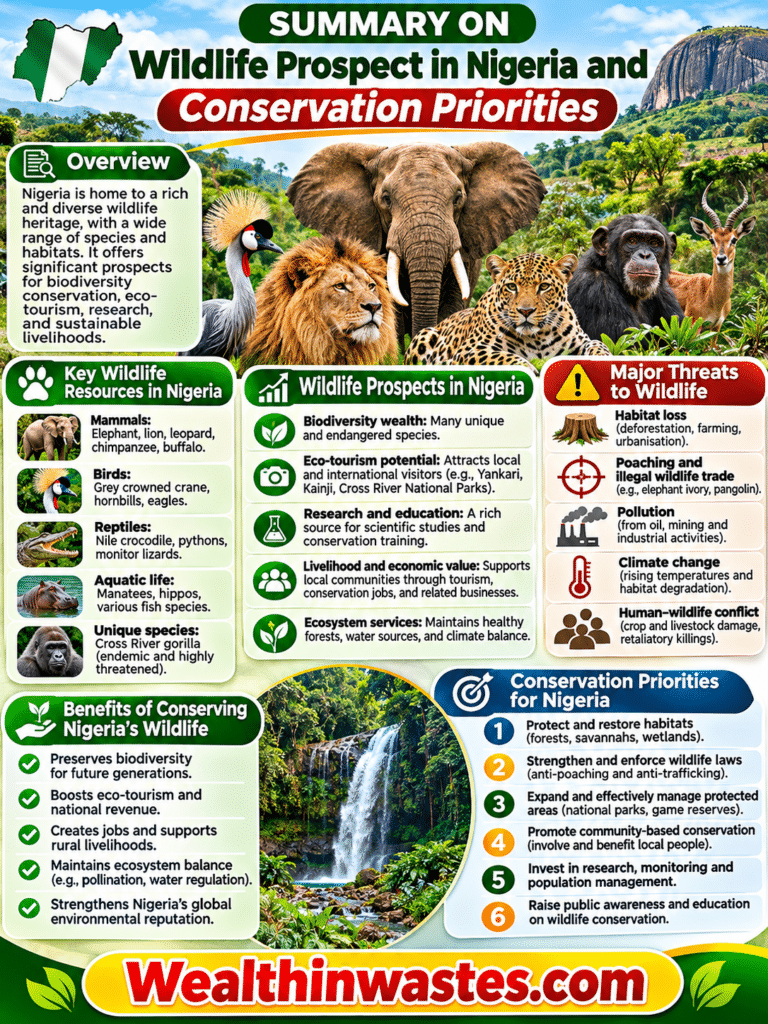
| Aspect | Summary |
|---|---|
| Wildlife Prospect | Nigeria has diverse wildlife distributed across rainforest, savanna, mangrove, freshwater and other ecological zones. |
| Wildlife Species | Important species include elephants, buffaloes, hippopotamuses, chimpanzees, duikers, grasscutters, rodents and numerous birds. |
| Ecological Importance | Wildlife supports food webs, seed dispersal, pollination, nutrient cycling and ecosystem stability. |
| Economic Importance | Wildlife contributes to tourism, recreation, research, employment and sustainable nature-based livelihoods. |
| Major Threats | Habitat destruction, deforestation, illegal logging, excessive hunting, pollution and climate-related pressures threaten wildlife. |
| Wildlife Protection | Environmental assessments, pollution prevention, habitat restoration and responsible development help reduce ecological damage. |
| Wildlife Regulation | Species identification, hunting licences, quotas, restrictions and law enforcement support sustainable wildlife use. |
| Endangered Species | Threatened animals require updated scientific assessments, effective habitat protection and targeted conservation programmes. |
| Sustainable Management | Community participation, research, environmental education and enforceable conservation laws support long-term wildlife protection. |
Frequently Asked Questions About Wildlife Prospect in Nigeria and Conservation Priorities
1. What Is Wildlife Prospect?
Wildlife prospect describes the diversity, distribution, ecological importance and conservation potential of wild animals and their habitats.
2. Why Is Nigeria Rich in Wildlife?
Nigeria’s geographical location and varied ecological zones provide habitats for numerous animal and bird species.
3. Which Ecological Zone Has Rich Wildlife Diversity?
The lowland rainforest supports particularly rich biodiversity, although other Nigerian ecological zones also contain important wildlife populations.
4. What Are the Major Threats to Wildlife?
Major threats include habitat destruction, deforestation, poaching, illegal logging, pollution, excessive hunting and climate change.
5. What Are Endangered Animals?
Endangered animals are species facing a very high risk of extinction in the wild.
6. How Does Industrial Development Affect Wildlife?
Industrial development can destroy habitats, increase pollution, disturb breeding grounds and restrict animal movement.
7. How Can Hunting Regulations Protect Wildlife?
Licences, species restrictions, hunting seasons and harvest quotas help prevent unsustainable wildlife exploitation.
8. What Is Sustainable Wildlife Use?
It involves using wildlife resources responsibly while maintaining healthy populations and protecting their natural habitats.
9. How Can Local Communities Protect Wildlife?
Communities can protect habitats, discourage poaching, report illegal activities, manage waste and support conservation programmes.
10. Why Is Environmental Impact Assessment Important for Wildlife?
It identifies potential project-related environmental damage and helps developers and authorities prevent or minimise harmful effects on biodiversity.
Do you have any questions, suggestions, or contributions? If so, please feel free to use the comment box below to share your thoughts. We also encourage you to kindly share this information with others who might benefit from it. Since we can’t reach everyone at once, we truly appreciate your help in spreading the word. Thank you very much for your support and for sharing!
Read Also: The Production and Marketing of Bush-Meat