


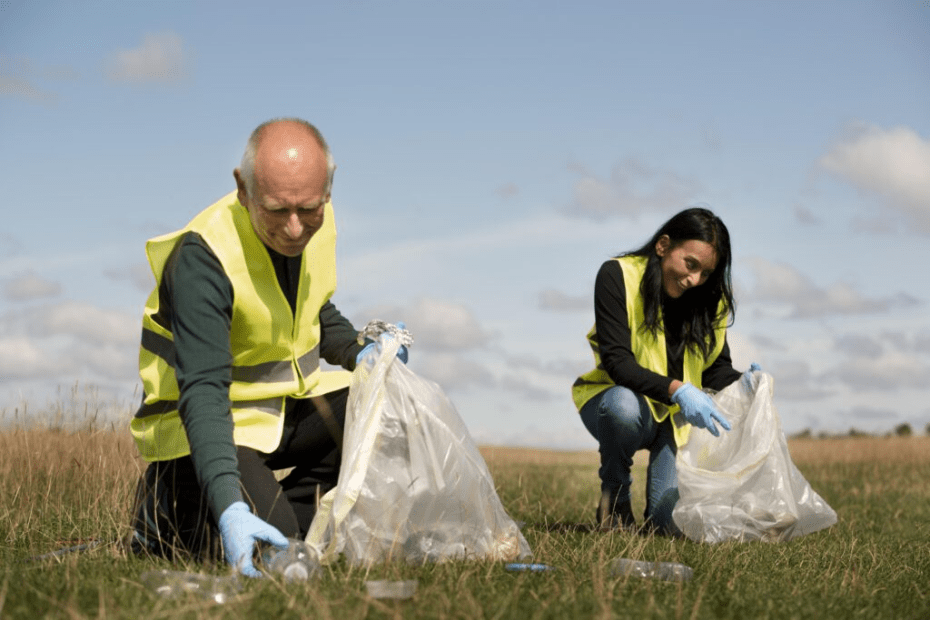
When you hear the term waste management, you might think about the green trash bins that line the streets on collection day or those big trucks that rumble through neighborhoods. But in reality, waste management in the U.S. is a lot bigger than curbside pickups. It’s an entire industry that keeps our homes, cities, and environment functioning smoothly. From recycling centers in Arizona to bulk waste drop-offs in Houston, waste management is everywhere, even if we don’t notice it most of the time.
In this post, we’ll break down what waste management really means, why it matters, the different types of waste, and highlight some real companies and communities across the country that are shaping how America handles its trash.
Why Waste Management Matters
Imagine what your city would look like without trash collection for a few weeks. Streets would pile up with bags, recycling would overflow, pests would multiply, and health risks would skyrocket. That’s why waste management is essential, it’s not just about getting rid of garbage, it’s about:
- Protecting the environment: reducing landfill impact, recycling aluminum cans, and managing hazardous materials properly.
- Supporting public health: keeping communities free of disease risks that come with unmanaged waste.
- Boosting the economy: Many jobs are open at companies such as Casella Waste Management, Burrtec Waste Fontana, and Aspen Waste Management.
- Energy recovery: In places like Maine Waste to Energy, waste is turned into electricity. This powers homes and helps reduce landfill use.
Waste management is more than a chore; it’s a lifeline for modern life.
Read Also: How To Generate Money from Industrial Waste
Types of Waste We Deal With
Waste isn’t just “trash.” It comes in different categories, each with unique challenges:
- Municipal Waste: This is everyday household garbage. It is often managed by city programs like Denver Waste Management or City of Jacksonville Waste Management.
- Bulk Waste: oversized items like furniture and mattresses, which often need special handling by services like bulk waste drop-off centers or dumpster waste management.
- Recyclables: plastics, paper, glass, and metals, handled by companies like Groot Waste Management or Carolina Waste and Recycling.
- Hazardous Waste: This includes chemicals, paints, batteries, and medical waste. These items need careful disposal by experts like Healthcare Waste Management and Eastern Waste Management.
- Electronic Waste (E-waste): Old phones, TVs, and laptops are examples of e-waste. Companies like Digital Waste Recycling and Electronics Waste Programs handle these items.
- Construction & Industrial Waste: materials from building and demolition, handled by players like Arrow Waste Atlanta or Bavarian Waste.
Each type of waste requires different collection methods, disposal facilities, and safety measures.
How Waste Management Works in the U.S.
The U.S. has one of the most diverse and decentralized waste systems in the world. Depending on where you live, your trash might be collected by a national company, a county-run service, or a small regional provider.
Curbside Collection
This is the most familiar method. Trucks from Waste Management Inc., Aspen Waste, or even local providers like Athens Waste Management pick up your bins once or twice a week.
Drop-Off Sites
Some areas provide special waste drop-off sites, like the DSNY special waste drop-off site in New York, where residents can bring hazardous or bulky items.
Bulk & Dumpster Services
Companies like Best Waste Inc, Frontier Waste Management, and Bruin Waste specialize in dumpsters for renovations, cleanouts, and large construction projects.
County-Level Programs
Many counties run their own solid waste divisions, such as:
- Citrus County Solid Waste Management (Florida)
- Hillsborough County Waste Management (Tampa)
- Lancaster County Solid Waste Management Authority (Pennsylvania)
These programs make sure residents have consistent access to collection and disposal services.
Read Also: Human Waste Complete Management Guide
Real-World Examples: Waste Management Companies & Locations
Here’s a quick look at how secondary keyword-based providers is shaping waste management across America:
- Apple Valley Waste Management in California handles both residential and commercial services.
- Arrowhead Waste and Arrow Waste Atlanta focus on container rentals and fast local pickups.
- Aspen Waste Management operates in multiple states with a reputation for sustainability.
- Burrtec Waste Management in Fontana, CA, is a big player in Southern California.
- Casella Waste Management serves large parts of the Northeast with recycling and landfill operations.
- Capital Waste Services in South Carolina provides curbside collection and roll-off dumpster rentals.
- Frontier Waste Management supports Texas with community-based services.
- Evergreen Waste Delaware and Evergreen Waste Management highlight smaller, regionally focused operators.
- Groot Waste Management in Illinois is one of the largest privately-owned waste companies.
- Meridian Waste and Meridian Waste Yulee serve growing communities with both solid waste and recycling.
- Granger Waste Management in Michigan emphasizes landfill gas-to-energy solutions.
From Houston Waste Management to Denver Solid Waste Management, nearly every U.S. city has its own approach, with both public and private companies working together.
Read Also: Products That Can Be Derived From Industrial Waste
Challenges Facing Waste Management
Even with thousands of providers and countless local programs, the waste industry faces big challenges:
- Landfill Limits: Many landfills are reaching capacity, leading to higher costs and stricter recycling efforts.
- Hazardous Materials: Items like paints, oils, and chemicals require specialized handling from companies like Heritage Waste and Healthcare Waste Management.
- Electronic Waste: With fast tech turnover, e-waste disposal is growing rapidly. Companies like Digital Waste Recycling and municipal electronics waste programs are tackling this issue.
- Fashion Waste: The rise of fast fashion has led to massive clothing waste. Programs for fashion waste recycling are still catching up.
- Public Awareness: Many residents don’t know how to properly sort garbage, leading to contamination in recycling streams.
What to Know About the Future of Waste Management
Despite challenges, the industry is innovating:
- Smart Waste Bins: Some cities are testing sensors that signal when bins are full.
- Waste-to-Energy Plants: Like those in Maine and Florida, where trash is burned to generate electricity.
- Sustainable Partnerships: Companies like GFL Waste Management and LRS Waste Management are experimenting with green solutions.
- Digital Tools: Many providers now allow payments online or by phone (e.g., “Can you pay Waste Management by phone?” yes, you can!).
Waste management in the U.S. is a patchwork of national giants, regional players, and local county programs. Whether it’s Apple Valley Waste, Arrow Waste Atlanta, Burrtec Waste Fontana, or Citrus County Waste Management, each provider contributes to keeping communities clean, healthy, and sustainable.
The next time you roll your bin to the curb or drop off an old TV at an electronics waste site, remember your part of a massive system that not only keeps neighborhoods livable but also shapes the future of our environment.
Read Also: How to start a business in MN