


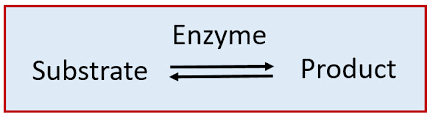
Once a pesticide reaches soil or water, its molecules interact with surrounding materials and living systems. These interactions determine whether residues remain stable, move elsewhere, or undergo chemical transformation.
Once a pesticide enters an environmental compartment, it does not necessarily remain unchanged. Physical, chemical, and biological processes can transform the original compound into metabolites with different mobility, persistence, and toxicity.
These transformation pathways form the basis of pesticide conversion mechanisms, with microbial activity playing a major role in many contaminated soils. Enzymes produced by microorganisms can accelerate reactions that alter pesticide structures.
Enzymatic conversion deserves special attention because purified or immobilized enzymes can sometimes transform contaminants without requiring the growth and survival of whole microorganisms under contaminated environmental conditions at affected sites.
Understanding these mechanisms helps environmental scientists select suitable bioremediation approaches, evaluate pesticide persistence, reduce contamination risks, and improve treatment strategies for affected soils, water resources, agricultural environments, and contaminated sites.
What Drives Pesticide Conversion?
Environmental conversion includes physical, chemical, and biological pathways, and several pathways may operate simultaneously. The relative importance of each route depends on pesticide structure, environmental conditions, concentration, and exposure to reactive surfaces.
Adsorption can reduce pesticide availability by binding molecules to soil particles, while desorption can release them back into soil water. These processes influence how easily degrading agents can contact pesticide molecules in soil.
Strongly adsorbed residues may degrade more slowly when microorganisms or enzymes cannot access them readily. This can prolong persistence and reduce the effectiveness of biological treatment within some soil environments.
Water movement also affects conversion because dissolved pesticides may leave the treated zone before substantial degradation occurs. Pesticide movement through soil therefore strongly influences environmental persistence and treatment success.
Temperature, moisture, oxygen supply, soil pH, organic matter, and microbial abundance can alter degradation rates. Site conditions affecting pesticide mobility can consequently shape conversion pathways and contaminant exposure.
The chemical nature of the pesticide remains equally important. Water solubility, volatility, functional groups, and susceptibility to hydrolysis or oxidation determine which reactions can occur and which metabolites eventually appear.
Read Also: Oil Pollution in the Environment: Extent, Effects, Sources and Fate
Microbial Conversion and Enzyme Action
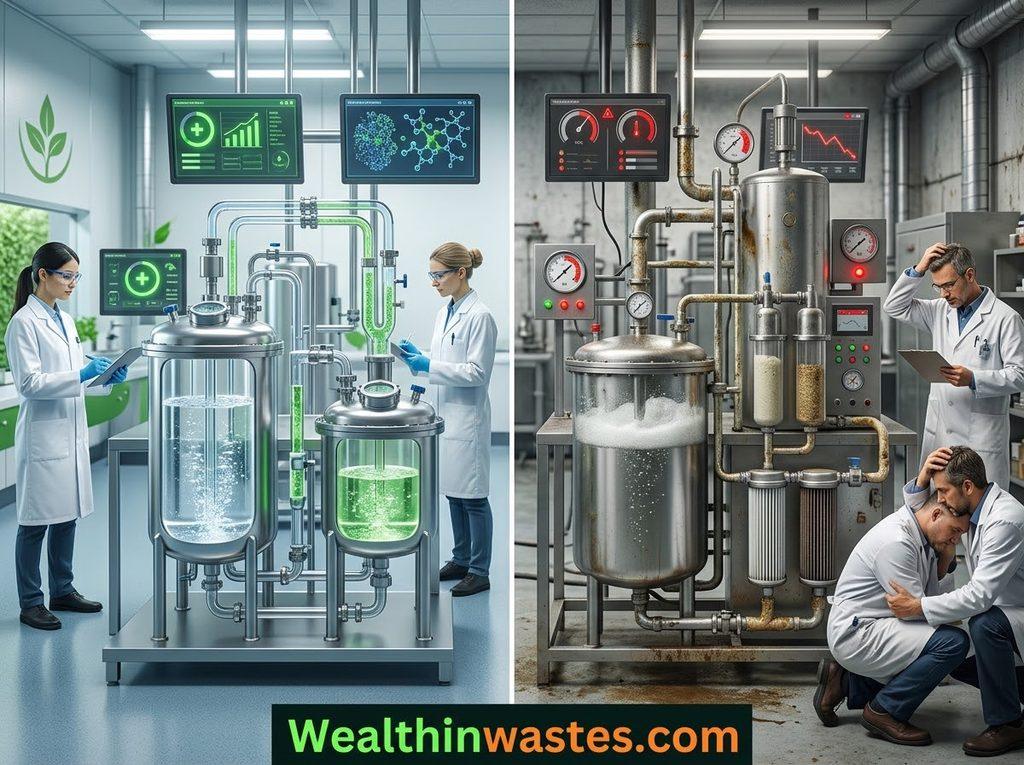
Microorganisms are among the most important biological agents involved in pesticide degradation. Bacteria, fungi, and other microorganisms can transform pesticides while obtaining carbon, nutrients, or energy from suitable compounds under favourable conditions.
Most microbial pesticide degradation occurs in soil, where microorganisms interact closely with pesticide residues. Factors influencing pesticide degradation include moisture, temperature, pH, oxygen, soil composition, and microbial activity over time.
Microbial metabolism proceeds through enzyme-catalyzed reactions, which can cleave chemical bonds or introduce new functional groups. Hydrolysis, oxidation, reduction, and conjugation may occur sequentially during pesticide transformation in environmental systems.
Microbial conversion can be enhanced when repeated pesticide exposure selects organisms capable of using or transforming the compound efficiently. However, repeated application may also create environmental persistence problems when conversion remains incomplete.
Plants can also participate in enzymatic pesticide transformation.Their metabolic systems include oxidation, reduction, hydrolysis, and conjugation, which may detoxify compounds or alter their environmental behaviour over time and under different conditions.
Biodegradation does not always mean complete mineralization. A microorganism may transform a parent pesticide into intermediate products requiring further reactions before elements return to simpler forms. Pollution concepts help explain this distinction.
Some intermediates can remain biologically active or mobile after the first reaction. Monitoring therefore needs to consider transformation products, not only disappearance of the parent chemical during a remediation process.
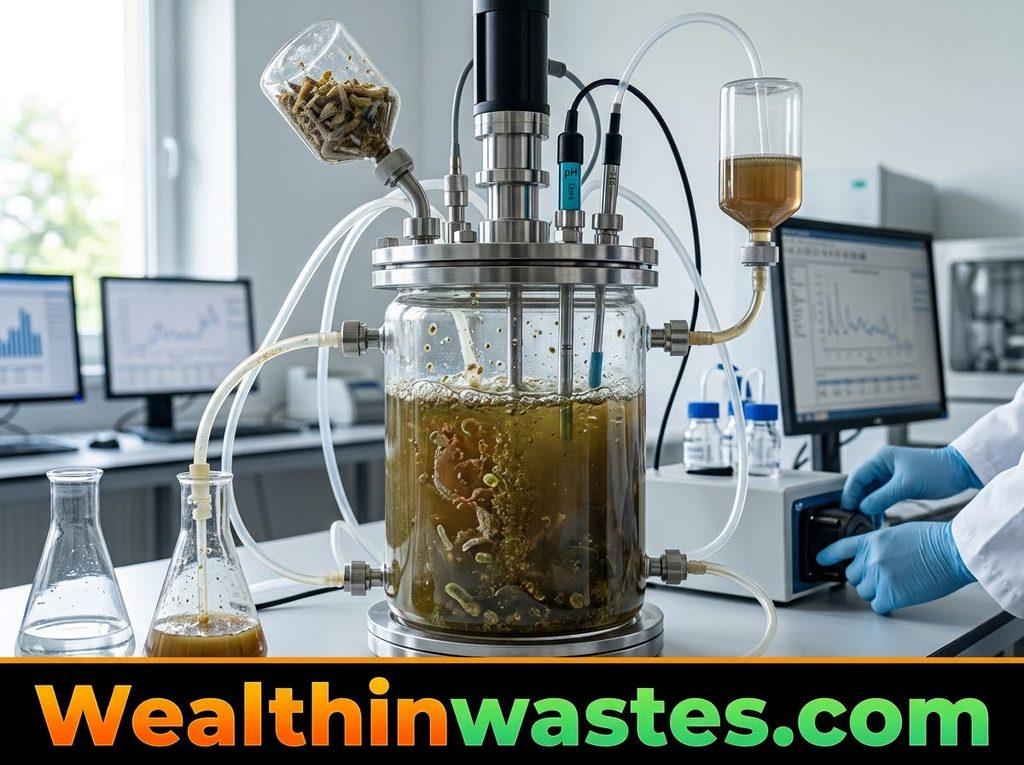
Enzymatic conversion separates catalytic activity from whole-cell growth and can therefore offer useful treatment possibilities. Researchers can isolate, stabilize, or immobilize enzymes when direct microbial treatment becomes less practical in contaminated environmental conditions.
Enzymatic Pesticide Conversion Pathways
1. Hydrolysis: Hydrolytic enzymes use water to cleave susceptible bonds in pesticide molecules, especially ester, amide, carbamate, and related groups. These reactions can produce products with different mobility and biological activity.
2. Oxidation: Oxidative enzymes add oxygen or remove electrons from suitable pesticide structures. These reactions may increase polarity, alter toxicity, and prepare molecules for further transformation by other enzymes or microorganisms.
3. Reduction: Reductive enzymes transfer electrons to pesticide molecules and change specific functional groups under suitable conditions. Broader pollution pathways influence where these transformed residues may accumulate within environmental systems across contaminated soil and water.
4. Conjugation: Enzymatic conjugation attaches pesticide metabolites to sugars, amino acids, or glutathione. This can increase water solubility, reduce reactivity, and help biological systems compartmentalize or transport the resulting products.
5. Demethylation: Some oxidative enzymes remove methyl groups from pesticide molecules, changing their structure and biological behaviour. Plant metabolic pathways can continue modifying residues after uptake and biochemical conversion in living tissues.
6. Polymerization: Certain oxidoreductases create reactive pesticide-derived radicals that couple with each other or soil substances. Polymerization can reduce contaminant mobility by producing larger compounds that bind strongly within soil matrices.
Organophosphorus Hydrolase and OPAA
1. OPH: Organophosphorus hydrolase, commonly called OPH, is extensively studied because it can hydrolyze several organophosphorus compounds. Its activity has attracted interest for treating related agricultural pesticides and other toxic phosphorus compounds.
2. OPAA: Organophosphorus acid anhydrolase, or OPAA, has organophosphorus hydrolytic activity and was identified in a halophilic bacterial source. Researchers later studied its recombinant expression, structure, and catalytic behaviour under laboratory conditions.
3. Catalytic Structure: OPH contains a metal-dependent catalytic center, and metal substitution can influence substrate preference and activity. This demonstrates how enzyme structure and metal cofactors can determine reactions against different pesticide molecules.
4. Recombinant Study: OPH research has included gene cloning, sequencing, expression, and structural analysis. These approaches help scientists identify catalytic residues and understand how enzyme architecture controls recognition and cleavage of phosphorus-containing bonds.
5. Natural Enzyme Diversity: Although OPAA was not originally evolved specifically for pesticide metabolism, its catalytic architecture permits hydrolytic attack on certain phosphorus-containing substrates. This example demonstrates how enzymes may acquire useful environmental functions through structural coincidence.
6.Biotechnology Link: These enzymes support biotechnology for contaminated land remediation, where biological catalysts complement microbial, physical, or chemical technologies for difficult contaminants at affected sites under controlled environmental conditions.
7. Treatment Matching: Enzyme treatment must match the target pesticide and environmental matrix. Factors such as concentration, competing chemicals, pH, temperature, cofactors, and enzyme stability can strongly influence treatment performance.
8. Process Monitoring: Successful treatment requires monitoring pesticide disappearance and relevant transformation products. Measuring only the parent compound can overlook persistent intermediates, incomplete detoxification, or unexpected products formed during enzyme-mediated conversion.
Phenoloxidases and Oxidative Enzymes
Phenoloxidases include enzymes such as laccases and peroxidases that can oxidize many aromatic and phenolic compounds. Their broad substrate ranges make them attractive for treating mixtures of structurally different environmental contaminants.
White rot fungi produce lignin-degrading enzyme systems containing powerful oxidative catalysts. These enzymes can attack complex organic structures that resemble components of lignin, allowing them to transform certain persistent xenobiotic compounds.
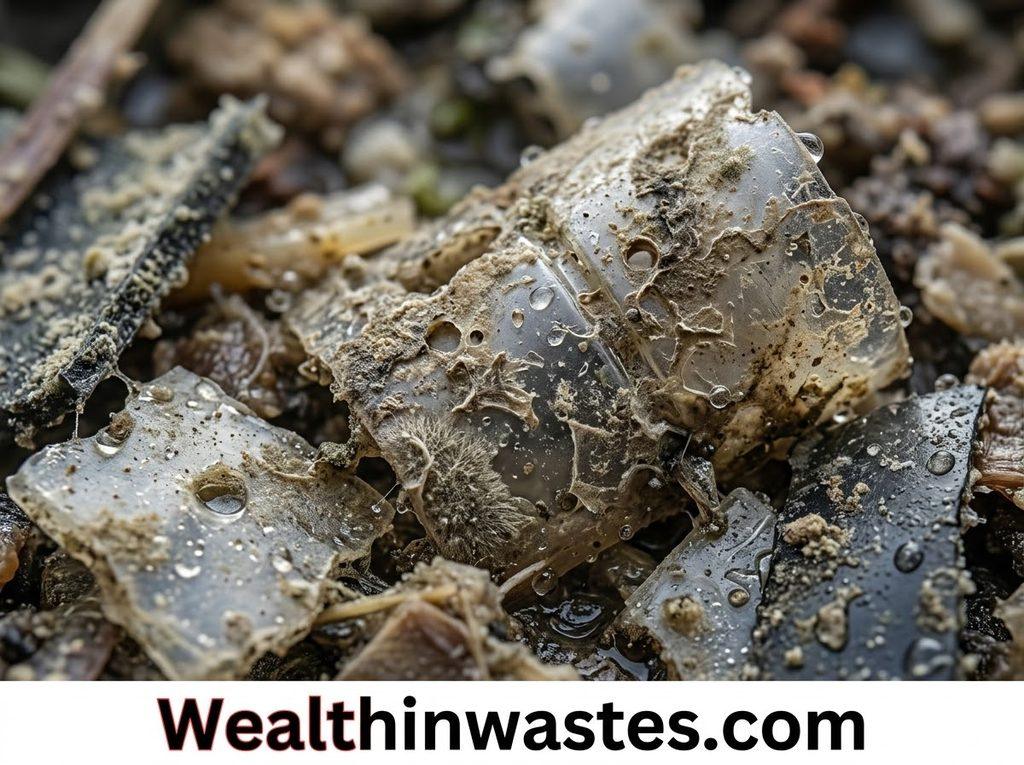
In biobeds, straw or other lignocellulosic materials can provide a growth substrate for fungi while supporting enzyme production. The approach links biological activity, organic materials, and contaminant treatment within one managed system.
Phenoloxidase activity can influence pesticide dissipation because oxidation may generate reactive intermediates that couple into larger products. Such products can become less mobile when they associate strongly with humic substances or soil particles.
The relationship between soil chemistry and enzyme performance matters greatly. Soil properties affecting pesticide mobility influence contact between contaminants, water, microorganisms, and extracellular enzymes within treated soil systems and surrounding pore spaces.
Water-treatment applications also deserve attention because pesticide residues may enter streams, ponds, and groundwater through agricultural transport. Water pollution sources and types provide useful context for understanding exposure pathways during environmental assessment.
Water pollution effects show why preventing pesticide entry into aquatic systems remains important, particularly when residues persist or transformation products remain biologically active after treatment and protect aquatic ecosystems in sensitive watersheds.
Phenoloxidases therefore offer promise for complex contaminant mixtures, but treatment conditions must support enzyme activity without creating undesirable by-products. Monitoring both pesticide disappearance and transformation products remains essential during remediation and environmental risk assessment.
Esterases and Hydrolytic Conversion

Esterases catalyze the hydrolysis of ester bonds and can therefore transform pesticide molecules containing ester functional groups. Their action may occur in microorganisms, plants, animal tissues, or extracellular environmental systems.
Pesticide residues in food provide another reason to understand how ester hydrolysis changes chemical behaviour, persistence, and movement after agricultural application and harvest, especially when residues reach consumers.
Many ester-formulated herbicides enter plant tissues efficiently because esterification can increase lipophilicity. After uptake, esterases can release the corresponding acid, changing both molecular movement, persistence, and biological activity within plant tissues.
De-esterification may detoxify a pesticide in some plant species, but it can also activate certain compounds. Therefore, pesticide conversion should never be assumed to produce a less harmful metabolite automatically.
Hydrolytic enzymes also include amidases, phosphatases, sulfatases, and related catalysts.Their substrate ranges vary, but together they demonstrate the diversity of enzyme systems available for pesticide transformation in environmental and biological matrices.
Environmental factors can alter enzyme-mediated hydrolysis by changing substrate availability and catalytic efficiency. Soil chemistry and physical properties therefore influence how readily pesticides encounter reactive enzymes in contaminated areas.
Residues in cereals and pulses can persist when transformation and application practices do not adequately limit environmental exposure. Hydrolysis may form only one stage in a longer degradation pathway requiring additional reactions.
Oxidoreductases and Enzyme Immobilization
1. Oxidoreductases: Oxidoreductases transfer electrons between molecules and support pesticide transformation. Examples include laccase, tyrosinase, peroxidases, and related enzymes that generate reactive intermediates from suitable organic substrates during controlled treatment.
2. Peroxidase Reactions: Peroxidase systems often use hydrogen peroxide as an oxidizing partner. The resulting radicals can react with pesticide molecules directly or promote coupling reactions that incorporate contaminants into larger organic structures.
3. Polymerization: Polymerization can reduce contaminant mobility by binding some products to soil organic matter. Pollution cleanup and control methods can complement biological transformation during remediation operations in contaminated soil and water.
4. Immobilization: Enzyme immobilization stabilizes catalysts by attaching them to solid supports, trapping them in gels, encapsulating them, or linking them through cross-connection. Immobilized preparations can remain active longer than many free enzymes.
5. Support Materials: Supports may be organic or inorganic and can permit repeated use. Biological wastewater treatment methods show the wider importance of stable biological processes for contaminant removal and water-quality protection during repeated treatment cycles.
6. Recovery: Wastewater management and treatment demonstrates how controlled biological processes protect receiving waters. Immobilized enzymes can also remain easier to recover from treated water or soil mixtures during reuse.
7. Practical Stability: Effective immobilization must preserve catalytic activity while improving stability, accessibility, resistance to inhibitors, and performance. These requirements become especially important when treatment systems operate repeatedly under variable environmental conditions.
8. Field Performance: Support preparation can increase cost and complexity, while soil composition and contaminant concentration can reduce enzyme accessibility. Field trials therefore remain necessary before large-scale deployment of immobilized enzyme technologies.
Read Also: Management Practices Affecting the Mobility of Pesticides in Soil
Benefits and Limits of Enzymatic Conversion
1. Rapid Action: Enzymatic treatment can act without the acclimation period sometimes required by microbial communities. This can help when contaminated sites need rapid treatment or when environmental conditions restrict microbial growth.
2. Environmental Range: Enzymes may function across broader conditions than particular microorganisms, although each enzyme has an operating range. Hazardous waste management provides a wider safety framework for chemical treatment.
3. Concentration Range: Enzyme preparations can act at relatively high or low contaminant concentrations when catalysts remain stable and accessible. Their small molecular scale may also allow movement into some soil micropores.
4. Microbial Inhibitors: Chemicals that suppress cellular metabolism may have less direct effect on isolated enzymes because enzymes do not require complete cellular processes. However, strong inhibitors can still reduce catalytic activity.
5.Treatment Cost: Isolation, purification, stabilization, storage, and immobilization can require substantial resources. Costs may increase when large quantities of catalyst are needed for field treatment or continuous water-treatment operations.
6. Mineralization: A single enzyme rarely converts a complex pesticide completely into inorganic end products because full degradation often requires several enzymes and complementary microbial pathways at contaminated locations and during advanced treatment.
7. Food-System Risks: Residues in animal products demonstrate how contaminants can transfer through food systems when environmental pathways remain uncontrolled and treatment remains incomplete in surrounding production areas and associated food-production systems.
8. Site Selection: Treatment decisions should consider contamination level, soil properties, water movement, pesticide structure, transformation products, and available technology. Pesticide residue control in livestock shows why environmental contamination can extend beyond the original treatment site and effective environmental management.
Summary on Pesticide Conversion Mechanisms in the Environment Enzymatic Conversion
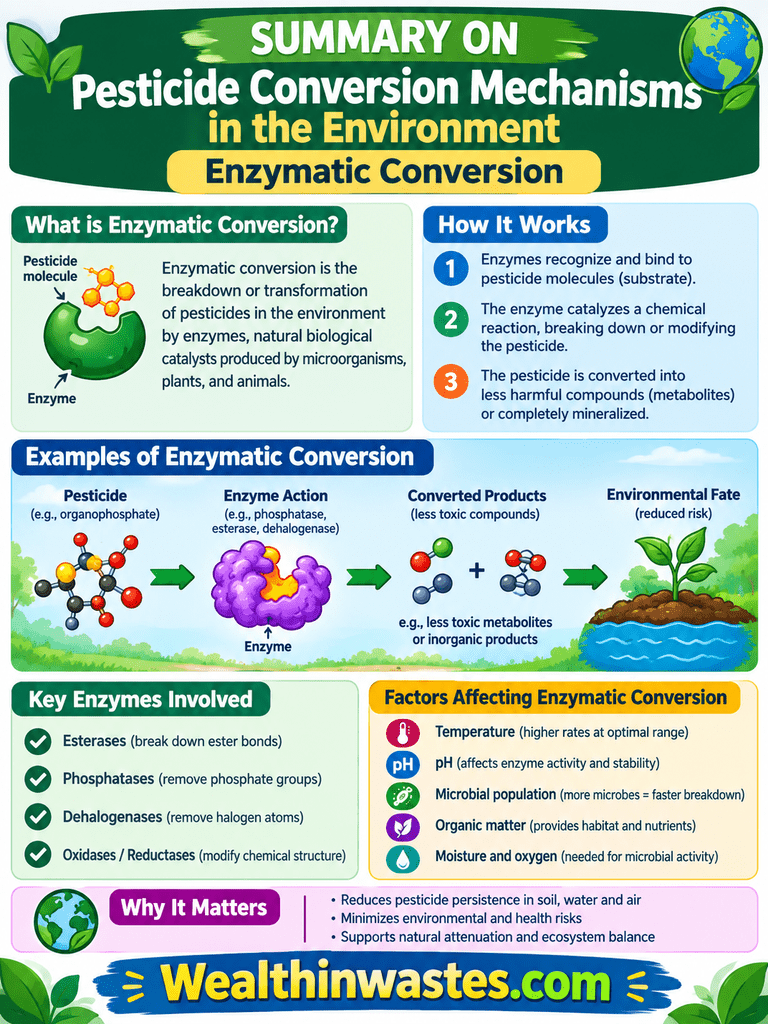
| Aspect | Key Point |
|---|---|
| Main Conversion Routes | Pesticides transform through physical, chemical, and biological processes, with microbial and enzymatic reactions often central to biodegradation. |
| Microbial Role | Bacteria and fungi can metabolize pesticides, while environmental conditions determine microbial activity and degradation rates. |
| Hydrolysis | Hydrolytic enzymes cleave susceptible bonds, including ester, amide, and carbamate groups, changing pesticide structure and behaviour. |
| Oxidation and Reduction | Oxidoreductases modify pesticide molecules through electron-transfer reactions that can initiate further transformation. |
| Phenoloxidases | Laccases and peroxidases can oxidize diverse compounds and promote coupling or polymerization reactions. |
| Esterases | Esterases hydrolyze ester bonds and can either detoxify or bioactivate pesticide metabolites depending on the compound and organism. |
| Immobilized Enzymes | Immobilization can improve enzyme stability, recovery, and reuse during controlled remediation processes. |
| Main Limitations | High preparation costs, enzyme instability, substrate specificity, cofactors, and incomplete mineralization can limit large-scale applications. |
Frequently Asked Questions About Pesticide Conversion Mechanisms in the Environment
1. What are pesticide conversion mechanisms?
Pesticide conversion mechanisms are physical, chemical, and biological processes that change pesticide molecules into products with different persistence, mobility, toxicity, or environmental behaviour after release into soil, water, plants, or air.
2. Why is microbial degradation important?
Microbial degradation matters because bacteria and fungi produce enzymes that transform many pesticides, particularly in soil where moisture, nutrients, temperature, pH, and oxygen influence activity and overall degradation rates over time.
3. What is enzymatic pesticide conversion?
Enzymatic pesticide conversion occurs when enzymes catalyze reactions that modify pesticide structures through hydrolysis, oxidation, reduction, conjugation, demethylation, polymerization, or other related biochemical pathways within organisms or engineered treatment systems.
4. What do esterases do to pesticides?
Esterases hydrolyze ester bonds in susceptible pesticides. Their products may become less toxic, more toxic, more mobile, or easier for additional enzymes to transform during subsequent reactions and environmental processes.
5. What is enzyme immobilization?
Enzyme immobilization stabilizes enzymes by attaching, trapping, or encapsulating them on or within support materials, allowing improved recovery, reuse, stability, and resistance to environmental stresses during repeated treatment processes safely.
6.Can enzymes completely mineralize pesticides?
Usually not alone. Complete mineralization often requires several enzymes, cofactors, and complementary microbial pathways, so disappearance of the parent pesticide does not always indicate complete detoxification or environmental recovery at a contaminated site.
Do you have any questions, suggestions, or contributions? If so, please feel free to use the comment box below to share your thoughts. We also encourage you to kindly share this information with others who might benefit from it. Since we can’t reach everyone at once, we truly appreciate your help in spreading the word. Thank you very much for your support and for sharing!
Read Also: Safe Handling of Pesticides in Agriculture