


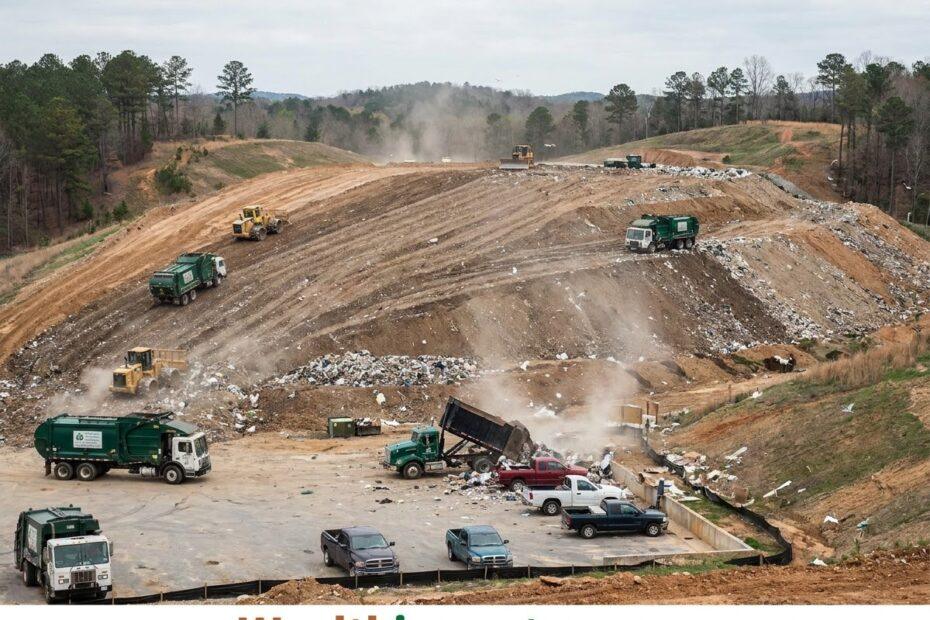
Searches for King County Landfill Georgia may combine two different places. Georgia has no King County, so the phrase does not identify a county-operated landfill within the state of Georgia.
Georgia law lists 159 counties, none called King County. Before relying on an address, opening time, disposal fee or accepted-waste list, check the types and sources of solid waste and confirm the actual facility details.
The best-documented match is King County in Washington State, where the county operates Cedar Hills Regional Landfill near Maple Valley. It is not in Georgia; landfill operations are locally regulated.
This article explains the location mismatch, identifies Georgia’s official regulated-facility register, and outlines how solid waste management starts with checking the correct location before travelling to a disposal site or arranging collection.
Is There a King County in Georgia?
1. Check the legal county: Georgia law names 159 counties, and King County does not appear on that list. The statutory county list lets readers verify the place name before planning disposal.
2. Check who operates the site: a landfill may be county-owned, privately operated or serve several local authorities. Its location and approval depend on environmental site-selection factors, not only its marketing name.
3. Confirm public access: not every landfill is a public drop-off point. Some receive waste through transfer stations or approved hauliers, so check access rules and compare the advantages and disadvantages of landfills.
Read Also: Waste Pro Baton Rouge: Your Local Guide to Waste Services
Where the Real King County Landfill Is
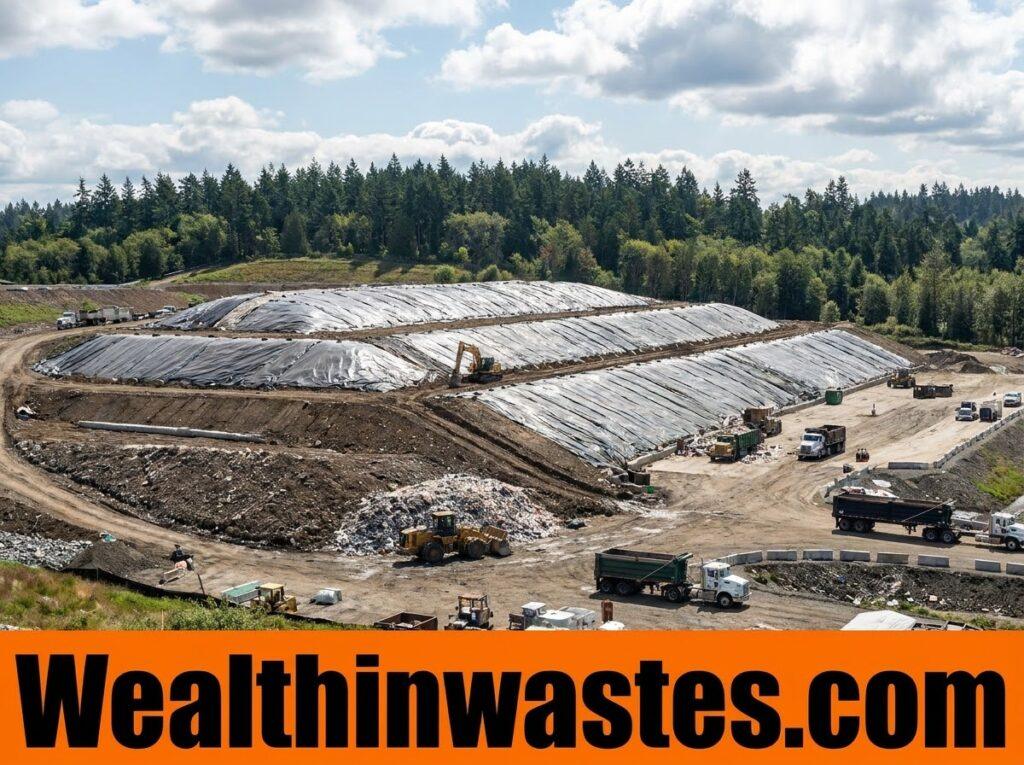
King County that does exist is in Washington State. Its official website identifies Cedar Hills Regional Landfill at 16645 228th Avenue SE, Maple Valley, Washington 98038, in the northwestern United States.
The county describes Cedar Hills as its only active landfill and says its waste system includes eight transfer stations and two drop boxes for local users across its service area.
The county directory lists disposal rules, accepted materials, fees and eligibility. Its facilities serve customers in the county’s service area; generic sanitary landfill components do not confirm Cedar Hills’ exact equipment.
For readers researching the original King County location, the distinction is important. The Washington facility has its own operating arrangements and should not be confused with waste disposal services in Georgia.
How to Find a Landfill in Georgia

1. Start with the correct county: identify the Georgia city or community where the waste originates, then search the EPD register for permitted facilities and check the listed operating status.
2. Filter the official spreadsheet: Georgia EPD says readers can search by facility name, address or permit number and filter records by county, landfill type and operating status from the state register.
3. Confirm the destination: compare each register entry with the operator’s current website or telephone details. Guides to locating the nearest landfill, finding a public dump and proper waste disposal methods can help.
The Georgia Environmental Protection Division provides a searchable facility register rather than relying on unverified landfill directories. Its spreadsheet is dated April 2026 and includes information about regulated solid-waste facilities.
What to Check Before Visiting
1. Ask before loading: contact the facility and describe the waste, its quantity and whether it comes from a household, business, building project or commercial collection route before setting off for the site.
2. Confirm entry conditions: ask about public access, operating days, arrival deadlines, vehicle restrictions, identification, payment methods and whether the site accepts loads from outside its service area, including any load limits.
3. Check preparation rules: ask whether materials must be separated, covered, secured or delivered by an approved haulier. Different waste-treatment methods require different handling, documentation and preparation to avoid rejected loads.
Disposal fees and opening arrangements can change. Contacting the operator before travelling helps prevent unnecessary journeys, rejected loads and unexpected charges, particularly when transporting bulky or commercial waste.
Waste Types and Disposal Restrictions
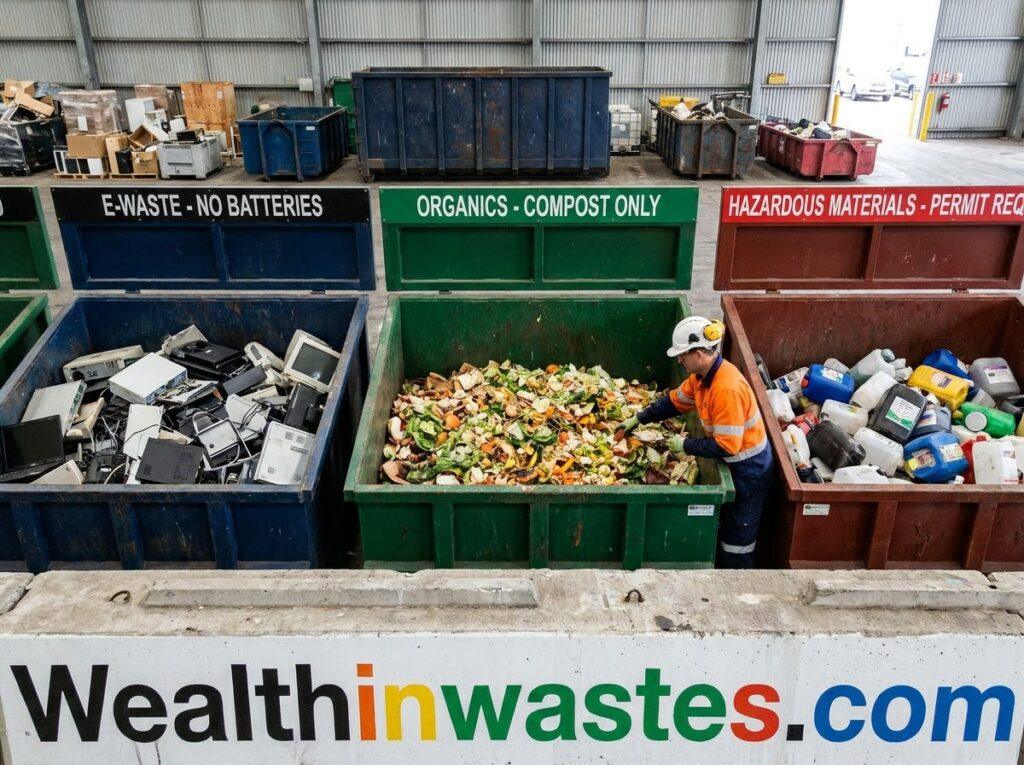
1. Identify ordinary solid waste: landfill operators classify incoming material because household rubbish, construction debris, commercial waste and special wastes may follow different acceptance rules. Check the facility’s permitted waste categories and the classification of solid waste before transport.
2. Identify restricted materials: never assume batteries, chemicals, liquids, asbestos, medical waste, tyres or electronics enter ordinary landfills. Because different landfill types accept different materials, ask the operator for the authorised route for each item.
3. Separate recoverable materials: separate clean materials that can be reused, recycled or recovered before disposal. This is a practical part of landfill waste management and reduces the volume requiring burial at the final facility.
Landfill Design and Environmental Protection

A properly engineered sanitary landfill may use prepared disposal cells, protective liners, leachate drains, stormwater controls, cover materials and monitoring points. The actual design must be checked against the facility’s permit.
As landfill decomposition continues, rainwater moving through waste can create leachate, while organic material can generate methane and other gases. These landfill emissions need collection, treatment and monitoring at the site.
These controls do not mean that every site has identical equipment or performance. Read the facility’s permit and monitoring records; general environmental effects of landfills cannot prove local compliance at a specific location.
Ways to Reduce Waste Sent to Landfills

1. Prevent unnecessary waste: the waste management hierarchy places prevention and reuse ahead of recycling, recovery and final disposal. Households and businesses can reduce landfill demand by purchasing carefully, repairing goods and separating reusable materials.
2. Compost suitable organic materials: food scraps, leaves and suitable garden waste may be composted where safe local systems exist. Source reduction also helps reduce landfill waste, but hazardous or contaminated materials must stay out of compost.
3. Recycle recoverable materials: sort paper, cardboard, metal, glass and accepted plastics before collection, following local instructions. A practical recycling process keeps recoverable materials in circulation and sends less residual waste to landfill at the final site.
Confirm Facility Details Before Travelling
The Georgia EPD page identifies the Solid Waste Technical Assistance Duty Officer at (404) 362-2692 and links an April 2026 searchable facility spreadsheet. Ask about register entries or permit status.
Before travelling, verify the full address, operator, accepted materials and latest opening arrangements directly with the facility. Do not rely on copied directory text, old photographs or unconfirmed third-party listings.
Read Also: Remedy for goat kid white yellow loose motion
Summary on King County Landfill Georgia Is a Location Mix-Up
| Topic | Important Information |
|---|---|
| Georgia County | Georgia has 159 counties but no King County. |
| Actual King County | King County is in Washington State. |
| Actual Landfill | Cedar Hills Regional Landfill is in Maple Valley, Washington. |
| Georgia Facility Search | Use the Georgia EPD regulated solid-waste facility register. |
| Waste Acceptance | Confirm permitted waste types, access rules and fees before visiting. |
| Environmental Protection | Proper landfill management requires appropriate containment, monitoring and waste controls. |
| Waste Reduction | Prioritise prevention, reuse, recycling and suitable composting. |
Frequently Asked Questions About King County Landfill Georgia
1. Is There a King County in Georgia?
No. Georgia has 159 counties, but King County is not among them.
2. Where Is the Real King County Landfill?
The Cedar Hills Regional Landfill is in Maple Valley, Washington, within King County.
3. What Is the Address of Cedar Hills Regional Landfill?
Its address is 16645 228th Avenue SE, Maple Valley, Washington 98038.
4. How Can I Find a Landfill in Georgia?
Use Georgia EPD’s regulated solid-waste facility register and filter the records by county, facility type and operating status.
5. Does Every Landfill Accept Household Waste?
No. Acceptance depends on the facility’s permit, waste categories and operating rules. Always contact the operator first.
6. What Should I Check Before Visiting a Landfill?
Confirm the address, opening hours, disposal fees, accepted materials, access requirements and vehicle restrictions before travelling.
Do you have any questions, suggestions, or contributions? If so, please feel free to use the comment box below to share your thoughts. We also encourage you to kindly share this information with others who might benefit from it. Since we can’t reach everyone at once, we truly appreciate your help in spreading the word. Thank you very much for your support and for sharing!
Read Also: Proper Farm Waste management guide