


These days, everyone’s talking about sustainability and how to manage waste better, right? And you know what? Recycling centers are a big part of that conversation! They’re the places where all that trash gets turned into something useful. Whether it’s paper, glass, plastics, or metals, these centers are super important for cutting down on landfill waste, saving our natural resources, and helping communities go green.
But recycling has gone far beyond simply collecting household trash. Thanks to new technology and groups focused on sustainability, recycling centers are becoming important places for environmental progress. From the humble aluminum can recycling bin to leading facilities such as Bayshore Recycling Corporation and the Bethlehem recycling center, the industry is demonstrating how science, technology, and community engagement can work together to build a sustainable future.
What is a Recycling Center?
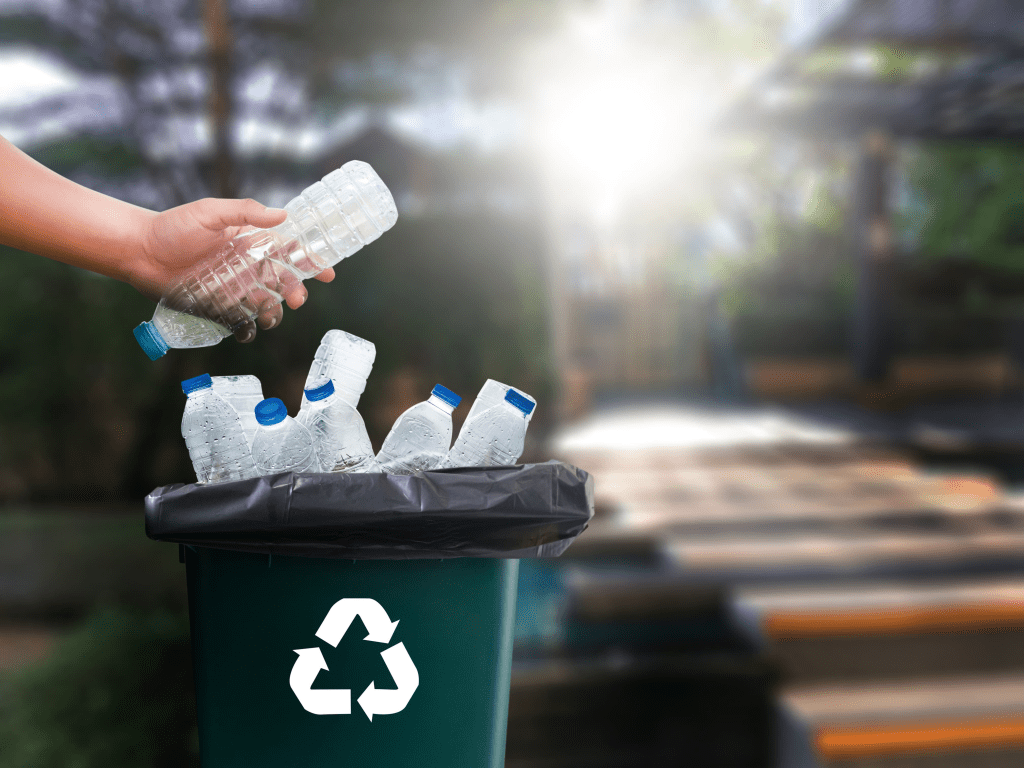
A recycling center is a facility where materials that would otherwise be discarded as waste are collected, processed, and converted into reusable resources. These centers can be local drop-off points, municipal facilities, or large-scale industrial operations. The goal is to extend the lifecycle of everyday materials and reduce the environmental impact of consumer waste.
Key responsibilities of recycling centers include:
- Sorting materials into categories like paper, metal, glass, and plastics.
- Processing materials for reuse by manufacturers.
- Providing educational programs about recycling and environmental conservation.
- Partnering with local communities and businesses to encourage responsible waste disposal.
The Evolution of Recycling
In earlier decades, recycling was often limited to simple processes, collecting bottles, newspapers, and cans. However, the industry has rapidly advanced. Today, facilities rely on advanced technology recycling, which uses robotics, artificial intelligence, and modern sorting systems to increase efficiency and reduce contamination.
Read Also: Products That Can Be Derived From Slag
For example:
- Automated conveyor belts with AI sensors can identify materials more accurately than humans.
- Advanced shredding and melting technologies allow for the recovery of pure metals and plastics.
- Sophisticated tracking systems help facilities monitor environmental impact in real time.
This shift to advanced environmental recycling is a game-changer. Instead of recycling being a small household task, it is now a large-scale movement driven by innovation.
Why Aluminium Can Recycling Matters
One of the most widely recognized forms of recycling is aluminium can recycling. Aluminium is unique because it can be recycled indefinitely without losing quality. That means every soda can, if recycled, can return as another can within just a few weeks.
Some benefits of aluminium recycling include:
- Saving up to 95% of the energy required to produce new aluminium.
- Reducing mining for raw bauxite, which can harm ecosystems.
- Cutting greenhouse gas emissions.
- Generating revenue streams for communities and businesses.
Recycling centers often prioritize aluminium because of its economic and environmental value. It is one of the clearest examples of how recycling can be both profitable and sustainable.
Spotlight on Recycling Leaders
Bayshore Recycling Corporation
Located in New Jersey, Bayshore Recycling Corporation is an example of how recycling centers can grow into large-scale, eco-industrial operations. This facility is called an “eco-complex.” It deals with many things, like construction debris, scrap metals, and plastics. What makes Bayshore unique is its commitment to renewable energy and sustainable practices, proving that recycling businesses can also reduce their own carbon footprint.
Bethlehem Recycling Center
The Bethlehem recycling center, serving residents and businesses in Pennsylvania, provides another glimpse into community-driven recycling. This center not only offers drop-off services but also educates residents about recycling best practices. By making recycling convenient and accessible, Bethlehem has been able to increase participation rates and reduce waste headed to landfills.
Both Bayshore and Bethlehem highlight the diverse ways recycling centers can serve communities — from massive industrial operations to smaller, community-focused facilities.
Community Benefits of Recycling Centers
Recycling centers provide more than just environmental value; they bring measurable benefits to communities.
- Job Creation – Recycling operations employ thousands of workers nationwide, from truck drivers and machine operators to engineers and researchers.
- Local Revenue – Selling recyclable materials can bring in revenue that supports community projects.
- Cleaner Neighborhoods – Proper waste disposal reduces litter, making towns and cities healthier and more attractive.
- Education – Recycling centers often run awareness campaigns and school programs to teach future generations about sustainability.
When people see the local impact — new jobs, cleaner streets, and financial benefits — they are more motivated to participate in recycling initiatives.
Read Also: Sewage Sludge Complete Management Guide
Advanced Environmental Recycling and the Future
The future of recycling lies in advanced environmental recycling, which focuses not just on processing waste, but also on minimizing its impact on the planet. This approach integrates renewable energy, smart logistics, and green design to ensure that recycling is part of a larger sustainability framework.
Emerging trends include:
- Facilities powered by solar or wind energy.
- Biodegradable packaging designed for easier recycling.
- Blockchain systems to track recycled materials from source to reuse.
- Collaborative efforts between governments, businesses, and communities to achieve zero-waste goals.
This future-oriented model ensures that recycling does more than reduce landfill waste — it becomes a cornerstone of a truly circular economy.
How Individuals Can Support Recycling Centers
While recycling centers are doing the heavy lifting, individuals play a critical role. Simple actions can significantly improve the efficiency of recycling operations:
- Sort Waste Correctly – Avoid contamination by rinsing cans and bottles.
- Participate in Local Programs – Use curbside pickup or drop-off services.
- Support Green Businesses – Buy products made from recycled materials.
- Stay Informed – Follow updates from facilities like Bayshore and Bethlehem to understand recycling guidelines.
By taking responsibility at the household level, individuals make the work of recycling centers more effective and sustainable.
Read Also: How to Start a Business in Arizona
Conclusion
A recycling center is more than a place where trash gets sorted; it is a cornerstone of modern sustainability. From the efficiency of aluminum can recycling to the innovation of advanced technology recycling, these facilities are shaping the future of environmental responsibility. Organizations like Bayshore Recycling Corporation and the Bethlehem recycling center are making a difference. Both large and local efforts are important for progress.
As environmental recycling improves, recycling centers will have a bigger role in creating a circular economy. This economy will reuse resources, reduce waste, and help communities thrive. The future of recycling is not just about processing materials. It is about creating a cleaner, healthier, and more sustainable world for all.
Read Also: Human Waste Complete Management Guide