


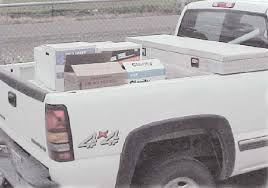
A good understanding of safe pesticide transportation practices helps reduce spills, exposure, contamination, and accidental releases. Every movement of these products should receive deliberate planning before departure and during transit.
Pesticides can support crop protection and agricultural productivity when people use them according to approved directions. Their benefits, however, depend on careful handling that protects workers, consumers, animals, water, soil, and air.
Transportation creates a distinct safety challenge because containers can shift, break, leak, or become damaged while vehicles move. Proper preparation helps prevent these incidents before they develop into exposure or environmental contamination.
Safe movement also requires knowledge of product hazards, label instructions, transport requirements, emergency procedures, and suitable protective equipment. Training helps handlers recognize unsafe conditions and respond appropriately when unexpected problems occur.
These precautions should continue from the storage facility through loading, travel, unloading, and return of unused products. A consistent safety approach reduces avoidable risks and supports responsible pesticide management across agricultural operations.
Transportation of Pesticides
Transportation of pesticides refers to moving pesticide products from one location to another, whether between warehouses, farms, fields, retailers, application sites, or approved treatment facilities. The movement should remain controlled.
Transportation may also include short-term carriage in vehicles, sprayers, bowsers, or farm equipment before application. During these movements, containers should remain secure, upright where appropriate, protected from damage, and separated from incompatible materials.
People should treat every pesticide journey as a controlled hazardous-materials activity, even when the distance is short. The purpose is to prevent leakage, contamination, unauthorized access, and exposure throughout the entire trip.
Although transportation may cover only a short distance, the risks can change as the load moves through roads, farms, communities, and storage areas. Secure packaging and controlled handling remain important throughout.
Safe transportation also requires coordination between the person releasing the pesticide and the person receiving it. Both parties should understand what is being moved, where it will go, and how it should be handled.
Never assume that familiar products need fewer precautions because workers have transported them before. Repeated tasks can create complacency, so handlers should continue following established procedures for every journey and every load.
Read Also: Management of Hazardous Wastes in the Environment
Pre-Transport Pesticide Checks

Good planning starts at the storage point because transport hazards often begin before a vehicle moves. Handlers should know the product identity, quantity, destination, and intended use before accepting any load.
Product labels provide essential information about hazards, precautions, storage conditions, and emergency actions. Handlers should read those instructions carefully and avoid relying on memory, informal advice, or assumptions about similar pesticide formulations.
Container condition matters because even a small defect can become a larger leak during travel. Inspect closures, seams, handles, caps, and labels carefully, then isolate damaged products instead of placing them aboard the vehicle.
1. Inspect Containers and Labels: Before loading, examine every pesticide container for cracks, bulging, corrosion, damaged closures, missing labels, or visible leakage. Keep only intact, clearly identified containers in the transport load.
2. Review Transport Requirements: Check the product label, safety information, and applicable transport rules before departure. Confirm required warnings, segregation instructions, quantity limits, emergency information, and documentation for the planned movement.
3.Plan the Journey: Choose a practical route that limits unnecessary stops and avoids situations that could increase exposure or contamination. Consider road conditions, weather, security, loading points, and access to emergency assistance.
4. Prepare Emergency Supplies: Carry suitable absorbent material, protective equipment, basic cleanup tools, secure containers for contaminated materials, communication equipment, and emergency contact information. Preparation allows faster control when an incident occurs.
Safe Vehicle Loading for Pesticides
Vehicle selection should match the quantity, packaging, journey conditions, and handling needs of the pesticide load. A suitable cargo area makes securing products easier and reduces unnecessary movement during normal road travel.
Never improvise with weak boxes, loose bags, open trays, or passenger seating when carrying pesticide products. The cargo arrangement should prevent movement while maintaining access for inspection, emergency control, and safe unloading.
Loading also requires attention to manual handling. Workers should communicate clearly, use correct lifting techniques, and obtain assistance for awkward containers so that fatigue does not lead to drops, spills, or injuries.
Loading points should also remain away from drains, wells, streams, ponds, and waterways near food areas. This separation reduces the chance that a damaged container or spilled pesticide will reach vulnerable resources during handling.
1. Select a Suitable Vehicle: Use a vehicle that can safely carry the planned load without overcrowding, instability, or exposure of products to passengers. The cargo area should permit secure placement and straightforward inspection.
2. Separate Incompatible Goods: Keep pesticides apart from food, animal feed, medicines, clothing, seeds, and other goods that could become contaminated. Never transport pesticides in a passenger compartment where people or animals travel.
3. Secure Every Container: Position containers to prevent rolling, sliding, tipping, or crushing during movement. Use suitable restraints, dividers, or secure storage spaces that reduce impact and keep closures facing safely.
4. Load for Safe Unloading: Arrange heavier containers so workers can remove them without unsafe lifting, climbing, or reaching. Use mechanical assistance when necessary and avoid placing heavy products where they could fall unexpectedly.
Safety Measures During Pesticide Transit
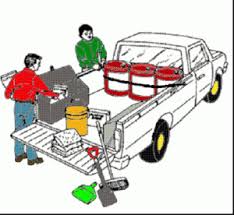
The driver remains responsible for maintaining a controlled journey and should understand the nature of the cargo before leaving. Speed, route decisions, stopping points, and parking choices can affect the likelihood of an incident.
Never leave pesticide products unattended in an unsecured vehicle or exposed public area. Where a stop becomes necessary, choose a controlled location and protect the load from unauthorized access, theft, tampering, or accidental interference.
Extreme weather can increase transport challenges, especially when high temperatures, heavy rainfall, flooding, or poor visibility affect roads and vehicle stability. Drivers should respond to changing conditions without compromising the secure pesticide load.
During transit, drivers should handle pesticide loads smoothly and avoid unnecessary stops, rough roads, sudden braking, or sharp turns whenever practical. Secure loads should remain protected from excessive heat, direct sunlight, and rain.
Pesticide transport should never become an opportunity for unauthorized handling, smoking, eating, drinking, or unnecessary passenger access. The driver or responsible handler should periodically check the load when safe to do so.
For farm-to-field movement, carry only the quantity needed for the planned operation. Keeping unnecessary products in the vehicle increases the amount of material exposed to travel hazards and complicates emergency management.
Pesticide Spill Emergency Response
A spill response plan should exist before transportation begins, rather than being created during an emergency. Everyone handling the load should know who to contact and what immediate actions the product label requires.
Emergency preparation should also consider the surrounding location. A release near a drain, stream, livestock area, school, residence, or food store may require faster isolation and stronger protective measures than an isolated site.
Handlers should avoid rushing into unknown chemical releases because the visible spill may not show the full hazard. They should follow label instructions, keep unnecessary people away, and obtain competent emergency assistance when required.
1. Stop and Protect People: When a spill occurs, stop the vehicle in a safe location keep people away from the affected area, and avoid touching leaking material without appropriate protection and instructions.
2. Contain the Release: Prevent pesticide from reaching drains, streams, wells, food, feed, or occupied areas. Use suitable absorbent material and physical barriers where safe, while following the product label and emergency guidance.
3. Report the Incident: Notify the appropriate responsible authority, supervisor, emergency service, or environmental agency according to the product requirements and local regulations. Provide accurate information about the chemical, quantity, location, and circumstances.
4. Manage Contaminated Materials: Collect contaminated absorbents, soil, packaging, or other debris using suitable procedures. Keep the recovered material secure, labelled, and managed according to applicable hazardous-waste requirements and professional advice.
Pesticide Exposure and Environmental Protection

Preventing exposure starts with keeping containers closed, intact, and separated from people and goods that could become contaminated. Workers should avoid unnecessary handling and wash promptly after contact with pesticide residues.
Eye and skin protection deserve particular attention during loading and unloading because splashes can occur unexpectedly. Protective clothing should remain clean, suitable for the product, and managed according to workplace and label instructions.
Vehicle cleanliness also supports exposure prevention. After a transport incident, contaminated cargo areas and equipment should receive appropriate attention before ordinary goods or unrelated materials enter the same secure space.
Food, feed, drinking water, medicines, and personal belongings should never share contaminated transport spaces. Preventing cross-contamination protects both workers and downstream users who may never know that a pesticide was carried nearby.
Pesticide exposure can occur through inhalation, skin or eye contact, ingestion, and other routes, especially when containers leak or contaminated equipment receives careless handling. Limiting contact remains a central transport safety objective.
Workers should use protective equipment appropriate to the product and task, particularly during loading, unloading, spill control, and cleanup. Equipment should fit properly, remain serviceable, and follow label or workplace requirements.
Environmental protection also depends on preventing pesticide contact with soil, crops, livestock, and public areas. A leaking container or contaminated wash water can create problems beyond the original transport location.
Safe Pesticide Delivery and Unloading
Safe delivery does not end when the vehicle reaches its destination. The receiving area should have appropriate storage, controlled access, and enough space for handlers to inspect and move products safely.
Workers should avoid dropping containers from vehicle beds or dragging heavy packages across rough surfaces. Gentle handling protects packaging and reduces the possibility that hidden damage will become a leak during transfer.
Clear handover procedures reduce uncertainty and unnecessary contact after arrival. The receiving worker should know where products belong, what precautions apply, and how to obtain help if leakage or damage appears.
Before completing the delivery, confirm that the receiving person understands the product identity and destination. Clear communication reduces misplacement, unauthorized use, and confusion when multiple agricultural chemicals arrive together safely.
1. Inspect Before Unloading: Check the vehicle and containers for movement, damage, leakage, or contamination before opening the loaded cargo area. Address unsafe conditions first rather than immediately removing products.
2. Use Proper Handling Equipment: Heavy pesticide containers should be moved with suitable lifting or handling equipment. Mechanical assistance reduces lifting injuries and helps prevent dropped containers that could release their contents.
3. Unload in a Controlled Area: Choose a secure location away from food, feed, drains, wells, waterways, children, animals, and unauthorized people. Keep containers stable while transferring them into approved storage.
4. Return Unused Products: After the job, return unused pesticides promptly to suitable storage in their original containers. Never decant products into drink bottles, food containers, unlabelled vessels, or other unsuitable packaging.
Read Also: Legislative Basis for Pesticide Regulation
Training and Transport Compliance

Every organization handling pesticides should define responsibilities clearly, including who loads products, who drives, who receives deliveries, and who responds to spills. Clear roles reduce confusion when decisions must be made quickly.
Refresher training should cover changes in products, equipment, routes, regulations, incidents, and workplace procedures. Practical exercises can help workers retain emergency actions and identify unsafe practices before they result in exposure.
Supervisors should also inspect loading areas, vehicles, restraints, storage points, and emergency supplies periodically. Routine checks can reveal deteriorated equipment, missing materials, damaged containers, or procedural gaps before transport begins.
Safety performance improves when organizations review incidents and near misses without ignoring smaller problems. Lessons from minor leaks, unsecured containers, or loading errors can guide corrective action and strengthen future transportation practices.
Training and certification help pesticide handlers understand product labels, hazard communication, safe loading, emergency response, protective equipment, and environmental safeguards. Practical instruction also reinforces safe habits that written guidance alone may not establish.
Operators should maintain appropriate records for pesticide movements, incidents, training, inspections, and relevant documentation required by applicable rules. Good records help demonstrate control, support investigations, and identify recurring weaknesses in transport practices.
Local legislation can impose requirements concerning quantities, vehicle suitability, labelling, documentation, route controls, emergency reporting, and authorized handlers. Because requirements differ between jurisdictions, transporters should verify current rules before each regulated movement.
Summary on Safety Measures in the Transportation of Pesticides
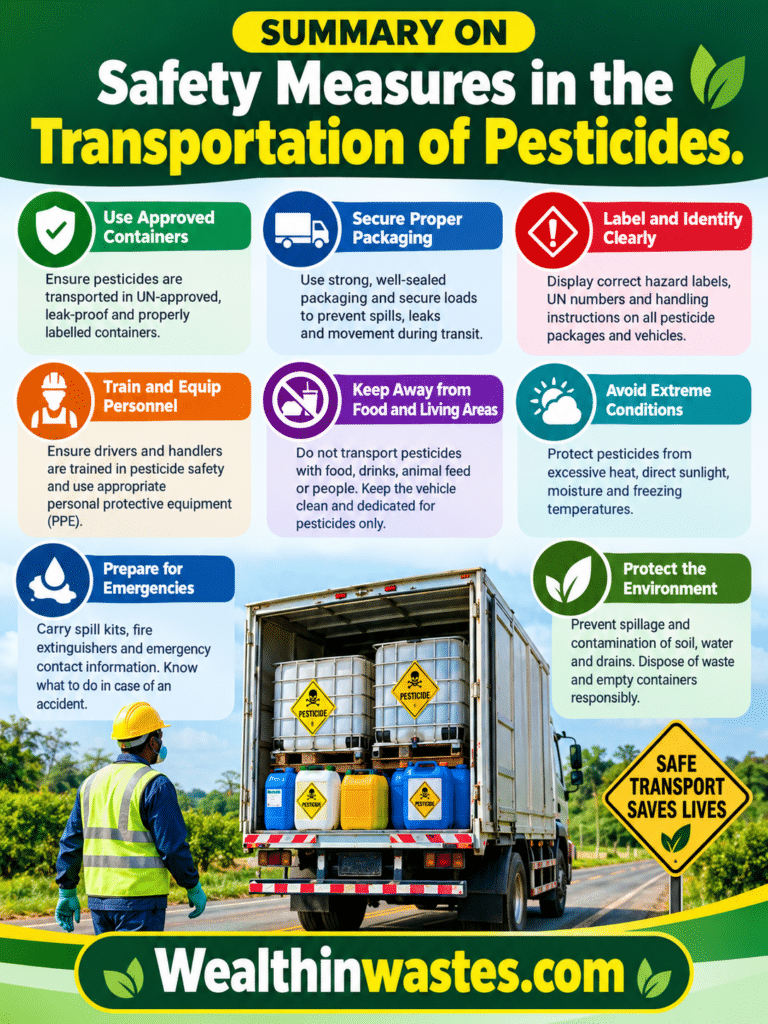
| Section | Main Idea | Why It Matters |
|---|---|---|
| Transportation of Pesticides | Controlled movement from storage to approved destinations. | Reduces exposure, leaks, contamination, and unauthorized access. |
| Pre-Transport Pesticide Checks | Inspect containers, review requirements, plan routes, and prepare emergencies. | Identifies hazards before the vehicle leaves. |
| Safe Vehicle Loading for Pesticides | Use suitable vehicles, separate incompatible goods, secure containers, and plan unloading. | Prevents shifting loads, contamination, and dropped containers. |
| Safety Measures During Pesticide Transit | Drive carefully, control access, and carry only required quantities. | Limits travel-related damage and unnecessary exposure. |
| Pesticide Spill Emergency Response | Protect people, contain releases, report incidents, and manage contaminated materials. | Limits harm and supports proper cleanup. |
| Pesticide Exposure and Environmental Protection | Prevent inhalation, contact, ingestion, and environmental contamination. | Protects workers, communities, animals, soil, and water. |
| Safe Pesticide Delivery and Unloading | Inspect, handle, unload, and return products safely. | Reduces injuries, spills, and product misuse after arrival. |
| Training and Transport Compliance | Train handlers, keep records, and follow current transport requirements. | Strengthens accountability, consistency, and regulatory compliance. |
Frequently Asked Questions About Safety Measures in the Transportation of Pesticides
1. What is the main purpose of safe pesticide transportation?
The main purpose is to prevent leaks, spills, unauthorized access, exposure, contamination, and injuries while pesticide products move between approved locations.
2. Should pesticides remain in their original containers during transport?
Yes. Original labelled containers identify the product and provide important hazard information. They also reduce mistakes that can occur when people transfer chemicals into unsuitable containers.
3. Can pesticides be transported with food or animal feed?
No. Pesticides should remain separated from food, feed, medicines, clothing, and other goods that could become contaminated during loading, travel, unloading, or storage.
4. What should a transporter do after a pesticide spill?
Protect people first, isolate the area, prevent the pesticide from reaching drains or water, follow label directions, report the incident when required, and manage contaminated materials safely.
5. Why is vehicle loading important for pesticide safety?
Proper loading prevents containers from rolling, tipping, crushing, or falling. It also makes inspection and unloading safer while reducing opportunities for damaged packaging and accidental chemical releases.
6. Why do pesticide handlers need training and records?
Training builds practical safety skills, while records document inspections, movements, incidents, and corrective actions. Together, they support consistent procedures, legal compliance, and continuous improvement in pesticide transport.
Do you have any questions, suggestions, or contributions? If so, please feel free to use the comment box below to share your thoughts. We also encourage you to kindly share this information
with others who might benefit from it. Since we can’t reach everyone at once, we truly appreciate your help in spreading the word. Thank you very much for your support and for sharing!
Read Also: Safety Precautions and First Aid Demonstration in Pesticide Poisoning in Agriculture