


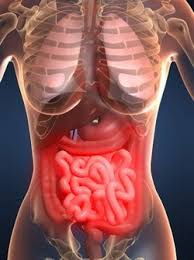
Risk assessment depends on reliable scientific information, including evidence about how pesticides move through the human body after exposure. Toxicokinetics describes absorption, distribution, metabolism, and excretion, commonly shortened to ADME.
Pesticide metabolism strongly influences toxicity because enzymes can change a parent compound into metabolites with different chemical properties. Many reactions promote elimination, although some transformations can produce more biologically reactive substances.
Most pesticide biotransformation occurs through coordinated enzyme systems, particularly Phase I reactions followed by Phase II conjugation pathways. These processes generally increase water solubility and support movement of metabolites toward excretion.
Understanding pesticide metabolism therefore helps explain why the same chemical may produce different biological effects depending on dose, exposure route, enzyme activity, age, genetics, nutrition, disease, or interactions with other substances.
Human exposure can occur through food, contaminated water, inhalation, or dermal contact, while occupational activities may create additional opportunities for exposure. The resulting internal dose depends on both external exposure and biological processing.
Cytochrome P450 and Pesticide Metabolism
Cytochrome P450 enzymes are central to pesticide metabolism because they perform many oxidation reactions involving pesticide waste disposal practices. These hemoproteins help transform compounds before subsequent metabolic pathways prepare them for elimination.
Cytochrome P450 enzymes occur in high concentrations in the liver, where extensive chemical processing takes place. Related enzymes also occur in tissues including the intestine, lungs, kidneys, skin, nasal mucosa, and brain.
During a typical CYP reaction, a pesticide substrate binds to an oxidized enzyme and receives an electron. NADPH-cytochrome P450 reductase then supports reduction, allowing the enzyme-substrate complex to interact with molecular oxygen.
Further electron transfer and oxygen activation produce an oxidized metabolite while the second oxygen atom becomes water. The exact reaction depends on the pesticide structure and the particular CYP enzyme involved.
Humans possess many cytochrome P450 enzymes arranged into families and subfamilies according to sequence relationships. Different CYP forms can recognize different chemicals, so metabolism varies considerably between compounds and individuals.
Genetic variation, enzyme induction, enzyme inhibition, age, diet, disease, and pesticide hazard concerns can alter CYP activity. These differences can change internal pesticide concentrations and influence the timing or intensity of biological effects.
Read ALso : Roles of Consumers in Waste Management
How Pesticides Are Absorbed and Distributed
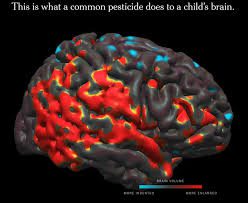
1. Absorption: Pesticides can enter the body through several pathways, and routes of pesticide exposure depend on the chemical, exposure setting, formulation, and contact conditions experienced during occupational, environmental, or dietary exposure.
2. Inhalation: Breathing contaminated air or droplets can deliver pesticide molecules to the respiratory tract. Particle size, volatility, ventilation, exposure duration, and respiratory protection influence the dose reaching the lungs.
3. Dermal Uptake: Skin can absorb some pesticides, especially when concentrated formulations contact exposed areas. Absorption varies with chemical properties, skin condition, contact duration, temperature, and the presence of protective clothing.
4. Ingestion: Pesticides may be swallowed through contaminated foods, drinking water, hands, utensils, or surfaces. Gastrointestinal absorption depends on the compound, food matrix, formulation, dose, and digestive conditions within the stomach and intestine.
5. Distribution: After entering blood, pesticides may circulate to organs and tissues.Protein binding, blood flow, lipid solubility, tissue composition, and transport proteins help determine where compounds and metabolites accumulate.
6. Internal Exposure: The dose reaching tissues depends on absorption and distribution, while environmental conditions such as site conditions affecting pesticide movement can influence the original exposure before biological processing begins.
How Phase I Pesticide Metabolism Works
Phase I metabolism introduces functional groups through oxidation, reduction, or hydrolysis. Research on plant pesticide metabolism helps explain these reactions and how they alter pesticide polarity and structure, sometimes preparing compounds for later conjugation.
Cytochrome P450 oxidation is especially important for many organic chemicals. Evidence on pesticide degradation in soils also shows that transformation depends on chemical structure and surrounding conditions, including factors that influence enzyme or microbial activity.
Hydrolysis can break susceptible chemical bonds using water, while reduction reactions may add electrons or remove oxygen from certain structures. Different pesticide classes respond differently because their molecular arrangements determine available reaction sites.
Phase I metabolism does not automatically make every pesticide harmless. A transformation may decrease activity, preserve activity, or create a metabolite with greater biological reactivity than the original compound under particular conditions.
For risk assessment, researchers therefore examine both parent pesticides and relevant metabolites. Measuring only the original chemical can underestimate exposure when important transformation products persist or contribute substantially to biological effects.
Phase I reactions also vary between people because enzyme abundance and activity differ. Genetics, previous chemical exposure, medications, diet, age, and health conditions can all modify the rate of biotransformation.
How Phase II Metabolism Supports Detoxification
1. Glucuronidation and Sulfation: Phase II enzymes attach naturally occurring groups to pesticide metabolites, commonly increasing water solubility and reducing membrane penetration. These changes can help prepare compounds for renal or biliary elimination.
2. Glutathione Conjugation: Glutathione can react with electrophilic pesticide metabolites, helping reduce their reactivity. Enzymes then process the conjugates through additional reactions that support elimination and protect cells from potentially reactive compounds.
3. Excretion Support: More water-soluble conjugates can move through blood toward the kidneys or bile. Their eventual elimination reduces residence time in tissues, although specific pathways vary according to chemical structure.
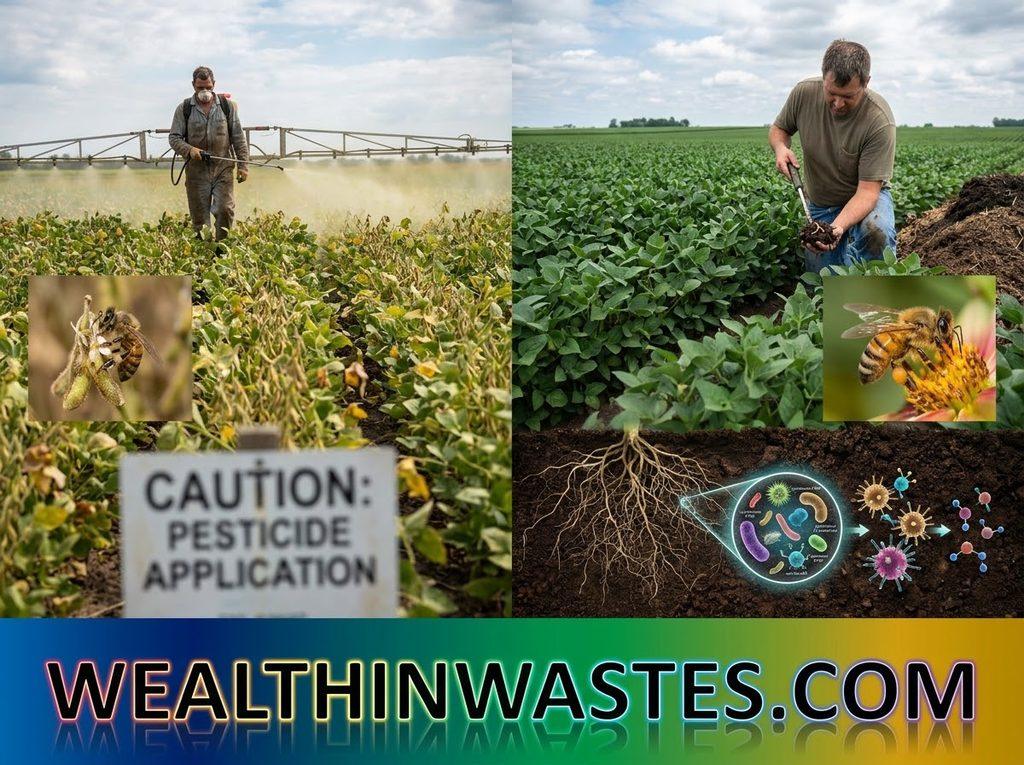
4. Environmental Context: Human detoxification occurs after exposure has happened, so preventing contact remains essential. Control of sources of hazardous substances and responsible management practices affecting pesticide mobility can reduce chemical exposure requiring metabolic processing.
When Metabolism Produces Reactive Metabolites
Metabolic activation occurs when enzymatic transformation creates a product that is more reactive or toxic than the starting pesticide. This possibility explains why metabolism can sometimes increase, rather than decrease, toxicological concern.
A reactive metabolite may interact with proteins, lipids, nucleic acids, or cellular defense systems. The resulting molecular stress depends on metabolite concentration, lifetime, target tissues, and the body’s ability to neutralize or repair damage.
The balance between activation and detoxification can differ among individuals. One person may convert a chemical rapidly into readily eliminated products, while another may generate or retain reactive intermediates for a longer period.
Interactions between pesticides and other chemicals can also modify metabolism.One compound may inhibit an enzyme that processes another, whereas repeated exposure may induce enzyme expression and accelerate metabolism of selected substrates.
These interactions make pesticide toxicokinetics complex, particularly where exposure involves mixtures rather than a single active ingredient. Environmental pathways such as hazardous effects on soil and food contamination pathways can introduce chemicals before metabolism occurs.
Importantly, identifying a reactive metabolite does not by itself establish a health outcome in humans. Risk assessment combines metabolic evidence with exposure levels, toxicological studies, epidemiological evidence, and other information.
Factors That Influence Pesticide Metabolism
1. Age: Age can influence pesticide metabolism because enzyme expression, liver function, kidney clearance, body composition, and other physiological characteristics change across the lifespan. Infants and older adults may process chemicals differently.
2. Genetics: Genetic differences in metabolic enzymes can change reaction rates among individuals. Polymorphisms affecting CYP enzymes or conjugation pathways may alter how quickly pesticides are converted, although effects vary by chemical and genetic context.
3. Health and Diet: Nutrition, disease, alcohol use, medications, and previous chemical exposure can influence enzyme activity. Such factors may inhibit, induce, or otherwise modify metabolic pathways, changing pesticide or metabolite concentration.
4. Exposure Pattern: Exposure route and dose matter because they determine how quickly a chemical reaches blood and metabolizing tissues. Repeated low exposures can produce a different internal profile from one larger short-term exposure.
5. Environmental Contact: Environmental and occupational conditions can affect original exposure before metabolism begins. Contaminated food, water, soil, air, and farm settings create patterns described through soil conditions and water transport.
6. Chemical Structure: Chemical properties further influence metabolism because molecular size, solubility, lipophilicity, functional groups, and structural stability affect enzyme recognition, distribution, transformation, and eventual elimination. pesticide movement and absorption helps explain earlier exposure steps.
Pesticide Residues and Human Risk Assessment
Pesticide residues in food provide an important exposure pathway because crops may retain parent compounds or transformation products after treatment. Monitoring pesticide residues in fruits and vegetables helps connect agricultural use patterns with dietary exposure.
Residue levels do not remain fixed because pesticides can degrade, transform, volatilize, wash away, bind to surfaces, or undergo metabolism. The pattern depends on chemical properties, environmental conditions, crop characteristics, and management practices.
Grains and pulses can also contribute exposure when residues remain after storage or treatment. Information on pesticide residues in cereals and pulses helps explain why residue monitoring considers both the commodity and the pesticide involved.
Meat, milk, eggs, and other animal products can contain residues when animals consume contaminated feed or water, contact treated environments, or receive direct pesticide treatments. pesticide residue sources in meat and dairy describe several pathways.
Residue burdens can vary between tissues and species because compounds differ in lipophilicity, persistence, metabolism, and excretion. Such biological differences can produce species-specific patterns during storage, transformation, elimination, and tissue distribution.
Food processing may reduce some pesticide residues through washing, peeling, cooking, drying, or other treatments, but effectiveness varies. Therefore, residue reduction should be assessed for the specific pesticide, food, and processing method.
Risk assessors examine exposure from multiple sources rather than one food item. Monitoring and pesticide residue management in livestock can help identify avoidable contamination while supporting more reliable estimates of consumer exposure and internal dose.
Read Also: Sampling and Sampling Equipment for Water, Soil and Sediment
Why Pesticide Metabolism Matters

1. Toxicological Interpretation: Pesticide metabolism helps researchers understand what happens after exposure and whether the parent chemical remains unchanged, becomes less active, or forms metabolites with different biological properties in humans.
2. Exposure Prevention: Metabolic information can improve pesticide stewardship by identifying important exposure pathways, testing priorities, residue concerns, and pesticide waste reduction. Preventing unnecessary chemical contact remains important because metabolism does not guarantee complete detoxification.
3. Environmental Management: Agricultural waste can contain pesticide-related materials, making careful handling important. Understanding agricultural waste sources and characteristics helps reduce releases that could create additional exposure through soil, water, food, or accidental contact.
4. Integrated Risk Assessment: Workers, farmers, applicators, consumers, and communities may experience exposure patterns. Good management also considers hazardous effects on water and aquatic life, residue monitoring, protective practices, and careful assessment of human exposure.
Summary on Understanding Pesticide Metabolism in the Human Body
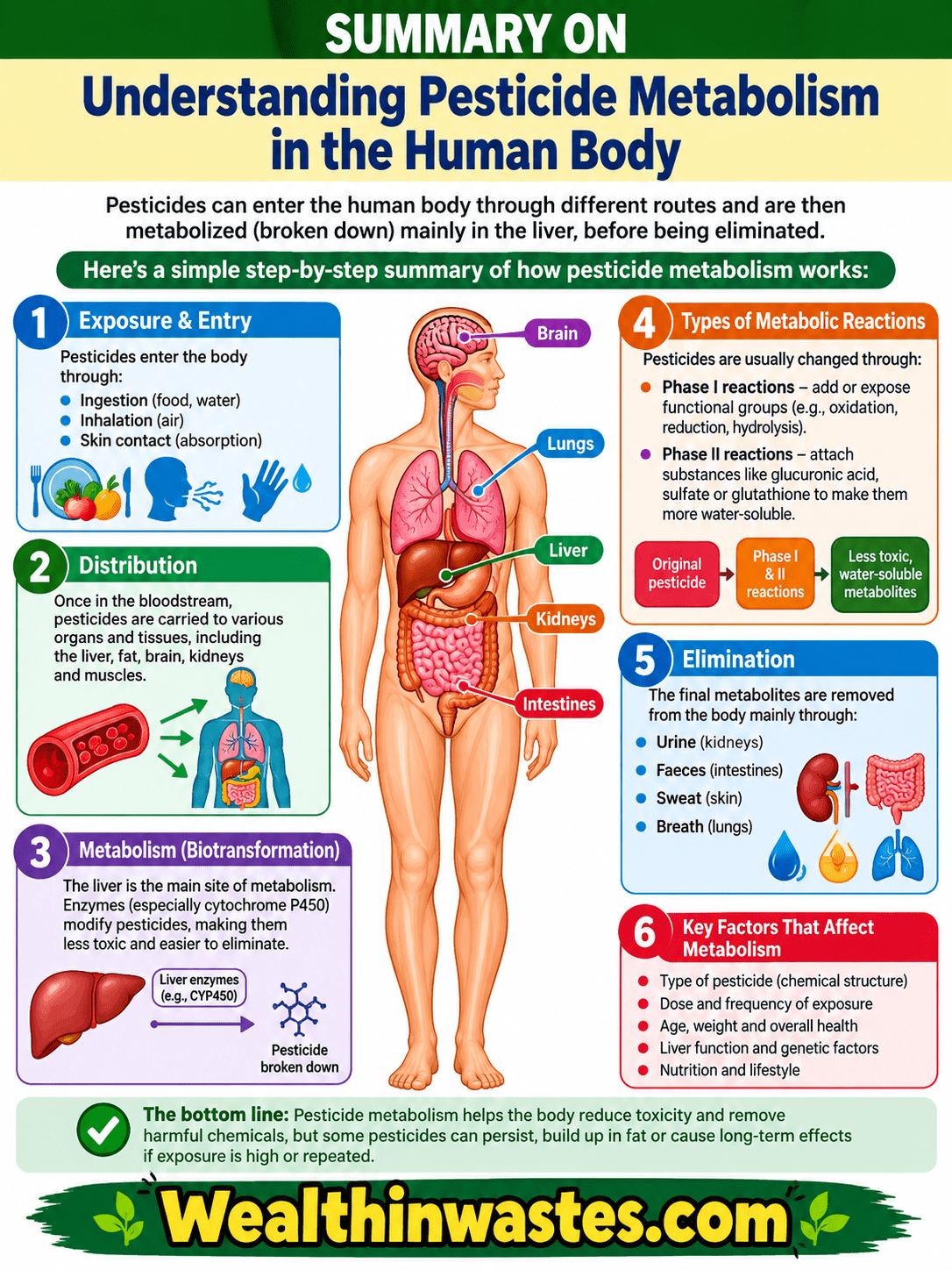
| Section | Main Idea | Why It Matters |
|---|---|---|
| Article Focus | Explains how pesticides move through absorption, distribution, metabolism, and excretion in humans. | Supports understanding of internal exposure and toxicological assessment. |
| Cytochrome P450 | Describes major Phase I enzymes that oxidize many foreign chemicals. | Shows why enzyme activity can change pesticide fate. |
| Absorption and Distribution | Explains entry routes and movement of pesticides through blood and tissues. | Connects external exposure with internal dose. |
| Phase I Metabolism | Covers oxidation, reduction, and hydrolysis reactions. | Shows how parent pesticides can become different metabolites. |
| Phase II Metabolism | Explains conjugation with molecules such as glucuronic acid, sulfate, and glutathione. | Supports water solubility and elimination. |
| Metabolic Activation | Examines situations where metabolism creates more reactive metabolites. | Highlights why metabolism can sometimes increase concern. |
| Influencing Factors | Covers age, genetics, health, diet, exposure patterns, and chemical structure. | Explains differences in pesticide processing among people. |
| Residues and Risk Assessment | Connects food residues, monitoring, metabolites, and exposure assessment. | Provides context for evaluating potential human risk. |
Frequently Asked Questions About Pesticide Metabolism in the Human Body
1. What is pesticide metabolism in the human body?
It is the enzymatic transformation of pesticides into metabolites, usually through Phase I and Phase II pathways that change chemical properties and support elimination.
2. Which organ performs most pesticide metabolism?
The liver performs much pesticide metabolism because it contains abundant xenobiotic-processing enzymes, although related enzymes also occur in other tissues throughout the body.
3. What is the role of cytochrome P450?
Cytochrome P450 enzymes catalyze many Phase I oxidation reactions that transform pesticide molecules into products with different chemical and biological properties.
4. Does metabolism always make pesticides safer?
No.Many reactions support detoxification, but some transformations can create reactive metabolites that may require additional protective and elimination processes.
5. What are Phase II reactions?
Phase II reactions attach compounds such as glucuronic acid, sulfate, or glutathione to metabolites, often increasing water solubility and aiding excretion.
6. Can genetics affect pesticide metabolism?
Yes. Genetic differences in metabolic enzymes can change reaction rates and contribute to differences in how people process particular pesticides.
7. Why are pesticide residues important?
Residues can provide dietary or environmental exposure information and help researchers estimate intake, internal dose, and potential risks associated with specific chemicals.
8. Can food processing remove pesticide residues completely?
No. Washing, peeling, cooking, or drying can reduce some residues, but effectiveness varies with the pesticide, commodity, processing method, and starting concentration.
Do you have any questions, suggestions, or contributions? If so, please feel free to use the comment box below to share your thoughts. We also encourage you to kindly share this information with others who might benefit from it. Since we can’t reach everyone at once, we truly appreciate your help in spreading the word. Thank you very much for your support and for sharing!
Read Also: Safe Handling of Pesticides in Agriculture