



A strong legislative basis gives regulators authority to decide which pesticides may enter the market, how products may be used, and what safeguards users must follow. This framework supports safe pesticide use.
Pesticide residues can reach people through food, inhalation, and skin contact, making regulation important beyond the farm. Legal controls therefore connect agricultural productivity with human health and environmental protection goals.
Modern pesticide regulation usually covers the product’s entire life cycle, including registration, labeling, application, worker protection, storage, disposal, import, export, monitoring, enforcement, and review when evidence changes or conditions deteriorate.
The supplied source highlights the International Code of Conduct on Pesticide Management as an important framework, while national laws provide enforceable authority for registration, restrictions, and compliance within each jurisdiction.
This article explains the legislative basis for pesticide regulation, using the United States framework as a detailed example while examining international guidance and regulatory challenges in developing nations more broadly.
Legislative Basis And Global Framework
A strong legislative basis gives regulators authority to decide which pesticides may enter the market, how products may be used, and what safeguards users must follow. This framework supports safe pesticide use.
Residue rules protect consumers by establishing limits for pesticide residues in food, while environmental standards address contamination in soil, air, and water. These controls help connect pesticide use with public safety.
Exposure pathways also influence regulation because people can encounter pesticides through ingestion, inhalation, and dermal contact. Understanding these routes helps authorities determine where legal controls and protective measures are necessary.
The source identifies the International Code of Conduct on Pesticide Management as a major international reference. The framework supports national authorities by providing guidance where legislation exists, remains incomplete, or needs strengthening.
The Code also recognizes shared responsibilities among governments, industry, users, and other stakeholders. Its purpose extends across production, distribution, use, storage, and disposal, helping promote safer pesticide management throughout the product life cycle.
National legislation remains essential because international guidance does not replace domestic legal authority. Each country needs laws, institutions, trained personnel, technical capacity, and enforcement systems capable of applying pesticide controls consistently.
Effective legislation should therefore balance agricultural needs with health and environmental protection while allowing regulators to respond to new evidence. Strong legal authority becomes especially important when pesticide risks change over time.
Read Also: Safety Measures in the Transportation of Pesticides
Pesticide Registration Under Legislative Authority
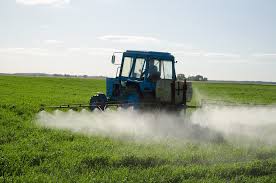
Pesticide registration is a central part of the legislative basis for pesticide regulation because authorities can require scientific information before products enter commerce. Registration creates a formal checkpoint for evaluating safety, efficacy, and labeling.
1. Scientific Data Requirements: Registration authorities can require information on toxicity, environmental fate, residues, effectiveness, product composition, and other relevant characteristics. Such evidence helps determine whether a pesticide meets established regulatory requirements.
2. Risk And Benefit Evaluation: Regulators may compare potential adverse effects with agricultural, economic, social, or public-health benefits before authorizing use. The assessment helps authorities determine whether proposed applications create unacceptable risks.
3. Food Residue Protection: Where pesticides are used on food crops, registration can be linked with legal residue limits. The human health risk assessment process helps evaluate potential exposure.
4.Crop And Use Conditions: Authorities can specify approved crops, application rates, timing, sites, and other conditions. Reviewing pesticide selection principles helps explain why product authorization must match intended agricultural uses.
5. Ongoing Registrant Duties: Registration does not end when approval is granted. Registrants may have continuing responsibilities to report new information, including adverse effects, residue findings, or evidence affecting continued authorization.
6. Regulatory Recordkeeping: Registration decisions require reliable documentation because authorities must justify approvals, restrictions, modifications, or cancellations. Clear records also support later scientific reviews and communication with stakeholders.
Suspension, Cancellation, And Review
Regulatory authority must continue after registration because new evidence can reveal previously unrecognized risks. The source explains that authorities may reconsider, restrict, suspend, or cancel pesticide registrations when circumstances change.
Suspension can provide a rapid response when continued use presents serious concerns, while cancellation removes the registration subject to applicable legal procedures. Both actions demonstrate why pesticide regulation requires continuing oversight.
Economic considerations can form part of regulatory review because cancellation may affect crop production, commodity prices, food costs, and other social consequences. Regulators therefore assess both risks and practical effects.
Authorities may first consider whether additional restrictions can manage identified risks before choosing cancellation. This approach allows regulators to examine whether modified conditions could provide adequate protection without immediately removing a product.
The properties affecting pesticide mobility can also matter during reassessment because movement through soil, water, or air may change exposure patterns beyond the original treatment site.
Regulatory review also depends on credible evidence. Toxicological studies, epidemiological information, residue data, environmental monitoring, incident reports, and other scientific findings can contribute to decisions about continued pesticide authorization.
Strong review procedures make pesticide law adaptable because authorities do not need to depend solely on information available when the product first received approval. Regulatory systems can therefore respond to changing evidence.
Pesticide Labels and Use Restrictions
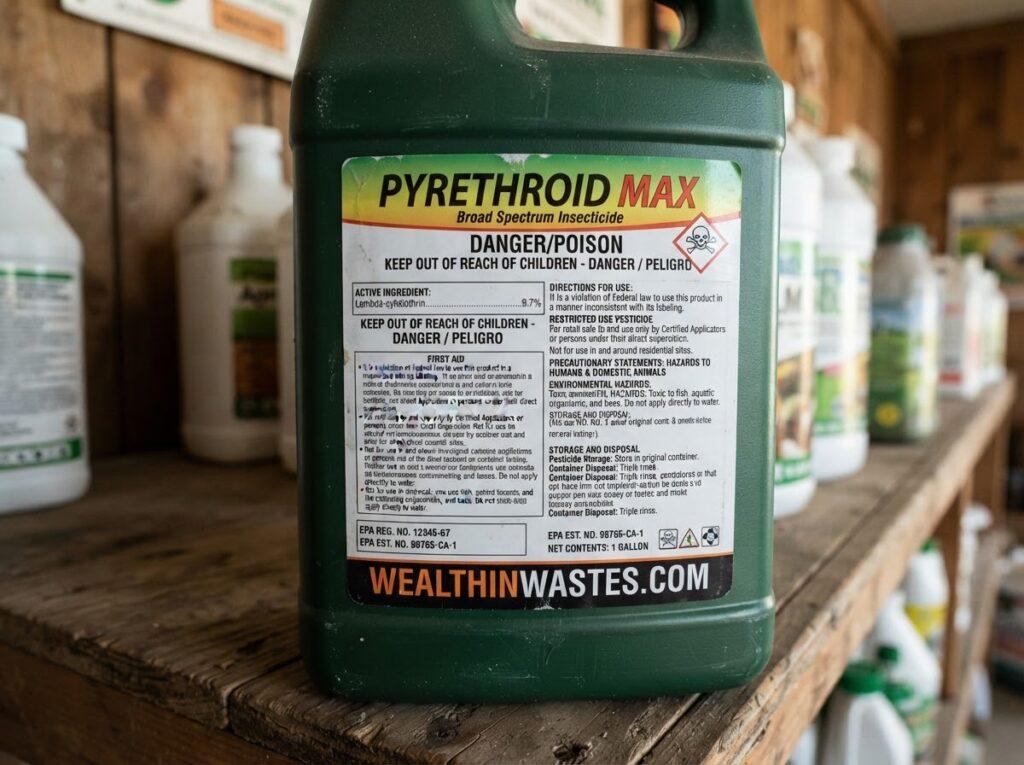
Labels translate legal requirements into practical instructions for pesticide users. Under the legislative basis for pesticide regulation, an approved label can define where, how, when, and by whom a product may be used.
1. Approved Directions: Labels should communicate approved uses, application methods, rates, timing, precautions, and other instructions. Following these directions reduces opportunities for misuse, excessive exposure, crop damage, and environmental contamination.
2. Hazard Information: Labels communicate hazards and precautions relevant to users. Clear warnings can help handlers recognize exposure risks and select suitable protective measures before mixing, applying, transporting, or storing pesticide products.
3. Restricted Uses: Some pesticides require additional controls because authorities consider unrestricted use inappropriate under specified conditions. Restricted-use systems can require certified applicators or supervised application by qualified personnel.
4. Food And Animal Protection: Application restrictions can help prevent residues from entering food or animal products. The effects of pesticide residues on livestock illustrate why regulated use extends beyond crops.
5. Environmental Use Conditions: Labels can limit applications near sensitive locations, water bodies, or populated areas. Understanding pesticide behaviour in water helps explain why such restrictions matter for environmental protection.
6.Compliance And Enforcement: A pesticide user who ignores mandatory label requirements may violate applicable law. Clear labeling therefore serves as both a practical safety tool and an important regulatory mechanism.
Worker Protection Under Pesticide Regulation
Worker protection provisions extend pesticide regulation from products to people. The source describes the United States Worker Protection Standard as a federal framework addressing occupational exposure among agricultural workers and pesticide handlers.
1. Safety Training: Workers and handlers need appropriate pesticide safety information so they understand exposure risks, protective procedures, emergency actions, and workplace responsibilities before performing covered tasks involving agricultural pesticides.
2. Personal Protective Equipment: Regulations can require suitable protective clothing and equipment for specified pesticide activities. Equipment should match the product instructions and remain clean, functional, correctly used, and properly maintained.
3. Re-Entry Restrictions: Workers may need to remain outside treated areas for prescribed periods following application. These restrictions reduce unnecessary contact with residues before conditions allow safer agricultural work.
4. Emergency Assistance: Effective worker protection includes access to emergency information, decontamination resources, and medical assistance following exposure. Legal requirements can make employers responsible for maintaining these protective arrangements.
5. Applicator Certification: Restricted-use pesticides may require certified applicators or supervised users. Regulatory certification helps establish minimum competency requirements for handling products whose risks demand additional knowledge and practical safeguards.
The wider health framework also matters because pesticide exposure can affect the body through several pathways. Understanding pesticide metabolism and exposure supports better interpretation of occupational protection requirements.
Worker protection laws also recognize that pesticide safety depends on workplace organization, not protective equipment alone. Training, information access, application controls, hygiene, and emergency preparedness must operate together.
Read Also: Safety Measure in the Use of Pesticides
Pesticide Storage, Disposal, and Trade

The legislative basis for pesticide regulation continues after application because storage, waste, import, and export can create exposure and contamination risks. Effective controls therefore cover products from purchase through final disposition.
1. Secure Storage: Pesticides should remain in suitable, labeled containers within controlled storage areas. Storage rules help prevent unauthorized access, leaks, accidental exposure, contamination of food, and contact with water sources.
2. Unwanted Concentrates: Unused concentrated products may require specialized handling because their contents remain highly concentrated. The proper disposal of unwanted pesticide concentrates reduces environmental and occupational risks.
3. Empty Containers: Empty pesticide containers can still contain residues and should not be casually reused. Guidance on pesticide container disposal helps prevent contamination and unsafe secondary use.
4. Dilute Waste: Leftover spray mixtures and contaminated rinsate require controlled management. Following suitable dilute pesticide waste practices helps protect soil, groundwater, surface water, wildlife, and nearby communities.
5. Import And Export: Trade controls can establish requirements for pesticide movement across national borders, including labeling and regulatory notifications. Export rules remain important because products may reach countries with different regulatory capacities.
Storage and disposal requirements should also connect with wider hazardous waste legislation.Clear legal responsibilities can identify who stores products, manages waste, arranges transport, maintains records, and performs final disposal.
Legislative Gaps In Developing Nations
The supplied source notes that some developing countries have lacked comprehensive pesticide legislation or have struggled to enforce existing rules. Legal authority alone cannot provide protection without institutions and technical capacity.
Weak enforcement can allow inappropriate products, unsafe concentrations, poor labeling, and inadequate protective practices to continue. These problems can increase exposure among farmers and workers who already have limited access to information.
Language and literacy can create additional barriers when product labels do not communicate hazards clearly to local users. Effective regulatory systems therefore need communication strategies suited to the people who apply pesticides.
Training shortages can also undermine compliance because farmers may not understand application rates, protective equipment, re-entry periods, or emergency procedures. Regulatory agencies need practical education systems alongside legal requirements.
The sources of hazardous substances in agriculture show why pesticide oversight should address handling, storage, spills, excessive application, and disposal rather than focusing only on product approval.
Legal institutions also require reliable waste-control systems. The classification of hazardous wastes provides an example of how regulatory systems can connect chemical characteristics with controlled management requirements.
International cooperation can help countries strengthen these systems through technical guidance, training, information exchange, and support for national legislation. However, each jurisdiction must adapt its framework to local agricultural conditions and institutional capacity.
Environmental Safeguards For Pesticide Use

Environmental safeguards form another essential part of the legislative basis for pesticide regulation. Laws can control application conditions to reduce drift, contamination, persistent residues, and exposure of non-target organisms.
1. Minimize Environmental Persistence: Regulatory recommendations can favor products with lower persistence where suitable alternatives exist. This approach helps reduce long-term accumulation and limits the duration of environmental exposure.
2. Control Spray Drift: Application restrictions can address wind speed, spray characteristics, distance from populated areas, and proximity to sensitive water resources. Such measures reduce movement beyond intended treatment areas.
3. Protect Soil And Water: Persistent pesticides can accumulate or move through environmental pathways. The effects of hazardous substances on soil demonstrate why contamination prevention must include soil protection.
4. Protect Sensitive Locations: Regulatory systems can restrict pesticide treatment near schools, hospitals, populated areas, livestock facilities, and water bodies. Restrictions reduce opportunities for unintended exposure among people, animals, and ecosystems.
5. Require Public Notification: Where pesticide treatment may affect surrounding communities, authorities can require advance warnings, treated-area signs, and temporary restrictions. These measures allow people to take practical precautions before applications begin.
Environmental safeguards also benefit from careful management of specialized pesticide products. Guidance on fumigant storage and handling demonstrates why hazardous products need controls throughout their complete life cycle.
Ultimately, effective environmental regulation seeks to prevent contamination rather than correct it afterward. Clear legal standards, monitoring, enforcement, user education, and responsible pesticide choices work together to reduce avoidable impacts.
Summary on Legislative Basis for Pesticide Regulation
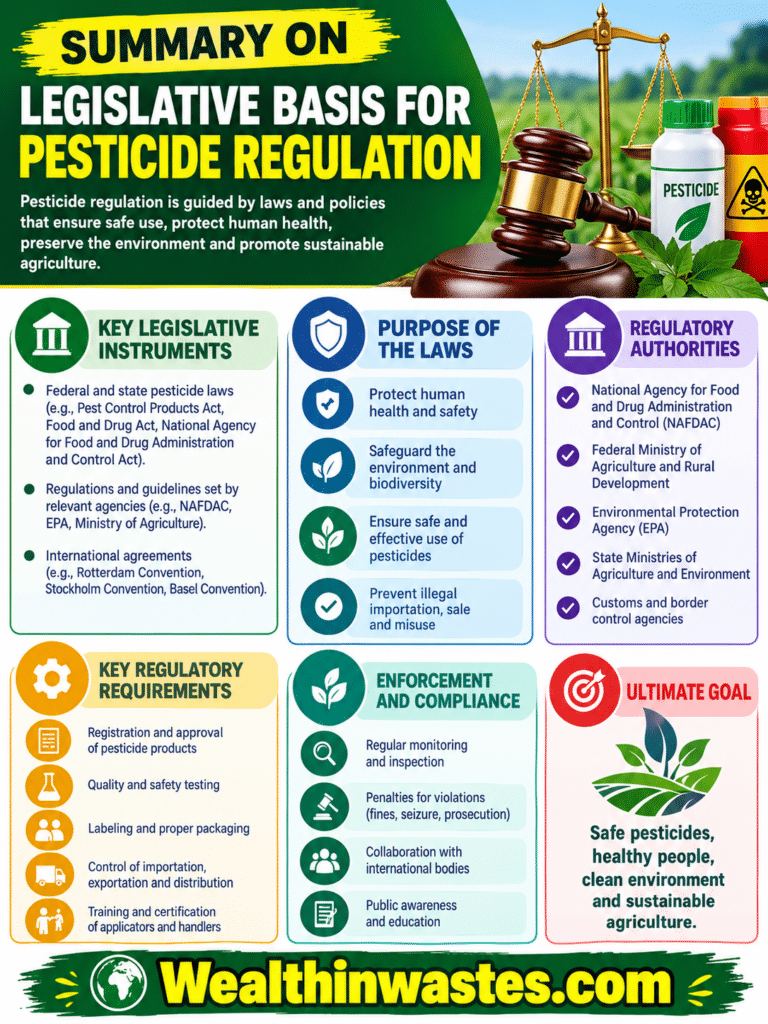
| Section | Main Idea | Why It Matters |
|---|---|---|
| Global Framework | International guidance supports national pesticide legislation and management. | Creates a reference for stronger regulatory systems. |
| Registration | Authorities assess scientific information before approving pesticide products. | Helps control unacceptable risks before market entry. |
| Review | Registrations may be restricted, suspended, or cancelled when evidence changes. | Keeps regulation responsive to emerging risks. |
| Labeling | Labels communicate legally required directions, hazards, and restrictions. | Translates legal requirements into practical instructions. |
| Worker Protection | Training, PPE, re-entry controls, and certification protect handlers and workers. | Reduces occupational pesticide exposure. |
| Storage And Disposal | Legal controls continue through storage, waste management, import, and export. | Prevents contamination and unsafe handling. |
| Developing Nations | Weak institutions and enforcement can limit regulatory effectiveness. | Shows why legislation needs resources and capacity. |
| Environmental Safeguards | Application restrictions help protect soil, water, people, and ecosystems. | Reduces off-target movement and environmental contamination. |
Frequently Asked Questions About Legislative Basis for Pesticide Regulation: Key Laws
1. What is the legislative basis for pesticide regulation?
It is the body of laws, regulations, standards, and legal authorities that govern pesticide registration, sale, labeling, use, storage, disposal, monitoring, and enforcement within a jurisdiction.
2. Why is pesticide registration legally important?
Registration creates a formal process for reviewing scientific information before a pesticide enters commerce, helping authorities assess risks, benefits, intended uses, labeling, residues, and environmental effects.
3. Can pesticide registration be cancelled?
Yes. Regulatory authorities may reconsider registrations when new evidence identifies potential adverse effects and may restrict, suspend, or cancel products according to applicable legal procedures.
4. Why are pesticide labels part of legislation?
Labels convert regulatory decisions into practical instructions covering approved uses, application methods, precautions, restrictions, hazards, and other requirements that users must follow during pesticide handling.
5. How does legislation protect agricultural workers?
Worker protection rules can require safety training, personal protective equipment, restricted-entry periods, application controls, emergency assistance, information access, and certification for specified pesticide activities.
6. Why is enforcement important in developing countries?
Legislation cannot protect communities effectively when agencies lack resources, trained personnel, monitoring systems, or practical enforcement capacity. Strong institutions are necessary to turn legal requirements into consistent protection.
7. What does international pesticide guidance accomplish?
International guidance provides shared principles and technical recommendations that can help countries strengthen national pesticide laws, institutions, policies, risk reduction measures, and life-cycle management practices.
8. Why does pesticide legislation include storage and disposal?
Pesticide risks continue after application because leaking containers, unused products, contaminated waste, and improper disposal can expose people and contaminate soil, water, food, and surrounding environments.
Do you have any questions, suggestions, or contributions? If so, please feel free to use the comment box below to share your thoughts. We also encourage you to kindly share this information with others who might benefit from it. Since we can’t reach everyone at once, we truly appreciate your help in spreading the word.Thank you very much for your support and for sharing!
Read Also: Safe Handling of Pesticides in Agriculture