


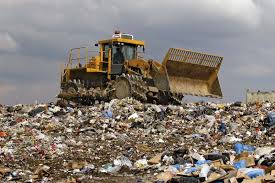
On-site sewage disposal systems provide an important method of managing wastewater where centralized sewer networks remain unavailable, impractical, or too expensive to construct and maintain effectively.
A properly planned on-site sewage disposal system must remove solids, reduce organic pollutants, control pathogens, and protect surrounding soil, groundwater, surface water, people, and animals.
The system normally combines several components that perform different treatment and disposal functions, beginning with collection and preliminary treatment before biological processing and final effluent management.
Primary treatment mainly separates settleable and floating materials, while biological treatment reduces biodegradable organic matter through microbial activity under suitable environmental conditions.
The most suitable components depend on wastewater characteristics, expected flow, soil permeability, groundwater conditions, available land, climate, environmental protection requirements, and applicable regulatory standards.
Read Also: types and characteristics of wastewater
Preliminary Treatment Components
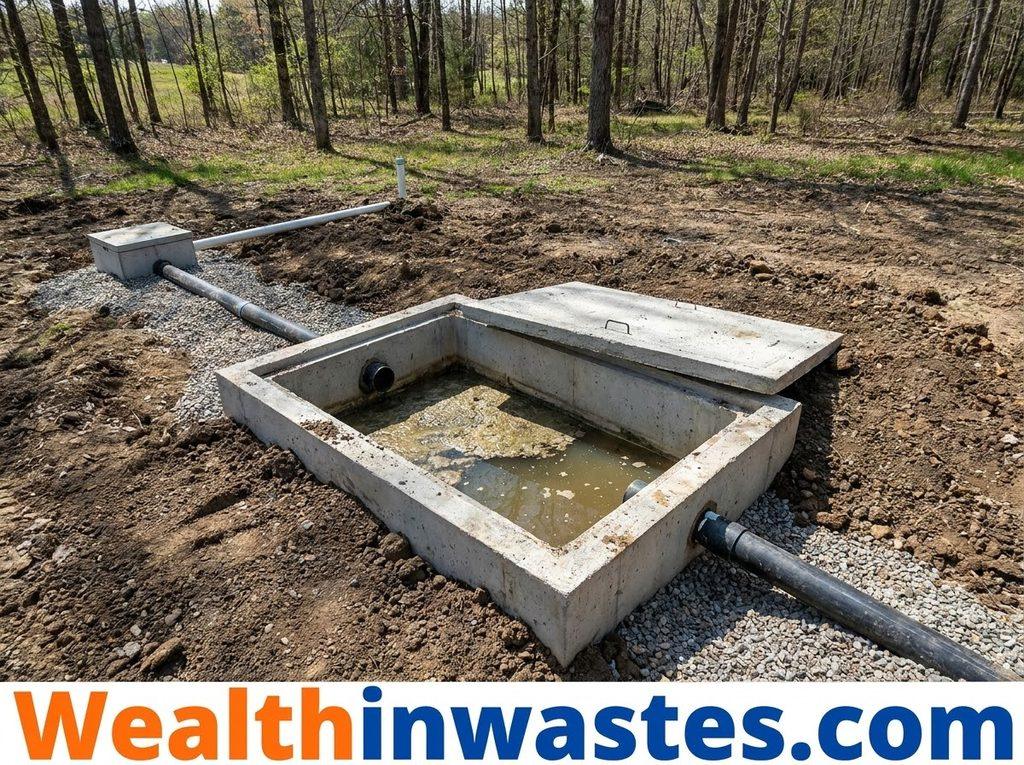
Preliminary treatment protects later components by removing large debris, heavy inorganic materials, excessive grease, and other substances that could interfere with sewage treatment and disposal.
Wastewater characteristics and flow rates influence the selection and sizing of preliminary units because variable flows can change hydraulic loading, retention, settling, and equipment performance.
1. Screening: Screens capture rags, plastics, sticks, stones, sanitary materials, and other large objects before they enter pipes, pumps, tanks, or biological treatment components.
2. Grit Removal: Grit chambers slow wastewater sufficiently to settle sand, gravel, and other heavy inorganic particles while lighter organic materials remain suspended for later treatment.
3. Flow Control: Inlet structures, chambers, and flow-control devices help direct wastewater through the system while reducing sudden hydraulic changes that could disturb treatment processes.
Sound preliminary treatment reduces clogging, abrasion, blockages, maintenance requirements, and unnecessary loading on downstream treatment units, thereby supporting more reliable operation of the entire system.
Effective hydraulic planning should consider household size, water consumption, occupancy patterns, peak discharge periods, infiltration, inflow, and expected future changes affecting wastewater generation.
1. Flow Assessment: Designers estimate wastewater quantities using available supply information, direct measurements, occupancy data, and comparable facilities to establish suitable hydraulic design values.
2. Wastewater Characterization: Assessment of solids, organic matter, nutrients, grease, pathogens, and other pollutants helps determine appropriate treatment processes and operating requirements for on-site systems.
3. Protection Measures: Preliminary components should prevent unsuitable materials from reaching sensitive treatment units because contamination, blockages, and hydraulic disturbances can reduce overall system reliability.
Septic Tank Components and Functions
Septic tanks form the central primary treatment component in many on-site sewage disposal systems, especially for individual homes, small institutions, and properties without centralized sewer connections.
A septic tank receives wastewater from toilets, bathrooms, kitchens, laundry areas, and other household sources before allowing partially clarified effluent to continue toward subsequent treatment.
Inside the tank, wastewater moves slowly enough for heavier solids to settle while grease, oils, and other buoyant materials rise toward the liquid surface.
1. Sludge Zone: Heavy suspended solids settle beneath the liquid and accumulate at the tank bottom, forming sludge that requires periodic inspection and appropriate removal.
2.Scum Zone: Grease, oils, fats, and other floating materials rise through the wastewater and accumulate at the surface, forming scum that requires regular management.
3. Effluent Zone: The clarified liquid between sludge and scum leaves through the outlet structure before entering an absorption field or another approved treatment component.
4. Inlet and Outlet Structures: Properly positioned pipes and fittings guide wastewater through the tank while reducing turbulence, short-circuiting, and unnecessary disturbance of settled materials.
Regular septic tank maintenance prevents excessive sludge accumulation, protects downstream treatment components, and reduces the possibility of blockages, sewage backups, odours, and poorly treated effluent release.
Understanding sewage composition also helps operators manage treatment performance because household wastewater contains suspended solids, dissolved substances, organic matter, nutrients, pathogens, grease, and chemicals.
1. Tank Capacity: Adequate capacity provides sufficient retention time for settling and biological activity while accommodating expected wastewater flows without frequent hydraulic disturbance.
2. Watertight Construction: Sound construction prevents wastewater leakage and groundwater entry, helping protect treatment performance and reduce unnecessary contamination risks around the installation.
3. Access and Maintenance: Accessible covers and suitable inspection points allow operators to monitor sludge and scum levels, inspect components, and arrange timely tank pumping.
Read Also: wastewater composition and characteristics
Flow Equalization and Biological Treatment
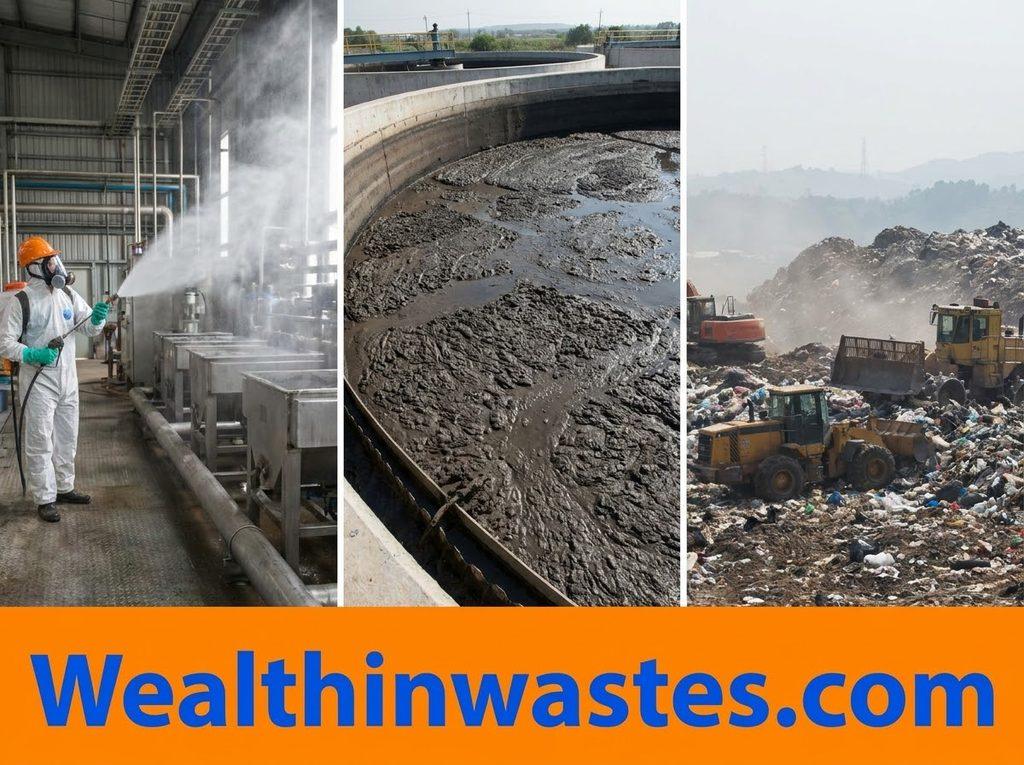
Some on-site sewage disposal systems use equalization tanks to balance wastewater flow before biological treatment, particularly where daily discharge patterns create significant hydraulic variation.
Household and institutional activities rarely produce constant wastewater volumes because bathing, cooking, laundry, toilet use, and cleaning occur at different times.
Equalization temporarily stores wastewater during higher-flow periods and releases it more steadily, reducing sudden loading changes that can disrupt downstream treatment processes.
1. Hydraulic Equalization: The tank reduces sudden variations in wastewater quantity, helping downstream biological units maintain more stable hydraulic conditions during routine operation.
2. Organic Load Equalization: Mixing can moderate variations in pollutant strength, giving microorganisms a more consistent food supply and reducing sudden biological stress.
3. Flow Management: Pumps, controls, and carefully designed outlets regulate wastewater movement so treatment units receive flow at rates they can process effectively.
Equalization becomes particularly valuable where wastewater generation changes sharply between daytime and nighttime periods or where facilities experience irregular occupancy and usage patterns.
Read Also: wastewater flow estimation methods
Biological treatment follows primary separation and relies on microorganisms to consume biodegradable organic substances, thereby reducing oxygen-demanding pollutants remaining in the treated wastewater.
1. Biological Oxidation: Aerobic microorganisms use available oxygen while converting biodegradable organic matter into simpler products and additional biological cells within the treatment environment.
2. Activated Sludge: Aeration keeps microorganisms suspended and active, allowing them to metabolize dissolved and fine suspended organic matter before biological solids settle.
3. Trickling Filters: Wastewater passes across media supporting microbial growth, where attached organisms degrade biodegradable pollutants while airflow supplies oxygen for biological activity.
Secondary biological treatment improves effluent quality substantially, although actual performance depends on wastewater characteristics, temperature, oxygen supply, retention time, loading rates, and proper maintenance.
Subsurface Disposal Field Components
Subsurface disposal fields provide final treatment and disposal in many on-site systems by allowing treated effluent to enter suitable soil under controlled hydraulic conditions.
A typical field contains distribution pipes, aggregate or approved media, suitable soil, and surrounding land that provides additional physical filtration and biological treatment.
Field performance depends heavily on soil permeability because the soil must accept wastewater without prolonged ponding, surface breakout, or excessive movement toward groundwater.
1. Distribution Pipes: Perforated pipes spread treated effluent across designated areas, helping prevent concentrated discharge and promoting more uniform contact with the surrounding absorption zone.
2. Distribution Media: Gravel or approved alternative media support pipes, provide drainage space, and help distribute wastewater before it enters the surrounding soil profile.
3. Soil Treatment Zone: Soil filters remaining suspended material while microbial communities degrade biodegradable substances as effluent moves slowly through suitable unsaturated layers.
Soil assessment should examine texture, structure, permeability, seasonal groundwater, restrictive layers, topography, and available separation distances before selecting a suitable disposal-field design.
1. Suitable Soil: Soil should permit adequate infiltration while providing enough treatment capacity to protect groundwater and prevent persistent surface saturation.
2. Groundwater Separation: Adequate vertical separation gives wastewater additional soil contact and treatment time before it reaches groundwater resources beneath the disposal area.
3. Hydraulic Loading: Application rates must remain within the soil’s capacity because excessive hydraulic loading can cause ponding, breakout, clogging, and premature field failure.
Regular observation helps identify warning signs such as wet spots, foul odours, unusually lush vegetation, slow drainage, wastewater surfacing, or persistent saturation near disposal trenches.
Protecting the disposal field from heavy construction, excessive traffic, deep-rooted vegetation, flooding, and uncontrolled wastewater loading helps maintain infiltration and treatment performance.
Alternative On-Site Disposal Systems
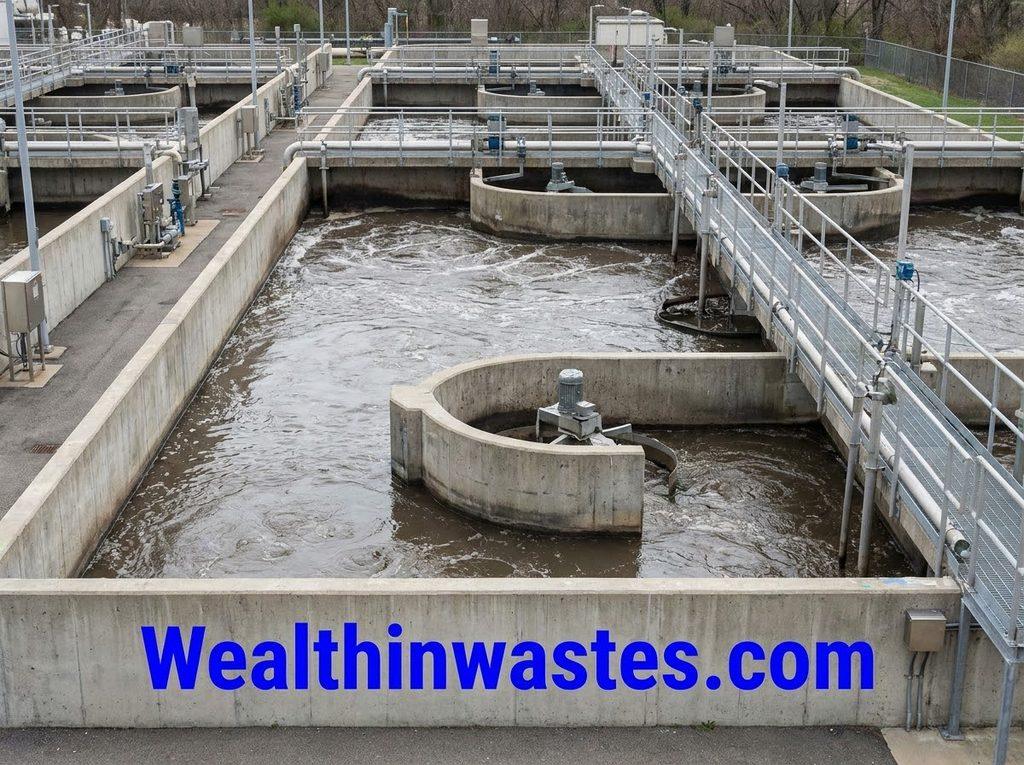
Conventional subsurface fields do not suit every property because restrictive soils, high groundwater, limited land, climate conditions, or sensitive receiving environments can create design limitations.
Alternative systems adapt treatment and disposal methods to site conditions, allowing wastewater management where conventional septic tanks and absorption fields require additional support.
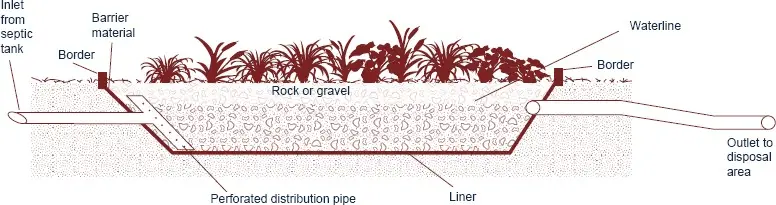
1. Evapotranspiration-Absorption Systems: ETA systems use engineered soil or sand layers together with evaporation and plant transpiration to manage wastewater where downward infiltration remains restricted.
2. Engineered Sand Trenches: Sand can replace poorly draining native material, creating a controlled treatment zone that improves hydraulic movement and supports moisture transfer within the system.
3. Vegetated Surface: Suitable vegetation assists water loss through transpiration while covering the system and helping protect engineered media from weather-related disturbance.
ETA systems require careful sizing because performance depends on evaporation, plant water uptake, rainfall, temperature, humidity, soil conditions, and wastewater loading throughout the year.
Lagoons or oxidation ponds provide another alternative by using shallow basins where sunlight, algae, microorganisms, oxygen, temperature, and retention time support wastewater treatment.
1. Aerobic Activity: Oxygen-dependent microorganisms consume biodegradable organic substances, reducing pollutant concentrations while improving the quality of wastewater retained within the lagoon.
2.Algal Photosynthesis: Algae use sunlight and can release oxygen during photosynthesis, supporting aerobic microbial activity and contributing to organic matter reduction.
3. Water Loss: Evaporation can remove water from total-retention lagoons, although rainfall and climatic conditions determine whether the approach remains effective at a particular site.
Aerobic and Surface Application Systems
Aerobic systems introduce oxygen into wastewater to support microorganisms that rapidly degrade biodegradable organic matter before treated effluent moves toward an approved disposal or reuse method.
These systems can provide higher treatment performance than simple primary treatment when site conditions or environmental requirements demand improved effluent quality.
1. Aeration Equipment: Mechanical or diffused aeration supplies oxygen and mixing, allowing microorganisms to remain active while receiving sufficient contact with biodegradable pollutants.
2. Biological Treatment: Aerobic microorganisms metabolize biodegradable organic substances and convert them into simpler products and biological solids that require subsequent separation.
3. Secondary Clarification: Settling allows biological solids to separate from treated water before effluent continues toward disinfection, reuse, surface application, or another approved disposal method.
Proper aeration requires suitable oxygen transfer, retention time, mixing, loading control, equipment operation, and routine maintenance to prevent declining treatment performance.
Surface application systems distribute treated effluent over approved vegetated land where infiltration, evaporation, plant uptake, and soil processes contribute to final water management.
1. Disinfection: Treated effluent may undergo approved disinfection before surface application to reduce pathogenic microorganisms and protect people, animals, crops, and surrounding environmental resources.
2. Controlled Distribution: Sprinklers or other application devices distribute effluent across designated areas while limiting ponding, runoff, spray drift, and excessive hydraulic loading.
3. Vegetation Management: Suitable vegetation receives part of the applied water through evapotranspiration while helping stabilize soil and maintain functional application areas.
Surface application requires careful management because poor-quality effluent, excessive application, equipment failure, runoff, and uncontrolled human contact can create environmental and public-health concerns.
Advanced Treatment, Disinfection and Sludge
Some on-site sewage disposal systems require treatment beyond primary and secondary processes when sensitive receiving environments or intended reuse applications demand additional pollutant reduction.
Advanced treatment can target nutrients, residual suspended solids, dissolved contaminants, pathogens, colour, and other substances that conventional biological treatment does not adequately remove.
1. Filtration: Fine filtration can remove remaining suspended particles and improve effluent clarity before disinfection, reuse, or final environmental discharge.
2. Nutrient Removal: Additional treatment can reduce nitrogen and phosphorus concentrations when nutrient discharge could damage sensitive surface waters or groundwater resources.
3. Adsorption: Activated carbon and similar media can capture certain dissolved organic compounds that remain difficult to remove through conventional biological treatment processes.
4. Disinfection: Chlorine, ultraviolet radiation, ozone, and other approved methods can reduce pathogenic microorganisms when treated effluent requires additional microbiological protection.
Disinfection should match the intended effluent use because treatment requirements differ for irrigation, environmental discharge, groundwater protection, landscape application, and other permitted purposes.
Sludge remains an important component because primary and biological treatment produce solids that require removal, stabilization, storage, transport, beneficial use, or approved final disposal.
1. Primary Sludge: Primary sludge contains settled solids removed during initial clarification and usually includes significant organic and inorganic materials requiring controlled management.
2. Secondary Sludge: Secondary sludge contains biological solids generated during microbial treatment and separated during subsequent clarification before final handling and disposal.
3. Sludge Stabilization: Digestion, drying, dewatering, composting, or other approved methods can reduce moisture, odour, volume, and biological hazards before final management.

Good sludge management protects people and the environment because concentrated solids can contain pathogens, nutrients, metals, organic pollutants, and other contaminants.
1. Safe Handling: Operators should use suitable procedures and equipment when removing sludge to reduce exposure risks and prevent accidental release around treatment areas.
2. Controlled Disposal: Sludge should reach approved treatment, reuse, or disposal locations that can manage its pollutant content and potential biological hazards safely.
3. Resource Recovery: Properly treated sludge may provide organic matter and nutrients for beneficial applications when regulations, treatment quality, and environmental conditions permit safe reuse.
On-site systems differ from centralized municipal facilities because they manage wastewater near the property rather than transporting sewage through extensive sewer networks to shared treatment plants.
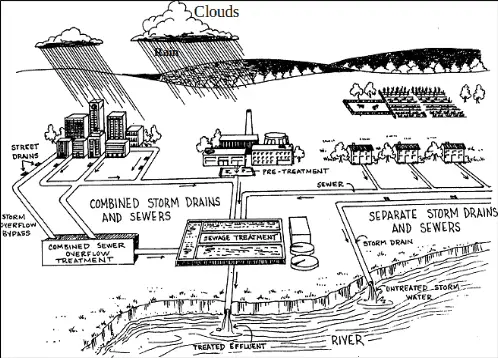
Centralized systems can serve larger populations through collection networks, preliminary treatment, primary clarification, biological treatment, advanced processes, disinfection, sludge management, and final effluent disposal.
However, both approaches depend on accurate wastewater characterization, hydraulic planning, appropriate treatment selection, skilled operation, routine maintenance, and compliance with environmental protection requirements.
Read Also: Characteristics and Flow Rates of Waste-Water
Additional planning should consider the possibility of wastewater reuse because appropriately treated effluent may support irrigation, landscaping, industrial applications, and other approved non-potable purposes.
1. Treatment Selection: Select treatment components according to wastewater characteristics, expected flows, soil conditions, environmental sensitivity, available land, operating capacity, and required effluent quality.
2. Site Protection: Locate and operate system components so wastewater does not threaten groundwater, surface water, neighbouring properties, public spaces, crops, livestock, or nearby ecosystems.
3. Routine Monitoring: Inspect tanks, pumps, distribution devices, disposal fields, treatment equipment, and effluent quality regularly to identify performance problems before system failure develops.
4. Regulatory Compliance: Operators should follow applicable environmental, public-health, construction, wastewater-discharge, sludge-management, and site-specific requirements governing on-site sewage disposal installations.
Proper design and maintenance remain essential because poorly managed sewage can contaminate soil and water, create odours, encourage disease transmission, and reduce environmental quality.
Advanced membrane technologies can also support high-quality wastewater treatment where conventional processes cannot adequately meet demanding effluent objectives or planned water-reuse requirements.
1. Membrane Filtration: Membrane processes separate suspended particles, microorganisms, and selected dissolved substances according to membrane properties, operating conditions, and treatment objectives.
2.Ultrafiltration: Ultrafiltration uses pressure-driven membranes to retain particles, colloids, bacteria, and larger molecules while allowing smaller water molecules and solutes to pass through.
Read Also: sedimentation processes in wastewater treatment
Summary on On-Site Sewage Disposal System: Key Components Explained
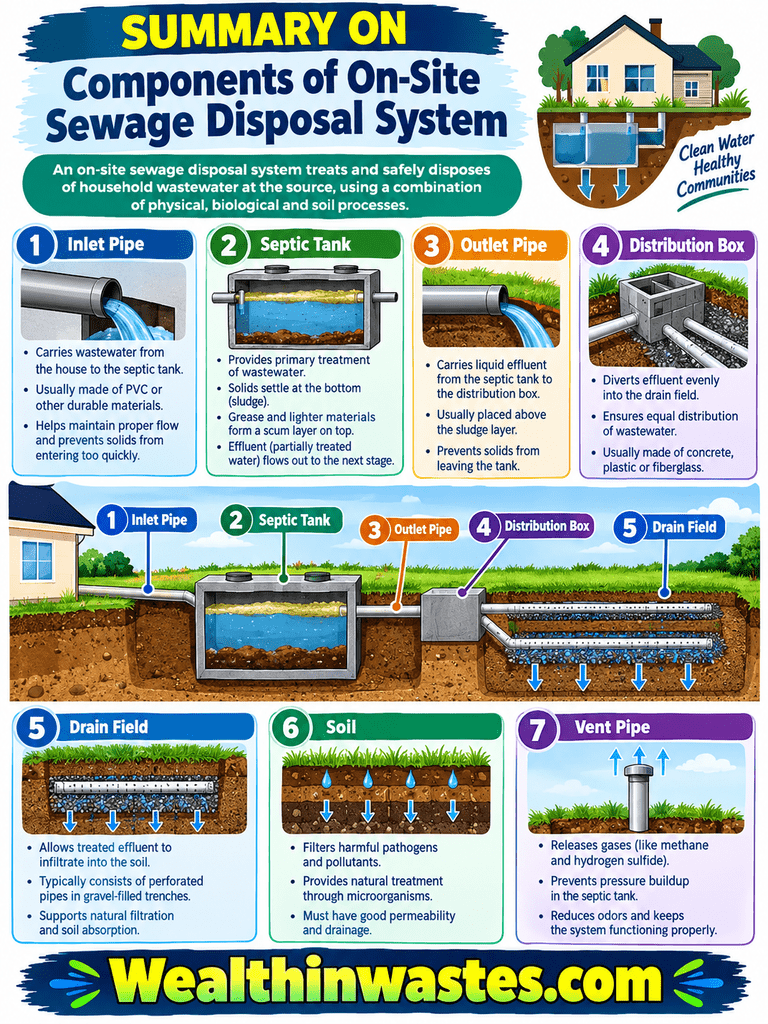
| Component | Purpose |
|---|---|
| Preliminary Treatment | Removes large debris, grit, grease, and materials that could interfere with later treatment units. |
| Septic Tank | Separates settleable solids and floating scum while providing initial biological treatment. |
| Equalization Tank | Balances wastewater flow and pollutant strength before biological treatment. |
| Biological Treatment | Uses microorganisms to reduce biodegradable organic matter remaining after primary treatment. |
| Distribution Pipes | Spread treated effluent across the disposal area to encourage uniform application. |
| Subsurface Disposal Field | Uses soil and surrounding media for additional filtration, biological treatment, and infiltration. |
| ETA System | Uses engineered materials, evaporation, and plant transpiration where conventional infiltration is limited. |
| Lagoons | Use natural biological activity, sunlight, algae, oxygen, and retention for wastewater treatment. |
| Aerobic System | Introduces oxygen to support microorganisms that degrade biodegradable pollutants. |
| Advanced Treatment | Provides additional removal of nutrients, suspended solids, dissolved pollutants, or pathogens when necessary. |
| Disinfection | Reduces pathogenic microorganisms before approved discharge, reuse, or surface application. |
| Sludge Management | Handles solids generated during wastewater treatment through stabilization, dewatering, reuse, or approved disposal. |
Frequently Asked Questions About On-Site Sewage Disposal System: Key Components Explained
1. What is an on-site sewage disposal system?
An on-site sewage disposal system treats and manages wastewater near the property where it originates instead of sending sewage through a centralized municipal sewer network.
2. What is the main component of most on-site systems?
A septic tank commonly provides primary treatment, while a subsurface disposal field or another approved component provides further treatment and final wastewater management.
3. What does a septic tank remove?
A septic tank separates settleable solids and floating scum while allowing partially clarified liquid to continue toward additional treatment and disposal components.
4. Why is soil important in on-site sewage disposal?
Suitable soil provides infiltration, filtration, and biological treatment while helping protect groundwater and surrounding land from poorly treated wastewater.
5. What is an evapotranspiration-absorption system?
An evapotranspiration-absorption system uses engineered materials, evaporation, and plant transpiration to manage wastewater where conventional soil absorption presents significant limitations.
6. Why do some systems use aerobic treatment?
Aerobic systems supply oxygen to microorganisms, allowing them to degrade biodegradable organic matter and produce improved effluent quality before final disposal or approved reuse.
7. Why is disinfection sometimes necessary?
Disinfection reduces pathogenic microorganisms when treated wastewater could contact people, animals, crops, groundwater, surface water, or areas where reuse requires additional microbiological protection.
8. What happens to sludge produced by on-site systems?
Sludge requires periodic removal and appropriate management through stabilization, dewatering, transport, beneficial reuse, treatment, or disposal according to applicable requirements and environmental conditions.
9. Can treated wastewater be reused?
Properly treated wastewater may support approved non-potable uses such as irrigation or landscaping when treatment quality, public-health protection, site conditions, and regulatory requirements permit reuse.
10. What causes an on-site sewage system to fail?
Common causes include excessive hydraulic loading, poor soil conditions, inadequate design, neglected maintenance, sludge accumulation, damaged components, groundwater problems, and unsuitable wastewater discharge.
Do you have any questions, suggestions, or contributions? If so, please feel free to use the comment box below to share your thoughts. We also encourage you to kindly share this information with others who might benefit from it. Since we can’t reach everyone at once, we truly appreciate your help in spreading the word. Thank you very much for your support and for sharing!
Read Also: All You Need To Know About Flower Stores