


A hazardous substance is any solid, liquid, or gas that can cause harm to human health, animals, plants, property, or the wider environment when exposure occurs.
Hazardous substances can create serious health or environmental effects because of their physical, chemical, biological, or infectious properties, particularly when people store, transport, use, or dispose of them improperly.
These materials occur in homes, farms, hospitals, laboratories, workshops, factories, commercial premises, roads, and waste facilities, making awareness important for workers, families, consumers, and environmental managers.
Some hazardous substances remain useful when properly controlled, while others become dangerous because of their concentration, instability, toxicity, persistence, reactivity, or ability to interact with people and environmental resources.
A good understanding of hazardous substances therefore requires knowledge of their nature, origin, classification, warning information, physical appearance, container markings, and the conditions that can increase their potential for harm.
What Are Hazardous Substances?
Hazardous substances are materials capable of causing significant injury, illness, environmental damage, fire, explosion, corrosion, or contamination when their dangerous properties are not properly controlled or managed.
Hazardous substances may appear as gases, liquids, solids, powders, sludges, aerosols, vapours, biological materials, or mixtures containing dangerous components. Their hazards vary according to composition and exposure conditions.
Common examples include pesticides, expired medicines, batteries, solvents, paints, fuels, cleaning agents, laboratory chemicals, contaminated materials, corrosive products, infectious wastes, and certain electronic components.
Modern waste classification practices often distinguish hazardous materials from ordinary wastes according to properties such as ignitability, corrosivity, reactivity, and toxicity.
Some substances present physical hazards rather than direct toxic effects. They may burn readily, explode under certain conditions, react violently with water, release dangerous gases, or support combustion around other materials.
Other substances create health hazards because they damage organs, irritate tissues, cause burns, trigger allergic responses, carry infectious organisms, or produce long-term effects after repeated or prolonged exposure.
The classification of waste according to hazard potential helps organizations separate dangerous materials from ordinary waste streams and select suitable handling, storage, treatment, transport, and disposal procedures.
Recognizing these differences matters because a substance may appear harmless while still containing dangerous chemicals or biological agents that become harmful through contact, ingestion, inhalation, or environmental release.
Nature And Forms Of Hazardous Substances

Hazardous substances have diverse characteristics, and their form can influence how easily they spread, enter the body, react with other materials, or contaminate surrounding environmental systems during accidental releases.
Gaseous substances can disperse rapidly through air, while liquids may flow across surfaces or penetrate soil. Solids can release dust, particles, vapours, or hazardous compounds when disturbed or heated.
The main characteristics of hazardous wastes commonly include ignitability, corrosivity, reactivity, and toxicity, although other properties such as infectiousness and environmental persistence can also create serious risks.
Hazardous substances can also be persistent, meaning they resist natural breakdown and remain in the environment for long periods. Persistent pollutants may continue affecting ecosystems long after their original release.
Bioaccumulative substances create another concern because organisms can absorb them faster than they eliminate them. Concentrations may therefore increase in tissues and become greater along food chains.
Toxic substances may damage living organisms after sufficient exposure, while corrosive substances can chemically destroy exposed tissues or damage metals, equipment, containers, and infrastructure.
Infectious substances contain or may contain pathogens such as bacteria, viruses, fungi, parasites, or other disease-causing agents capable of affecting humans or animals under suitable exposure conditions.
Oxidizing materials can intensify combustion, while organic peroxides may decompose dangerously under heat, contamination, impact, or other unfavorable conditions.
The products and materials associated with hazardous waste demonstrate how dangerous properties can occur across industrial, household, medical, electronic, and commercial waste streams.
Origin And Common Sources Of Hazardous Substances
Hazardous substances originate from many ordinary and specialized activities. Their presence does not always indicate illegal behaviour because many useful products contain hazardous ingredients during normal manufacture, storage, or use.
1. Industrial Activities: Factories can produce hazardous substances through chemical processing, refining, metal finishing, manufacturing, maintenance, laboratory work, equipment cleaning, and treatment processes that generate dangerous residues.
2. Agricultural Activities: Farms can generate hazardous materials through pesticides, herbicides, veterinary medicines, contaminated containers, fertilizers, fuels, machinery oils, and chemical residues that require controlled management.
3. Pesticide And Chemical Containers: Empty containers may retain residues even after their contents appear finished, creating exposure and contamination risks when people reuse, burn, bury, or discard them carelessly.
4. Household Activities: Homes may contain bleach, paints, solvents, fuel, batteries, pesticides, medicines, cleaning products, aerosols, and other materials that become hazardous when mixed, spilled, burned, or improperly discarded.
5. Medical Activities: Hospitals, clinics, laboratories, pharmacies, and veterinary facilities generate infectious materials, sharps, pharmaceuticals, chemicals, contaminated equipment, and other wastes requiring specialized handling.
Hazardous substances also arise from transportation activities, fuel storage, construction work, mining, oil production, electrical operations, laboratories, maintenance workshops, and environmental cleanup operations.
The sources of biomedical and special wastes further show why healthcare and diagnostic environments need careful segregation because different materials can create infectious, chemical, physical, or toxic hazards.
Electronic devices represent another growing source because discarded equipment can contain lead, mercury, cadmium, flame retardants, and other substances that become environmental concerns when poorly managed.
Understanding where hazardous substances originate makes identification easier because workers can predict likely hazards by examining activities, materials, equipment, processes, and products used within a location.
Read Also : Complete List of Recyclable Wastes (Waste Recyclables)
How To Identify Hazardous Substances Safely
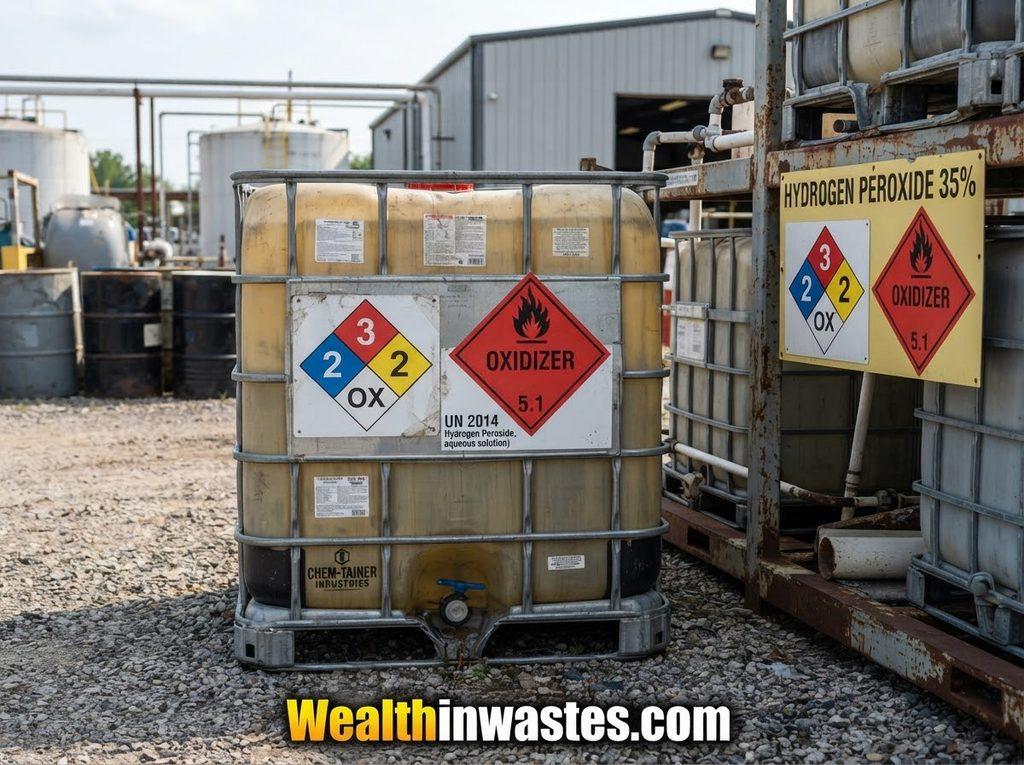
Identification begins with the product container, packaging, workplace records, supplier information, and safety documentation because labels and official records provide important information about potential hazards.
1. Check The Product Label: Labels often provide the product name, hazard statements, precautionary information, signal words, pictograms, and instructions that help users recognize dangerous properties before handling materials.
2. Read The Safety Data Sheet: A safety data sheet provides detailed information about chemical hazards, exposure controls, storage requirements, emergency procedures, first aid, handling precautions, and disposal considerations.
3.Observe The Container: Look for hazard symbols, warning words, damaged packaging, unusual odours, leaks, corrosion, swelling, stains, residue, or missing labels that could indicate unsafe conditions.
4. Identify The Contents: Never assume an unknown substance is safe. Confirm the product name, chemical identity, concentration, manufacturer, container markings, and available records before opening or moving an unidentified material.
The proper management of chemical wastes begins with reliable identification because workers cannot select suitable storage, treatment, transport, or disposal procedures without understanding the material involved.
Workplaces should also inspect chemical inventories regularly because outdated labels, damaged containers, incompatible storage, and undocumented materials can make hazardous-substance identification more difficult and increase accident risks.
When uncertainty remains, workers should avoid direct contact and seek guidance from trained personnel, suppliers, environmental specialists, emergency responders, or the relevant regulatory authority before taking further action.
Hazard Labels And Pictograms To Recognize
Hazard labels help users understand the dangerous properties of substances quickly. They often combine signal words, symbols, hazard statements, precautionary statements, and information about safe handling conditions.
1. Signal Words: Words such as “Danger” and “Warning” communicate the relative seriousness of a hazard and alert users to read the remaining label information carefully.
2. Hazard Pictograms: Standard symbols can indicate explosives, flammables, oxidizers, compressed gases, corrosives, acute toxicity, serious health hazards, irritants, and environmental hazards.
3. Hazard Statements: These statements describe the specific dangers associated with a product, such as causing burns, poisoning, respiratory harm, fire, explosion, or environmental damage.
4. Precautionary Statements: These instructions explain how users should prevent exposure, store the substance, respond to spills, use protective equipment, and dispose of the material safely.
The recommended hazardous-waste practices depend heavily on accurate hazard recognition because different materials may require different containment, treatment, transportation, and disposal arrangements.
Workers should never remove or cover warning labels simply because a product appears familiar. Labels provide important information for other users, emergency personnel, waste handlers, and anyone who may encounter the container later.
Clear labelling also reduces accidental mixing of incompatible substances, supports emergency response, and helps organizations maintain accurate chemical inventories and safer storage arrangements.
NFPA 704 And Transportation Hazard Identification
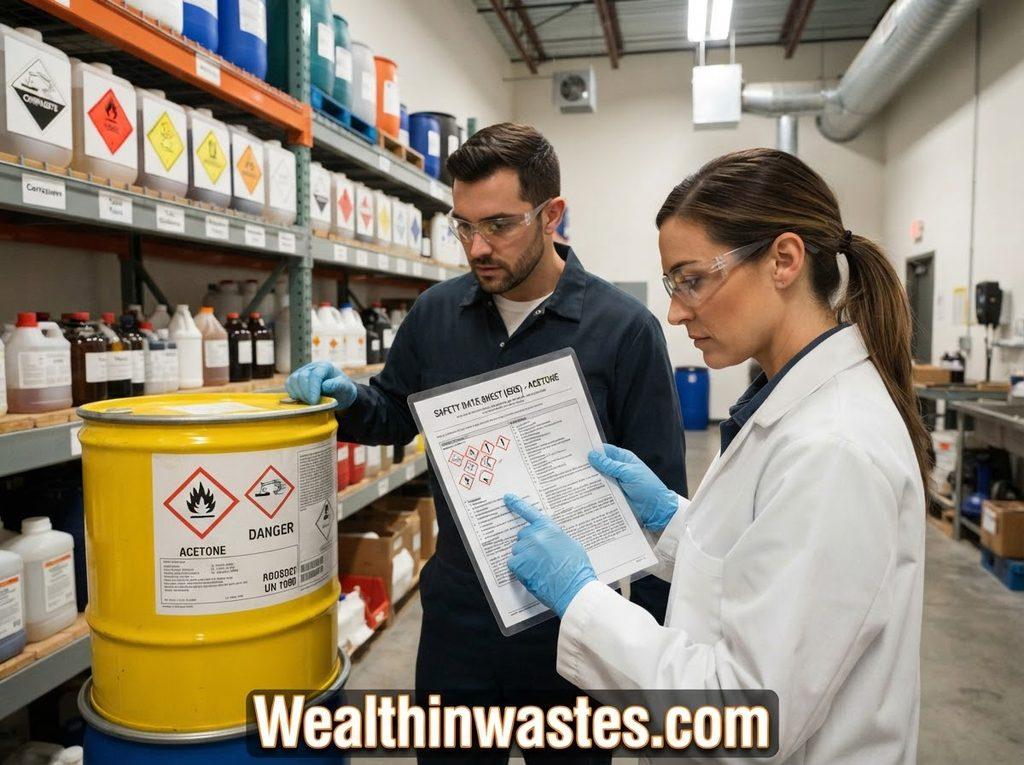
Some workplaces and transported materials use additional hazard identification systems to communicate risks quickly. Two commonly recognized systems include the NFPA 704 diamond and transportation hazard labels.
The NFPA 704 system uses a four-part diamond. The blue section identifies health hazards, the red section identifies flammability, the yellow section identifies instability or reactivity, and the white section communicates special hazards.
1. Blue Health Rating: The blue quadrant shows the potential health hazard, using ratings from zero for minimal hazard to four for a severe immediate or delayed health danger.
2. Red Flammability Rating: The red quadrant communicates how easily a material can ignite under applicable conditions, helping emergency responders understand fire-related risks around the substance.
3. Yellow Reactivity Rating: The yellow quadrant indicates instability and the possibility of dangerous reactions caused by heat, shock, pressure, water, or other surrounding conditions.
4.White Special Information: The white quadrant provides special hazard information, helping responders recognize unusual chemical properties that require additional precautions during emergencies.
Transportation labels provide another useful identification method. Packages containing hazardous materials may display symbols and colours associated with explosives, flammable materials, poisons, corrosives, oxidizers, gases, or radioactive materials.
The appropriate waste disposal methods depend on the material’s hazards, showing why identification systems remain important from the point of use through final disposal.
Major Categories Of Hazardous Substances
Hazardous substances can be grouped according to the type of danger they present. This classification supports easier recognition and helps people select suitable precautions before exposure, movement, treatment, or disposal.
1. Flammable And Combustible Materials: These materials can ignite and sustain combustion under suitable conditions. Common examples include petrol, solvents, some paints, oils, gases, and other volatile substances.
2. Corrosive Materials: Corrosive substances can destroy living tissues and damage metals or equipment. Strong acids, alkalis, battery acids, and some cleaning chemicals belong to this category.
3. Reactive And Explosive Materials: These materials may undergo violent reactions, explode, or release dangerous gases after exposure to heat, impact, pressure, water, or incompatible substances.
4. Toxic Materials: Toxic substances can cause poisoning or organ damage when people absorb, inhale, ingest, or otherwise encounter sufficient quantities under hazardous exposure conditions.
5. Infectious Materials: Infectious substances may contain pathogens capable of causing disease. Medical specimens, contaminated sharps, laboratory cultures, and certain healthcare wastes can create these hazards.
6. Oxidizing Substances: Oxidizers can intensify fire or support combustion by supplying oxygen or promoting oxidation, making them especially dangerous near fuels and other combustible materials.
The human health and environmental concerns linked to medical waste demonstrate why infectious, toxic, and chemical hazards require separate identification and controlled handling.
Electronic materials create additional concerns. The proper management of electronic waste helps prevent hazardous metals and chemicals from entering soil, water, air, and human exposure pathways.
Read Also: Hurts Wastewater Management Complete Guide
Why Proper Identification Matters

Correct identification protects people because workers can select suitable personal protective equipment, storage arrangements, emergency measures, and handling procedures only when they understand the hazards involved.
1. Protects Human Health: Recognizing toxic, corrosive, infectious, flammable, or reactive materials reduces avoidable exposure and helps people make safer decisions during routine work and emergency situations.
2. Protects The Environment: Correct identification prevents hazardous substances from entering drains, soils, waterways, air, farms, and ecosystems through careless storage, discharge, burning, dumping, or disposal.
3. Improves Waste Management: Proper identification allows hazardous materials to remain separate from ordinary waste, supporting suitable treatment and disposal while reducing risks to waste workers and recycling facilities.
The waste minimization approach also supports prevention because reducing hazardous material consumption can lower the quantity of dangerous residues requiring storage, treatment, or final disposal.
4. Supports Emergency Response: Firefighters, spill responders, medical teams, and environmental officers need accurate hazard information to choose suitable protective measures and prevent dangerous chemical reactions during incidents.
5.Supports Regulatory Compliance: Clear identification helps organizations maintain records, meet applicable environmental and workplace requirements, communicate hazards, and demonstrate responsible management of controlled substances.
The broader waste management process works more effectively when dangerous materials receive separate attention from collection through treatment, recovery, transportation, and disposal.
Hazardous substances can also contaminate water when poorly managed. The main categories of water pollutants illustrate how dangerous wastes can affect aquatic systems and human water supplies.
Similarly, the health and environmental impacts of waste show why hazardous substances require control before they spread beyond their original point of generation.
Identification should therefore remain a continuous activity rather than a one-time exercise, especially where workplaces frequently purchase chemicals, generate wastes, transport dangerous products, or change production processes.
Organizations can strengthen identification by keeping updated inventories, inspecting containers, training workers, maintaining current safety information, separating incompatible materials, and reviewing procedures after spills, incidents, or process changes.
Good identification practices reduce uncertainty, improve emergency preparedness, protect environmental resources, and support safer decisions throughout the complete life cycle of hazardous substances.
Additional Resource: The proper treatment of wastewater is also important because hazardous chemicals and other contaminants can move through wastewater systems into receiving environments when source controls fail.
Further Reading: The impact of industrial effluents shows why identifying chemical pollutants at their source can help prevent contamination and reduce risks to people, soil, water, livestock, and aquatic ecosystems.
Summary on The Nature, Origin and Identification of Hazardous Substances
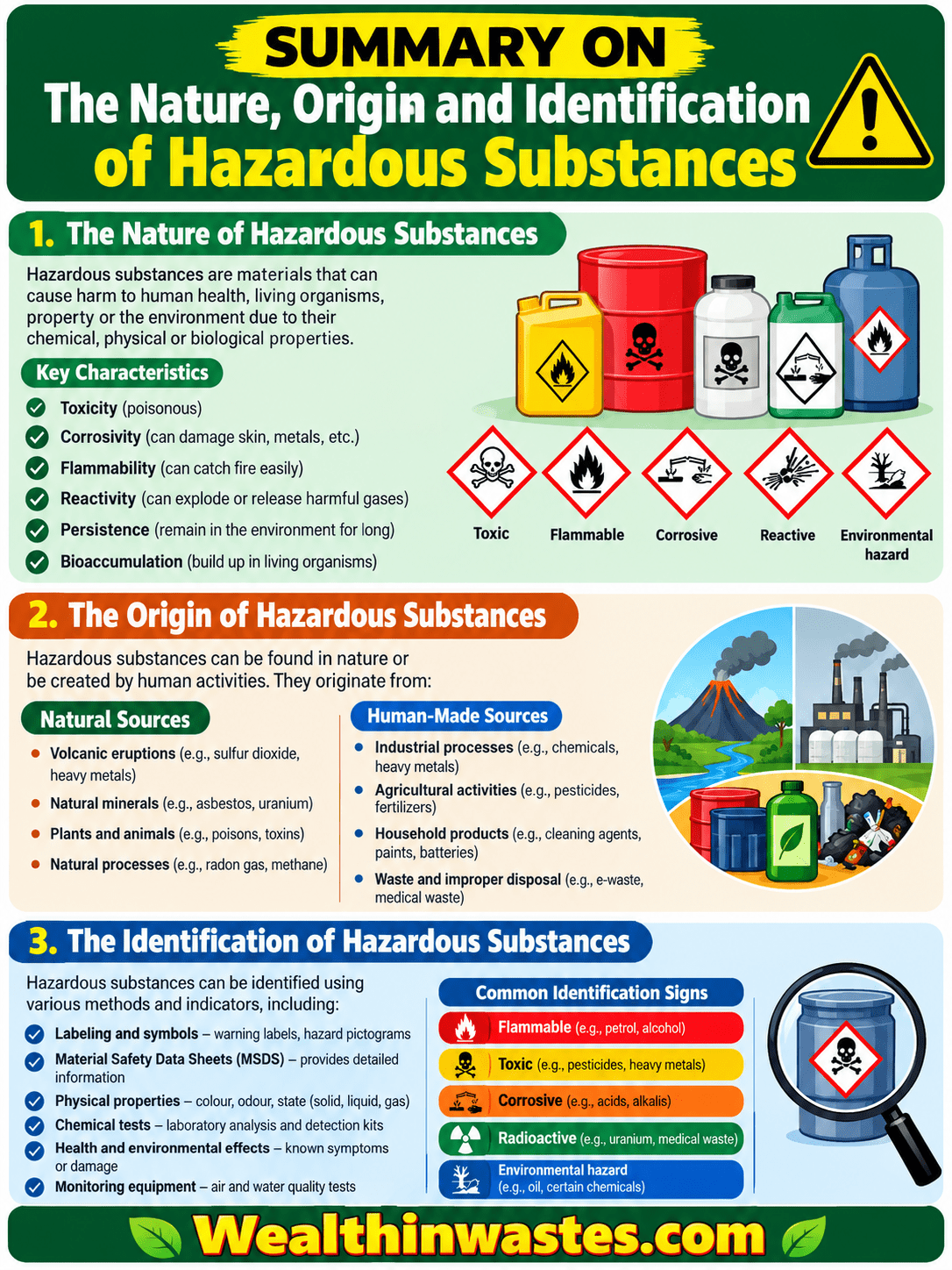
| Topic | Summary |
|---|---|
| Hazardous Substance | A material that can harm people, animals, plants, property, or the environment because of dangerous physical, chemical, biological, or infectious properties. |
| Common Forms | Hazardous substances may occur as gases, liquids, solids, powders, sludges, vapours, aerosols, biological materials, or chemical mixtures. |
| Main Sources | Common sources include households, agriculture, industry, healthcare facilities, laboratories, transportation, workshops, electronic equipment, and commercial activities. |
| Major Hazard Types | Important categories include flammable, corrosive, reactive, explosive, toxic, infectious, oxidizing, persistent, and bioaccumulative substances. |
| Identification Methods | Use container labels, safety data sheets, hazard pictograms, warning words, product records, container observations, and recognized identification systems. |
| NFPA System | The NFPA diamond uses blue for health, red for flammability, yellow for reactivity, and white for special hazard information. |
| Importance Of Identification | Correct identification supports safer handling, storage, transportation, emergency response, waste management, environmental protection, and regulatory compliance. |
| Best Practice | Keep accurate records, inspect containers, maintain labels, train workers, separate incompatible materials, and seek expert advice for unknown substances. |
Frequently Asked Questions About Identification of Hazardous Substances: Nature and Origin
1. What is meant by identification of hazardous substances?
Identification means determining whether a material presents physical, chemical, biological, or environmental hazards by checking labels, safety documents, markings, container condition, product information, and known substance characteristics.
2. Where can hazardous substances commonly originate?
They commonly originate from households, farms, factories, hospitals, laboratories, transport operations, workshops, construction sites, mining, petroleum activities, electronic equipment, and commercial or institutional facilities.
3. What information should I check on a hazardous substance container?
Check the product name, chemical identity, warning words, hazard pictograms, hazard statements, precautionary instructions, manufacturer details, concentration information, and any evidence of leakage, corrosion, damage, or missing labelling.
4. What is the purpose of a safety data sheet?
A safety data sheet provides detailed information about a substance, including hazards, safe handling, storage, exposure controls, emergency response, first aid, physical properties, and disposal requirements.
5. What does the NFPA 704 diamond tell users?
The NFPA 704 diamond communicates health, flammability, reactivity, and special hazards through four sections, allowing workers and emergency responders to understand important risks quickly.
6. Why should unknown substances never be handled casually?
An unknown substance may be toxic, corrosive, infectious, flammable, reactive, or explosive. Direct handling without identification can expose people to serious injury, poisoning, burns, or dangerous reactions.
7. Can ordinary household products become hazardous?
Yes. Household products such as bleach, solvents, fuels, paints, pesticides, batteries, cleaning agents, and medicines can create serious hazards when misused, mixed, stored improperly, or discarded carelessly.
8. Why is proper identification important for waste management?
Proper identification allows dangerous materials to remain separate from ordinary waste and helps handlers choose safer storage, transportation, treatment, recycling, recovery, and disposal methods.
9. What should I do when I cannot identify a hazardous substance?
Do not open, smell, taste, mix, or handle the substance unnecessarily. Isolate the area where possible and seek assistance from trained personnel, the supplier, environmental specialists, or emergency services.
10. How can organizations improve hazardous substance identification?
Organizations can maintain updated inventories, inspect containers regularly, preserve labels, keep current safety data sheets, train workers, separate incompatible materials, and review procedures after accidents or process changes.
Do you have any questions, suggestions, or contributions? If so, please feel free to use the comment box below to share your thoughts. We also encourage you to kindly share this information with others who might benefit from it. Since we can’t reach everyone at once, we truly appreciate your help in spreading the word. Thank you very much for your support and for sharing!
Read Also: Safe Handling of Pesticides in Agriculture