


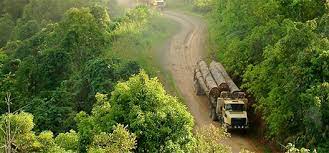
Forests protect soils, regulate water, store carbon, support biodiversity, and provide food, fuel, medicine, timber, and many other resources that sustain communities and national economies across diverse regions worldwide today.
Despite these benefits, forests continue to face pressure from agricultural expansion, logging, infrastructure development, urban growth, mining, fuelwood collection, fires, and other land uses that remove vegetation from natural landscapes.
Deforestation also weakens ecosystem functions because cleared landscapes lose biomass, habitat, soil protection, water regulation, carbon storage, and part of their ability to support resilient livelihoods across affected communities and landscapes.
Combating deforestation therefore requires coordinated action that combines forest protection, sustainable resource use, restoration, community participation, stronger governance, reliable monitoring, and practical incentives for developing countries facing serious forest pressure.
The United Nations REDD+ framework provides an international approach for reducing forest-related emissions while supporting sustainable forest management, conserving carbon stocks, enhancing forest carbon, and strengthening national climate action across countries.
Why Combating Deforestation Matters
Combating deforestation matters because forests perform connected ecological, economic, and social functions. Their destruction can affect biodiversity, rainfall regulation, soil stability, carbon storage, livelihoods, and long-term development across landscapes and communities.
Forests help maintain ecological processes by intercepting rainfall, protecting soil with roots and litter, storing carbon in vegetation and soils, and providing habitats for many terrestrial organisms and species worldwide.
Forest resources also support households through timber, fuelwood, foods, medicines, fibres, fodder, and other products. Stronger understanding of these benefits supports forest resources and ecosystem services management and conservation efforts.
Read Also: Methods of Disposal of Waste Pesticide Containers
REDD+ Support for Combating Deforestation
The UN-REDD Programme was launched in 2008 through cooperation among FAO, UNDP, and UNEP. It supports nationally led processes that prepare countries for REDD+ implementation, forest governance, and effective climate action.
1. National Planning: REDD+ supports countries as they develop strategies, policies, and measures suited to their own forest conditions, development priorities, institutional capacities, and national circumstances over time and across landscapes.
2. Capacity Development: Technical support can strengthen forest governance, data systems, planning, and implementation. Resource conservation and management provides complementary principles for maintaining ecological, social, and economic resource values sustainably.
3. Sustainable Development: Forest action can contribute to climate mitigation while supporting livelihoods, biodiversity, ecosystem services, and development goals. Sustainable development places these interests within a broader planning framework for countries.
4. Stakeholder Participation: REDD+ encourages meaningful involvement of relevant stakeholders, including forest-dependent communities, so local knowledge, social concerns, and implementation realities can inform national forest actions and decisions effectively over time.
Five REDD+ Activities for Forests
The REDD+ framework identifies five activities that countries may undertake according to their national circumstances and capabilities. Together, these activities provide a broad structure for combating deforestation and improving forest stewardship.
1. Reduce Deforestation: Countries can address forest clearing by improving land-use planning, controlling unlawful conversion, strengthening enforcement, and supporting alternatives that reduce pressure on intact forests and dependent communities. Environmental policy can strengthen action.
2. Reduce Forest Degradation: Countries can limit damage from unsustainable harvesting, fires, grazing, and other pressures by promoting better management practices, stronger controls, restoration, and responsible forest resource use within communities.
3. Conserve Carbon Stocks: Protecting existing forests preserves carbon stored in trees, vegetation, soils, and dead organic matter while maintaining habitats, ecological processes, watershed functions, and ecosystem services for future generations.
4. Sustain Forest Management: Sustainable management allows forest resources to support livelihoods and economic activity while maintaining regeneration, ecological integrity, biodiversity, productivity, and long-term capacity to provide services for society.
5. Enhance Carbon Stocks: Restoration, regeneration, enrichment planting, and suitable tree-based systems can increase forest carbon stocks while improving degraded landscapes, strengthening ecosystem functions, supporting resilience, and restoring productive land.
REDD+ Role in Reducing Forest Emissions
Deforestation releases carbon when trees and vegetation are burned, decomposed, or removed, while forest degradation can reduce the amount of carbon that healthy ecosystems continue storing over time across landscapes.
The climate value of forests therefore extends beyond preventing tree loss. Protecting intact areas, restoring degraded land, and improving management can support climate change and sustainability objectives across forest landscapes.
REDD+ can encourage measurable emission reductions through national systems that establish reference levels, monitor forests, report results, and verify reported performance. These elements connect conservation actions with credible climate accounting.
Results-based approaches can support investment when countries demonstrate verified outcomes. Such systems require strong institutions, transparent methodologies, reliable environmental information and monitoring, clear safeguards, and consistent reporting by participating countries.
Maintaining forest carbon also supports wider environmental goals because healthier landscapes can regulate water, protect soils, conserve habitats, and strengthen resilience. Water resource management reinforces these interconnected ecosystem functions and services.
Community Roles in Combating Deforestation
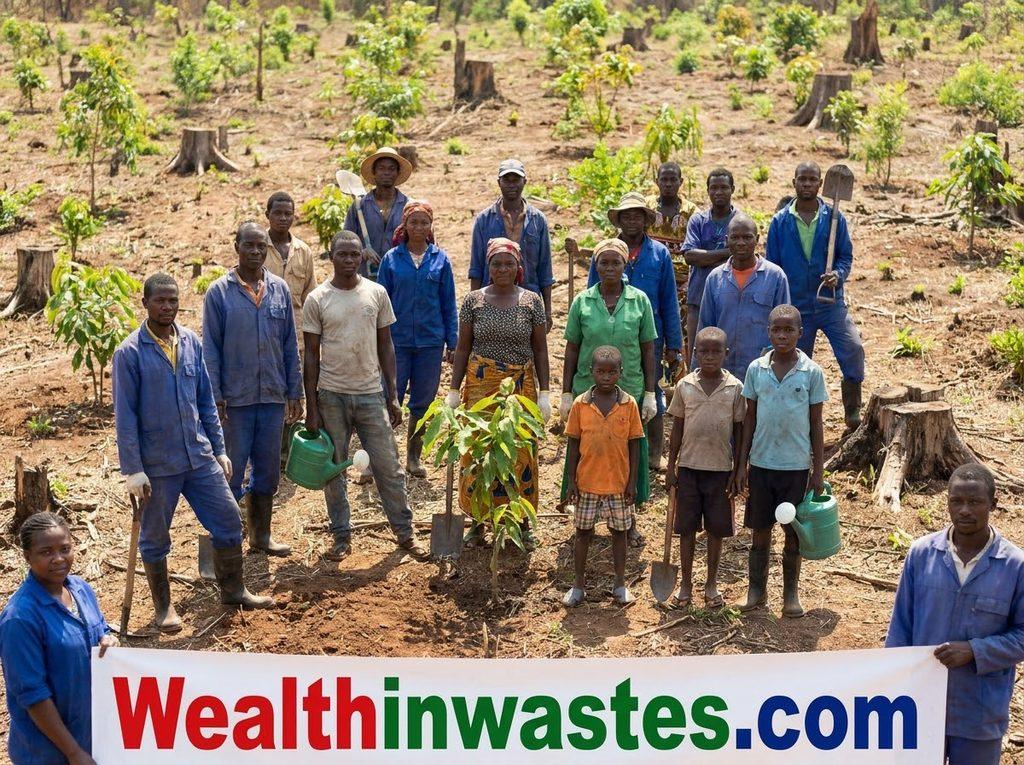
Combating deforestation cannot succeed through government action alone because many rural households depend directly on forests for income, food, energy, culture, construction materials, medicines, and other essential resources for daily survival.
1. Community Participation: Local people should have meaningful opportunities to contribute knowledge, identify pressures, shape management decisions, monitor changes, and participate in actions affecting nearby forests through inclusive local processes.
2. Livelihood Alternatives: Cleaner energy, agroforestry, sustainable farming, efficient resource use, and diversified income opportunities can reduce dependence on destructive forest extraction while supporting household resilience and local economic activity.
3. Forest Rights and Safeguards: REDD+ implementation should respect relevant rights, address social and environmental risks, and promote transparent participation so conservation measures do not create avoidable burdens. Environmental safety principles can strengthen safeguards.
These principles align with lessons from resource conservation conflicts, where conservation efforts can face resistance when local needs, economic realities, and community participation receive insufficient attention during planning and implementation.
Sustainable Forest Use and Livelihoods
Sustainable forest use seeks a balance between conservation and legitimate human needs. It recognizes that protecting forests requires practical systems that meet essential demands without exhausting ecosystems or reducing future resource availability.
Forest and wildlife conservation can protect habitats while sustaining ecological functions, especially when protected areas, community management, restoration, and responsible harvesting operate within suitable governance arrangements and meaningful local participation.
Agroforestry offers another pathway because integrating trees with crops or livestock can provide food, shade, wood, soil protection, habitat, and additional income while reducing pressure on natural forest areas and resources.
Responsible resource use should also connect with environmental sustainability, which emphasizes conserving resources, preventing environmental damage, improving efficiency, and maintaining ecological conditions that support present and future generations across landscapes.
Clean energy choices can further reduce demand for fuelwood and charcoal where households receive affordable alternatives. Broader environmental management practices can reinforce these efforts through efficient resource use and pollution prevention.
Protecting watersheds also matters because forests influence infiltration, runoff, soil moisture, and streamflow. Water resources and the hydrologic cycle explain why forest protection contributes to wider water security and ecosystem resilience.
Read Also: Wildlife and Forest Policy, Law and Administration
Monitoring for Combating Deforestation
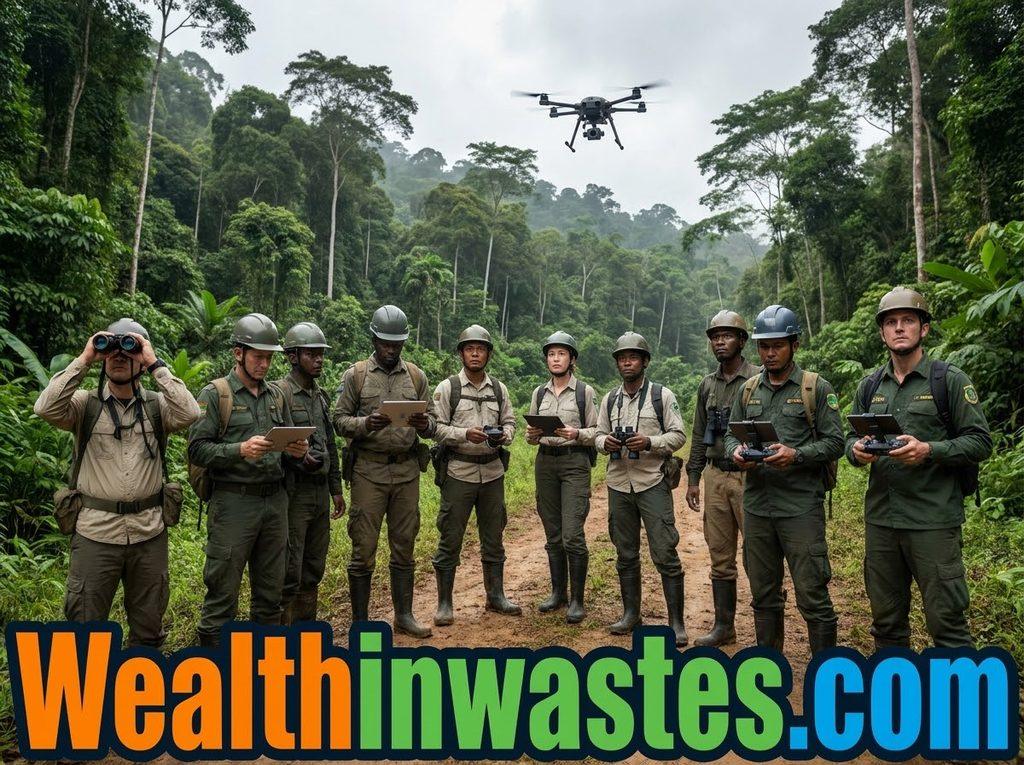
Reliable measurement is central to REDD+ because countries need credible information about forest conditions, emissions, removals, reference levels, and changes resulting from implemented policies and activities over time across national landscapes.
1. Forest Monitoring: National monitoring systems can combine field observations, inventories, remote sensing, and other data sources to track forest cover, degradation, carbon changes, and intervention effects over time accurately.
2. Reference Levels: Forest reference emission levels or reference levels provide benchmarks for assessing reported emission reductions and changes in forest conditions against established national or suitable subnational baselines over time.
3. Safeguards Information: Countries should provide information on how social and environmental safeguards are addressed, including participation, biodiversity, rights, reversal risks, and possible displacement of emissions during implementation and reporting.
These requirements connect REDD+ with strategic environmental assessment because strong planning can identify ecological constraints, community interests, alternatives, and long-term environmental risks before major decisions become difficult to reverse across development programmes.
Challenges in Combating Deforestation
Combating deforestation remains challenging because forest loss results from interacting economic, social, institutional, and environmental pressures. Effective responses therefore require coordinated measures rather than reliance on one intervention alone across landscapes.
Key challenges include weak enforcement, insecure land tenure, limited monitoring capacity, competing land demands, illegal logging, agricultural expansion, infrastructure pressure, fuelwood dependence, and insufficient financing for long-term forest stewardship efforts.
Countries also need policies that integrate forestry with agriculture, energy, mining, transport, water, and local development. Natural resource concepts help explain why competing resource demands require coordinated management and planning.
Long-term progress can improve when governments strengthen institutions, communities participate meaningfully, investors support sustainable practices, and environmental decisions reflect evidence. Responsible resource use provides a useful framework for that balance.
Restoration should accompany protection because degraded landscapes may continue losing ecological functions even after active clearing stops. Agricultural land degradation factors show why vegetation, soil, and land-use practices must be considered together.
Environmental governance also matters across sectors because development projects can affect forests indirectly. Environmental protection benefits include avoided damage, stronger resilience, innovation, and economic opportunities linked to responsible environmental management.
Forest policy must also recognize wildlife needs, land rights, and competing uses. Forest and wildlife policy provides additional context for balancing conservation goals with social and economic priorities across forest landscapes.
Broader conservation planning can strengthen forest protection by distinguishing renewable from finite resources and matching extraction rates with regeneration. Renewable and non-renewable resource conservation offers useful background for this approach.
Summary on United Nation REDD- Plus Initiative to Combating Deforestation
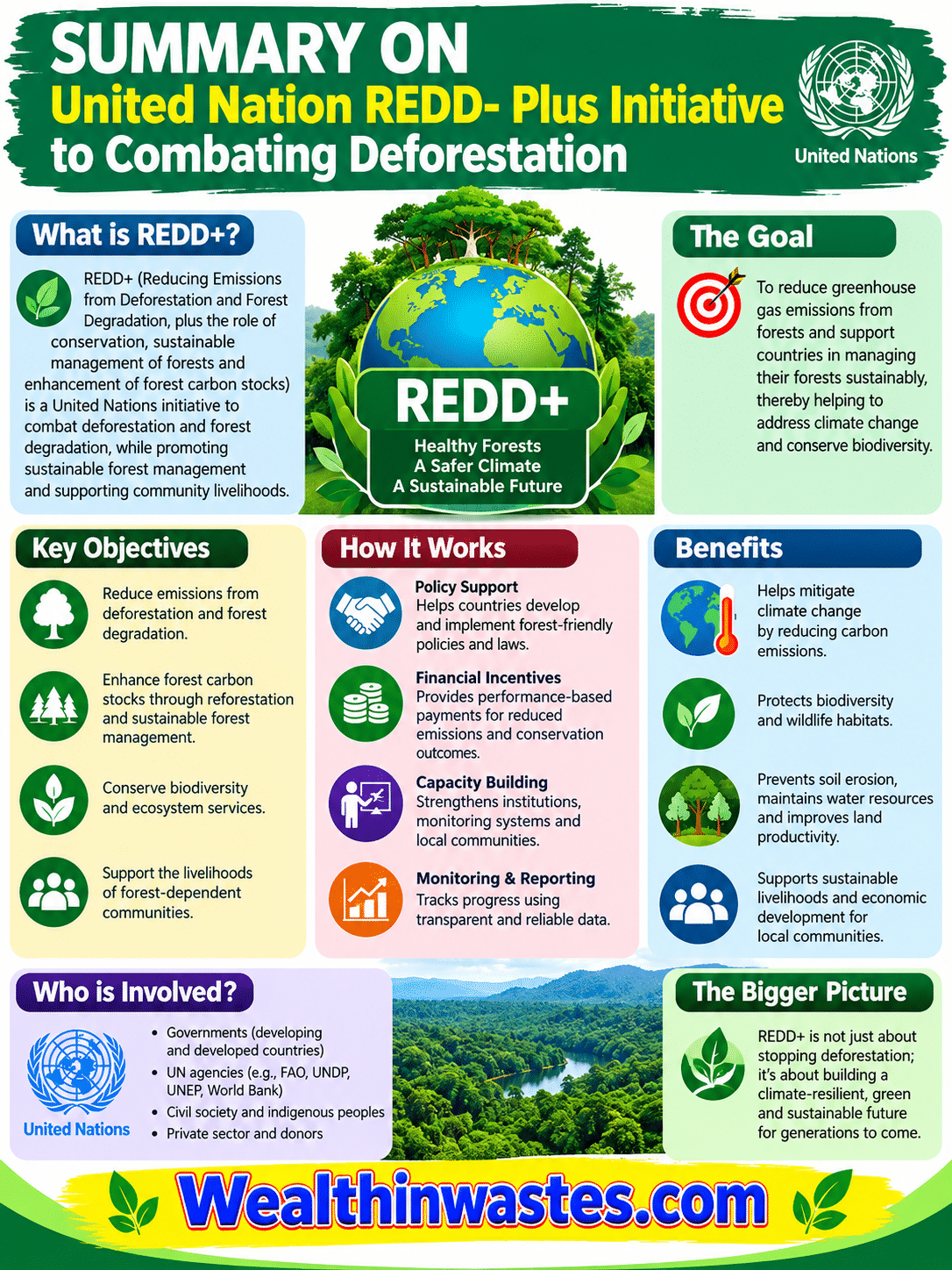
| Section | Main Idea | Why It Matters |
|---|---|---|
| Forest Importance | Forests support biodiversity, carbon storage, water regulation, soils, and livelihoods. | Protecting forests preserves essential ecological and social functions. |
| UN-REDD+ Framework | REDD+ supports nationally led forest and climate actions in developing countries. | It provides a structured framework for coordinated forest protection. |
| Five REDD+ Activities | The framework covers deforestation, degradation, conservation, sustainable management, and carbon enhancement. | These activities address major pathways of forest carbon loss. |
| Emission Reduction | Forest protection and restoration can help maintain carbon storage and reduce emissions. | Healthy forests contribute to climate mitigation and resilience. |
| Community Participation | Local communities can contribute knowledge, monitoring, management, and conservation actions. | Participation can strengthen practical and socially responsive forest governance. |
| Sustainable Use | Agroforestry, cleaner energy, and responsible harvesting can reduce forest pressure. | Livelihood needs can be addressed while limiting destructive extraction. |
| Monitoring | Reference levels, forest monitoring, reporting, and safeguards support accountability. | Reliable information improves measurement, transparency, and implementation. |
| Major Challenges | Weak governance, land pressure, illegal logging, financing gaps, and competing needs remain important barriers. | Long-term solutions require coordinated policies and institutional capacity. |
Frequently Asked Questions About Combating Deforestation Through the UN REDD+ Initiative
1. What is REDD+?
REDD+ is a UNFCCC framework that helps developing countries reduce emissions from deforestation and forest degradation while conserving carbon stocks, managing forests sustainably, and enhancing forest carbon stocks through national actions.
2. What does REDD+ mean?
REDD+ means reducing emissions from deforestation and forest degradation, with additional activities covering forest carbon conservation, sustainable forest management, and enhancement of forest carbon stocks within developing countries and their forest sectors.
3. How does REDD+ support forests?
REDD+ supports forests through national strategies, monitoring systems, reference levels, safeguards, stakeholder participation, capacity development, and practical actions designed to reduce forest loss and improve forest management over time across countries.
4. Why does deforestation increase emissions?
Deforestation can release carbon stored in vegetation and soils while removing trees that would otherwise continue absorbing carbon dioxide through photosynthesis, thereby increasing net greenhouse gas emissions across affected landscapes.
5. What are the five REDD+ activities?
The five activities are reducing deforestation, reducing forest degradation, conserving forest carbon stocks, promoting sustainable forest management, and enhancing forest carbon stocks through appropriate national policies, measures, and practical actions.
6. Why are communities important?
Communities often depend on forests for livelihoods, food, energy, materials, and cultural needs. Their participation can improve local knowledge, decision-making, accountability, monitoring, cooperation, and practical conservation outcomes over time locally.
7. What does forest monitoring measure?
Forest monitoring can track changes in forest cover, degradation, carbon stocks, emissions, removals, and other indicators using field data, inventories, remote sensing, and appropriate national monitoring systems for reporting purposes.
Do you have any questions, suggestions, or contributions? If so, please feel free to use the comment box below to share your thoughts. We also encourage you to kindly share this information with others who might benefit from it. Since we can’t reach everyone at once, we truly appreciate your help in spreading the word. Thank you very much for your support and for sharing!
Read Also: Meaning and Importance of Forest Production in Nigeria