


Urban environmental degradation includes natural hazards and human-induced pressures such as pollution, waste, erosion, deforestation, climate stress, flooding, habitat loss, and resource overuse affecting cities across communities and surrounding urban landscapes.
As cities expand, environmental conditions often change faster than natural systems can recover. Urban development replaces vegetation, concentrates people, increases resource consumption, and creates new pressures on air, water, land, and ecosystems.
Understanding the types of urban environmental degradation helps communities, planners, researchers, and authorities identify problems early. It also helps them connect particular environmental changes with their causes and possible control measures.
Urban environmental degradation does not come from one source. Some problems arise from natural hazards, while many others develop through construction, transportation, industry, waste generation, poor planning, and careless resource use.
The impacts also interact with one another. For example, vegetation loss can increase runoff, blocked drains can worsen flooding, and poorly managed waste can contaminate soil and nearby water resources.
Recognizing these different forms therefore provides a practical foundation for protecting urban environments. This article explains the major categories, their common examples, and the processes through which they damage cities.
Read Also: Methods of Disposal of Waste Pesticide Containers
How Urban Environmental Degradation Is Classified
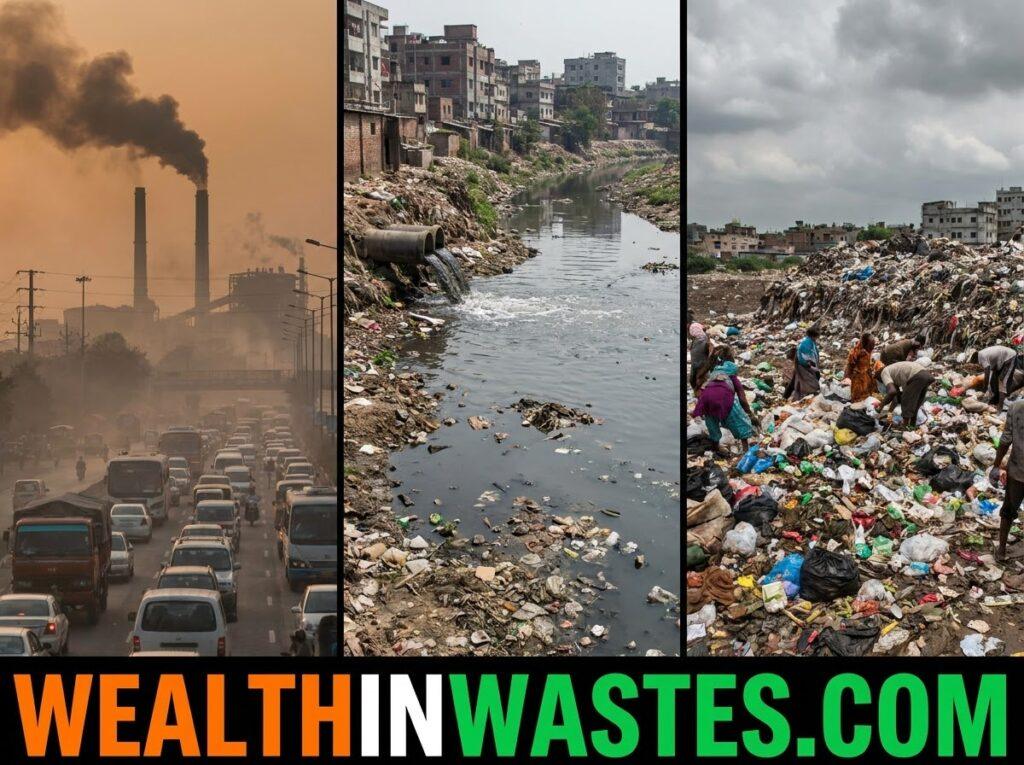
Urban environmental degradation refers to deterioration in environmental quality within cities and surrounding urban zones. It can affect physical conditions, ecological systems, public health, infrastructure, livelihoods, and the overall quality of urban life.
Urban areas experience problems from both natural processes and human activities. However, human decisions often determine how severely natural hazards affect communities because planning, infrastructure, and preparedness can reduce exposure and damage.
1. Natural Degradation: Natural hazards include floods, storms, earthquakes, droughts, landslides, and other events that can disrupt urban environments even though people do not directly create or control these events.
2. Human-Induced Degradation: Human activities include pollution, deforestation, construction, waste generation, resource extraction, traffic, and poor land management that gradually weaken urban environmental conditions and ecological services in cities over time.
These broad categories often overlap in practice. A natural flood can become more destructive when drainage systems remain blocked, vegetation disappears, wetlands shrink, and buildings occupy vulnerable flood-prone locations across growing urban settlements.
The concept connects with other urban environmental issues such as pollution, waste, flooding, and habitat change. Recognizing these relationships helps city managers address causes rather than treating every problem as an isolated event.
Natural Types of Urban Environmental Degradation
Natural environmental degradation in cities often appears through hazards that disturb land, water systems, vegetation, buildings, and public services. Geographic location, topography, climate, and geology strongly influence urban vulnerability levels.
Although natural hazards originate from environmental processes, human choices can intensify their consequences. Poor planning, settlement in exposed areas, inadequate drainage planning, and weak infrastructure can turn natural events into severe urban crises.
1. Flooding: Heavy rainfall, river overflow, coastal surges, and inadequate drainage can inundate streets, homes, businesses, and public facilities while transporting sediments and pollutants through densely settled neighbourhoods during urban flooding events.
2. Earthquakes: Ground shaking can damage buildings, roads, pipelines, and utility networks, while secondary fires, landslides, or infrastructure failures may create additional environmental and public safety problems across affected urban districts.
3. Landslides: Steep slopes and unstable soils can collapse naturally during intense rainfall or seismic activity. Urban excavation and altered drainage can increase instability around settlements, roads, and construction areas.
4. Drought And Extreme Heat: Prolonged dry conditions can reduce water availability and vegetation, while extreme heat stresses people, animals, infrastructure, and urban ecosystems, especially where green cover remains limited.
5. Coastal And Atmospheric Hazards: Storm surges, strong winds, severe storms, and changing rainfall patterns can damage coastal settlements and infrastructure, particularly where cities have limited protective planning or natural buffers.
Human-Induced Urban Environmental Degradation
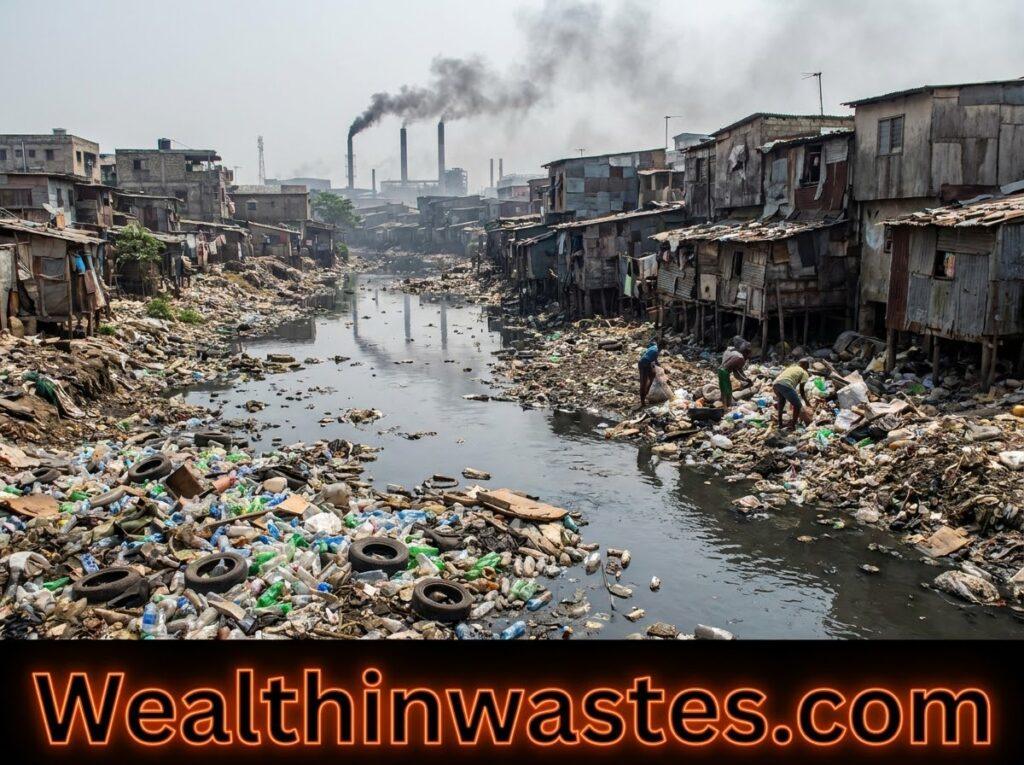
Human-induced environmental degradation results from activities that alter urban ecosystems faster or more intensely than natural processes can absorb or repair them. Population growth and economic expansion can amplify these pressures.
Urban development demands housing, roads, energy, industries, markets, drainage, and public services. Without effective planning, these activities can consume vegetation, disturb soil, increase emissions, and strain water and waste systems.
1. Unplanned Urban Expansion: Rapid settlement can replace wetlands, forests, farmland, and open spaces with buildings and roads, reducing natural drainage, habitat, cooling, and groundwater recharge around expanding urban communities.
2. Industrial Activities: Factories can release smoke, wastewater, heat, chemicals, and solid residues. Weak controls allow pollutants to accumulate and spread through air, soil, drainage channels, and waterways, increasing environmental pressure.
3. Transportation Growth: Cars, buses, trucks, motorcycles, airports, and related infrastructure produce exhaust emissions, noise, dust, congestion, and land disturbance, especially around busy urban corridors and junctions with heavy traffic.
4. Resource Extraction And Construction: Quarrying, sand removal, excavation, demolition, and building activities disturb landforms, remove vegetation, generate dust, and increase construction waste within and around growing cities, particularly rapidly developing districts.
5. Poor Environmental Management: Weak enforcement, inadequate monitoring, littering, open dumping, blocked drains, and careless disposal practices allow existing environmental problems to persist, spread, and become harder to control effectively.
Pollution Types in Urban Environmental Degradation
Pollution remains one of the most visible forms of urban environmental degradation because cities concentrate people, vehicles, industries, buildings, and consumption within limited spaces. Pollutants can move across neighbourhood boundaries.
Different pollution types affect different environmental media, yet they frequently interact. Air emissions can settle on land, contaminated runoff can reach water bodies, and waste accumulation can produce odours, smoke, and disease risks.
1. Air Pollution: Vehicle exhaust, industrial emissions, generators, dust, and open burning release pollutants that reduce air quality and can damage human health, vegetation, and urban ecosystems over time across busy city districts.
2. Water Pollution: Sewage, industrial effluents, stormwater runoff, oils, plastics, and discarded chemicals can contaminate rivers, streams, groundwater, and other urban water resources, threatening communities and aquatic habitats and public water supplies.
3. Land And Soil Pollution: Open dumping, chemical spills, industrial residues, construction debris, and contaminated wastewater can alter soil properties and introduce substances that threaten soil organisms, plants, and groundwater near affected urban sites.
4. Noise Pollution: Traffic, construction, generators, industrial machinery, aircraft, entertainment venues, and loudspeakers can create persistent noise that disturbs sleep, communication, concentration, and general urban comfort for nearby residents and workers.
5. Light Pollution: Excessive or poorly directed artificial lighting can alter nighttime conditions, create glare, waste energy, and disrupt the behaviour of some people, insects, birds, and other organisms within developed urban landscapes.
Climate-Related Urban Environmental Degradation
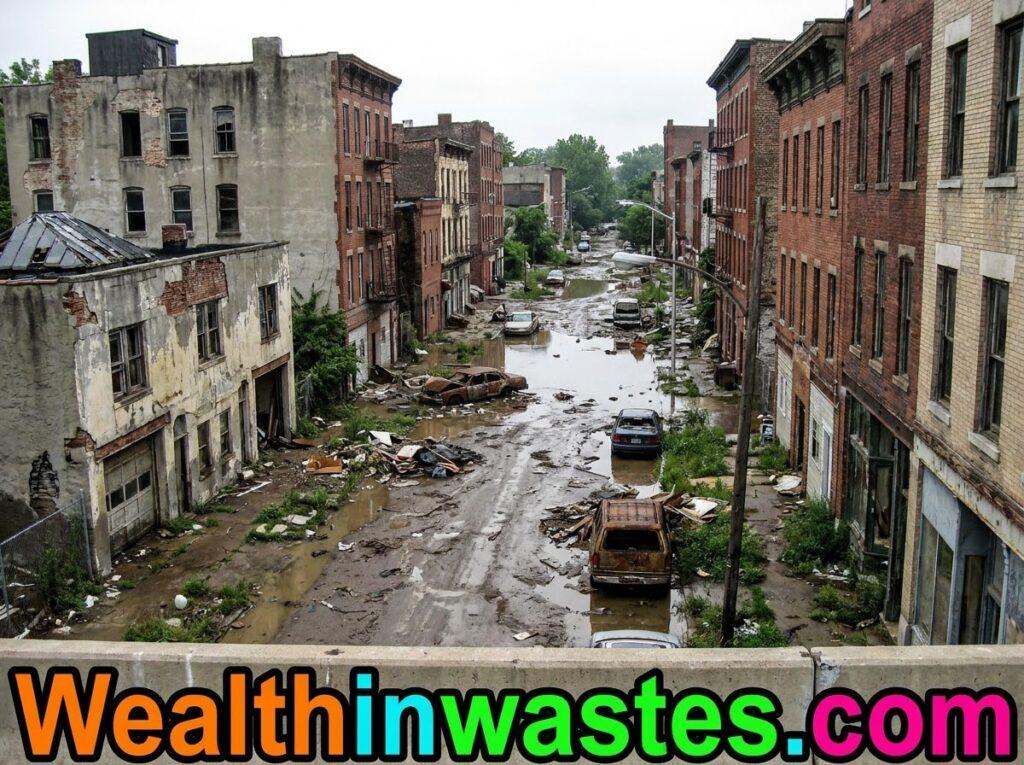
Urban environmental degradation can also operate at climate and atmospheric scales. Cities consume energy, modify land surfaces, and emit gases and particles that influence local conditions while contributing to broader environmental change.
The natural greenhouse effect helps keep Earth warm enough for life, but increased concentrations of heat-trapping gases from human activities strengthen warming. Urban emissions can therefore connect local environmental pressure with global climate processes.
1. Enhanced Greenhouse Effect: Higher concentrations of carbon dioxide, methane, and nitrous oxide trap additional heat in the atmosphere, contributing to rising temperatures and changing environmental conditions over longer periods.
2. Urban Heat Island: Concrete, asphalt, dense buildings, limited vegetation, and waste heat can make developed areas warmer than nearby rural locations, especially during calm periods and nights in densely built districts.
3. Ozone Layer Depletion: Certain ozone-depleting substances, especially chlorofluorocarbons and related chemicals, can reduce stratospheric ozone and increase harmful ultraviolet radiation reaching Earth’s surface, creating additional ecological and health concerns.
4. Acid Deposition: Sulfur and nitrogen compounds released by combustion can contribute to acidic deposition, which may affect soils, freshwater systems, vegetation, buildings, and other urban environmental resources, especially downwind of emission sources.
5. Climate-Related Urban Stress: Rising temperatures, changing rainfall, stronger heat extremes, and sea-level rise can increase pressure on water supplies, drainage systems, infrastructure, and vulnerable coastal settlements during severe weather events.
Physical And Ecological Urban Degradation

Physical and ecological degradation changes the structure and functioning of urban landscapes. These changes can reduce vegetation cover, disturb soils, fragment habitats, alter drainage pathways, and weaken ecological services that support city residents.
Urban vegetation provides shade, habitat, erosion control, carbon storage, and water regulation. When development removes these functions faster than replacement can occur, the city becomes more exposed to heat, runoff, and environmental stress.
1. Deforestation And Vegetation Loss: Clearing trees for buildings, roads, fuel, or commercial activities reduces green cover and can increase heat, runoff, erosion, habitat fragmentation, and biodiversity pressure across expanding cities.
2. Soil Erosion: Bare soil can lose topsoil through rainfall, runoff, wind, or disturbed slopes. Construction, vegetation removal, quarrying, and poor drainage can accelerate gully, rill, or sheet erosion in urban areas.
3. Land Sealing And Soil Compaction: Roads, pavements, foundations, and heavy machinery cover or compress soil, reducing infiltration, root development, soil organisms, and groundwater recharge while increasing surface runoff during rainfall events.
4. Habitat Loss And Fragmentation: Urban expansion can divide natural habitats into smaller patches, limiting movement and breeding opportunities for wildlife while reducing ecological connectivity and species diversity across developed landscapes.
5. Wetland And Waterway Modification: Filling wetlands, channelizing streams, and altering drainage paths can reduce natural flood storage, water purification, groundwater recharge, and habitat functions within urban landscapes and downstream communities.
Waste-Related Urban Environmental Degradation
Waste-related degradation develops when urban production and consumption generate materials faster than collection, treatment, recovery, and disposal systems can safely manage them. The problem affects streets, drains, soils, waterways, air, and communities.
Effective waste control requires coordinated collection, transportation, treatment, recycling, recovery, and final disposal. Where services remain weak, accumulated waste can block drainage, attract pests, release pollutants, and create unsanitary surroundings.
1. Solid Waste Accumulation: Household refuse, commercial waste, plastics, packaging, and discarded materials can accumulate in open spaces, streets, drainage channels, and informal dumps when collection systems cannot meet rising urban waste generation demand.
2. Wastewater And Sewage Pollution: Untreated domestic sewage, industrial effluents, and contaminated stormwater can introduce organic matter, nutrients, pathogens, chemicals, and sediments into urban waterways and groundwater, reducing water quality significantly.
3. Hazardous Waste Mismanagement: Batteries, solvents, oils, medical waste, chemicals, and other hazardous materials can release harmful substances when people store, transport, burn, or discard them improperly without adequate controls.
4. Littering And Illegal Dumping: Careless disposal of waste degrades visual quality, obstructs drainage, encourages pest activity, and allows plastics and other persistent materials to move into surrounding ecosystems and waterways.
5. Resource Overconsumption: Continuous extraction of land, water, energy, minerals, timber, and construction materials can exceed natural replenishment rates, increasing waste and intensifying wider patterns of environmental degradation across growing cities.
Read Also: Waste Management Control Methods
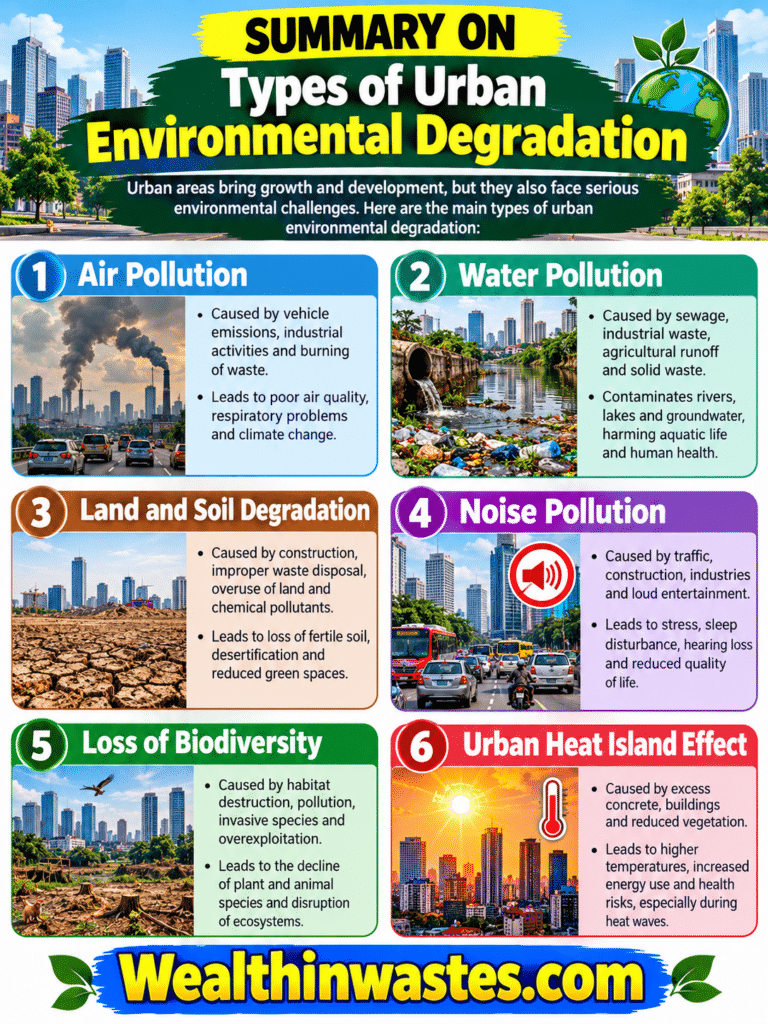
Summary on Types of Urban Environmental Degradation
| Aspect | Main Types Or Examples | Key Point |
|---|---|---|
| Broad Classification | Natural and human-induced | Natural hazards and human activities shape urban environmental conditions. |
| Atmospheric Types | Air pollution, greenhouse effect, ozone depletion, urban heat | Emissions and land-cover changes alter air quality and climate conditions. |
| Water-Related Types | Flooding, water pollution, wastewater contamination | Runoff, sewage, industrial discharge, and altered drainage affect water systems. |
| Land And Ecological Types | Erosion, land sealing, deforestation, habitat fragmentation | Construction and vegetation loss disturb soils, habitats, and ecological services. |
| Waste-Related Types | Solid waste, hazardous waste, littering, resource overuse | Poor collection, disposal, and excessive consumption increase environmental pressures. |
| Natural Hazard Types | Floods, earthquakes, landslides, drought, heat, storms | Geographic exposure determines vulnerability, while planning influences severity. |
Frequently Asked Questions About Types of Urban Environmental Degradation
1. What are the main types of urban environmental degradation?
The main types include natural degradation and human-induced degradation, with examples such as pollution, flooding, erosion, deforestation, waste accumulation, habitat loss, and climate-related urban stress across urban settlements worldwide today.
2. What is natural urban environmental degradation?
Natural urban environmental degradation results from hazards such as floods, earthquakes, landslides, droughts, storms, and extreme heat that disturb urban land, water, infrastructure, buildings, and ecosystems during disruptive environmental events.
3. What is human-induced urban environmental degradation?
Human-induced degradation develops through activities such as construction, industrial production, transportation, deforestation, waste generation, resource extraction, pollution, and poorly planned urban expansion that places pressure on environmental systems and surrounding urban areas.
4. How does air pollution degrade urban environments?
Air pollution introduces harmful gases and particles into the atmosphere, reducing air quality and potentially affecting human health, vegetation, visibility, buildings, and wider urban environmental conditions over extended periods in densely populated communities.
5. How does waste contribute to urban environmental degradation?
Poorly managed waste can block drains, pollute soil and water, create odours, support pests, generate smoke during burning, and introduce persistent materials into surrounding urban ecosystems, neighbourhoods, and local public spaces.
6. Why does deforestation matter in cities?
Deforestation and vegetation loss reduce shade, habitat, erosion control, carbon storage, and water regulation, making urban areas more vulnerable to heat, runoff, soil degradation, and biodiversity decline over time while weakening ecological resilience.
7. Can natural hazards become worse because of human activities?
Yes. Human activities can increase exposure and vulnerability by removing vegetation, blocking drainage, filling wetlands, building on unstable land, and placing infrastructure in areas vulnerable to natural hazards without adequate safeguards.
8. Why should cities identify different types of degradation?
Identifying different types helps authorities understand causes, prioritize risks, design targeted interventions, improve environmental monitoring, protect vulnerable communities, and coordinate land, water, waste, infrastructure, and ecosystem management more effectively throughout cities.
Do you have any questions, suggestions, or contributions? If so, please feel free to use the comment box below to share your thoughts. We also encourage you to kindly share this information with others who might benefit from it. Since we can’t reach everyone at once, we truly appreciate your help in spreading the word. Thank you very much for your support and for sharing!
Read Also: Climate Change and the Environment