


Environmental information dissemination is the organized sharing of reliable knowledge about environmental conditions, risks, policies, research findings, and practical solutions with people who can understand and use that information effectively.
Good dissemination connects research institutions, governments, communities, educators, businesses, and civil society, helping each audience receive information in a form that supports informed environmental decisions and responsible everyday action within local communities.
Environmental problems often become difficult to manage when useful information remains technical, inaccessible, delayed, or poorly targeted. Effective communication therefore turns scientific knowledge into practical messages that people can understand and apply.
Strategies for improving environmental information dissemination should consider language, audience characteristics, communication channels, timing, feedback, institutional cooperation, and the ability of recipients to understand, trust, and act on information effectively.
This article examines practical approaches for making environmental information clearer, more relevant, widely accessible, and useful while strengthening links among researchers, policymakers, practitioners, educators, community leaders, and households across society.
Principles for Better Environmental Information
1. Set Clear Communication Objectives: Environmental information dissemination works best when teams define a purpose, such as informing people, changing behaviour, supporting policy, explaining research, or encouraging responsible environmental participation.
2. Focus On Practical Messages: Clear objectives prevent teams from publishing excessive material without measuring usefulness. climate sustainability information also needs focused messages so audiences clearly understand priorities and practical actions.
3. Use Simple Language: Communication teams should replace unnecessary technical expressions with familiar words, brief explanations, examples, diagrams, and pollution control guidance that most readers can clearly understand and apply.
4. Preserve Essential Evidence: Simple communication should not remove important evidence. Writers must retain accuracy while explaining methods, findings, limitations, and practical meaning in ways that different audiences can understand.
5. Communicate At The Right Time: Audiences need information before important decisions occur. Early messages can support preparedness, while timely updates help communities respond quickly when pollution incidents or environmental hazards arise.
6. Standardize Important Terms: Consistent terminology strengthens understanding across reports, websites, broadcasts, workshops, and educational materials. Teams should agree on key definitions and use the same meanings when sharing environmental information.
7. Test Messages Before Release: Organizations can review drafts with intended audiences. Early feedback reveals confusing language, missing context, cultural concerns, and unrealistic recommendations before public dissemination begins using environmental management best practices.
Read Also: Methods of Dissemination of Environmental Information
Audience-Centred Environmental Information Dissemination

Audience-centred dissemination begins by identifying who needs environmental information and what decision or action the information should support. Different groups require different levels of detail, language, evidence, examples, and communication channels.
Policymakers may need concise evidence, policy options, costs, and expected outcomes. Community members may need practical guidance about health, waste, water, pollution, or local risks they encounter through sound sanitation practices.
Students often learn effectively through structured lessons, visual materials, demonstrations, and projects. Schools can reinforce this approach through environmental management activities that connect classroom knowledge with practical responsibilities in daily life.
Rural communities may depend heavily on extension workers, local leaders, radio programmes, community meetings, and demonstrations. Urban audiences may respond more readily to websites, social media, public notices, mobile messaging, and local events.
Dissemination should also account for literacy, language, disability, internet access, age, occupation, and cultural context. Using several channels prevents important information from reaching only people with reliable digital access and trust.
Messages become more useful when they reflect audience priorities rather than organizational assumptions. A household campaign can emphasize daily waste practices, while an industry campaign can emphasize compliance, cleaner production, monitoring, and resource efficiency.
Community participation should remain central because residents often understand local environmental conditions better than distant institutions. community awareness about litter and local waste problems can turn information into visible action.
Research And Policy Connections for Dissemination
1. Connect With Research Providers: Communication teams should maintain direct relationships with universities, laboratories, consultants, monitoring agencies, and researchers so that they receive reliable findings early and understand the evidence correctly.
2. Identify Policy Opportunities: Researchers and communicators should watch legislative reviews, budget cycles, planning processes, environmental assessments, and public consultations because these moments create openings for evidence to influence decisions.
3. Target Research To Users: Research becomes more useful when teams understand the decisions, constraints, and information gaps facing intended users. institutional pollution-control information illustrates why technical evidence must reach responsible agencies.
4. Treat Researchers As Audiences: Researchers need concise summaries, implementation feedback, practical examples, and information about how findings influence policy or community practice. This strengthens motivation to communicate effectively and understand pollution’s economic consequences.
5. Explain Benefits For Researchers: Dissemination can support researchers by increasing visibility, encouraging collaboration, identifying new research questions, and demonstrating practical relevance. Strong feedback loops help researchers refine future studies around real environmental needs.
6. Build Research And Practice Links: Moving researchers temporarily into user organizations, programmes, or field projects can build mutual understanding. Such exchanges help researchers recognize operational realities while practitioners gain deeper knowledge of research methods.
7. Use Outputs For Further Dissemination: Reports, briefs, datasets, presentations, videos, and teaching materials can become starting points for additional communication. A single finding can therefore reach professionals, educators, communities, and decision-makers through different channels.
Digital Channels for Environmental Information Dissemination
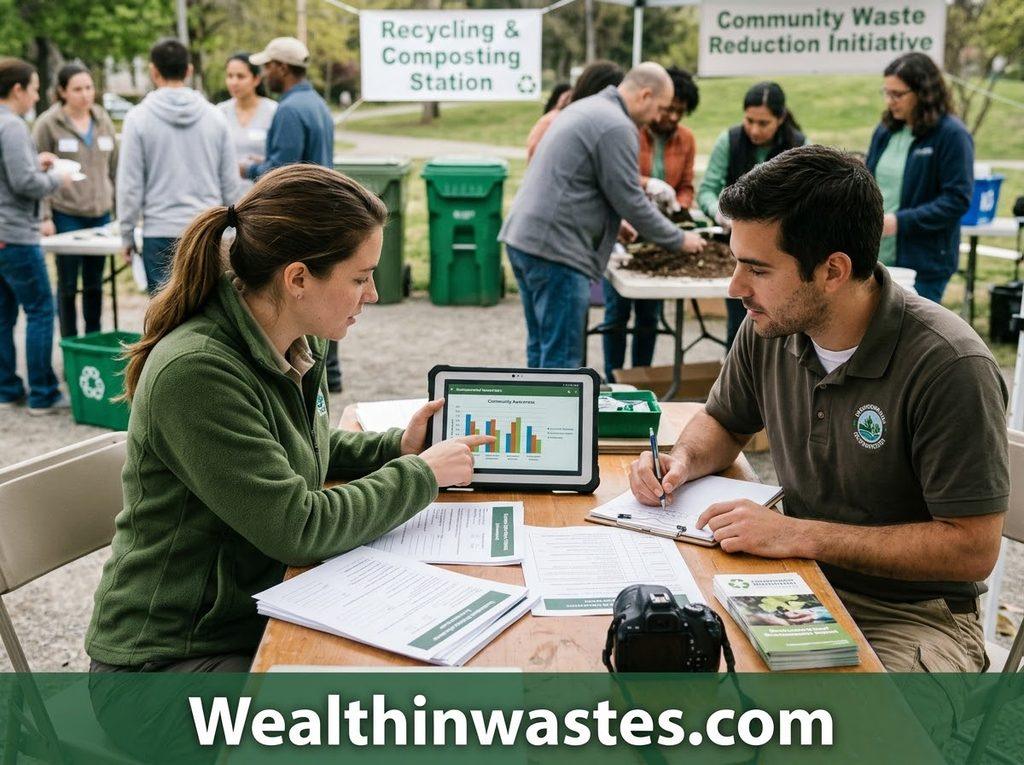
Digital platforms can extend environmental information beyond traditional institutions. Websites, social networks, email newsletters, messaging services, podcasts, online courses, and short videos allow organizations to publish updates rapidly and reach dispersed audiences.
However, digital dissemination should not replace offline communication. environmental communication in cities should include public notices, community meetings, local media, schools, markets, workplaces, and trusted places where residents already gather.
Visual communication can simplify difficult subjects when maps, photographs, charts, diagrams, and carefully designed infographics support the written message. Visual materials should remain accurate, readable, culturally appropriate, and clearly connected to the environmental issue.
Radio remains useful where internet connectivity or data costs limit online access. Local-language programmes can explain pollution risks, waste practices, conservation methods, and emergency information while allowing listeners to ask questions and share experiences.
Mobile messaging can deliver short alerts, reminders, and practical instructions directly to users. Organizations should avoid excessive messages because frequent, repetitive communication can cause audiences to ignore future environmental information.
Water issues demonstrate the value of practical digital guidance because households, farmers, schools, and industries often need simple actions they can implement immediately. water conservation guidance can connect information with daily resource decisions.
Digital communication should provide clear sources and dates for important claims. Credibility improves when readers can identify the organization responsible, consult supporting evidence, and distinguish verified information from rumours, advertisements, or unsupported opinions.
Environmental Education and Training Strategies
1. Train Young Environmental Professionals: Universities and training institutions should prepare scientists, engineers, teachers, planners, and environmental managers to communicate research clearly. Practical communication skills help future practitioners translate technical knowledge into useful guidance.
2. Strengthen Environmental Education: Environmental education should begin early and continue through secondary, tertiary, vocational, and professional learning. Well-designed lessons can develop knowledge, responsible attitudes, practical skills, and confidence through conservation learning.
3. Use Practical Learning Activities: Field visits, school gardens, recycling exercises, water audits, clean-up projects, and environmental clubs can make information memorable. lessons about environmental health effects become stronger when learners see real consequences.
4. Equip Teachers And Trainers: Educators need updated content, teaching resources, simple reference materials, and opportunities for professional development. Teachers who understand current environmental challenges can answer questions accurately and correct misconceptions before they spread.
5. Transfer Knowledge Through Practice: Researchers can enter user communities and professional organizations temporarily, bringing their expertise while learning local constraints. This exchange can strengthen trust and help both sides design more practical information.
6. Connect Students With Communities: Students can share environmental lessons through outreach projects involving households, farms, businesses, and groups. Such activities give young people communication experience while helping communities access useful information in familiar settings.
7. Support Lifelong Environmental Learning: Environmental information changes as research, technology, regulations, and local conditions evolve. Regular refresher courses, public workshops, professional briefings, and community education can keep knowledge current and encourage continuing improvement.
Trust and Quality in Information Dissemination

Trust determines whether people accept environmental information and act on it responsibly. Organizations should disclose sources, methods, dates, limitations, and uncertainties instead of presenting complex environmental findings as absolute facts.
Research summaries should distinguish established evidence from emerging findings, assumptions, estimates, and opinions. water pollution information should explain uncertainty clearly so audiences can judge claims responsibly and avoid environmental misinformation.
Message design should balance focused information with broader context. A short message may encourage one immediate action, while supporting materials can explain causes, evidence, long-term consequences, and related environmental decisions.
Organizations should also correct errors quickly. When inaccurate information circulates, a clear correction should identify the mistaken claim, provide the reliable evidence, explain the difference, and direct audiences toward authoritative sources.
Feedback mechanisms improve dissemination because communicators learn whether audiences understood, trusted, and used the information. Surveys, interviews, community meetings, comment channels, hotlines, and digital responses can reveal important communication gaps.
Strong feedback also supports clear explanations of pollution by showing which terms confuse audiences and which examples help people understand environmental risks, causes, prevention measures, and appropriate responses in practice.
Organizations can build credibility by maintaining accessible archives of environmental reports, guidance documents, datasets, and announcements. Easy access allows journalists, researchers, educators, policymakers, and citizens to check information before sharing it.
Community Networks for Environmental Information
1. Build Institutional Networks: Environmental agencies, universities, local governments, schools, health organizations, businesses, and civil society groups should coordinate messages so audiences receive consistent guidance and can find specialized help when necessary.
2. Strengthen Community Channels: Local leaders, extension workers, faith organizations, professional associations, and community groups can carry environmental information into neighbourhoods. community-based waste management principles show why local participation matters.
3. Link Information With Services: Information has greater value when people can act immediately. A campaign about waste separation should identify collection points, while pollution guidance should explain reporting procedures, responsible agencies, and available support.
4. Support Local Government Communication: Municipal authorities can publish environmental notices, organize meetings, provide educational materials, and communicate service changes. Clear local communication helps residents understand responsibilities and participate in sanitation, conservation, and pollution prevention.
5. Strengthen Professional Associations: Associations can circulate technical updates, training opportunities, standards, and practical guidance among members. They also provide trusted channels for reaching specialists who influence environmental decisions within industries, institutions, and communities.
6. Encourage Grassroots Reporting: Residents should have accessible channels for reporting illegal dumping, pollution incidents, blocked drainage, unsafe practices, or hazards. proper waste control guidance helps communities report and prevent environmental problems quickly.
7. Connect Communication With Waste Reduction: Public information should promote actions that prevent environmental problems before they grow. waste minimization practices can help households, farms, industries, and institutions reduce avoidable environmental pressures.
Read Also: The Best Environmental Management Tips for Reducing Pollution
Measuring Environmental Information Dissemination Results
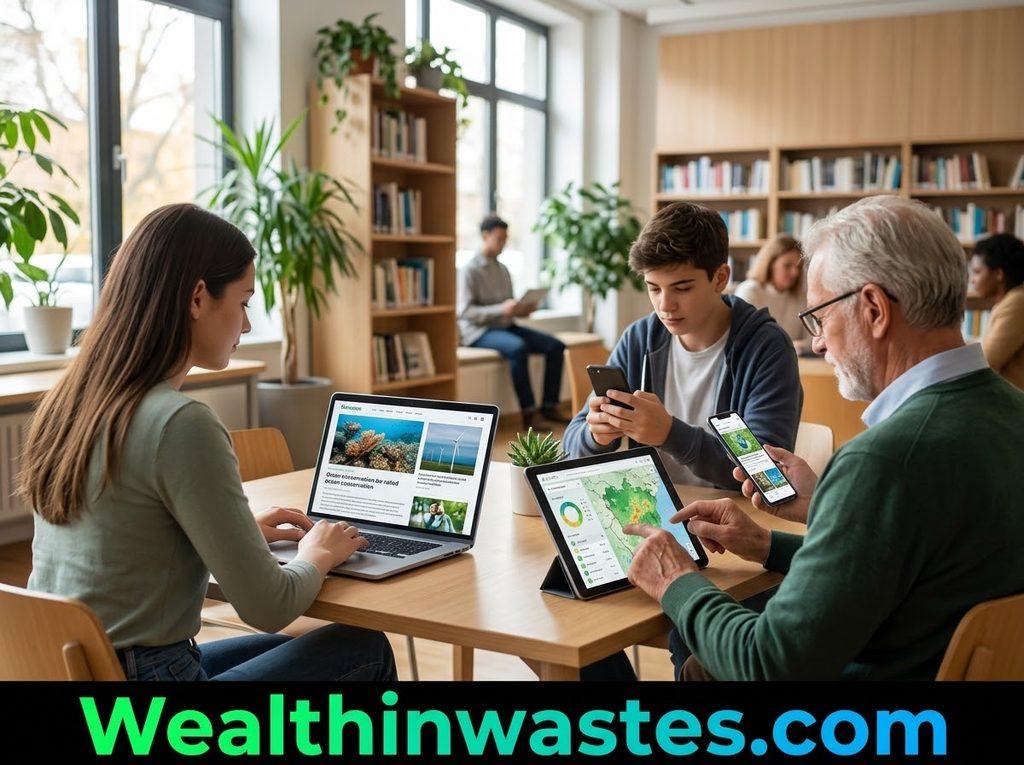
Measuring dissemination shows whether environmental information reached intended audiences and produced useful results. Organizations should track more than publication numbers because a widely viewed message can still fail to create understanding or action.
Useful indicators include audience reach, engagement, comprehension, recall, participation, behavioural change, policy uptake, requests for additional information, and evidence that users applied recommendations in real environmental settings consistently over time.
Organizations can compare communication channels to determine which ones reach particular audiences most effectively. A campaign may perform well on radio but poorly online, or succeed in schools while missing households and businesses.
Monitoring should also examine whether messages reached underserved groups, including rural communities, low-literacy audiences, people with disabilities, and residents without dependable internet access. Equitable dissemination requires attention to these practical differences.
Environmental information systems can improve transparency by organizing reports, datasets, maps, alerts, educational materials, and policy documents in searchable formats. This makes information easier to locate, compare, reuse, and verify over time.
Organizations should document lessons from successful and unsuccessful campaigns, then apply those lessons to future communication. evidence about waste impacts and recycling benefits can support stronger future messages about environmental risks.
Finally, continuous improvement keeps dissemination responsive to changing environmental conditions, technologies, policies, and audience needs. recycling incentive information becomes more effective when organizations measure results, learn, adapt, and communicate again.
Summary on Best Strategies for Environmental Information Dissemination
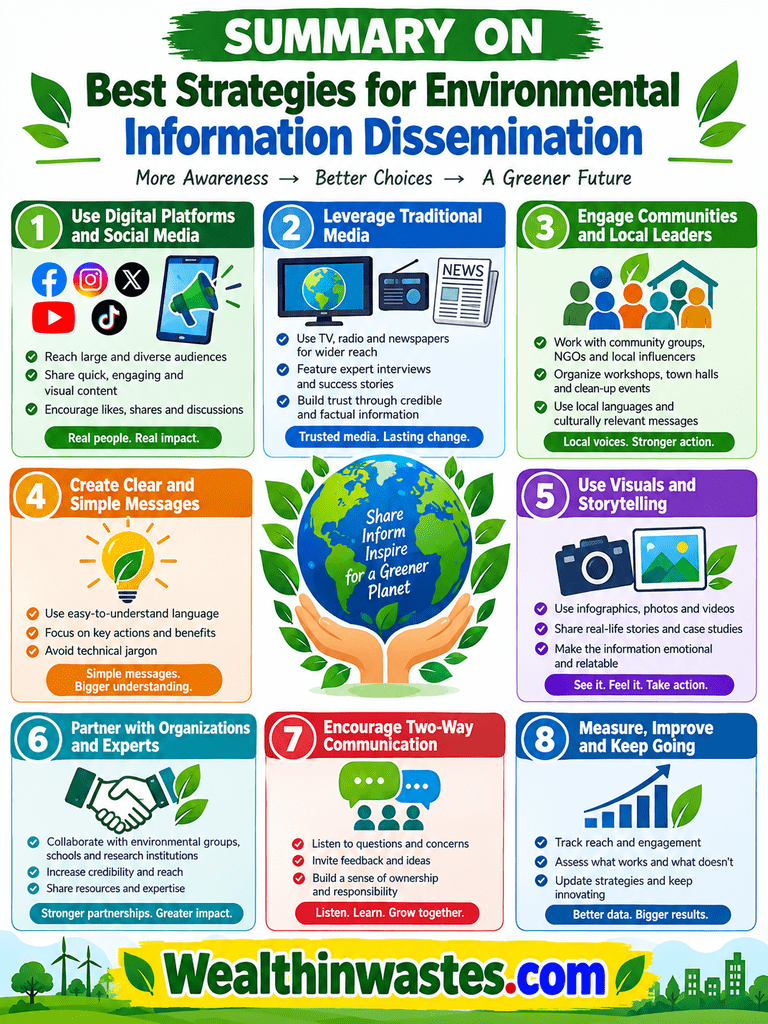
| Strategy | Purpose | Practical Value |
|---|---|---|
| Clear messages | Present key environmental facts simply. | Improves understanding and recall. |
| Audience targeting | Match information with user needs. | Improves relevance and action. |
| Research connections | Link evidence with decision-makers. | Supports informed policies and practice. |
| Digital and local channels | Reach audiences through suitable media. | Expands access and participation. |
| Education and training | Build lasting environmental knowledge. | Strengthens skills and responsibility. |
| Feedback and measurement | Assess communication performance. | Supports continuous improvement. |
| Institutional networks | Coordinate environmental communication. | Strengthens local implementation and trust. |
Frequently Asked Questions About Best Strategies for Environmental Information Dissemination
1. What is environmental information dissemination?
It is the organized sharing of environmental research, policies, risks, guidance, and practical solutions with audiences that need reliable information for decisions or action.
2. Why should messages target different audiences?
Different audiences have different knowledge, responsibilities, languages, access needs, and decisions. Tailoring communication improves relevance, comprehension, trust, and the likelihood that people will act.
3. Which channels work best for environmental information?
The best channel depends on the audience. Websites, radio, schools, community meetings, social media, mobile messaging, print materials, and professional networks can work together.
4. How can researchers improve dissemination?
Researchers can connect early with users, simplify findings, identify policy opportunities, provide practical outputs, collect feedback, and work directly with practitioner communities.
5. Why is environmental education important?
Environmental education builds knowledge, practical skills, responsible attitudes, and participation. It also helps students, professionals, households, and communities understand environmental risks and possible solutions.
6. How can organizations measure dissemination success?
They can measure reach, comprehension, engagement, recall, participation, behavioural change, policy uptake, feedback, and evidence that audiences applied the information in real situations.
Do you have any questions, suggestions, or contributions? If so, please feel free to use the comment box below to share your thoughts. We also encourage you to kindly share this information with others who might benefit from it. Since we can’t reach everyone at once, we truly appreciate your help in spreading the word. Thank you very much for your support and for sharing!
Read Also: Water and Land Pollution in Agriculture