



Responsible environmental uses describe the careful way people, businesses, governments, and communities use natural resources while protecting ecological systems and maintaining opportunities for future generations to prosper in a responsible and lasting manner.
Sustainable development connects environmental protection with economic progress and social well-being, ensuring that present needs receive attention without exhausting the resources and ecological functions that future societies depend upon over time.
The idea became influential through international conservation and development discussions, especially the 1980 World Conservation Strategy, the 1987 Brundtland Report, and the 1992 Rio Earth Summit, which shaped modern sustainability thinking.
Rather than treating the environment as separate from development, sustainable development brings environmental considerations into planning, technology, investment, production, consumption, governance, and community decisions across different geographical scales and sectors.
Responsible environmental uses therefore seek a practical balance between human aspirations and environmental limits, while promoting equity within generations, between generations, and among countries with different levels of development over long periods of time.
What Are Responsible Environmental Uses?
Responsible environmental uses recognize that development depends on land, water, forests, minerals, energy, biodiversity, and healthy ecological processes. Sustainable decisions protect these foundations while allowing communities to pursue better livelihoods.
The approach also recognizes that environmental damage can create economic and social costs through pollution, resource scarcity, health problems, reduced productivity, ecosystem loss, and higher expenses for restoration and public services that communities must manage.
A useful sustainability framework therefore asks whether an activity meets present needs, respects environmental carrying capacity, distributes benefits fairly, and leaves sufficient natural and social capital for future generations to use.
Read Also: Roles of Producers and Corporations in Waste Management
Principles of Responsible Environmental Uses
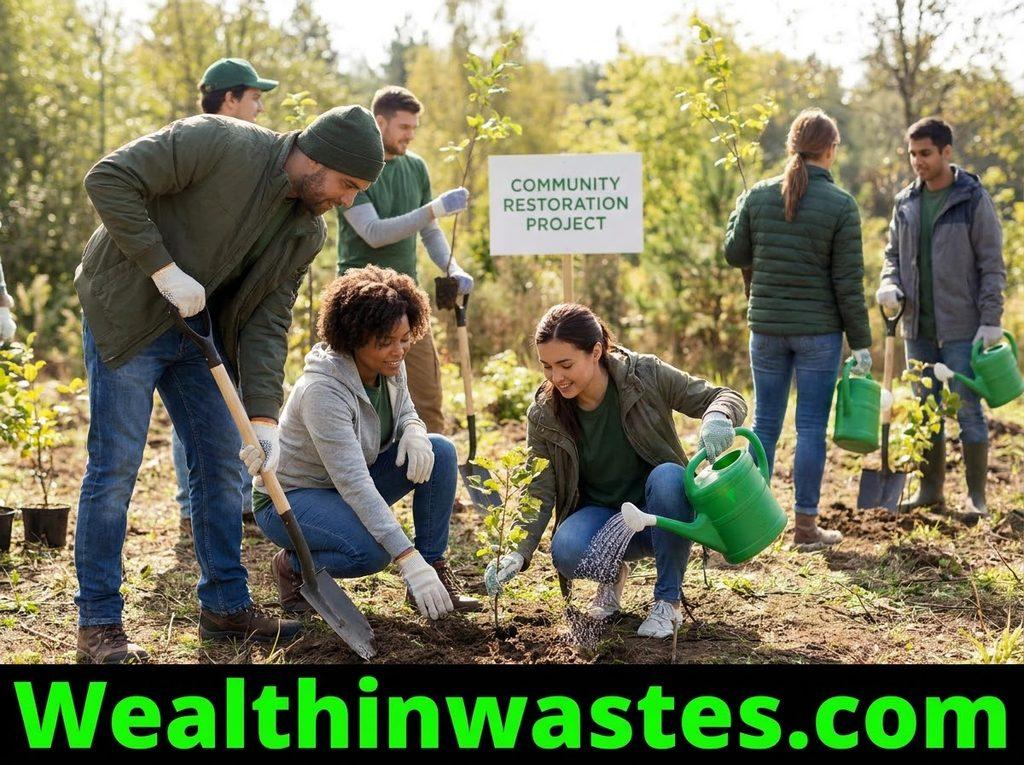
Sustainable development requires practical principles that guide decisions about resources, production, consumption, and environmental protection. These principles help translate broad sustainability goals into actions that households, organizations, and governments can implement.
1. Resource Efficiency: Use land, water, energy, minerals, and materials carefully so productive value increases without unnecessary depletion, waste, pollution, or damage to ecosystems that support livelihoods that directly shape environmental outcomes.
2. Intergenerational Equity: Consider the needs of future generations when making decisions today, preventing short-term gains from creating lasting environmental losses, depleted resources, or unsafe living conditions that extend across communities and economic sectors.
3. Social Equity: Ensure environmental benefits and development opportunities reach disadvantaged groups, while avoiding situations where vulnerable communities carry disproportionate pollution, displacement, or resource-access burdens while protecting people and ecosystems from harmful consequences.
4. Precautionary Action: Take reasonable steps against serious environmental risks even when scientific information remains incomplete, especially where delayed action could cause irreversible ecological or health damage and protect equal access to environmental benefits.
Responsible Environmental Uses of Natural Resources
Responsible environmental uses become visible through everyday management choices that conserve resources and reduce environmental pressure. They cover natural resource extraction, production systems, household consumption, waste handling, and community development across different settings.
1. Responsible Water Use: Protect freshwater sources, reduce unnecessary consumption, prevent contamination, and support suitable treatment and reuse practices so water remains available for households, agriculture, ecosystems, and industry for present and future generations.
2. Responsible Land Use: Match development activities with land capability, protect productive soils, control erosion, prevent harmful encroachment, and maintain vegetation that supports water regulation, biodiversity, and agricultural productivity across all settings.
3. Responsible Energy Use: Improve energy efficiency, avoid unnecessary consumption, and expand suitable renewable options that can reduce pollution and greenhouse gas emissions while supporting reliable economic activity while maintaining reliable supplies for essential needs.
4. Responsible Material Use: Reduce excessive material consumption, extend product life, promote repair and reuse, and recover valuable materials through recycling or other circular economy approaches before disposal carefully and wisely.
Economic and Social Value of Sustainability
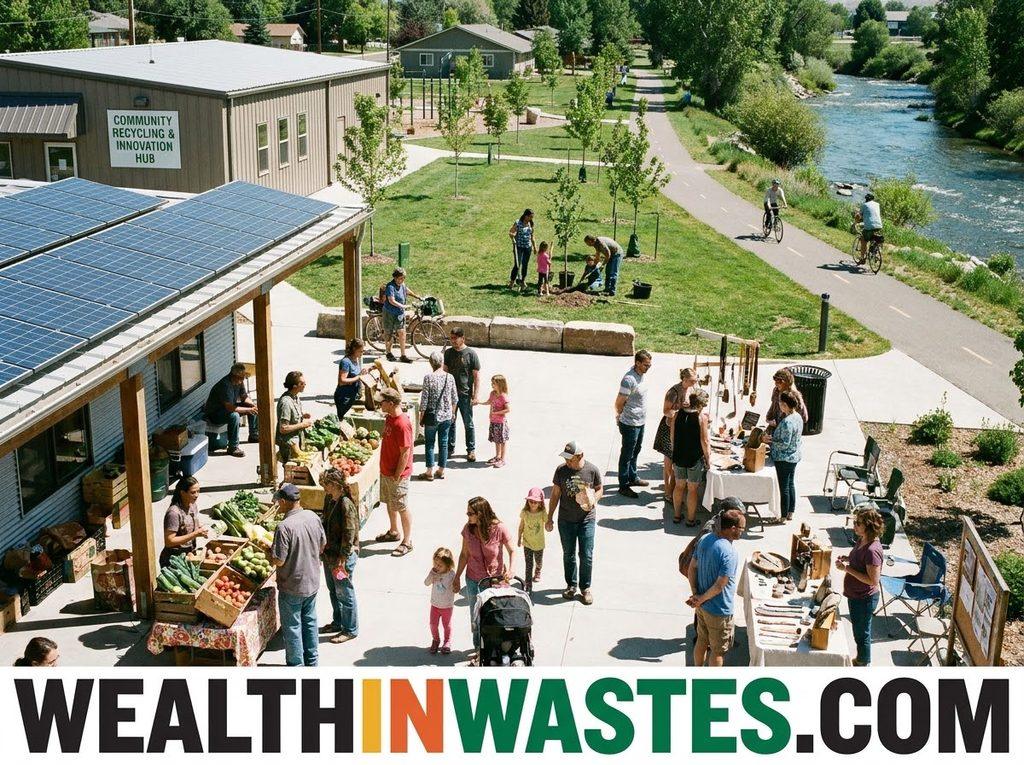
Responsible environmental uses can strengthen economic performance because efficient resource management reduces avoidable costs and protects the natural systems that support agriculture, fisheries, forestry, manufacturing, tourism, and other productive sectors.
Sustainable development also creates social value by improving access to clean water, safe housing, nutritious food, reliable energy, education, sanitation, and healthy surroundings, particularly for poor and disadvantaged communities often.
When communities participate in environmental decisions, policies can reflect local knowledge, social priorities, and practical constraints. Participation can also build trust, improve compliance, and reduce conflicts over natural resource use.
This connection between environmental quality and economic opportunity shows why sustainability is not simply an ecological concern. It is a development strategy that links productivity, resilience, social inclusion, and long-term prosperity.
Responsible Environmental Uses and Environmental Protection
Environmental protection forms a central part of responsible environmental uses because uncontrolled development can overwhelm ecosystems and increase pollution. Sustainable practices aim to prevent damage before restoration becomes expensive or impossible.
1. Pollution Prevention: Prevent pollutants at their source through cleaner production, safe waste handling, wastewater treatment, emission controls, and careful use of chemicals before contaminants reach soil, water, or air.
2. Waste Reduction: Minimize waste generation through better purchasing, efficient production, reuse, repair, recycling, composting, and recovery systems that keep useful materials in productive circulation for longer periods in practice.
3. Biodiversity Protection: Conserve habitats, species, genetic resources, and ecological functions by limiting destructive land conversion, controlling pollution, supporting restoration, and integrating biodiversity considerations into development planning effectively consistently steadily.
4. Climate Responsibility: Reduce avoidable greenhouse gas emissions, improve energy efficiency, protect carbon-rich ecosystems, and strengthen adaptation measures that help communities and infrastructure withstand climate-related stresses through clear rules, coordination, monitoring, and public participation.
Who Supports Responsible Environmental Uses?
Responsible environmental uses require shared responsibility because no single institution controls every resource or environmental impact. Households, businesses, farmers, communities, schools, and governments each influence sustainability through daily choices today.
Governments establish policies, standards, monitoring systems, incentives, infrastructure, and enforcement mechanisms that shape how resources are managed. Effective institutions also coordinate across sectors because water, land, energy, waste, and biodiversity are closely connected.
Businesses can reduce environmental pressures through cleaner technologies, efficient resource use, product redesign, responsible sourcing, pollution prevention, and recovery of materials. These actions can also reduce operating costs and strengthen long-term competitiveness.
Individuals and communities contribute through responsible consumption, proper waste disposal, conservation practices, environmental education, and participation in local initiatives. Collective action becomes especially important where environmental problems cross property, community, or administrative boundaries.
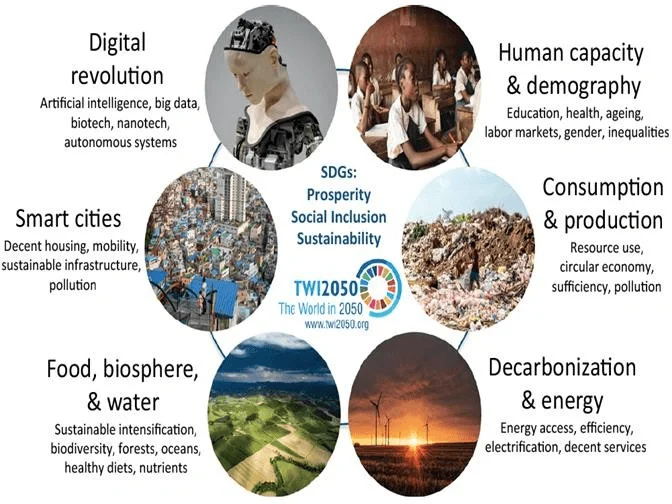
Image: Summary of the Role of Human in Achieving a Sustainable Environment: Adapted from the European Union Science Hub retrieved June, 2020.
Challenges to Sustainable Development
Several challenges can weaken responsible environmental uses, especially where poverty, rapid population growth, weak institutions, limited finance, inadequate infrastructure, and low environmental awareness constrain available choices for communities and organizations.
Short-term economic pressures can encourage overexploitation because immediate income may appear more valuable than benefits that arrive years later. This can lead to deforestation, soil degradation, inefficient water use, excessive waste, and pollution.
Weak enforcement can also undermine good environmental policies. Where rules exist but monitoring, data, technical capacity, or penalties remain inadequate, harmful activities may continue and responsible operators may face unfair competition from less compliant businesses.
Another challenge is unequal access to technology and finance. Sustainable equipment, cleaner production systems, renewable energy, wastewater treatment, and recycling infrastructure may require investment that poorer households, small businesses, and local authorities cannot easily provide.
Read Also: Water and Waste-water Purification Process
How to Strengthen Responsible Environmental Uses
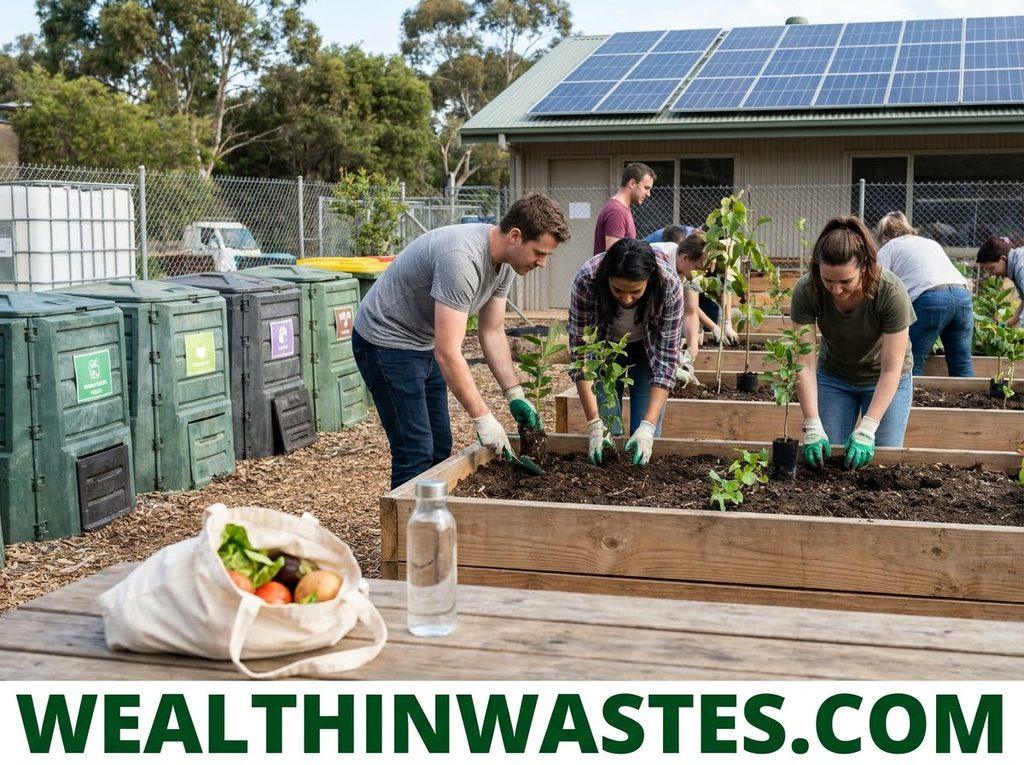
Practical pathways to responsible environmental uses begin with integrating environmental considerations into development planning rather than treating sustainability as an afterthought. Decisions should assess resource limits, environmental risks, social needs, and long-term economic effects.
1. Strengthen Environmental Education: Build practical knowledge through schools, workplaces, community programmes, and public campaigns so people understand water and resource limits, pollution risks, conservation methods, and the consequences of unsustainable choices.
2. Promote Sustainable Production: Encourage cleaner technologies, efficient processes, renewable energy, durable products, responsible sourcing, and circular systems that reduce resource losses while maintaining economic productivity and employment affordably widely.
3. Improve Environmental Governance: Establish clear responsibilities, realistic standards, reliable monitoring, public participation, transparent information, and effective enforcement so sustainability commitments become measurable and accountable development actions through practical learning and locally relevant environmental information.
4. Support Inclusive Innovation: Invest in technologies and business models that make conservation practical and affordable, while ensuring farmers, workers, entrepreneurs, households, and disadvantaged communities can participate in sustainable economic opportunities.
5. Measure Long-Term Outcomes: Track resource efficiency, pollution levels, ecosystem condition, social inclusion, economic benefits, and resilience so policies can improve continuously and development remains aligned with environmental capacity consistently steadily.
Summary on Responsible Environmental Uses Sustainable Development
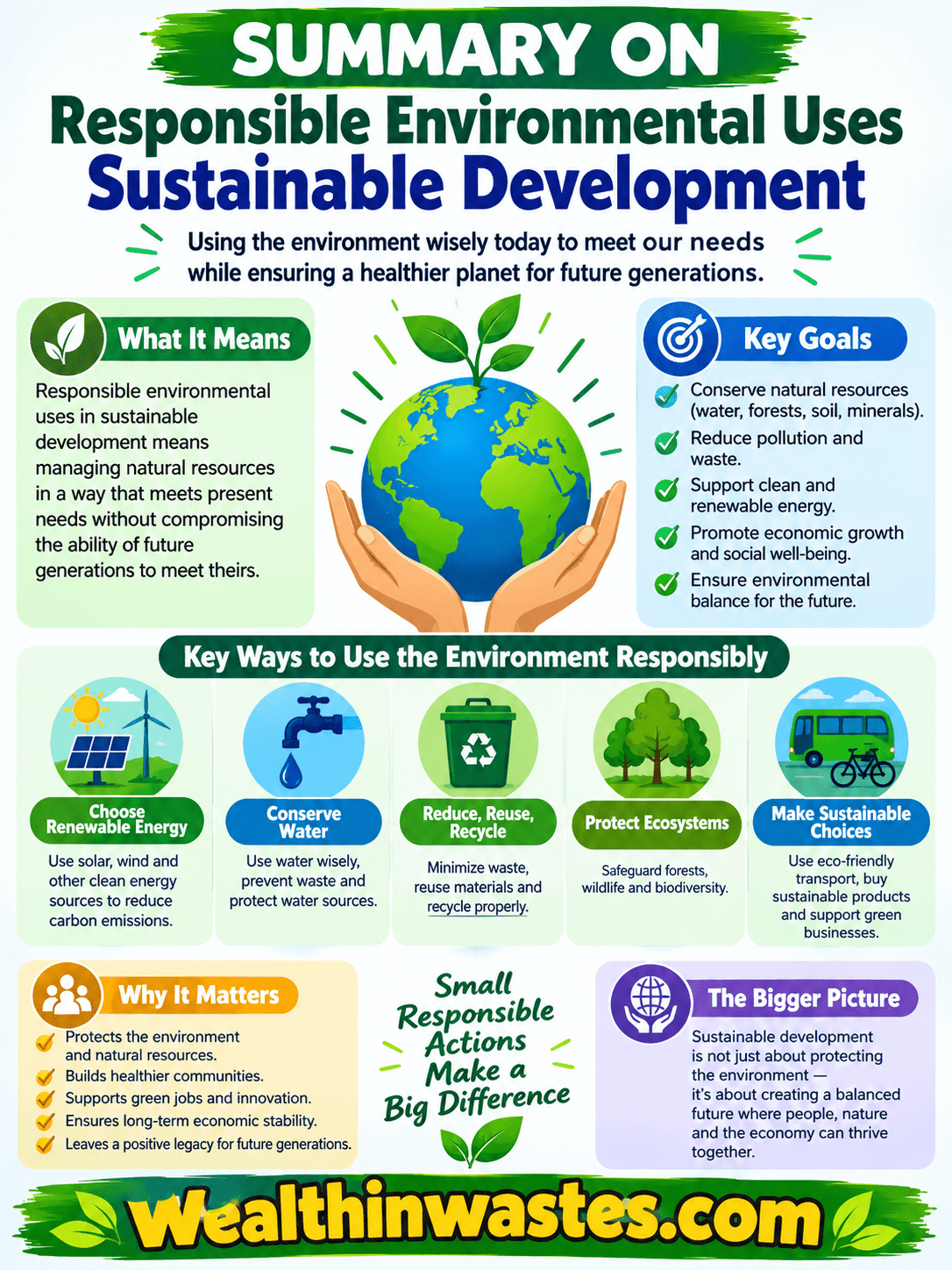
| Area | Key Focus | Expected Outcome |
|---|---|---|
| Resource Use | Efficient management of land, water, energy, minerals, and materials | Lower depletion and stronger long-term resource security |
| Social Equity | Fair access to environmental benefits and development opportunities | Greater inclusion and improved community well-being |
| Pollution Prevention | Control pollution at source and improve waste management | Cleaner air, water, soil, and healthier communities |
| Biodiversity | Protect habitats, species, genetic resources, and ecosystems | More resilient ecological systems |
| Economic Development | Link efficient resource use with productive economic activity | Lower costs, stronger livelihoods, and durable growth |
| Governance | Use policies, monitoring, participation, incentives, and enforcement | More accountable and effective sustainability action |
| Innovation | Adopt cleaner technologies and circular production systems | Reduced waste and improved resource productivity |
| Future Generations | Consider long-term environmental capacity in present decisions | Resources and ecological functions remain available over time |
Frequently Asked Questions About Responsible Environmental Uses for Sustainable Development
1. What are responsible environmental uses?
They are ways of using natural resources that meet human needs while limiting pollution, conserving ecosystems, and protecting opportunities for future generations.
2. Why is responsible environmental use important?
It helps reduce environmental degradation, protect essential resources, support healthier communities, and maintain economic opportunities over the long term.
3. How does sustainability support economic development?
It improves resource efficiency, reduces avoidable environmental costs, supports livelihoods, encourages innovation, and protects the natural systems that productive sectors depend upon.
4. Who should promote responsible environmental uses?
Governments, businesses, households, schools, farmers, communities, and other institutions all have important roles in sustainable resource management and environmental protection.
5. What are examples of responsible environmental uses?
Examples include conserving water and soil, reducing waste, recycling materials, preventing pollution, using energy efficiently, protecting biodiversity, and supporting cleaner production.
6. What can limit sustainable development?
Poverty, weak institutions, limited finance, inadequate infrastructure, low awareness, unequal technology access, and short-term economic pressures can make responsible environmental action difficult.
Do you have any questions, suggestions, or contributions? If so, please feel free to use the comment box below to share your thoughts. We also encourage you to kindly share this information with others who might benefit from it. Since we can’t reach everyone at once, we truly appreciate your help in spreading the word. Thank you very much for your support and for sharing!
Read Also: Understanding Sustainable Agriculture