



Natural resources sustain human survival, food production, housing, transport, industry, and economic development. However, growing demand can exceed nature’s ability to renew materials, restore habitats, and absorb pollution over time.
The obstacle to sustainability in the use of resources arises when societies extract, consume, or contaminate resources faster than natural systems can replenish them or recover their ecological functions.
This challenge involves more than resource shortages. Forests, rivers, soils, wetlands, and the atmosphere perform connected functions that support biodiversity, regulate climate, and maintain conditions needed for life on Earth.
A resource may appear abundant while its continued exploitation gradually weakens the environment. Damage can remain unnoticed for years before ecological changes reduce agricultural productivity, water quality, and human well-being.
Understanding these obstacles helps individuals, businesses, and governments make informed decisions about consumption, conservation, production, and environmental protection. It also encourages development that respects ecological limits and future generations.
What Resource Sustainability Requires
Resource sustainability means using natural materials and environmental services responsibly without undermining their future availability. It requires societies to balance present needs with the long-term health of ecosystems.
Renewable resources can recover through natural processes when extraction remains within suitable limits. Non-renewable resources, including petroleum and mineral deposits, require efficient use because their replacement takes extremely long periods.
Responsible resource planning therefore involves careful conservation of renewable and non-renewable resources, while considering their environmental, economic, and social importance throughout their useful life.
Sustainability also requires communities to reduce avoidable consumption. Choosing durable products, repairing damaged items, and supporting household waste reduction practices can limit demand for newly extracted materials.
Another requirement involves protecting ecological processes that provide benefits without direct financial transactions. Examples include natural water filtration, pollination, nutrient cycling, carbon storage, and protection against flooding.
Good planning must consider how different resources interact. Land degradation can affect water quality, while forest removal can increase erosion, weaken carbon storage, and reduce habitat quality for wildlife.
Ultimately, sustainable resource use depends on informed decisions, effective environmental management, public participation, and appropriate regulation. These measures help people meet essential needs without exhausting the natural systems supporting their lives.
Read Also: Proper Methods of Disposal of Dilute Pesticide Waste
Why Ecosystem Functions Are Hard to Replace
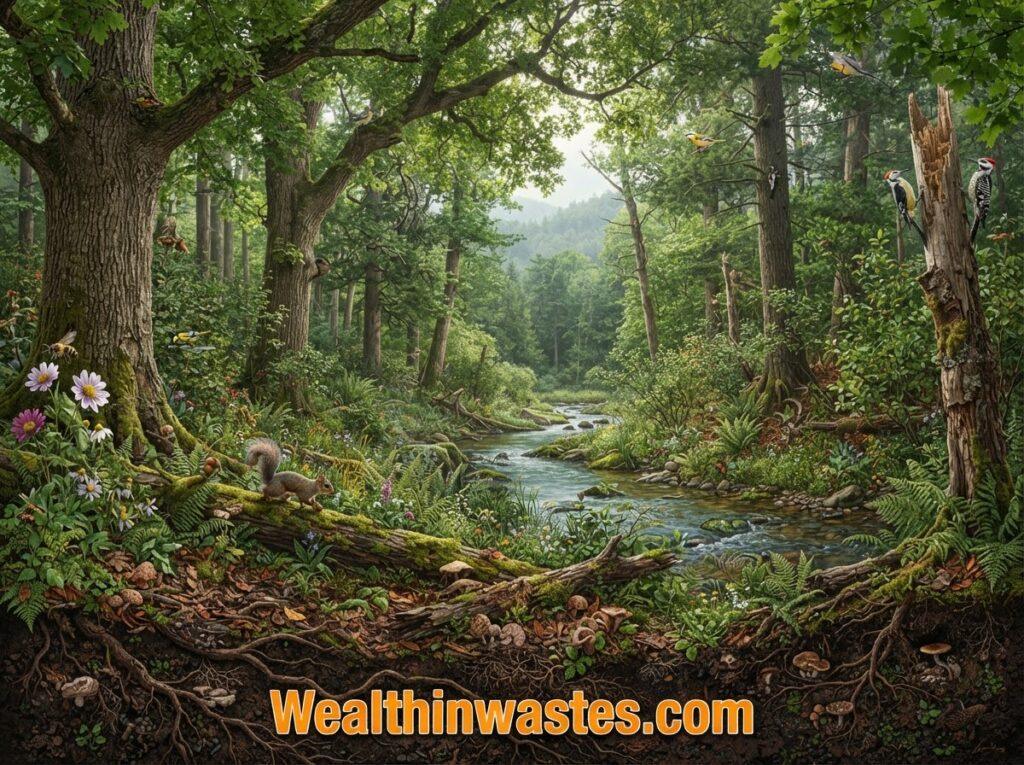
Natural ecosystems perform essential functions that support life and economic activity. Although technology can replace certain products or services, reproducing complex ecological processes on the same scale remains difficult.
1. Climate regulation: Forests, wetlands, and oceans influence carbon storage and climate processes. Replacing their combined functions requires more than planting individual trees or installing technological carbon removal systems.
2. Natural water purification: Healthy soils, wetlands, and aquatic ecosystems filter certain pollutants and regulate water flows. Treatment facilities provide useful alternatives, but maintaining widespread natural purification requires protecting functioning watersheds.
3. Ozone layer protection: The atmospheric ozone layer reduces exposure to harmful ultraviolet radiation. Human technology cannot provide a practical substitute for this planetary protective function, making ozone preservation essential.
4. Pollination and reproduction: Insects, birds, bats, and other organisms pollinate numerous flowering plants and crops. Artificial pollination can help selected crops, but replacing the ecological contributions of diverse pollinators presents substantial challenges.
5. Soil formation: Natural weathering, decomposers, microorganisms, and organic matter gradually produce fertile soil. Manufactured growing media support some production systems, yet they cannot readily reproduce every function of healthy natural soils.
6. Habitat protection: Natural environments provide shelter, breeding grounds, food, and migration routes. Facilities designed for wildlife conservation cannot fully replace the ecological relationships found in extensive, connected, and healthy natural habitats.
7. Environmental planning: Effective environmental management practices protect the natural functions that support communities. They also encourage decision-makers to consider the wider environmental impact of everyday choices before damage occurs.
How Multifunctional Resources Create Challenges
Many natural resources serve several purposes simultaneously. Consequently, replacing one marketable product does not necessarily replace the environmental services, cultural values, and livelihoods associated with the resource itself.
1. Forest products: Forests supply timber, fuelwood, and paper materials while also storing carbon, supporting wildlife, reducing erosion, and regulating water flows. Replacing timber alone cannot compensate for widespread forest destruction.
2. Water resources: Rivers and lakes provide drinking water, irrigation, fisheries, transportation, and recreation. Excessive extraction or contamination can undermine several uses simultaneously, forcing communities and industries to compete for increasingly limited supplies.
3. Agricultural land: Farmland produces food and raw materials while supporting soil organisms, storing carbon, and regulating water movement. Intensive farming can weaken these functions when poor management accelerates erosion and nutrient depletion.
4. Wetland systems: Wetlands support wildlife, store water, filter certain pollutants, and reduce flooding. Converting them into industrial or residential sites may provide immediate economic benefits while increasing long-term ecological and community risks.
5. Institutional coordination: Poor cooperation between agricultural, industrial, and environmental authorities can overlook competing resource needs. Stronger sectoral planning and institutional capacity helps decision-makers manage these interactions more effectively.
6. Waste and resource recovery: Extracting raw materials without recovering reusable products increases pressure on ecosystems. Applying integrated waste management principles helps recover valuable materials while reducing unnecessary disposal.
7. Economic trade-offs: Activities that increase short-term income may weaken environmental services that communities depend on. Sustainable decisions assess the wider consequences instead of measuring success solely through production, revenue, or immediate employment.
Why Resource Damage Can Become Irreversible
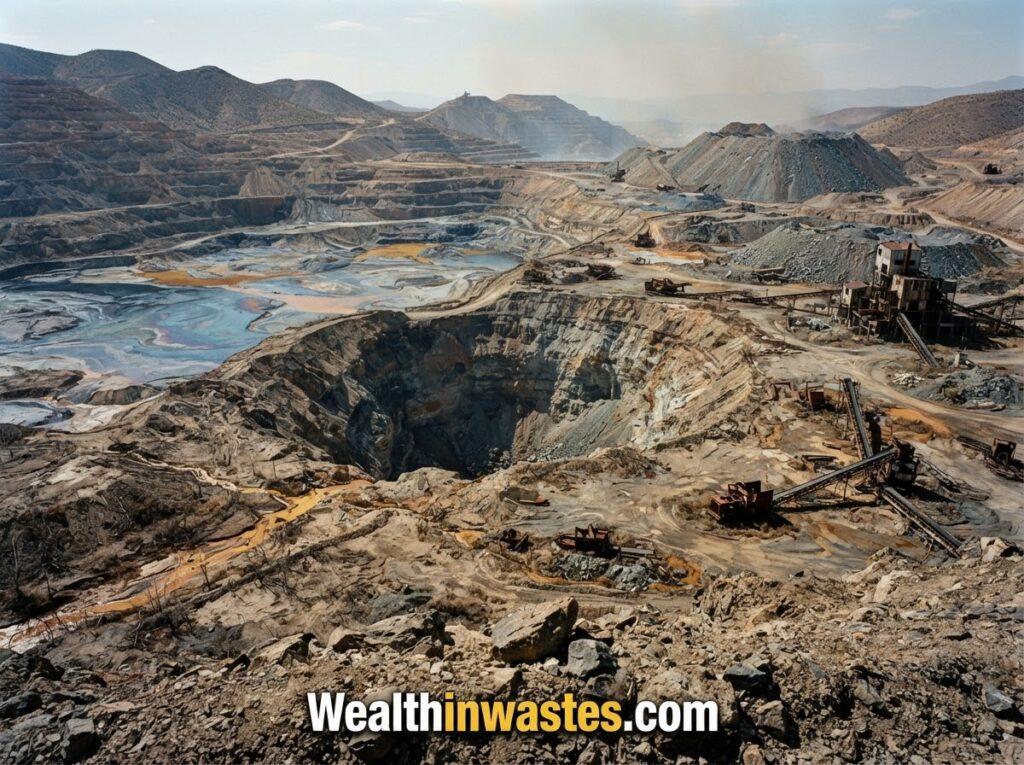
Natural resource deterioration does not always produce immediate, visible consequences. Some ecosystems tolerate pressure temporarily, but continued exploitation can eventually trigger changes that become difficult or impossible to reverse.
1. Permanent biodiversity loss: When a species becomes extinct, its genetic characteristics disappear permanently. Habitat destruction and excessive harvesting can therefore remove biological resources that future generations cannot recover naturally.
2. Ecological thresholds: Ecosystems can absorb disturbances within certain limits. Beyond those limits, sudden changes may disrupt food webs, nutrient cycling, reproduction, and other processes that previously maintained ecological stability.
3. Lake eutrophication: A lake may receive excess nutrients for years before serious damage becomes obvious. Eventually, algal growth and decomposition can deplete dissolved oxygen, threatening fish and disrupting aquatic ecosystems.
4. Soil degradation: Repeated erosion, salinisation, compaction, and organic matter loss can reduce soil fertility. Some damaged soils recover slowly, while severe degradation can make agricultural restoration expensive and exceptionally difficult.
5. Water contamination: Persistent pollutants may accumulate in sediments and living organisms. Understanding water pollution classifications and water quality principles helps identify threats before contamination becomes widespread.
6. Delayed environmental effects: Some consequences emerge long after harmful activities begin. Examining major water pollution sources helps communities identify pathways through which environmental damage accumulates.
7. Precautionary management: Because ecological recovery can remain uncertain, decision-makers should prevent serious damage before it occurs. Monitoring environmental conditions and limiting excessive extraction can protect resources more effectively than expensive restoration.
How Natural Resources Depend on One Another
Natural resources operate through interconnected relationships rather than functioning independently. A shortage or deterioration in one resource can affect production, ecosystems, and communities that depend on several other resources.
1. Forests and water: Vegetation influences infiltration, runoff, erosion, and watershed conditions. Excessive forest removal can increase sediment movement into rivers, reduce water quality, and damage habitats supporting freshwater biodiversity.
2. Soil and agriculture: Healthy soil supplies nutrients, stores water, and supports root development. When soil quality declines, farmers may require additional fertilisers and irrigation, increasing production costs and environmental pressures.
3. Water and energy: Energy production may depend on water for cooling, processing, or hydropower. Water shortages can therefore disrupt electricity generation, while some energy production methods can create additional pressure on freshwater supplies.
4. Pollution and economic losses: Contaminated resources increase treatment expenses, threaten livelihoods, and damage productive ecosystems. Understanding the economic losses associated with pollution highlights the financial value of prevention.
5. Urban development: Expanding cities require land, water, energy, and building materials. Poor planning can intensify urban environmental degradation, increasing flood risks, waste accumulation, and pressure on surrounding ecosystems.
6. Economic interdependence: Herman Daly’s question, “What use is a sawmill without a forest?” illustrates why productive activities depend on natural resources. Businesses cannot maintain production indefinitely when essential environmental inputs disappear.
7. Integrated resource planning: Governments and communities should evaluate how environmental decisions affect multiple sectors. Coordinated management helps identify trade-offs, prevent resource conflicts, and protect the ecological foundations of long-term economic development.
Human Pressures That Undermine Resource Sustainability
Human activities influence how quickly natural resources become depleted or degraded. Population growth, rising consumption, inefficient production, and weak environmental management can collectively increase pressure beyond ecological limits.
1. Population growth: Growing populations increase demand for food, water, housing, energy, and transport. Without responsible planning, expanding resource requirements can accelerate habitat conversion, waste generation, and pressure on existing supplies.
2. Excessive consumption: High demand for disposable products and resource-intensive goods encourages additional extraction and production. Responsible purchasing decisions can reduce this pressure while helping households avoid unnecessary spending and waste.
3. Unsustainable agriculture: Poor irrigation, excessive chemical inputs, uncontrolled grazing, and continuous cultivation can damage soil and water. Sustainable farming practices protect productive land while supporting food security and long-term agricultural livelihoods.
4. Pollution: Industrial discharge, sewage, agricultural runoff, and poorly managed waste threaten natural resources. Understanding sources and types of water pollution helps communities recognise contamination risks and identify prevention measures.
5. Urban expansion: Unplanned development replaces natural habitats with buildings, roads, and other infrastructure. These changes can contribute to environmental degradation in urban areas and place additional demands on surrounding resources.
6. Short-term economic priorities: Businesses and governments sometimes favour immediate revenue over long-term ecological protection. This approach can encourage overexploitation, especially when environmental damage remains unpriced or its costs fall on local communities.
7. Weak public awareness: Limited environmental education can encourage wasteful habits and inappropriate disposal. Public participation, environmental information, and practical conservation programmes help communities understand how daily activities influence resource availability.
Practical Ways to Reduce Resource Consumption
Overcoming resource sustainability obstacles requires practical measures that reduce unnecessary consumption, prevent environmental damage, and encourage responsible production. Households, companies, farmers, and public authorities all have important roles.
1. Reduce consumption: Buy only necessary products, avoid excessive packaging, and choose durable alternatives. Following practical waste reduction strategies can decrease demand for virgin materials and reduce disposal requirements.
2. Reuse and recycle: Repair usable items and separate recyclable materials before disposal. Recycling paper, glass, metals, and appropriate plastics helps conserve raw materials while reducing the energy and environmental costs of new production.
3. Improve waste management: Homes, industries, and institutions should follow environmental management tips for reducing waste and establish suitable collection, sorting, recovery, and disposal arrangements to prevent avoidable pollution.
4. Adopt cleaner production: Industries can improve efficiency by reducing water consumption, recovering useful materials, and preventing pollution at its source. Strong waste management practices also limit environmental harm and operating costs.
5. Use appropriate treatment: Waste requires suitable handling according to its characteristics and potential hazards. Applying appropriate waste disposal methods protects soil, water, wildlife, and human health from avoidable contamination.
6. Protect ecosystems: Restore degraded land, conserve forests, safeguard wetlands, and protect threatened species. These actions maintain biodiversity and strengthen the environmental services that support agriculture, clean water, climate regulation, and human livelihoods.
7. Encourage responsible governance: Governments should enforce environmental standards, support conservation initiatives, and provide public education. Transparent monitoring and meaningful community participation improve accountability and help maintain sustainable resource use across sectors.
Goals and Measures for Sustainable Resource Use

Resource sustainability programmes need clear objectives and measurable indicators. These help communities assess progress, identify emerging environmental problems, allocate funds appropriately, and adjust resource management decisions when necessary.
1. Pollution prevention: Reduce harmful emissions, prevent untreated wastewater discharge, and improve waste handling. Effective water pollution control frameworks support better planning, monitoring, and protection of aquatic environments.
2. Renewable energy development: Expand suitable solar, wind, and other lower-carbon energy options. Improving energy efficiency and reducing dependence on fossil fuels can limit resource depletion and decrease greenhouse gas emissions.
3. Resource conservation: Protect freshwater, fertile soil, forests, minerals, and other valuable materials. Conservation programmes should match extraction rates with ecological limits while recognising that different resources have different recovery periods.
4. Biodiversity protection: Preserve habitats, strengthen protected areas, and prevent threatened species from becoming extinct. Effective conservation also maintains genetic diversity and ecological relationships that contribute to resilient and productive natural systems.
5. Strong environmental laws: Clear pollution-control legislation and policy measures establish responsibilities, standards, and penalties. Effective implementation requires adequate funding, trained personnel, reliable environmental data, and consistent enforcement.
6. Institutional cooperation: Coordinated institutional arrangements for pollution control help agencies address environmental problems across administrative boundaries. Collaboration improves monitoring, information sharing, and the management of shared natural resources.
7. Measure environmental progress: Track water quality, forest cover, soil condition, resource consumption, waste recovery, and emissions. Ecological footprint assessments can complement these indicators by showing how human demand compares with nature’s regenerative capacity.
Read Also: The Need for Environmental Sustainability and Its Benefits
Summary on Obstacle to Sustainability in the Use of Resources
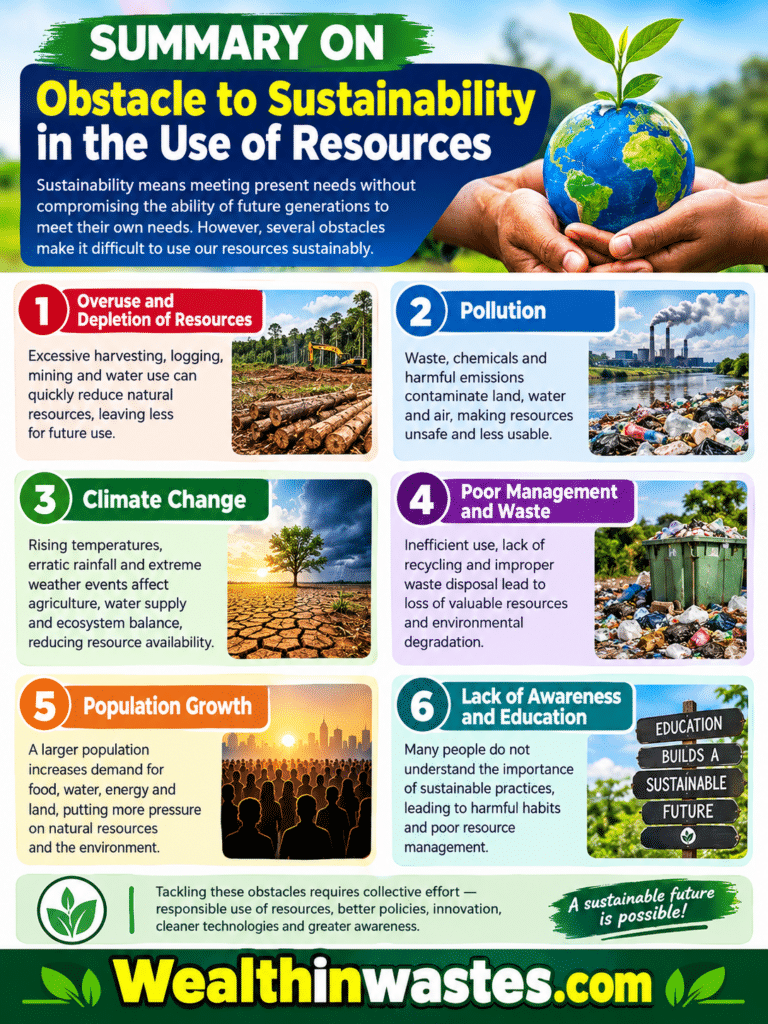
| Obstacle | Explanation | Possible Solution |
|---|---|---|
| Irreplaceable ecosystem functions | Natural systems provide complex services that technology cannot fully reproduce. | Protect and restore healthy ecosystems. |
| Multifunctional resources | A single resource may support several environmental and economic activities. | Assess all resource benefits before development. |
| Irreversible damage | Extinction and severe ecological degradation may be permanent or difficult to reverse. | Prevent damage and monitor environmental conditions. |
| Resource interdependence | Damage to one resource can affect several connected systems. | Coordinate land, water, energy, and biodiversity management. |
| Human pressures | Overconsumption, pollution, and population growth increase resource demand. | Improve efficiency and encourage responsible consumption. |
| Weak environmental management | Inadequate enforcement and poor planning allow harmful practices to continue. | Strengthen institutions, regulations, and public participation. |
| Unsustainable production | Inefficient processes increase waste and pressure on natural materials. | Adopt cleaner production and resource recovery. |
| Limited environmental awareness | Insufficient understanding contributes to wasteful behaviour and ecological damage. | Promote environmental education and conservation awareness. |
Frequently Asked Questions About Obstacle to Sustainability in the Use of Resources Explained
1. What is resource sustainability?
It means using resources responsibly while protecting ecosystems and maintaining their availability for future generations.
2. What are the main obstacles to sustainability?
Major obstacles include resource depletion, pollution, irreversible ecological damage, population growth, and excessive consumption.
3. Why are ecosystem functions difficult to replace?
They involve interconnected natural processes that technology cannot fully reproduce at the same scale.
4. What is resource multifunctionality?
It means that one resource provides several benefits, such as forests supplying timber while supporting biodiversity and regulating water flows.
5. What makes resource damage irreversible?
Extinction, severe habitat loss, and certain forms of ecosystem degradation may prevent complete recovery.
6. How does consumption affect sustainability?
Excessive consumption increases extraction, energy use, pollution, and waste generation.
7. How can individuals conserve natural resources?
Individuals can reduce waste, conserve water, save energy, reuse products, and support responsible production.
8. What is the ecological footprint?
It estimates the biologically productive area required to support human resource consumption and absorb certain wastes.
9. Why is biodiversity important for sustainability?
Biodiversity supports ecosystem stability, pollination, nutrient cycling, food production, and resilience to environmental changes.
10. What is the main goal of sustainable resource use?
The goal is to meet present needs while protecting the resources and ecological systems that future generations depend on.
Do you have any questions, suggestions, or contributions? If so, please feel free to use the comment box below to share your thoughts. We also encourage you to kindly share this information with others who might benefit from it. Since we can’t reach everyone at once, we truly appreciate your help in spreading the word. Thank you very much for your support and for sharing!
Read Also: Conservation and Management of Natural Resources in Agriculture