


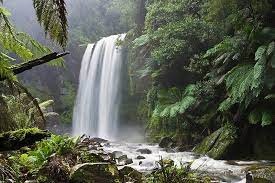
Every living thing depends on the conditions around it. Plants need light, water, air, nutrients, and suitable temperatures, while animals and microorganisms rely on food, shelter, and environmental conditions to survive.
The word environment describes these surroundings and the relationships between organisms and their surroundings. It includes natural features, such as soil, rivers, sunlight, and living organisms, as well as influences created by people.
Understanding the etymological meaning of environment helps explain why the concept covers far more than forests, wildlife, or unpolluted places. It also includes everyday surroundings and conditions that affect life.
In ecology, scientists examine how organisms respond to physical conditions and interact with other organisms. These relationships influence growth, reproduction, distribution, health, and the survival of entire populations and communities.
Farmers, students, and environmental professionals use this knowledge to understand ecosystems, conserve natural resources, and reduce harmful impacts. The sections below explain the word’s origin, environmental components, and practical importance.
The Etymological Meaning of Environment
1. Word Root: The English noun environment developed from the verb environ, meaning to surround or encircle. The verb came through Old French environer, which relates to the idea of being all around something.
2. Meaning of the Suffix: The ending “-ment” helps form a noun describing a state, process, or result. Combined with environ, it produces a word associated with the surroundings that encompass people, plants, animals, and communities.
3. Basic Definition: In everyday language, environment means the conditions and things around someone or something. The natural environment includes land, water, air, sunlight, plants, animals, and naturally occurring physical features.
4. Modern Scientific Meaning: Environmental science uses the term more broadly than physical surroundings alone. It includes biological relationships, climate, resources, and human activities whenever these factors influence living organisms or communities.
5. Application in Ecology: Ecologists use environment to describe the surroundings and conditions affecting organisms throughout their lives. These conditions include access to natural resources, suitable habitats, food supplies, and interactions with other living things.
Read Also: Methods of Disposal of Waste Pesticide Containers
What the Environment Includes

1. Physical Components: The environment contains air, water, sunlight, temperature, wind, and soil. These physical conditions influence habitats and determine whether organisms can grow, reproduce, move freely, and maintain healthy life processes.
2. Air and Water: Air supplies essential gases, while water supports vital biological processes. The interconnected air and water systems also influence weather, climate, agriculture, aquatic habitats, and the availability of resources needed for survival.
3. Living Components: Plants, animals, fungi, bacteria, and other organisms form the biological environment. They interact through feeding relationships, competition, reproduction, pollination, decomposition, and other ecological processes that sustain communities and ecosystems.
4. Land and Minerals: Rocks, soil, minerals, and landforms provide habitats, nutrients, and essential materials. Responsible management of soil and mineral resources helps maintain productive landscapes and reduces damage to natural ecosystems.
5. Human-Made and Social Components: Buildings, roads, farms, industries, cultural practices, and community activities also influence environmental conditions. Their effects depend on how people use resources, manage waste, and interact with surrounding natural systems.
Biotic and Abiotic Environmental Factors
1. Biotic Factors: Biotic factors are the living components of the environment, including plants, animals, and microorganisms. Their interactions influence food availability, competition, disease transmission, pollination, decomposition, and the balance of ecological communities.
2. Abiotic Factors: Abiotic factors are non-living physical and chemical conditions, including temperature, rainfall, sunlight, soil pH, minerals, and oxygen. Changes in these conditions can limit growth and contribute to environmental pollution.
3. Water Quality: The quality of rivers, lakes, ponds, and groundwater affects plants, animals, and human communities. Understanding water pollution helps explain how harmful substances disrupt aquatic habitats and limit access to safe water.
4. Chemical Conditions: Nutrients, dissolved gases, and chemical substances influence the suitability of a habitat. Understanding pollution sources and pathways helps identify environmental threats and prevent harmful substances from entering sensitive ecosystems.
5. Interactions Between Factors: Biotic and abiotic factors rarely act independently. Soil moisture affects plant growth, vegetation influences soil temperature, and organisms change their surroundings through feeding, decomposition, and the movement of nutrients.
Favourable Conditions for Living Organisms
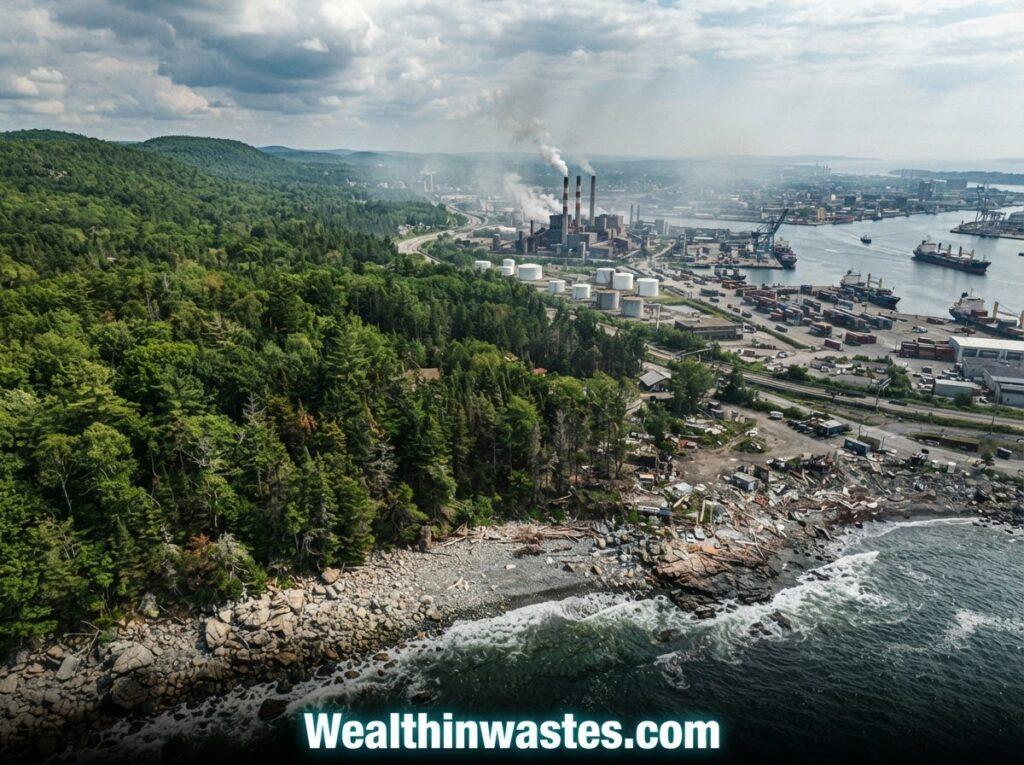
Living organisms need suitable environmental conditions to survive and reproduce successfully. These conditions differ among species, but generally include adequate water, appropriate temperatures, sufficient nutrients, suitable habitats, and access to essential resources.
Plants require sunlight for photosynthesis, water for physiological processes, and minerals for growth. Animals need appropriate food, shelter, water, and suitable surroundings, while microorganisms depend on conditions that support their particular biological activities.
When environmental conditions become unsuitable, organisms may experience stress, reduced growth, reproductive difficulties, or death. The health effects of pollution demonstrate how contaminated air, soil, and water can threaten living organisms and human wellbeing.
Environmental quality also depends on how people manage materials and dispose of unwanted substances. Understanding the effects of waste helps communities recognise the risks of contamination and adopt safer environmental practices.
Favourable conditions do not remain constant throughout an organism’s life. Seasonal rainfall, temperature changes, food shortages, habitat disturbance, and competition can alter survival opportunities and influence how populations develop over time.
Environmental Factors That Influence Survival
1. Climate and Weather: Rainfall, temperature, humidity, wind, and seasonal changes influence the availability of water and food. Organisms survive best when environmental conditions remain within the limits their biology can tolerate.
2. Water Movement and Soil Conditions: Heavy rainfall can remove fertile soil, carry pollutants, and damage habitats. Understanding runoff and its components explains how water movement influences soil fertility, drainage, and water quality.
3. Human Activities: Farming, mining, construction, deforestation, and industrial production change natural surroundings. Studying the human impact on ecosystems helps identify activities that disturb habitats and threaten the survival of vulnerable species.
4. Population and Urban Growth: Expanding settlements increase demand for land, water, energy, and waste services. Poor planning can accelerate urban environmental degradation, damage habitats, and reduce the quality of air, water, and soil.
5. Competition and Natural Disturbances: Organisms compete for limited food, water, light, and space. Floods, droughts, fires, and storms may also change habitats, forcing organisms to adapt, migrate, or face lower survival rates.
Nature and Human Influence on the Environment

Nature includes interconnected systems that operate through processes such as the water cycle, nutrient cycling, photosynthesis, decomposition, and energy transfer. These processes sustain life while creating conditions that support ecological stability.
Human activities can benefit or damage these systems. Tree planting, habitat restoration, responsible farming, and conservation protect environmental quality, while certain human activities that cause pollution threaten natural habitats and essential resources.
Improper waste disposal introduces harmful substances into natural surroundings and may threaten plants, animals, and people. Examining the environmental damage caused by waste helps communities recognise why proper collection, treatment, and disposal matter.
Environmental changes can affect entire communities rather than individual organisms alone. Habitat destruction may reduce biodiversity, while contaminated water can affect drinking supplies, fisheries, farming, and the livelihoods of people who depend on natural resources.
Protecting the environment requires scientific understanding and practical action. Individuals, businesses, communities, and governments all contribute through responsible resource use, pollution prevention, habitat conservation, and environmental education.
Why the Environment Matters in Agriculture
Agriculture depends directly on environmental conditions, including soil fertility, rainfall, sunlight, temperature, and water availability. Farmers who understand these relationships can select suitable crops, manage resources effectively, and improve production sustainably.
Crop residues, animal manure, used packaging, and other materials contribute to agricultural waste generation. Careful handling prevents avoidable contamination and helps farmers distinguish reusable materials from substances requiring controlled disposal.
Uncontrolled burning, excessive fertiliser application, and improper pesticide disposal may damage surrounding ecosystems. Understanding the impact of agricultural waste helps farmers reduce pollution and protect soil, water, crops, livestock, and nearby communities.
Farm materials can also provide valuable resources when handled correctly. The beneficial uses of farm waste include compost production, suitable animal feed ingredients, and other approved applications that recover useful materials and reduce disposal pressures.
Good environmental management strengthens agricultural resilience by conserving soil, maintaining water quality, and protecting beneficial organisms. These practices support long-term productivity while helping farmers reduce unnecessary resource losses and avoid preventable environmental damage.
Practical Ways to Protect the Environment

1. Conserve Natural Resources: Use water carefully, protect vegetation, minimise unnecessary energy consumption, and avoid damaging habitats. These actions preserve essential resources and help maintain environmental conditions that support people, plants, animals, and microorganisms.
2. Prevent Pollution: Dispose of waste safely, avoid indiscriminate burning, and handle agricultural chemicals responsibly. Following practical environmental management tips helps households, farms, and businesses reduce contamination and unnecessary material losses.
3. Manage Waste Properly: Separate waste according to its type, recover suitable materials, and use authorised disposal services. Understanding the waste management hierarchy helps people prioritise prevention, reuse, recycling, and appropriate final disposal.
4. Reduce, Reuse, and Recycle: Avoid unnecessary purchases, repair useful items, and recycle suitable materials through appropriate systems. Practising the three Rs of waste management conserves resources and reduces pressure on disposal facilities.
5. Support Environmental Education: Share reliable information, participate in community sanitation, and encourage responsible land use. Public awareness helps people understand environmental problems, adopt practical solutions, and cooperate in protecting shared natural resources.
Read Also: Exploring the Causes and Effects of Pollution
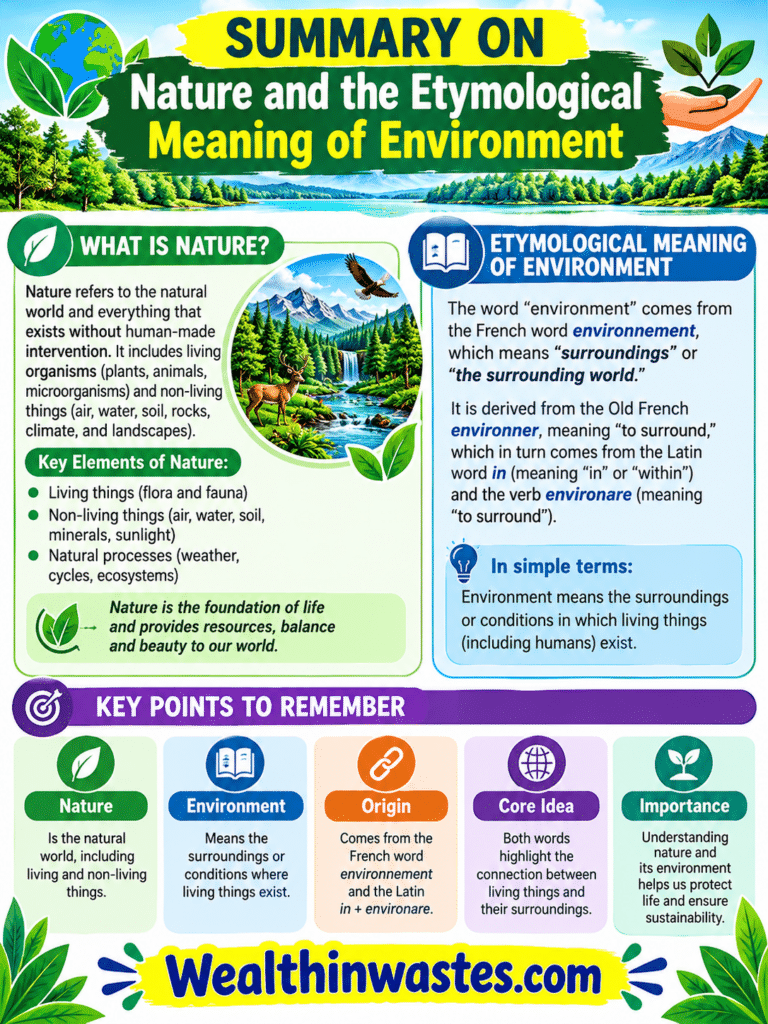
Summary on Nature and the Etymological Meaning of Environment
| Topic | Summary |
|---|---|
| Etymological Meaning | Environment refers to the surroundings that encompass a person, organism, or community. |
| Word Origin | The English word developed from environ, meaning to surround or encircle, with the suffix -ment. |
| Environmental Components | These include air, water, sunlight, soil, living organisms, and human-made surroundings. |
| Biotic Factors | Living components such as plants, animals, fungi, and microorganisms. |
| Abiotic Factors | Non-living factors such as temperature, water, light, soil, and minerals. |
| Importance | The environment supports survival, reproduction, agriculture, health, and ecological balance. |
| Environmental Protection | Resource conservation, pollution prevention, responsible waste management, and habitat protection help maintain environmental quality. |
Frequently Asked Questions About Etymological Meaning of Environment: Nature Explained
1. What Is the Etymological Meaning of Environment?
It means surroundings and derives from environ, a verb associated with surrounding or encircling something.
2. What Is the Simple Definition of Environment?
Environment means all the surrounding conditions and things that influence an organism or community.
3. What Does the Environment Include?
It includes air, water, soil, sunlight, climate, living organisms, human activities, and social surroundings.
4. What Are Biotic Factors?
Biotic factors are living components, such as plants, animals, fungi, and microorganisms, that interact within an ecosystem.
5. What Are Abiotic Factors?
Abiotic factors are non-living environmental conditions, including temperature, rainfall, sunlight, water, soil, and minerals.
6. Why Is the Environment Important for Living Organisms?
It provides essential resources and conditions for growth, nutrition, reproduction, protection, and survival.
7. How Does the Environment Affect Agriculture?
Soil fertility, rainfall, sunlight, temperature, and water availability influence crop growth, livestock health, and farm productivity.
8. How Can People Protect the Environment?
People can conserve resources, prevent pollution, manage waste responsibly, protect habitats, and support environmental education.
Do you have any questions, suggestions, or contributions? If so, please feel free to use the comment box below to share your thoughts. We also encourage you to kindly share this information with others who might benefit from it. Since we can’t reach everyone at once, we truly appreciate your help in spreading the word. Thank you very much for your support and for sharing!
Read Also: Agronomic Soil Conservation Measures for Sustainable Agriculture