



In order to understand environmental health, people must recognize what the environment contains, which natural processes operate within it, and how human activities can alter those processes in daily life.
The environment includes living organisms and non-living components that interact continuously, creating conditions that support human life, agriculture, wildlife, water supplies, food production, and ecological stability across landscapes and communities.
Air, water, soil, minerals, temperature, humidity, plants, animals, and microorganisms all contribute to environmental conditions, while natural cycles continually move materials and energy through connected systems that surround living organisms.
Earth’s life-support systems provide services that people often take for granted, including breathable air, freshwater, fertile soils, food, useful materials, climate regulation, and natural waste processing for present and future generations.
When these natural systems remain functional, ecosystems can absorb ordinary disturbances and continue supporting life. Understanding their roles also explains why environmental protection and responsible resource use matter greatly and help protect community wellbeing.
Natural Processes and Environmental Stability
These relationships show why changes in one environmental component can influence others. Studying pollution, resource use, and ecosystem responses helps communities recognize environmental pressures before they become widespread within local communities.
Natural processes work together rather than operating separately. Changes in temperature, rainfall, vegetation, soil moisture, and water movement can influence organisms and resources throughout entire ecosystems and connected landscapes continuously.
Ecological balance depends on continuous interactions among organisms and their surroundings. Producers capture energy, consumers transfer it, and decomposers return nutrients, allowing ecosystems to maintain productive biological cycles over time.
Sunlight supplies energy for photosynthesis, while gravity drives water movement, runoff, sediment transport, and many geological processes. Together, these forces help shape habitats and sustain environmental functions across many natural environments.
Natural feedback mechanisms can moderate some environmental changes. Vegetation can cool surfaces and influence moisture, while healthy soils can store water and nutrients, reducing stress during changing conditions during periods of environmental stress.
Ecosystem services arise from these connected processes and benefit people directly. Clean water, air purification, soil formation, nutrient cycling, pollination, food production, and habitat support show the importance of environmental health effects.
Read Also: Complete List of Recyclable Wastes (Waste Recyclables)
Natural Processes That Regulate Climate
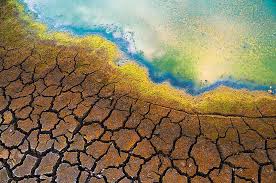
1. Stable Climate: A stable climate supports human societies, agriculture, ecosystems, and natural habitats by regulating temperature and rainfall patterns. Vegetation, oceans, soils, and atmospheric processes all influence climate conditions across different regions.
2. Climate Regulation: Climate sustainability requires healthy ecosystems because forests, wetlands, soils, and oceans interact with atmospheric processes. Protecting these systems can support resilience against climate variability, while effective pollution control institutions strengthen environmental safeguards.
3. Ozone Protection: The atmosphere also protects living organisms from harmful ultraviolet radiation, especially through the ozone layer. Excessive ultraviolet exposure can damage biological tissues, affect crops, and harm aquatic organisms during prolonged exposure.
4. Air Purification: Wind can disperse some pollutants, while rainfall removes certain particles and gases from the atmosphere. Vegetation also captures pollutants and helps improve local air conditions around populated areas and communities.
5. Photosynthesis and Oxygen: Plants use photosynthesis to convert carbon dioxide and water into organic matter while releasing oxygen. This process supports aerobic life and links atmospheric gases with terrestrial ecosystems and food production.
Natural Processes That Sustain Freshwater
1. Freshwater Supply: Freshwater remains essential for drinking, sanitation, agriculture, industry, and ecosystem survival. Understanding wastewater sources and suitable onsite wastewater treatment helps communities manage water safely and protect connected natural systems.
2. Groundwater Storage: Groundwater forms when water infiltrates soil and permeable geological materials, creating underground stores that can supply wells, springs, streams, wetlands, agriculture, and communities during suitable environmental conditions over many seasons.
3. Natural Filtration: Natural filtration through soil, sediments, rocks, wetlands, and biological processes can improve water quality. However, natural purification has limits when pollutant loads exceed ecosystem processing capacity under normal environmental conditions.
4. Water Cycle: Water moves between the atmosphere, land, oceans, and living organisms through the water cycle. This continuous movement redistributes freshwater and helps maintain ecological processes across landscapes and seasons throughout the year.
5. Water Quality: Good water quality principles protect natural freshwater systems by emphasizing prevention, pollution reduction, proper treatment, and careful management wherever human activities could degrade rivers, lakes, groundwater, or wetlands across communities.
Natural Food Webs and Fertile Soils

Natural food webs connect organisms through feeding relationships, beginning largely with plants, algae, and other producers that capture solar energy and create organic compounds through photosynthesis for consumers across terrestrial and aquatic habitats.
Primary producers support herbivores, predators, decomposers, and many microorganisms. When organisms die, decomposers break organic matter down and return nutrients to soils and surrounding ecosystems naturally through natural nutrient cycling.
Species interactions help regulate populations and transfer energy through ecosystems. Predators, herbivores, decomposers, and microorganisms each perform roles that contribute to functioning habitats and ecological balance, as biodiversity distribution demonstrates.
Soil develops through weathering, organic matter accumulation, biological activity, water movement, and mineral transformation. These processes create habitats that support roots, microorganisms, insects, and many underground organisms across the soil profile.
Microorganisms, fungi, plant roots, and soil animals decompose residues, release nutrients, improve aggregation, and influence water movement. Better soil and mineral management therefore supports productivity, nutrient availability, and ecosystem stability over time.
Natural Resources That Support Human Needs
1. Natural Resources: Natural resources include renewable materials such as sunlight, wind, vegetation, and some biological resources, alongside non-renewable resources such as minerals and fossil fuels used worldwide and needed by people.
2. Renewable Energy: Energy from sunlight drives photosynthesis and many atmospheric processes, while wind, flowing water, and other renewable sources provide energy that can be replenished naturally over time. waste recycling systems can conserve materials.
3. Fossil Fuel Limits: Fossil fuels contain stored chemical energy formed over geological periods. Their limited availability means societies must manage extraction carefully and reduce unnecessary dependence through efficiency and alternative energy sources.
4. Biological Resources: Plants and animals provide food, fibres, medicines, chemicals, dyes, construction materials, and other useful products. The value of biodiversity explains why protecting species diversity supports long-term resource availability across human societies.
5. Raw Materials: Natural materials also support manufacturing, construction, clothing, books, tools, and household products. Responsible extraction can reduce pressure on ecosystems and preserve resource supplies for future generations while reducing extraction.
Natural Cycles That Process Waste
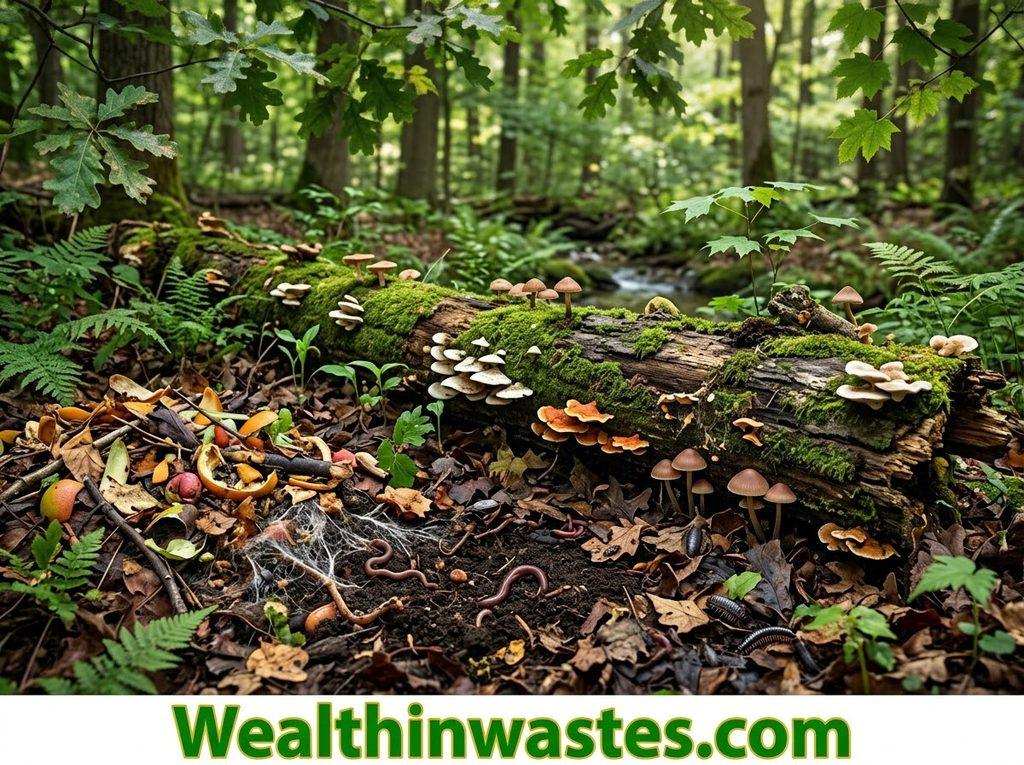
1. Material Cycling: Carbon, nitrogen, phosphorus, and water cycles continually move essential materials through air, water, soil, rocks, plants, animals, and microorganisms, maintaining ecological functions across different environments and habitats and supporting biological productivity.
2. Decomposition: Decomposition forms an important part of these cycles because microorganisms transform dead organisms and organic residues into simpler substances that ecosystems can reuse through nutrient pathways efficiently within the wider ecosystem.
3. Natural Waste Processing: Natural processes can also reduce certain wastes through decomposition, dilution, filtration, sedimentation, biological transformation, and chemical reactions. These processes help ecosystems handle ordinary waste loads when resource conservation keeps pressure manageable.
4. Waste Reduction: Effective waste reduction strengthens natural recovery because less material enters ecosystems. The reduce, reuse, and recycle principles approach can decrease unnecessary disposal, conserve materials, and reduce pressure on land, water, and air.
5. Organic Nutrient Return: Organic residues can return nutrients to soil through organic composting, supporting decomposition and nutrient cycling when suitable materials receive proper moisture, aeration, and biological activity during treatment and improve soil structure.
Soil, Biodiversity, and Ecosystem Stability
However, natural systems cannot absorb unlimited pollution. Excessive waste, toxic chemicals, habitat destruction, and resource depletion can overwhelm ecological processes and disrupt essential cycles across affected environments and reduce ecological resilience.
Improper disposal can contaminate soil, surface water, groundwater, and air, while creating physical hazards for wildlife. Understanding waste disposal effects emphasizes prevention, responsible handling, and major water pollution sources concerns.
Uncontrolled litter can travel with wind and runoff into drainage channels, rivers, wetlands, and coastlines. Stronger litter management reduces this movement and protects habitats from persistent or harmful materials and sensitive aquatic environments.
Healthy soils store water, support vegetation, cycle nutrients, and influence runoff. Better soil management helps maintain productive landscapes while reducing degradation that can weaken broader ecological functions over time across farmland steadily.
Biodiversity strengthens ecosystem resilience by providing many species and biological functions that can respond differently to drought, disease, disturbance, temperature changes, and other environmental pressures over time and changing environmental conditions.
Studies of species distribution show that climate, soil, water, habitat conditions, and human activities interact to determine where species survive, reproduce, and maintain viable populations as environmental conditions change over time.
Read Also: Advantages of Waste Recycling
Human Actions That Protect Natural Stability
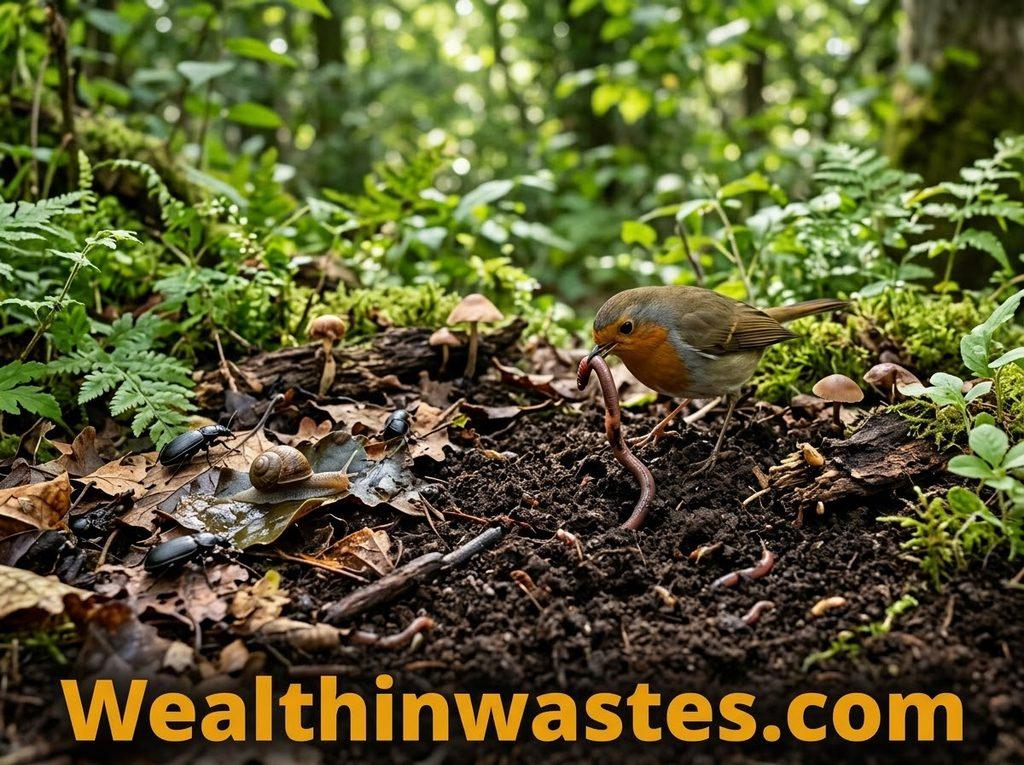
Forests, wetlands, grasslands, rivers, oceans, and soils interact as connected systems. Damage to one component can create effects elsewhere because water, nutrients, energy, organisms, and pollutants move across boundaries throughout connected landscapes.
Protecting biological sustainability requires maintaining habitats, limiting excessive resource extraction, preventing pollution, and supporting ecological relationships that allow populations and communities to recover after ordinary disturbances and maintain ecological balance.
Human activities can either support or weaken natural stability. Conservation, pollution prevention, recycling, responsible farming, efficient resource use, habitat protection, and proper waste management reduce environmental pressure substantially across communities and landscapes.
Treatment of domestic and industrial discharges can protect natural systems when pollution exceeds their capacity. Proper wastewater characteristics, along with suitable treatment, helps managers reduce harmful loads before environmental release.
Community action also matters because recycling and waste prevention can reduce extraction, disposal, and pollution. Practical recycling practices can keep useful materials circulating while lowering pressure on natural resources and support circular resource use.
Environmental protection should also consider health because damaged ecosystems can expose communities to contaminated water, air pollution, unsafe waste, and other hazards. These risks connect ecological stability with human wellbeing effectively.
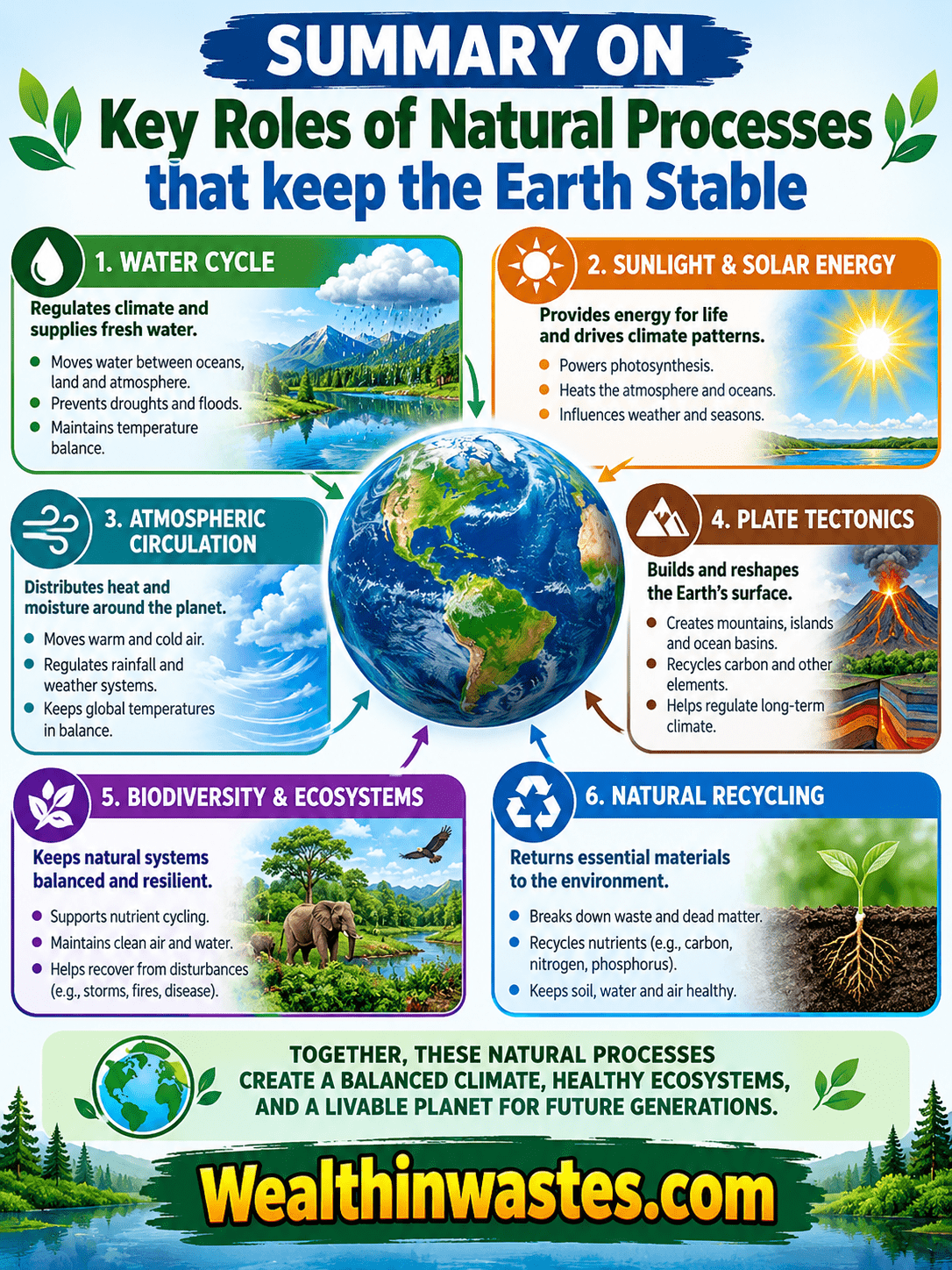
Summary on Key Roles of Natural Processes that keep the Earth Stable
| Topic | Summary |
|---|---|
| Natural Environment | Living and non-living components interact continuously to support life, resources, habitats, and ecological functions. |
| Climate Regulation | Vegetation, oceans, soils, atmosphere, sunlight, and natural feedbacks influence temperature, rainfall, and resilience. |
| Freshwater Cycling | Evaporation, precipitation, infiltration, runoff, storage, groundwater movement, and natural filtration help sustain freshwater. |
| Food Webs | Producers, consumers, predators, decomposers, and microorganisms transfer energy and recycle nutrients through ecosystems. |
| Soil Functions | Soil stores water, cycles nutrients, supports organisms, anchors plants, filters some substances, and slows runoff. |
| Natural Resource Supply | Nature provides renewable energy, biological resources, minerals, fossil fuels, food, medicines, fibres, and raw materials. |
| Waste Processing | Decomposition, filtration, sedimentation, biological transformation, and nutrient cycles process ordinary wastes within ecological limits. |
| Biodiversity And Human Action | Biodiversity strengthens resilience, while conservation, pollution prevention, recycling, and responsible resource use protect natural stability. |
Frequently Asked Questions About Natural Processes that keep the Earth Stable: Key Roles
1. What are natural processes that keep the Earth stable?
Natural processes include climate regulation, water cycling, photosynthesis, decomposition, soil formation, nutrient cycling, geological activity, and ecological interactions that continuously maintain conditions needed by organisms and ecosystems naturally over time.
2. Why is a stable climate important for life?
A stable climate helps regulate temperature, rainfall, growing conditions, habitats, and water availability. Extreme changes can increase ecological stress, disrupt agriculture, alter species ranges, and threaten essential ecosystem services across regions.
3. How does the water cycle support Earth?
The water cycle continuously moves water between oceans, atmosphere, land, groundwater, and living organisms. This movement replenishes freshwater supplies, supports ecosystems, influences weather, and transports nutrients across landscapes throughout the year.
4. Why are food webs important to ecosystem stability?
Food webs transfer energy among producers, consumers, predators, and decomposers. These relationships regulate populations, recycle nutrients, and maintain ecological connections that support functioning terrestrial and aquatic ecosystems effectively over time.
5. How does soil contribute to environmental stability?
Soil stores water, cycles nutrients, supports plants and microorganisms, filters some substances, and slows runoff. Healthy soil therefore contributes to food production, water regulation, habitat support, and ecosystem resilience across agricultural and natural landscapes.
6. What role does biodiversity play in stability?
Biodiversity provides different species, genes, and ecological functions that respond differently to environmental pressures. Greater biological variety can strengthen ecosystem resilience and support food, medicine, materials, and other resources for long-term ecological health.
7. Can nature process all pollution naturally?
No. Natural systems can process some wastes and pollutants, but excessive or toxic loads may exceed their capacity. Pollution prevention, treatment, responsible disposal, and resource conservation remain necessary to protect ecosystems without causing ecological damage.
8. How can people protect natural stability?
People can reduce waste, conserve water and soil, prevent pollution, protect habitats, use resources efficiently, recycle suitable materials, support sustainable agriculture, and participate in environmental management and conservation efforts at household, farm, community, levels.
Do you have any questions, suggestions, or contributions? If so, please feel free to use the comment box below to share your thoughts. We also encourage you to kindly share this information with others who might benefit from it. Since we can’t reach everyone at once, we truly appreciate your help in spreading the word. Thank you very much for your support and for sharing!
Read Also: Soil and Water Conservation in Agriculture