


Environmental biotechnology uses living organisms, microbial communities, plant systems, enzymes, and biological processes to prevent pollution, treat waste, recover resources, and restore damaged environments. It connects biology with environmental management and engineering.
The methods range from long-established fermentation and natural nitrogen fixation to laboratory-based tissue culture, genetic engineering, microbial treatment, and plant-assisted cleanup. Each method suits different materials, environmental conditions, and project objectives.
In practice, environmental specialists assess pollutant types, concentrations, site conditions, treatment periods, costs, and potential risks before choosing a method. Careful monitoring confirms whether treatment actually improves environmental quality.
Traditional methods often rely on whole organisms and naturally occurring reactions, while modern approaches may manipulate cells, genes, or molecules to improve performance. Both groups can complement each other in environmental protection.
This guide explains the major methods, their operations, benefits, limitations, and practical applications, with particular attention to contaminated soil, wastewater, agriculture, and organic waste management in different environmental settings.
What Environmental Biotechnology Involves
Environmental biotechnology works across interacting environmental compartments, including soil, air, water, and living systems. Understanding these connections helps specialists recognise how contaminants move between ecosystems and where treatment will be most effective. Learn more about the relationship between air and water environments.
Urban areas, markets, farms, and industries generate waste streams that can overwhelm natural decomposition. Biological processes support organised treatment and recovery, especially when integrated with broader urban environmental management strategies and suitable pollution prevention measures.
Environmental biotechnology also requires effective waste collection, separation, and monitoring. These practices help identify useful organic materials, distinguish hazardous substances, and direct each waste stream towards an appropriate treatment process alongside wider environmental management practices for reducing waste.
Read Also: Basic Environmental Concepts and Theories
Traditional Methods Used in Environmental Biotechnology
Traditional biotechnology methods generally employ whole microorganisms or naturally occurring biological activities rather than directly editing genetic material. They remain useful where suitable organisms, organic materials, and manageable environmental conditions are available.
1. Fermentation: Microorganisms use enzymes to transform sugars and other organic compounds into simpler products, often under oxygen-limited conditions. This process supports food production and can help convert biodegradable waste into useful outputs through biological waste conversion.
2. Homolactic Fermentation: During this process, certain bacteria convert pyruvate produced during glucose breakdown into lactic acid. The same principle supports yoghurt production and other fermented foods, demonstrating how microbial activity and metabolism produce useful substances.
3. Alcoholic Fermentation: Yeasts convert sugars into ethanol and carbon dioxide after glycolysis releases energy. Industrial applications require suitable feedstocks, controlled conditions, and careful management of residues to improve the overall environmental benefits of resource recovery.
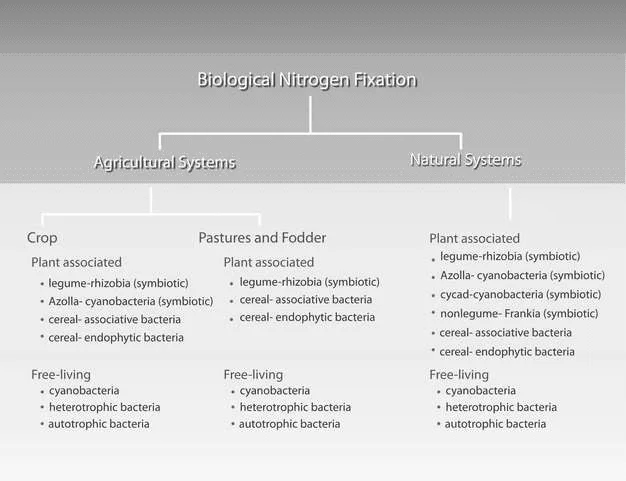
4. Biological Nitrogen Fixation: Bacteria such as Rhizobium and Bradyrhizobium use nitrogenase to convert atmospheric nitrogen into ammonia. This supplies usable nitrogen to legumes and supports soil fertility when crop, microbial, and soil conditions favour the partnership.
Plant Tissue Culture and Phytoremediation Methods
Plant tissue culture grows plant cells, tissues, or small plant parts on sterile nutrient media under controlled conditions. It enables rapid multiplication, conservation, and regeneration of selected plants from limited starting material.
Micropropagation allows growers to produce large numbers of plants from small tissue samples. It supports the propagation of bananas, ornamental plants, and other crops while helping maintain selected characteristics, particularly when suitable growing conditions are provided.
Meristem culture can help produce disease-free planting materials because carefully selected growing tips may contain fewer pathogens than other plant tissues. Healthy planting materials support crop production and reduce the need to distribute infected plants between farms.
Phytoremediation uses plants and their associated microorganisms to absorb, stabilise, transform, or remove certain contaminants from soil and water. Suitable plant selection depends on the pollutant, its concentration, root development, and the surrounding environmental conditions.
Plants used for remediation must tolerate the contaminants and grow well at the affected site. This approach can support the restoration of degraded land resources and affected soils, particularly where contamination levels permit safe plant growth and gradual treatment.
Plant-based treatment cannot remove every contaminant, and some accumulated substances may enter food chains if people or animals consume contaminated vegetation. Therefore, site assessment, suitable plant selection, and safe handling remain essential when addressing contaminated land and soil pollution.
Modern Environmental Biotechnology Methods
Modern biotechnology uses molecular tools to identify, alter, or transfer genetic material and may combine gene analysis with controlled cell growth. Its environmental applications require clear objectives, reliable evidence, and appropriate safety assessments.
Genetic engineering can equip selected microorganisms with traits that may improve pollutant breakdown. However, performance depends on the contaminant, organism, environmental conditions, ecological risks, and regulatory requirements before anyone considers releasing modified organisms.
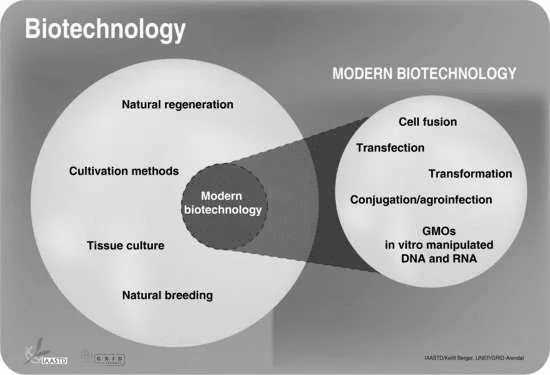
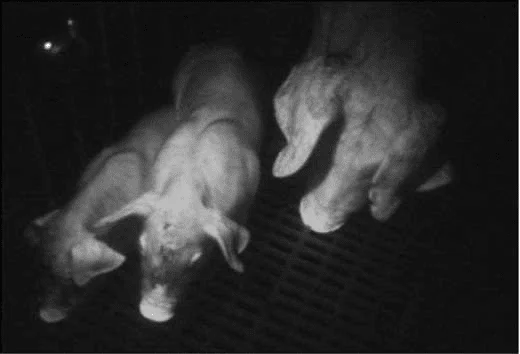
Figure: Glowing Pig
1. Genetic Engineering: Scientists modify an organism’s DNA to introduce, remove, or change particular characteristics. Carefully designed microbial strains may help researchers investigate pollutant degradation, although environmental use requires testing and appropriate risk assessment.
2. Plasmid Method: A plasmid is a small DNA molecule that can replicate independently of a microorganism’s chromosome. Scientists may use suitable plasmids to carry selected genes into microbial cells and investigate their intended functions.
3. Vector Method: A vector carries selected genetic material into target cells. Researchers may use appropriately designed vectors to introduce genes into microorganisms or other cells, although successful transfer does not automatically establish environmental safety or practical effectiveness.
4. Biolistic Method: Also called the gene-gun method, this technique propels DNA-coated microscopic particles into target cells. Researchers commonly use it in plant genetic engineering, including experiments involving plants developed for specialised agricultural or environmental purposes.
5. Molecular Analysis and Monitoring: DNA-based techniques help identify organisms, detect selected genes, and investigate microbial communities. These tools improve environmental assessments, while laboratories must manage contaminated materials according to suitable biological waste handling procedures and hazardous waste management requirements.
Bioremediation Methods for Soil and Water
Bioremediation uses microorganisms, plants, or biological products to reduce, transform, or immobilise environmental contaminants. Specialists choose between in situ treatment at the contaminated location and ex situ treatment after removing affected material.
1. Biosparging: This technique injects air or oxygen below the water table to stimulate aerobic microorganisms that break down suitable contaminants. Operators must monitor groundwater conditions and assess whether the treatment could spread pollutants beyond the intended area.
2. Bioventing: Bioventing supplies controlled air or oxygen to contaminated unsaturated soil. The added oxygen encourages naturally occurring microorganisms to degrade suitable organic pollutants, including petroleum residues, when moisture, nutrients, and other environmental conditions support microbial activity.
3. Bioaugmentation: This method introduces selected microorganisms to support the breakdown of particular contaminants. Specialists generally consider it when existing microbial communities cannot achieve the required treatment rate and laboratory or site studies support using additional organisms.
4. Phytoremediation: Suitable plants and their associated microorganisms help remove, stabilise, or transform certain pollutants. The method can complement water pollution control measures, although performance depends on plant tolerance, contamination levels, root depth, and the time available.
5. Landfarming and Biopiles: These ex situ methods treat excavated contaminated soil under managed conditions. Turning, aeration, moisture control, and nutrient adjustment encourage microbial activity, while appropriate containment and monitoring limit environmental exposure during treatment.
Composting and Biological Wastewater Treatment Methods
Composting and biological wastewater treatment use microorganisms to convert or remove pollutants from organic materials and wastewater. Their effectiveness depends on suitable oxygen levels, moisture, temperature, nutrient availability, and appropriate management of the incoming material.
1. Windrow Composting: Workers arrange biodegradable materials, including crop residues and suitable animal manure, in long piles. Turning the piles improves aeration and moisture distribution, supporting decomposition and producing compost that can improve soil structure when properly prepared.
2. Landfarming: Operators spread suitable contaminated soil in managed treatment areas and periodically till it to introduce oxygen. They may adjust nutrients and moisture to improve degradation, while monitoring contaminant levels and preventing runoff into surrounding land or water.
3. Biopiles: This technique places contaminated soil in engineered piles and encourages microbial activity through aeration, moisture control, and suitable nutrients. Operators can regulate airflow using perforated pipes, making treatment more controlled than ordinary soil turning.
4. Activated Sludge and Biological Filters: Wastewater treatment plants use microbial communities to break down organic matter. Activated sludge suspends microorganisms in aerated tanks, whereas biological filters support microbial growth on media that wastewater passes over during treatment.
Proper wastewater treatment combines biological processes with other necessary treatment stages and monitoring. The choice of system depends on the incoming wastewater, treatment objectives, available facilities, and the requirements described in suitable wastewater classifications and characteristics.
Biological systems may also generate reusable materials, including treated water, stabilised sludge, or compostable residues where quality standards permit. Careful resource recovery and environmental and economic recycling benefits depend on controlling contamination and meeting relevant safety requirements.
Benefits and Limitations of Environmental Biotechnology
Environmental biotechnology can reduce pollution by using biological processes to transform particular contaminants. This can support cleaner production, safer waste treatment, ecosystem restoration, and reduced dependence on methods that require intensive chemical inputs.
Another advantage is resource recovery. Suitable organic waste can become compost or biogas, while selected biological processes recover useful products from discarded materials. These benefits complement broader waste recovery and recycling practices.
Some biological methods require relatively little energy and use locally available materials. However, their suitability depends on the organisms, pollutants, climate, and operating conditions, so environmental biotechnology cannot guarantee the same results at every site.
Temperature changes, unsuitable pH, toxic concentrations, low oxygen, or nutrient shortages can slow microbial activity. Operators must monitor treatment and adjust conditions where possible, particularly when environmental changes interfere with biological processes or contaminant breakdown.
Biological treatment does not automatically eliminate every hazard. Some methods transform contaminants without destroying them, while plants or microbial biomass may accumulate harmful substances, requiring safe handling and disposal to prevent renewed environmental exposure.
Environmental assessment must also consider the effects of different solid, liquid, and gaseous waste streams. Knowing waste characteristics and exposure pathways helps specialists select treatment methods that protect people, ecosystems, and surrounding communities.
Finally, the best environmental outcomes usually combine biological treatment with waste prevention, appropriate engineering, and effective regulation. Understanding the environmental and health impacts of waste helps decision-makers establish suitable monitoring and prevention priorities.
How to Select Environmental Biotechnology Methods
The first step is to identify the pollutant, its concentration, and the material requiring treatment. Specialists should establish whether the problem involves soil, groundwater, surface water, wastewater, or biodegradable waste before selecting appropriate biological methods.
Next, they should evaluate site conditions, treatment objectives, available space, costs, equipment, and expected treatment periods. Information about waste sources and management options can help identify the most appropriate starting point.
Small-scale trials or laboratory studies can help determine whether a proposed process will work under realistic conditions. Monitoring should then measure relevant indicators, confirm treatment progress, and identify any unexpected changes before treatment expands.
Decision-makers should also consider public health, ecological safety, regulatory obligations, and the management of treatment residues. Integrating biotechnology with effective waste management and environmental sanitation supports practical solutions that protect the environment over time.
Read Also : Land Environment and Biological Environment (Biosphere) Structure of the Environment
Summary on Methods Used in Environmental Biotechnology
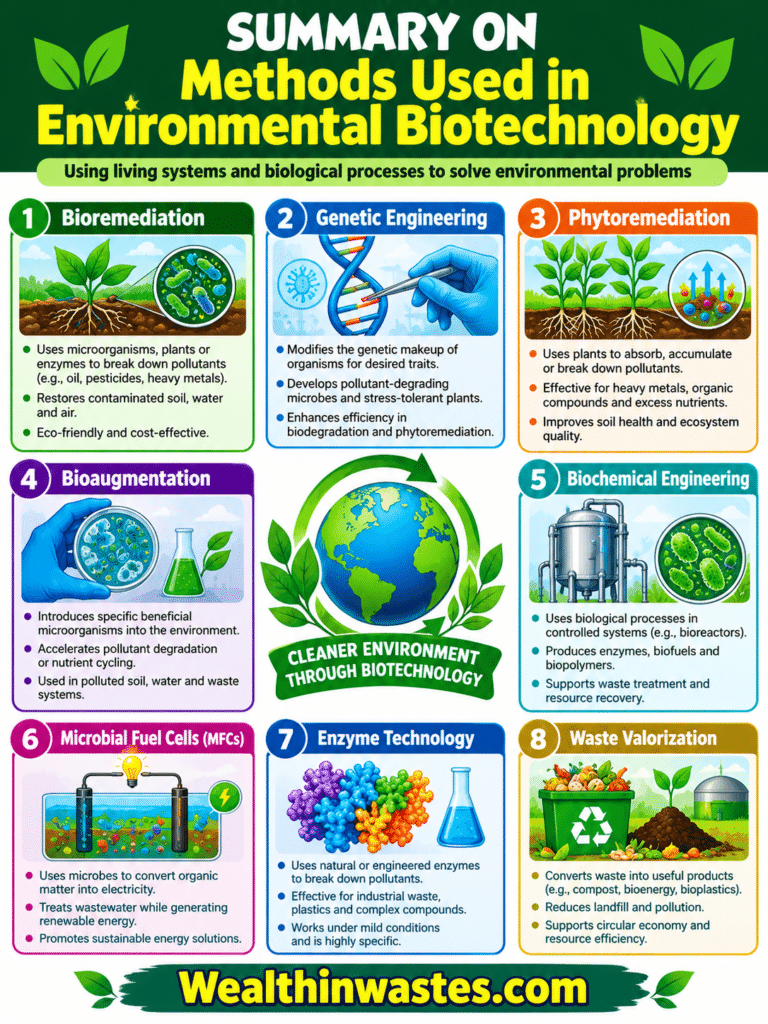
| Method | How It Works | Major Application |
|---|---|---|
| Fermentation | Microorganisms convert organic compounds into simpler products. | Organic processing and useful product production. |
| Biological Nitrogen Fixation | Bacteria convert atmospheric nitrogen into ammonia. | Soil fertility and agricultural production. |
| Plant Tissue Culture | Plant cells or tissues grow on sterile nutrient media. | Micropropagation and healthy planting materials. |
| Genetic Engineering | Scientists deliberately modify genetic material. | Research and development of organisms with selected characteristics. |
| Bioremediation | Biological systems transform, remove, or immobilise suitable contaminants. | Contaminated soil and water treatment. |
| Phytoremediation | Plants and associated microorganisms act on certain pollutants. | Selected soil and water remediation projects. |
| Composting | Microorganisms decompose biodegradable organic materials. | Organic waste management and compost production. |
| Biological Wastewater Treatment | Microorganisms break down suitable pollutants in wastewater. | Wastewater treatment and pollution control. |
Frequently Asked Questions About Methods Used in Environmental Biotechnology Explained
1. What Is Environmental Biotechnology?
Environmental biotechnology applies organisms, enzymes, plants, and biological processes to manage waste, reduce pollution, recover resources, monitor environmental conditions, and restore contaminated sites through suitable treatment techniques.
2. What Are Its Main Methods?
Major methods include fermentation, biological nitrogen fixation, plant tissue culture, genetic engineering, phytoremediation, bioremediation, composting, and biological wastewater treatment, selected according to environmental conditions and treatment objectives.
3. How Does Bioremediation Work?
Bioremediation uses microorganisms or other biological systems to transform, remove, or immobilise suitable contaminants. Successful treatment depends on pollutant characteristics, biological activity, site conditions, and careful monitoring.
4. What Is Biological Nitrogen Fixation?
Biological nitrogen fixation occurs when specialised microorganisms use nitrogenase to convert atmospheric nitrogen into ammonia. This process supports plant nutrition, especially through associations between nitrogen-fixing bacteria and leguminous plants.
5. Can Biotechnology Treat Wastewater?
Yes. Activated sludge, biological filters, and other microbial systems can reduce suitable organic pollutants in wastewater. Facilities must also monitor treatment performance and address contaminants that biological processes cannot adequately remove.
6. What Are the Main Limitations?
Biological methods may act slowly, depend on specific environmental conditions, or perform poorly against particular contaminants. Some processes also generate residues requiring careful management, while modified organisms require appropriate safety assessment.
Do you have any questions, suggestions, or contributions? If so, please feel free to use the comment box below to share your thoughts. We also encourage you to kindly share this information with others who might benefit from it. Since we can’t reach everyone at once, we truly appreciate your help in spreading the word. Thank you very much for your support and for sharing!
Read Also: The Practice of Composting Organic Waste Materials