


Irrigation and farm management practices strongly influence how pesticides move after application. Water can carry dissolved chemicals downward through soil or across its surface, making application decisions important for protecting crops, soil, and nearby water.
Effective pesticide management aims to place enough active ingredient where pests occur without creating unnecessary movement. The goal is reliable pest control while limiting runoff, leaching, volatilization, drift, and exposure outside the intended treatment area.
Research on the movement and fate of pesticides in soil shows that chemical properties, soil characteristics, weather, water movement, and farm operations interact to determine pesticide transport after application across different agricultural fields.
Good management also requires attention to field conditions before treatment. Understanding soil and mineral resource management helps farmers recognize how erosion, organic matter, infiltration, and conservation practices can change water movement.
Careful management reduces both economic waste and environmental exposure because pesticides that leave the target area may fail to control pests while reaching soil, drainage systems, surface water, or groundwater resources.
What Controls Pesticide Mobility?
1. Chemical Properties: soil contamination pathways, water solubility, adsorption strength, volatility, and persistence determine how easily a pesticide remains attached to soil, dissolves in water, evaporates, or stays available for transport after application.
2. Soil Properties: soil characteristics such as texture, organic matter, structure, moisture, pH, and permeability influence adsorption, infiltration, degradation, and pore-water movement, determining whether pesticide residues remain near the surface or travel downward through the soil profile.
3. Site Conditions: land suitability factors, groundwater depth, slope, drainage, rainfall, temperature, irrigation, and sensitive water bodies can greatly alter pesticide transport, especially when treatment occurs shortly before heavy rainfall or excessive irrigation.
4. Water Movement: Infiltrating water can carry dissolved pesticide downward, while surface water can transport residues laterally. The direction and speed of water movement determine which environmental compartment receives escaping pesticide.
5. Sorption and Desorption: Strong soil binding can reduce immediate movement, while later release can return residues to soil water. Management therefore needs to consider both retention and potential pesticide release.
6. Degradation: Microbial, chemical, and sunlight-driven breakdown can reduce pesticide persistence. Conditions that slow degradation may leave residues available for transport longer, increasing the importance of careful rate, timing, and placement.
7. Sensitive Areas: Wells, streams, ponds, drainage channels, and shallow aquifers require added protection. Management should create suitable buffers and avoid applications that could directly connect treated areas with vulnerable water pathways.
Read Also: Site Conditions Affecting the Mobility of Pesticides in Soil
Application Rate and Timing
1. Use the Correct Rate: agricultural input management should guide application decisions, because excessive product leaves more residue available for runoff, leaching, persistence, and movement beyond the treatment area.
2. Choose the Right Timing: Treat when monitoring shows that pests require control, while avoiding periods immediately before substantial rainfall, excessive irrigation, saturated soil, or other conditions that promote rapid transport.
3. Follow Label Directions: water pollution prevention depends partly on proper pesticide use. Product labels specify permitted rates, crops, methods, timing, and precautions, supporting effective control while reducing unnecessary environmental losses during application.
4. Scout Before Treatment: Monitor pest abundance and crop condition before spraying. Scouting supports targeted decisions, reduces unnecessary applications, and limits the amount of pesticide entering soil when pest pressure does not justify treatment.
5. Respect Precipitation Forecasts: Check expected rainfall before application and allow sufficient time for the product to perform as directed. Avoiding treatment before heavy rain can reduce rapid pesticide redistribution from fields.
6. Consider Soil Moisture: Do not treat fields when excessive moisture creates runoff or unusually rapid drainage. Soil condition should support the intended placement rather than create pathways for immediate pesticide transport.
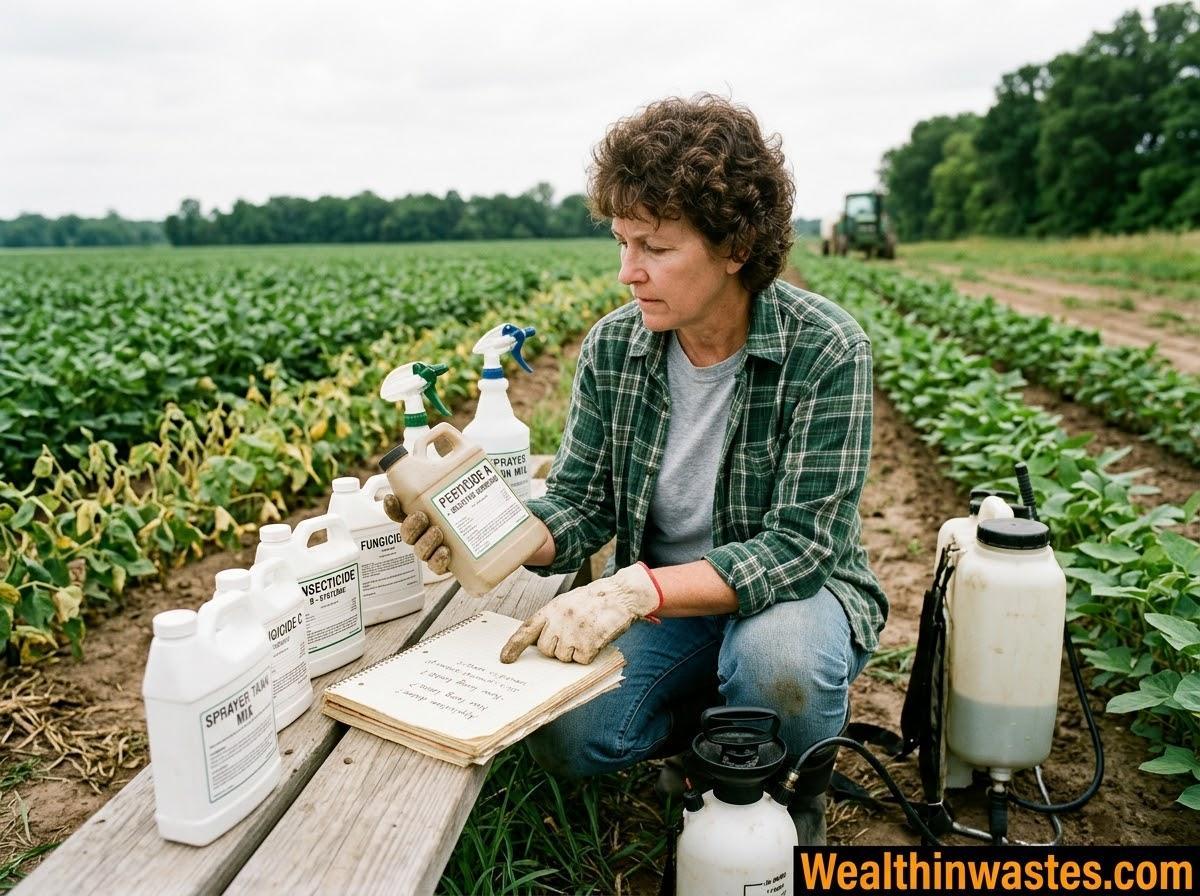
7. Maintain Application Records: Document product, rate, timing, location, and weather conditions. These records help identify management patterns that increase pesticide mobility and support better decisions during subsequent pest control operations.
Application Method and Placement
The application method determines where pesticide droplets, granules, or treated seed contact the crop and soil. Accurate placement reduces unnecessary exposure of bare ground and limits the quantity available for movement.
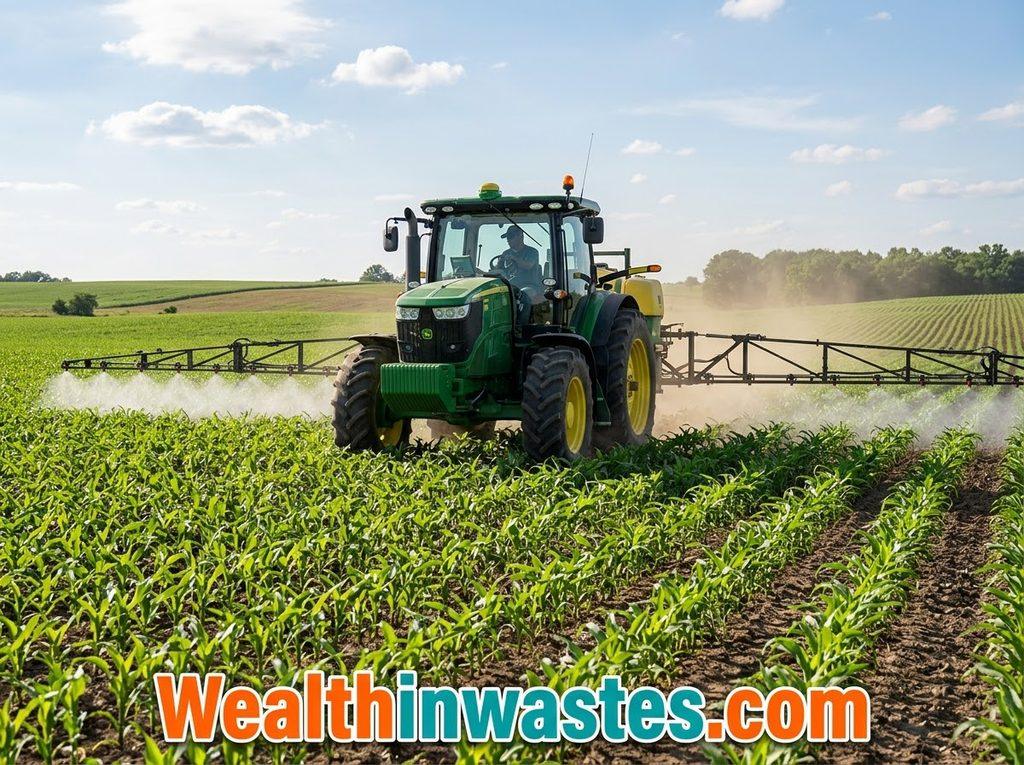
Choose equipment that provides uniform coverage at the recommended pressure, speed, nozzle setting, and delivery rate. Correct calibration prevents overapplication, uneven treatment, and concentrated deposits that can increase environmental losses.
Ground spraying, band application, spot treatment, seed treatment, or directed placement may suit different situations. Agricultural pollution sources show why careful chemical placement matters beyond the treated field and farm boundary.
Use application techniques that place the pesticide as close as practical to the target pest or crop tissue. Better targeting can reduce overspray, surface deposits, and the quantity exposed to rainfall after treatment.
Calibrate sprayers and other delivery equipment regularly because worn nozzles, incorrect pressure, and unsuitable travel speed can alter application rates. Accurate equipment performance helps prevent concentrated patches and unintended pesticide losses.
Where labels permit incorporation or other placement methods, follow the recommended procedure carefully. Appropriate placement can reduce exposed residues and help keep the product within the soil zone where control is required.
Application method should match crop canopy, pest location, product formulation, and field conditions. A method that works well in one field may cause greater losses in another because interception and water movement differ.
Irrigation and Water Management
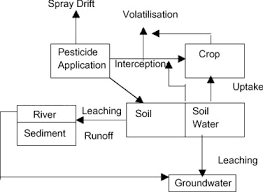
Irrigation can increase pesticide transport when water reaches the field faster than the soil can absorb it. Excess water may create surface runoff, carry dissolved pesticide, or push soluble residues downward.
Avoid unnecessary irrigation soon after pesticide application, particularly when the product remains near the soil surface. Where irrigation is essential, apply water according to crop demand and soil infiltration capacity rather than using excessive volumes.
Efficient irrigation supports better environmental control because it reduces surplus water available for transport. Water quality management principles emphasize prevention and careful agricultural practices that reduce pollution at the source.
Drip or other targeted irrigation methods can sometimes reduce unnecessary wetting of treated soil compared with practices that distribute large volumes across exposed surfaces. The appropriate system depends on crop, soil, and product instructions.
Schedule irrigation according to crop water requirements and soil conditions instead of applying fixed volumes regardless of field status. Efficient scheduling reduces excess water that could transport pesticide away from the treatment zone.
Farmers should inspect irrigation lines, emitters, channels, and drainage points regularly. Leaks or poorly directed water can create concentrated flow paths that redistribute pesticide and increase contamination risks around field boundaries.
Where runoff threatens water bodies, use suitable buffers and drainage controls alongside careful irrigation. Agricultural runoff controls can help reduce the transfer of pesticides and sediment into receiving waters consistently.
Soil Cover, Tillage and Runoff Control
Maintaining vegetation, crop residues, mulches, or suitable ground cover can slow surface water and reduce soil detachment. These practices help retain pesticide-bearing sediment on the field while improving infiltration and reducing rapid runoff.
Reduced tillage can preserve soil structure, residue cover, and stable pores that influence water movement. Soil conservation practices can therefore complement pesticide management by reducing sediment transport from treated fields.
Contour planting, grassed waterways, buffer areas, and strip cropping can further slow runoff before it reaches streams, drains, wells, or ponds. Soil conservation resources describe several practices that reduce erosion and water runoff.
Residue and vegetation cover intercept rainfall, reduce raindrop impact, and slow surface flow. These effects can lower erosion and reduce the amount of pesticide attached to moving sediment leaving the treated field.
Conservation practices should match soil type, slope, crop system, and local rainfall. Land and soil management emphasizes combining these factors when protecting land resources and controlling runoff effectively across agricultural fields.
Where erosion remains a concern, maintain vegetation strips or other suitable barriers along field edges and drainage routes. Such measures can slow water, capture sediment, and provide additional protection for nearby water resources.
Poorly managed fields can lose both soil and pesticide residues during storms. Soil erosion information explains how detachment and transport processes can move contaminated sediment beyond the original application area.
Pesticide Selection and Persistence
1. Select Products Carefully: Choose products according to the pest, crop, soil, climate, and environmental risk rather than availability alone. Lower leaching potential can reduce movement where vulnerable water resources exist.
2. Assess Persistence: Longer residual activity can improve pest suppression, but persistent compounds remain available for transport longer. Pesticide degradation factors help explain how moisture, temperature, pH, sunlight, and microbes affect breakdown.
3. Match Products to Soil: Products behave differently across textures and organic matter levels. Soil properties affecting pesticide mobility explain why soil conditions should influence product choice, rate, and placement.
4. Consider Leaching Potential: Products that remain mobile in water require greater caution on permeable soils or near groundwater. Selecting suitable alternatives can lower environmental exposure while preserving effective pest control.
5. Consider Volatility: Some pesticides can move as vapour after application. Where volatility presents a concern, choose suitable formulations and application conditions that reduce exposure of the chemical to hot, dry, or windy environments.
6. Consider Crop Uptake: Pesticides absorbed quickly by target plants may have less opportunity for surface movement. Correct placement and timing can improve crop interception while reducing the amount remaining exposed on soil surfaces.
7. Review Product Restrictions: Environmental precautions, use limitations, and application instructions differ among products. Farmers should review current labels and follow legally approved directions rather than relying on assumptions from other chemicals.
Weather and Field Conditions
1. Monitor Rainfall: Heavy or sustained rain shortly after application can increase runoff and leaching. Check forecasts before treatment and delay application when expected precipitation could move pesticide away from the intended area.
2. Watch Wind Speed: Strong winds can carry spray droplets beyond the field. Apply only under suitable conditions so the pesticide reaches the intended target and nearby crops, habitats, water bodies, and people remain protected.
3. Avoid Extreme Heat: High temperatures can increase evaporation and volatilization for susceptible products. Groundwater and environmental protection should remain part of planning where weather increases movement risks in vulnerable fields.
4. Check Soil Saturation: Wet or saturated soil has limited capacity to absorb additional water. Treatment under such conditions can increase runoff or preferential movement, especially where drainage is poor or groundwater lies close.
5. Assess Slope and Drainage: Steep slopes and efficient drainage pathways can move pesticide-bearing water quickly. Field inspection should identify vulnerable routes before treatment so protective measures can be established where needed.
6. Protect Sensitive Sites: Keep applications away from wells, streams, ponds, drains, and other sensitive locations when labels or conditions require separation. Suitable buffers reduce the chance of direct or indirect contamination.
7. Respond to Changing Conditions: Weather can change rapidly after application. Farmers should monitor conditions and maintain appropriate records so future treatments reflect observed rainfall, runoff, wind, temperature, and soil responses.
Read Also: Proper Ways Of Controlling Water Pollution
Storage, Mixing and Spill Prevention
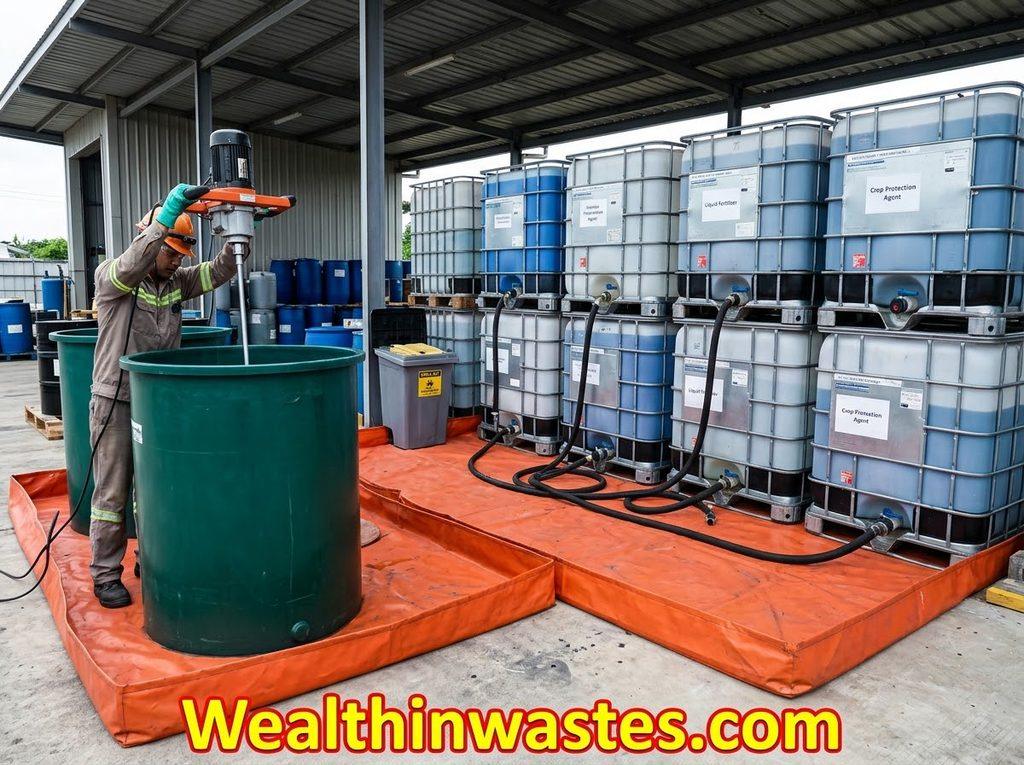
Pesticide management does not end after field application because leaks, spills, equipment washing, and improper container handling can introduce concentrated chemicals directly into soil. These areas can become contamination sources.
Mix and load pesticides in controlled areas away from wells, drains, surface water, and vulnerable soils. Store products securely, inspect containers regularly, and manage residues carefully to prevent concentrated releases during rainfall events.
Responsible chemical handling complements field practices because preventing releases at the source is more effective than cleanup after contamination spreads through surrounding soil and water pathways.
Choose mixing and loading locations with containment, stable surfaces, and safe distance from water sources. Good site selection reduces the chance that spills will enter soil pores or drainage pathways during routine pesticide preparation.
Keep containers sealed and protected from damage, heat, flooding, and unauthorized access. Proper storage reduces leaks and deterioration that could release concentrated active ingredients into surrounding soil and water resources.
Clean equipment responsibly and prevent wash water from entering drains, wells, streams, or unprotected ground. Chemical waste management guidance supports safer handling of pesticide-related residues and wastes.
Dispose of empty containers and unwanted products according to approved instructions and local requirements. Never burn, bury, dump, or pour pesticide residues into water because these actions create environmental contamination risks.
Integrated Monitoring and Best Management
An effective programme combines pest scouting, accurate application, irrigation control, weather monitoring, soil conservation, product selection, and record keeping. This integrated approach helps farmers identify conditions that favour pesticide movement before losses occur.
Farmers should record product names, rates, dates, treated areas, weather conditions, irrigation events, and observed pest levels. Reviewing these records helps identify repeated problems, improve future decisions, and demonstrate whether management reduces movement.
Training improves practical performance because users need to understand labels, calibration, weather risks, protective measures, and spill response. Well-informed operators can make better decisions before, during, and after pesticide application.
Review management results after each treatment cycle and adjust future decisions where unnecessary movement occurs regularly. Records, field observations, and water monitoring can reveal which practices provide the best balance between control and protection.
Farm decisions should consider the wider water environment because pesticide losses contribute to pollution. Watershed pollution management connects farm controls with wider drainage and receiving water bodies.
Preventing off-site movement protects pesticide effectiveness, soil quality, surface water, groundwater, wildlife, and farm profitability. Land pollution prevention approaches reinforce the value of controlling contaminants before widespread environmental exposure develops.
Continuous monitoring provides an opportunity to improve decisions over time because conditions vary among fields, seasons, crops, and pesticide products. Farmers can refine practices as field observations reveal changing environmental risks.
Good pesticide stewardship ultimately connects pest control with environmental protection. The objective is not simply to apply chemicals correctly, but to ensure that every application remains effective, necessary, targeted, and environmentally responsible.
Summary on Management Practices Affecting the Mobility of Pesticides in Soil
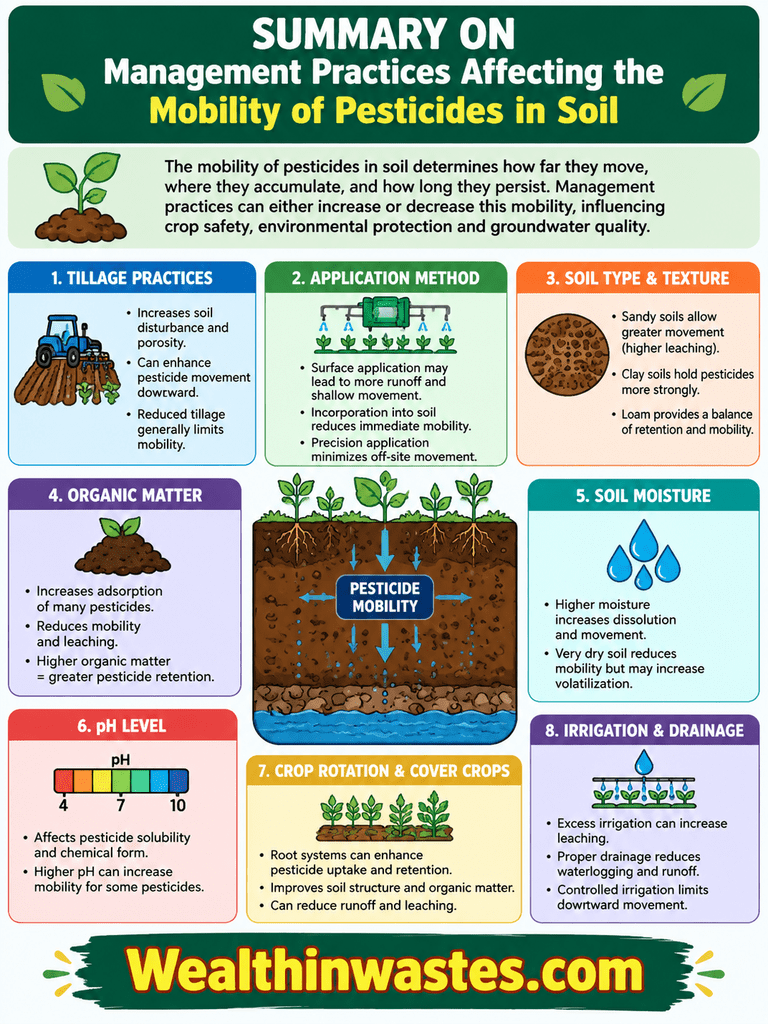
| Management Area | Key Practice | Effect on Pesticide Mobility |
|---|---|---|
| Application Rate | Use only the required amount | Reduces excess residues available for movement |
| Application Timing | Avoid treatment before heavy rainfall or excessive irrigation | Limits runoff and leaching |
| Application Method | Calibrate equipment and target the pest | Reduces overspray and exposed residues |
| Irrigation | Apply water according to crop and soil needs | Limits excess water-driven transport |
| Soil Cover | Maintain residues, vegetation, buffers, and conservation practices | Slows runoff and sediment movement |
| Product Selection | Choose suitable products with lower environmental risk | Reduces leaching and persistence risks |
| Weather Management | Monitor rainfall, wind, temperature, and soil conditions | Prevents applications under high-risk conditions |
| Spill Prevention | Manage storage, mixing, washing, and disposal carefully | Prevents concentrated contamination |
| Monitoring | Keep records and review field performance | Improves future management decisions |
Frequently Asked Questions About Management Practices for Mobility of Pesticides in Soil
1. What practices increase pesticide mobility in soil?
Excessive application, heavy irrigation, treatment before rainfall, unsuitable placement, poor soil cover, spills, and use of highly mobile products can increase pesticide movement.
2. How does irrigation affect pesticide mobility?
Excess irrigation can create runoff or move dissolved pesticides downward, particularly when soils have high permeability, poor retention, or limited capacity to absorb additional water.
3. Why does pesticide application timing matter?
Timing affects exposure to rainfall, irrigation, temperature, and soil moisture. Proper timing allows effective pest control while reducing opportunities for rapid pesticide transport.
4. Can soil cover reduce pesticide movement?
Yes. Vegetation, crop residues, mulch, and buffer areas can slow runoff, reduce erosion, improve infiltration, and retain pesticide-bearing sediment within treated fields.
5. How should farmers select pesticides?
Farmers should consider the target pest, crop, soil characteristics, product properties, persistence, leaching potential, label requirements, weather, and proximity to sensitive water resources.
6. What is the best way to prevent pesticide runoff?
Use correct rates, avoid treatment before heavy rain, control irrigation, maintain soil cover, reduce erosion, calibrate equipment, and protect drainage routes and water bodies.
7. Why are pesticide spills dangerous?
Spills can place concentrated chemicals directly into soil, allowing residues to move through water pathways and potentially contaminate groundwater, surface water, crops, and surrounding environments.
8. Why should pesticide application records be maintained?
Records help farmers identify problematic patterns, compare field conditions, improve future applications, document compliance, and determine which management practices best reduce pesticide mobility.
Do you have any questions, suggestions, or contributions? If so, please feel free to use the comment box below to share your thoughts. We also encourage you to kindly share this information with others who might benefit from it. Since we can’t reach everyone at once, we truly appreciate your help in spreading the word. Thank you very much for your support and for sharing!
Read Also: Safe Handling of Pesticides in Agriculture