


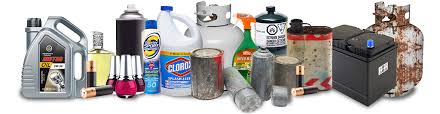
Hazardous wastes require careful identification because their physical and chemical properties can create serious risks during handling, storage, transportation, treatment, or disposal, especially when incompatible materials are mixed together accidentally.
Some wastes become hazardous because they appear on established regulatory lists, while others qualify because they display dangerous properties such as ignitability, corrosivity, reactivity, or toxicity under prescribed regulatory conditions.
A waste stream can satisfy one classification or several at the same time, so generators should examine both its origin and measurable properties before deciding how it must be managed safely and appropriately.
Understanding the characteristics of hazardous wastes helps facilities separate dangerous materials from ordinary waste, choose suitable controls, maintain accurate records, and reduce opportunities for accidental releases during routine industrial and laboratory operations.
This guide explains listed wastes, characteristic wastes, their major codes, practical examples, identification considerations, and management principles that help reduce risks to workers, communities, wildlife, water, soil, and air systems.
Listed Hazardous Wastes And EPA Codes
Listed hazardous wastes receive regulatory identification because their waste codes and descriptions appear on established established hazardous waste lists. Their status depends primarily on the waste identity, source, composition, or specified product form.
These categories help generators recognize wastes that require controlled handling even when the waste does not appear obviously dangerous. The principal lists are commonly identified as F, K, P, and U lists.
1. F-List Wastes: These wastes generally arise from common manufacturing and industrial processes, including spent solvents, electroplating activities, and certain process residues. They may occur across several industries rather than one specific source.
2. K-List Wastes: These wastes originate from specifically identified industrial sources such as pesticide production, wood preservation, petroleum refining, and selected chemical manufacturing operations. Their classification depends on both source and waste description.
3. P-List Wastes: These wastes identify certain discarded commercial chemical products that present acute hazards. They include specified unused chemicals, container residues, and spill residues that require particularly careful handling.
4. U-List Wastes: These wastes cover other specified discarded commercial chemical products, including certain unused chemicals and residues. Their environmental concern can involve toxicity, persistence, migration, or other regulated properties.
Listed wastes can create serious hazards even when present in relatively small amounts because their regulatory status identifies specific concerns associated with their chemical identity, source, or commercial product classification.
Read Also: What is a Solid Waste and Hazardous Waste
Why Hazardous Waste Classification Matters
Understanding listed status prevents facilities from relying only on visible properties when deciding whether waste requires hazardous waste controls. A material can qualify through regulatory listing even when testing does not reveal an obvious characteristic.
Classification also supports consistent communication between generators, transporters, treatment facilities, and disposal operators. Waste codes provide a common language for identifying waste streams and documenting their movement through the management system.
A sound classification process begins with the waste stream itself, including how it originates, which materials enter the process, and whether the final waste matches a listed description or characteristic threshold. Good waste determination practices help establish this foundation.
Facilities should also preserve reliable technical information supporting every determination. Records may include knowledge-based determination documents, laboratory results, process descriptions, safety information, and other evidence used to evaluate the waste.
Clear records improve communication because staff can understand the reasoning behind each decision. They also make waste codes and terminology easier to apply consistently across storage, transportation, treatment, and disposal activities.
Ignitability In Hazardous Wastes
1. Flash Point: A liquid waste can be ignitable when its flash point falls below the applicable regulatory threshold of 140°F, or 60°C. This property indicates that vapours can ignite under suitable conditions.
2. Ignitable Solids: Certain non-liquid wastes can qualify when friction, moisture absorption, or spontaneous chemical changes allow them to ignite and burn vigorously or persistently enough to create a hazard.
3. Flammable Gases: Ignitable waste may include compressed gases that readily support combustion. Examples commonly associated with this hazard include propane, acetylene, butane, hydrogen, and methane when handled under relevant conditions.
4. Oxidizers: Some oxidizing substances can intensify combustion even without acting as conventional fuels. Examples include chlorates, permanganates, inorganic peroxides, and certain concentrated oxidizing acids used in industrial applications today.
Examples connected with this hazard can include used solvents, waste oils, flammable gases, and materials capable of sustaining combustion. Facilities should therefore keep ignition sources away and use suitable storage controls.
Industrial operations that generate chemical waste handling challenges should evaluate both the material entering the process and the properties of the resulting waste before selecting storage or treatment methods.
Understanding broader hazard classifications can also help workers recognize physical dangers that may not be obvious from appearance alone, particularly when wastes contain combustible or oxidizing substances.
Industrial activities may produce many different industrial process residues, including solvents, oils, chemicals, sludges, and contaminated materials that require careful screening for ignitable properties.
Source: Publication WA1152-Waste Determinations and Recordkeeping, Wisconsin Department of Natural Resources, revised February 2017, formerly titled “Is Your Waste Hazardous?”, provided as supporting reference for waste identification and recordkeeping guidance.
| Waste Type | Examples |
|---|---|
| Liquid wastes with flash point below 140°F | Gasoline, xylene, toluene, acetone, benzene, methanol, isopropyl alcohol |
| Non-liquids | Sulfur, oily rags containing drying oils, wetted titanium powder, aluminum powder, magnesium powder, alkali metals |
| Flammable gases | Propane, acetylene, butane, hydrogen, methane |
| Oxidizers | Chlorates, permanganates, inorganic peroxides, organic peroxides, nitric acid in specified concentrations |
Corrosivity In Hazardous Wastes
Corrosive hazardous wastes can attack metals, damage containers, burn living tissue, and increase the movement of contaminants through environmental systems. Their danger depends on acidity, alkalinity, concentration, and material interactions.
Aqueous waste can be corrosive when its pH is 2 or lower, or 12.5 or higher, under the applicable testing conditions. Examples include strongly acidic cleaning residues and strongly alkaline solutions.
Some liquid wastes can also qualify because they corrode steel at a specified rate. Therefore, determining corrosivity may require pH measurement, corrosion testing, or reliable process knowledge supported by appropriate technical information.
Because corrosive materials can react with incompatible substances, facilities should segregate them carefully, use suitable containers, and prevent direct contact during handling, storage, transportation, treatment, and final disposal operations safely.
Corrosive waste can also affect environmental quality when it damages containers or changes the chemical conditions of surrounding soil and water. Effective environmental pathways control helps limit contaminant movement.
Facilities should establish controlled handling procedures that match the waste characteristics, container materials, worker protection needs, transportation requirements, and potential consequences of leaks or accidental contact.
Reactivity In Hazardous Wastes
1. Unstable Materials: Reactive wastes can undergo sudden or violent chemical changes without necessarily detonating. Their instability can create pressure, heat, fire, toxic releases, or other dangerous conditions during normal waste handling.
2. Water Reactions: Some reactive wastes react violently when they contact water. Moisture intrusion, unsuitable storage, or accidental mixing can therefore transform a manageable waste stream into an immediate chemical hazard.
3. Toxic Gas Generation: Reactive wastes may release dangerous gases, vapours, or fumes when mixed with water, acids, bases, or other incompatible materials. Cyanide- and sulfide-bearing wastes require particular attention.
4. Explosive Reactions: Certain wastes can form explosive mixtures or decompose explosively under specific conditions involving heat, pressure, shock, or incompatible substances. Proper segregation reduces opportunities for these reactions to occur.
Reactive wastes can become especially dangerous when operators combine materials without checking compatibility. Following proper disposal practices helps reduce accidental reactions during collection, storage, transportation, and final management.
Potential releases of toxic gases, vapours, or fumes can create immediate exposure concerns. Information on health and environmental effects helps explain why containment and emergency preparedness remain important.
Reactive waste management should always consider the surrounding environment and the materials present nearby. Strong hazardous waste management in the environment reduces opportunities for uncontrolled chemical reactions.
Toxicity In Hazardous Wastes
1. Toxic Constituents: Toxicity focuses on hazardous constituents that can leach from waste and enter environmental pathways. Regulatory testing determines whether specified contaminants exceed applicable concentration limits in the extract.
2. Metals: Lead, mercury, cadmium, chromium, arsenic, barium, selenium, and silver are among the regulated constituents associated with the toxicity characteristic. Their presence alone does not establish the characteristic without applicable testing.
3. Organic Chemicals: Toxicity testing can also address certain pesticides, solvents, and other organic compounds. Benzene, carbon tetrachloride, chlordane, and endrin are examples associated with regulatory toxicity determinations and leaching concerns.
4. Exposure Pathways: Toxic waste can threaten health when contaminants migrate into groundwater, surface water, soil, air, food chains, or workplaces. Preventing release therefore remains central to responsible waste management.
Groundwater deserves particular attention because contaminants that leave poorly controlled waste areas can migrate through soil and underground formations. Understanding groundwater pathways supports better contamination prevention and monitoring.
Toxic constituents can also enter waterways through runoff, spills, or poorly managed industrial discharges. Information about industrial waste impacts illustrates why environmental controls matter.
Households can also generate materials requiring special attention, including chemicals, batteries, paints, cleaners, and pesticides. Guidance on household hazardous materials helps distinguish these wastes from ordinary domestic refuse.
Identifying Hazardous Wastes Correctly
1. Identify the Waste Stream: Describe where the waste originates, how the process creates it, and what materials or chemicals contribute to its composition. Clear stream identification establishes the foundation for every later determination.
2. Check Listed Status: Compare the waste with applicable F, K, P, and U descriptions. Review the source, chemical identity, product status, and regulatory wording rather than relying on familiar names alone.
3. Evaluate Characteristics: Determine whether the waste exhibits ignitability, corrosivity, reactivity, or toxicity. Use representative laboratory testing, reliable process knowledge, or a combination of both when appropriate for each waste stream.
4. Document the Determination: Keep the reasoning, supporting records, analytical results, and applicable waste codes together. Complete documentation helps demonstrate how the generator reached the final hazardous waste determination during compliance reviews.
Representative sampling must reflect the actual waste stream rather than an unusual portion selected without justification. Proper sample handling procedures help preserve sample integrity during collection and laboratory evaluation.
Generators should also monitor changes in processes, raw materials, operating conditions, and waste composition. Reviewing waste generation patterns can reveal changes that require a fresh determination.
Accurate determination depends on evidence rather than assumptions. When laboratory testing and process knowledge provide consistent information, generators can make more defensible decisions about classification, storage, treatment, transport, and disposal.
Read Also: Guide to Waste Determination Process
Managing Characteristic Hazardous Wastes Safely
Safe management begins with segregation because mixing incompatible wastes can create new hazards or make an existing hazard more difficult to control. Separate waste streams according to their properties and known incompatibilities.
Containers and storage areas should suit the waste characteristics and prevent leaks, releases, damage, or unauthorized access. Workers should understand the hazards of each stream and follow appropriate procedures for labeling and handling.
Treatment should target the waste characteristic or hazardous constituent that creates the regulatory concern. Depending on the waste, appropriate approaches may include physical, chemical, thermal, or biological treatment under controlled conditions.
Final disposal should follow applicable legal requirements and the waste’s treatment status. Characteristic wastes may require additional treatment before disposal, while listed wastes can remain regulated according to applicable rules and waste codes.
Facilities planning treatment options can review hazardous substance treatment principles before selecting a process. The selected method should match the waste composition, physical condition, hazard, and applicable requirements.
Source reduction also deserves attention because preventing unnecessary hazardous waste lowers the volume requiring control. The broader treatment and disposal hierarchy places prevention and recovery before final disposal where practical.
Where hazardous waste remains after treatment, facilities should ensure final management occurs through appropriate systems. Strong procedures protect workers, communities, soil, surface water, groundwater, air quality, and surrounding ecological resources.
Summary on Listed or Characteristics of Hazardous Wastes
| Section | Main Idea | Why It Matters |
|---|---|---|
| Listed Wastes | F, K, P, and U lists identify specified hazardous wastes. | Supports correct identification and tracking. |
| Classification | Listed status can exist separately from waste characteristics. | Prevents incomplete waste evaluations. |
| Ignitability | Concerns wastes capable of burning or supporting combustion. | Helps prevent fires and related incidents. |
| Corrosivity | Concerns strongly acidic, alkaline, or steel-corroding wastes. | Reduces container damage and chemical exposure. |
| Reactivity | Concerns unstable wastes and dangerous chemical reactions. | Controls explosion and toxic-gas risks. |
| Toxicity | Concerns regulated constituents that may leach from waste. | Protects people and environmental resources. |
| Identification | Uses listed status, testing, process knowledge, and records. | Creates defensible waste determinations. |
| Management | Requires segregation, suitable storage, treatment, and disposal. | Reduces exposure and environmental contamination. |
Frequently Asked Questions About Characteristics of Hazardous Wastes: Listed or Characteristic
1. What are the main characteristics of hazardous wastes?
The main characteristics are ignitability, corrosivity, reactivity, and toxicity. A waste can exhibit one characteristic or several characteristics at the same time.
2. What are listed hazardous wastes?
Listed hazardous wastes are specifically identified through regulatory descriptions and codes based on their source, composition, chemical identity, or discarded commercial product status.
3. What does D001 mean?
D001 identifies the ignitability characteristic. It applies to wastes meeting the relevant requirements for flammability, flash point, ignitable solids, gases, or oxidizing properties.
4. What does D002 mean?
D002 identifies corrosive waste. This generally includes qualifying strongly acidic or alkaline aqueous waste and certain liquids that corrode steel at the specified rate.
5. What does D003 mean?
D003 identifies reactive waste. These wastes may react violently, form explosive mixtures, become unstable, or generate dangerous gases, vapours, or fumes under specified conditions.
6. What does D004 to D043 represent?
D004 through D043 identify toxicity characteristic codes associated with specified hazardous constituents that may leach from waste at or above applicable regulatory concentrations.
7. Can one waste have more than one hazardous characteristic?
Yes. A waste can be listed and characteristic, or it can exhibit more than one characteristic depending on its composition, source, and measurable properties.
8. Why is proper waste determination important?
Proper determination helps generators identify applicable requirements, assign suitable codes, select safe management methods, maintain records, and reduce the likelihood of harmful environmental releases.
Do you have any questions, suggestions, or contributions? If so, please feel free to use the comment box below to share your thoughts. We also encourage you to kindly share this information with others who might benefit from it. Since we can’t reach everyone at once, we truly appreciate your help in spreading the word. Thank you very much for your support and for sharing!
Read Also: Proper Farm Waste Management Guide