


Treatment for Drinking Water Production
Water treatment is any process that improves the quality of water to make it more acceptable for a specific end-use. The end use may be… Read More »Treatment for Drinking Water Production
Water treatment is any process that improves the quality of water to make it more acceptable for a specific end-use. The end use may be… Read More »Treatment for Drinking Water Production
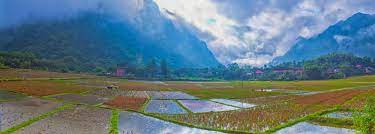
What, then, must be removed from public water supplies, and what other chemicals are added to the water? How do public water facilities treat our… Read More »Treatment of the Public Water Supply

Water treatment is any process that improves the quality of water to make it more acceptable for a specific end-use. The end use may be… Read More »Water Treatment Processes and Techniques

Water security has been defined as “the reliable availability of an acceptable quantity and quality of water for health, livelihoods and production, coupled with an… Read More »Background to Water Security and Threat to Water Security

Poverty is a major factor in water scarcity and susceptibility to drought. This can be illustrated in a number of ways. Firstly, as was seen… Read More »Socio-Political Causes of Water Scarcity Poverty and economic policy

Knowing what needs to be done and implementing it are two separate issues. Because of the overall economic status of most of the countries in… Read More »Sectorial Resources and Institutional Capacity

Water politics, sometimes called hydro politics, is politics affected by the availability of water and water resources, a necessity for all life forms and human… Read More »Socio-Political and Legal Issues Related to Water Supply

A water emergency is any event that disrupts the normal supply of clean water to your home. Water issues and problems in developing countries are… Read More »Water Emergency and Water Security

The efficiency of waste-water treatment units depends on the quality of materials used in the design of the units, the way of handling of the… Read More »Efficiency and Maintenance of Waste-water Treatment Units
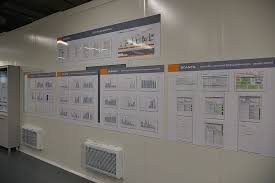
It should be known that good quality materials or equipment are always recommended for each unit of the system to increase its performance. Indicators of… Read More »Indicators of System Performance and Design of Units

The amount and type of water discharged to an onsite sewage treatment system is one of the factors used in sizing that system. If the… Read More »Factors Influencing the Design of Treatment Units

From all that have been discussed in this course, one can without equivocation say that waste-water treatment plant is broken into units or effective performance.… Read More »Meaning and Concepts of Design of Waste-water Treatment Units

Corrosion, like that shown below, can cause economic, health, and aesthetic problems. Economic problems result from damage to pipes, storage tanks, valves, and meters. Damage… Read More »The Effects of Corrosion and Scaling
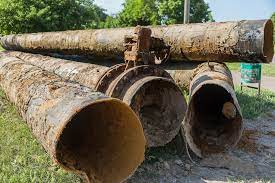
Corrosion can occur on the outside of a pipe (due to corrosive soil) or on the inside of a pipe (due to corrosive water.) Either… Read More »The Different Types of Corrosion

Corrosion is the rusting of metal in pipes or tanks due to the corrosive action of water, waste-water or soil. Scales are deposits caused by… Read More »Definition of Corrosion and Causes of Corrosion in Waste-water Treatment Plant

A lot of processes are at our disposal for the treatment of sludge as can be seen below. 1. Stabilization Stabilization is the term used… Read More »Processes of Sludge Treatment
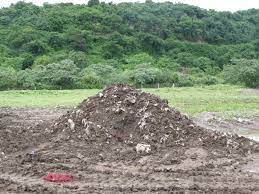
Sludge, which originates from the process of treatment of waste water, which due to the physical-chemical processes involved in the treatment has concentration of heavy… Read More »Meaning and Generation of Sludge and its Importance

UV systems destined for drinking water applications are validated using a third party test house to demonstrate system capability, and usually a nonpathogenic surrogate such… Read More »Applications of Sterilization Process