


Environmental education has become increasingly important as communities face growing challenges involving waste, pollution, resource depletion, climate concerns, and changes in natural ecosystems caused by human activities.
People need accurate environmental knowledge to understand how everyday choices affect air, water, soil, wildlife, public health, and the long-term condition of the places where communities live.
The importance of environmental education extends beyond classrooms because households, businesses, governments, schools, and community groups all influence resource use, waste generation, pollution control, conservation, and environmental protection.
Effective environmental education gives people the knowledge, skills, values, and confidence required to recognize environmental problems and participate meaningfully in practical solutions within their communities.
It also encourages responsible behaviour by showing individuals how waste reduction, recycling, conservation, pollution prevention, and careful resource use can create cleaner surroundings and healthier communities for everyone.
Why Environmental Education Matters

The importance of environmental education begins with awareness because people cannot respond effectively to environmental problems they do not understand or recognize within their communities.
Environmental knowledge helps individuals connect daily activities with environmental consequences, including excessive consumption, improper disposal, pollution, habitat destruction, and unnecessary depletion of valuable natural resources.
Access to practical environmental management guidance for individuals can help people translate knowledge into simple actions that conserve resources and reduce environmental pressure.
Education also improves decision-making because informed people can compare alternatives, understand environmental consequences, follow appropriate waste procedures, and support practices that reduce unnecessary damage.
Communities benefit when residents understand environmental responsibilities because informed behaviour can reduce littering, discourage indiscriminate dumping, improve sanitation, and encourage cooperation with environmental programmes.
Understanding the environmental and health effects associated with wastes also helps people recognize why responsible waste handling matters for families, workers, communities, ecosystems, and future generations.
Environmental education therefore creates a foundation for responsible citizenship by connecting knowledge with practical environmental choices and encouraging individuals to consider the wider consequences of their actions.
Read Also: Roles of Consumers in Waste Management
Environmental Education And Public Awareness
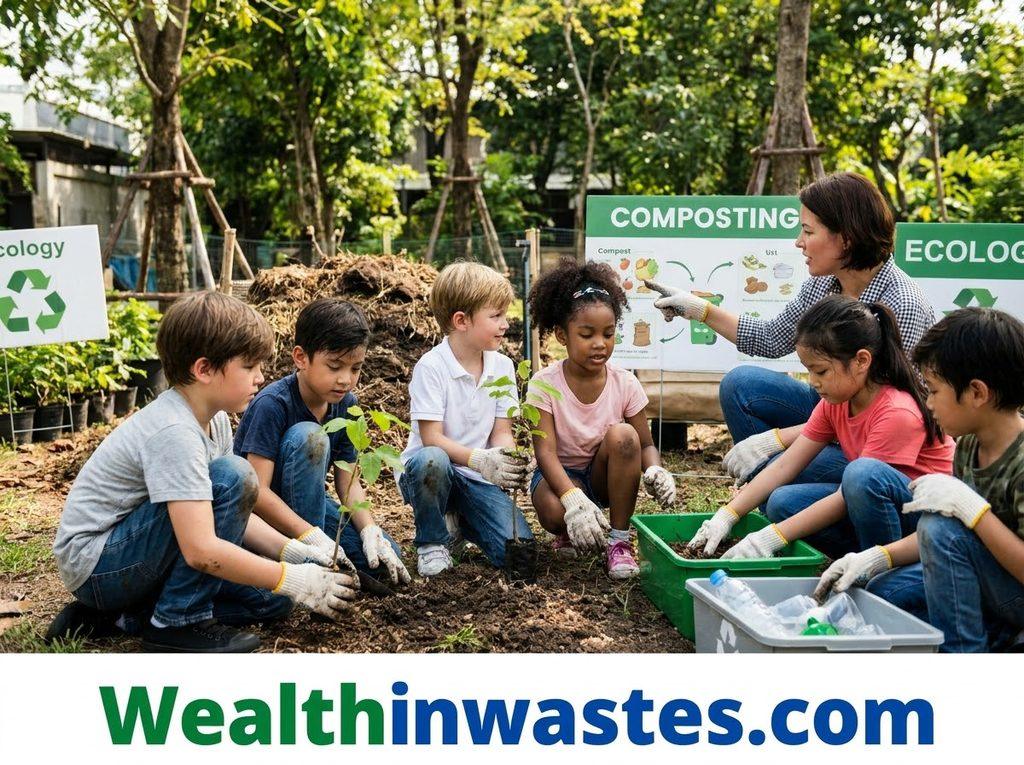
1. Builds Environmental Awareness: Environmental education introduces people to major environmental issues and explains how human behaviour contributes to pollution, waste generation, resource depletion, and ecosystem degradation.
2. Improves Environmental Knowledge: People gain practical information about waste types, recycling, conservation, pollution prevention, sustainable consumption, and responsible resource management through accessible environmental education programmes.
3. Encourages Responsible Choices: Education helps individuals make better purchasing, disposal, transportation, energy, and water-use decisions because they understand how these choices can affect environmental quality.
4. Supports Community Participation: Well-informed residents are more likely to join clean-up campaigns, recycling programmes, conservation activities, environmental meetings, and other initiatives designed to improve local conditions.
5. Strengthens Personal Responsibility: Environmental education encourages people to recognize their own responsibilities rather than assuming governments, businesses, or environmental organizations alone must solve environmental challenges.
6. Explains Pollution Clearly: Learning the concept and definition of pollution helps individuals understand how harmful substances enter environmental systems and why preventive action matters.
Environmental Education In Schools And Communities
Schools provide an important setting for environmental education because students can develop environmental knowledge early and carry responsible habits into their homes, workplaces, and wider communities.
Classroom lessons can explain pollution, biodiversity, conservation, waste management, climate concerns, sanitation, and natural resources while practical activities help students apply what they learn.
Community-based programmes extend this learning beyond schools by involving parents, local leaders, businesses, youth groups, and residents in activities that address specific environmental concerns.
Environmental education can encourage communities to understand different types and sources of solid waste, making household and community waste separation easier to organize.
Education can also explain the objectives of solid waste management so people understand why collection, transport, treatment, recovery, and responsible disposal matter.
Practical environmental learning becomes stronger when schools and communities organize garden projects, recycling exercises, clean-up campaigns, tree planting, composting demonstrations, and environmental observation activities.
These experiences help learners understand that environmental protection is not merely a theoretical subject but a shared responsibility requiring knowledge, cooperation, discipline, and consistent action.
Environmental Education And Waste Reduction
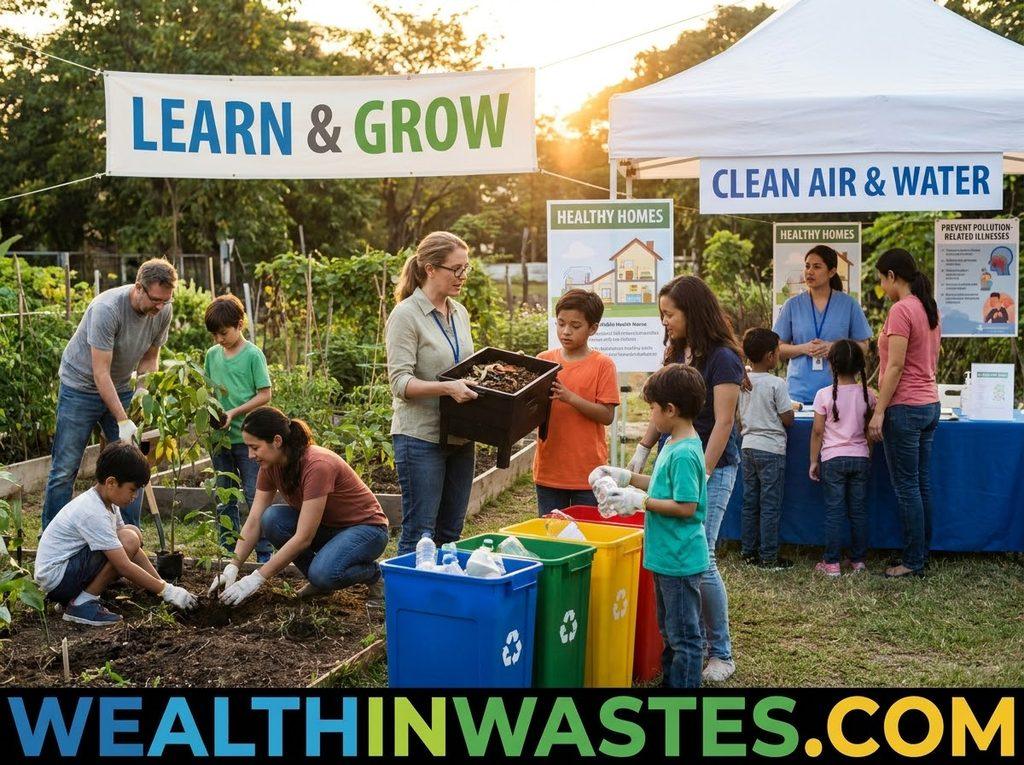
1. Prevents Waste At Source: Environmental education teaches people to avoid unnecessary purchases, excessive packaging, careless consumption, and practices that create avoidable waste before disposal becomes necessary.
2. Encourages Efficient Resource Use: Learners understand that water, energy, raw materials, food, and other resources require careful use because wasting them increases environmental pressure and economic costs.
3. Supports Waste Minimization: People can follow practical waste-reduction management guidance by improving consumption habits, preventing material losses, reusing suitable items, and avoiding unnecessary disposal.
4. Encourages Reuse: Education shows households and organizations that suitable containers, furniture, clothing, equipment, and other materials can often receive additional uses instead of becoming immediate waste.
5. Promotes Better Waste Planning: Understanding waste-management objectives helps organizations identify where materials are wasted and develop practical measures that reduce avoidable environmental and operational impacts.
6. Reinforces The Waste Hierarchy: Environmental education teaches people about waste hierarchy principles, which prioritize prevention, reuse, recycling, recovery, treatment, and responsible disposal.
Environmental Education For Recycling And Reuse
1. Explains Recycling Principles: Environmental education teaches people how recycling works, why materials require separation, and why contamination can reduce the usefulness of recyclable materials.
2. Encourages Proper Separation: Households and institutions can separate paper, plastics, metals, glass, organics, and other materials more effectively when people understand their different recovery and treatment requirements.
3. Increases Resource Recovery: Knowledge of the recycling process and its benefits helps people direct recoverable materials toward appropriate collection systems rather than unnecessary disposal.
4. Encourages Organic Recovery: Environmental education can introduce households to composting as a useful organic-waste treatment method that converts biodegradable materials into valuable soil amendments.
5. Reduces Recycling Contamination: Education teaches residents that not every material belongs in recycling containers, helping them understand which materials cannot be recycled through particular systems.
6. Supports Circular Resource Use: Learning how to convert suitable organic waste into compost helps communities keep useful materials within productive environmental and agricultural cycles.
Environmental Education And Environmental Health
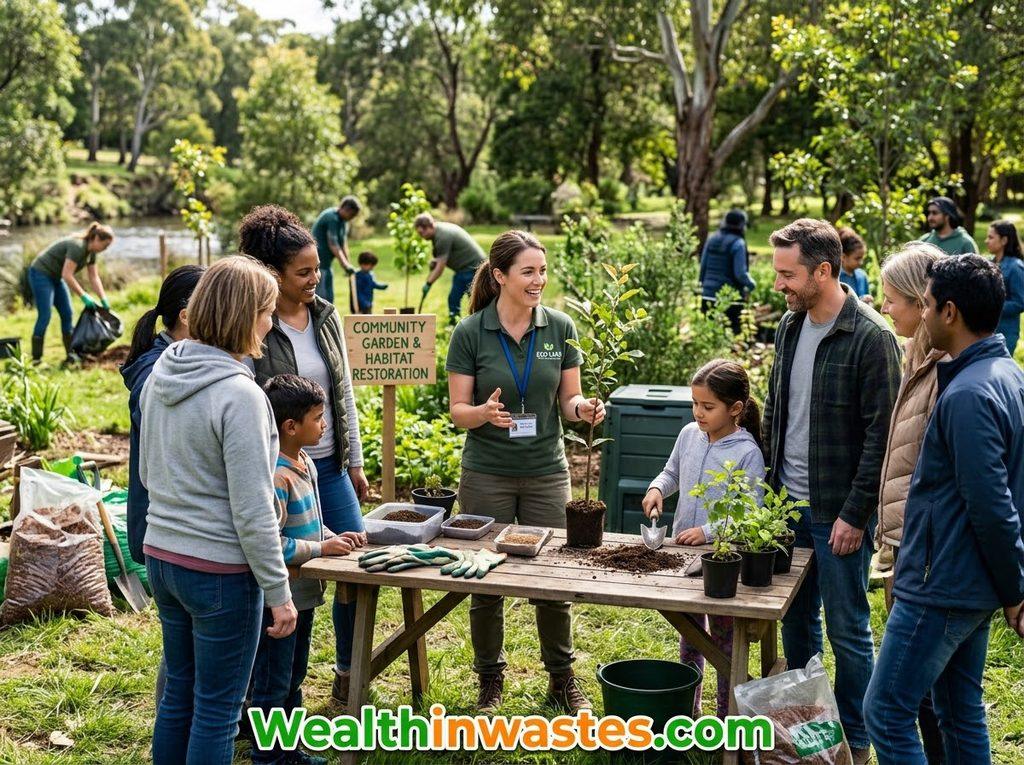
Environmental education contributes to public health by helping people understand how polluted air, contaminated water, unmanaged waste, and unsanitary surroundings can create health and safety risks.
People who understand these connections are better prepared to avoid unsafe waste practices, support sanitation measures, and encourage cleaner surroundings within homes, workplaces, schools, and communities.
Learning about the environmental effects of improper waste disposal can show communities how careless dumping may contaminate soil, water, and air while creating additional environmental pressures.
Environmental education also helps people recognize the importance of safe water because water pollution sources and classifications influence drinking water quality, aquatic ecosystems, agriculture, and community health.
Health-focused education can encourage safer handling of hazardous materials, medical waste, chemicals, batteries, plastics, and other materials that may create risks when people manage them improperly.
Educational programmes can also explain effective approaches for controlling water pollution so communities can reduce contamination and protect water-dependent households, farms, industries, and ecosystems.
By connecting environmental quality with human well-being, education helps people appreciate that environmental protection is not separate from health protection but forms an important part of community welfare.
Environmental Education And Sustainable Development
1. Supports Responsible Resource Use: Environmental education teaches people to use natural resources carefully so present needs can be met without unnecessarily reducing opportunities for future generations.
2. Encourages Sustainable Lifestyles: Resources about sustainable environmental management practices can help households reduce waste, conserve water and energy, and adopt responsible daily routines.
3. Promotes Cleaner Communities: Knowledge encourages residents to maintain clean surroundings, support proper sanitation, reduce litter, and participate in practical initiatives that strengthen community environmental quality.
4. Strengthens Economic Responsibility: Environmental education helps businesses understand that waste reduction, efficient resource use, recycling, and pollution prevention can support operational efficiency while reducing environmental pressures.
5. Encourages Sustainable Agriculture: Environmental knowledge can guide farmers toward better waste handling, soil protection, water conservation, and responsible use of agricultural inputs that reduce avoidable environmental damage.
6. Connects Environment And Development: Understanding the economic losses caused by pollution helps communities recognize why environmental protection also supports livelihoods, productivity, public finances, and long-term development.
Environmental Education And Climate Sustainability
Environmental education helps people understand that climate change interacts with biodiversity loss, pollution, resource pressures, ecosystem degradation, agriculture, and other challenges affecting sustainable development.
Teaching these relationships enables communities to understand why conservation, efficient resource use, pollution prevention, sustainable consumption, and ecosystem protection should operate together.
People can explore climate change and sustainability to better understand how changing environmental conditions can influence agriculture, biodiversity, water resources, livelihoods, and community resilience.
Environmental education also encourages adaptation because communities can identify local vulnerabilities, protect important resources, prepare for environmental risks, and strengthen their capacity to respond effectively.
Schools and community groups can support this learning through tree planting, conservation exercises, energy-saving campaigns, water protection activities, sustainable gardening, and local environmental monitoring projects.
Read Also: Environmental Management Tips for Sustainable Living
How To Strengthen Environmental Education
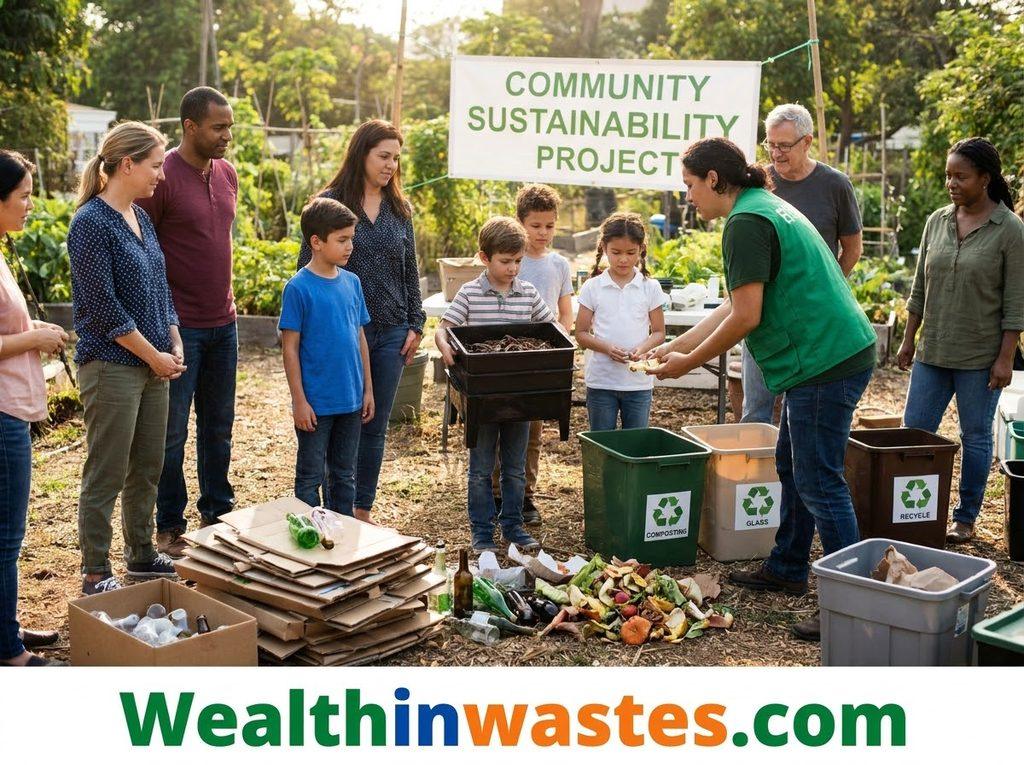
1. Use Practical Learning: Environmental education becomes more effective when lessons include demonstrations, field activities, clean-up projects, recycling exercises, composting, conservation projects, and real community environmental problems.
2. Improve Community Engagement: Communities should involve residents, schools, businesses, traditional leaders, youth groups, and local organizations when designing environmental education activities that address local needs.
3. Promote Clear Waste Guidance: Education programmes should explain practical disposal choices and support wider understanding of effective waste-control methods within households, institutions, businesses, and community facilities.
4. Strengthen Pollution Education: Communities can use reliable learning materials and practical pollution-reduction guidance to understand how everyday choices can protect air, water, and soil.
5. Support Responsible Institutions: Environmental education should also explain how authorities contribute through institutional arrangements for pollution control, monitoring, regulation, enforcement, and public environmental programmes.
6. Encourage Continuous Learning: Environmental education should continue throughout life because environmental challenges, technologies, regulations, waste streams, and sustainable practices change as societies and communities develop.
Environmental education works best when governments, schools, communities, businesses, environmental organizations, and households cooperate instead of treating environmental responsibility as the duty of one group.
Long-term improvement requires clear information, practical opportunities, accessible learning resources, community participation, supportive policies, and consistent encouragement for people to transform knowledge into responsible environmental behaviour.
Environmental programmes can also encourage communities to adopt simple individual environmental management practices that support cleaner homes, responsible consumption, conservation, and better waste-handling habits.
Summary on Importance of Environmental Education
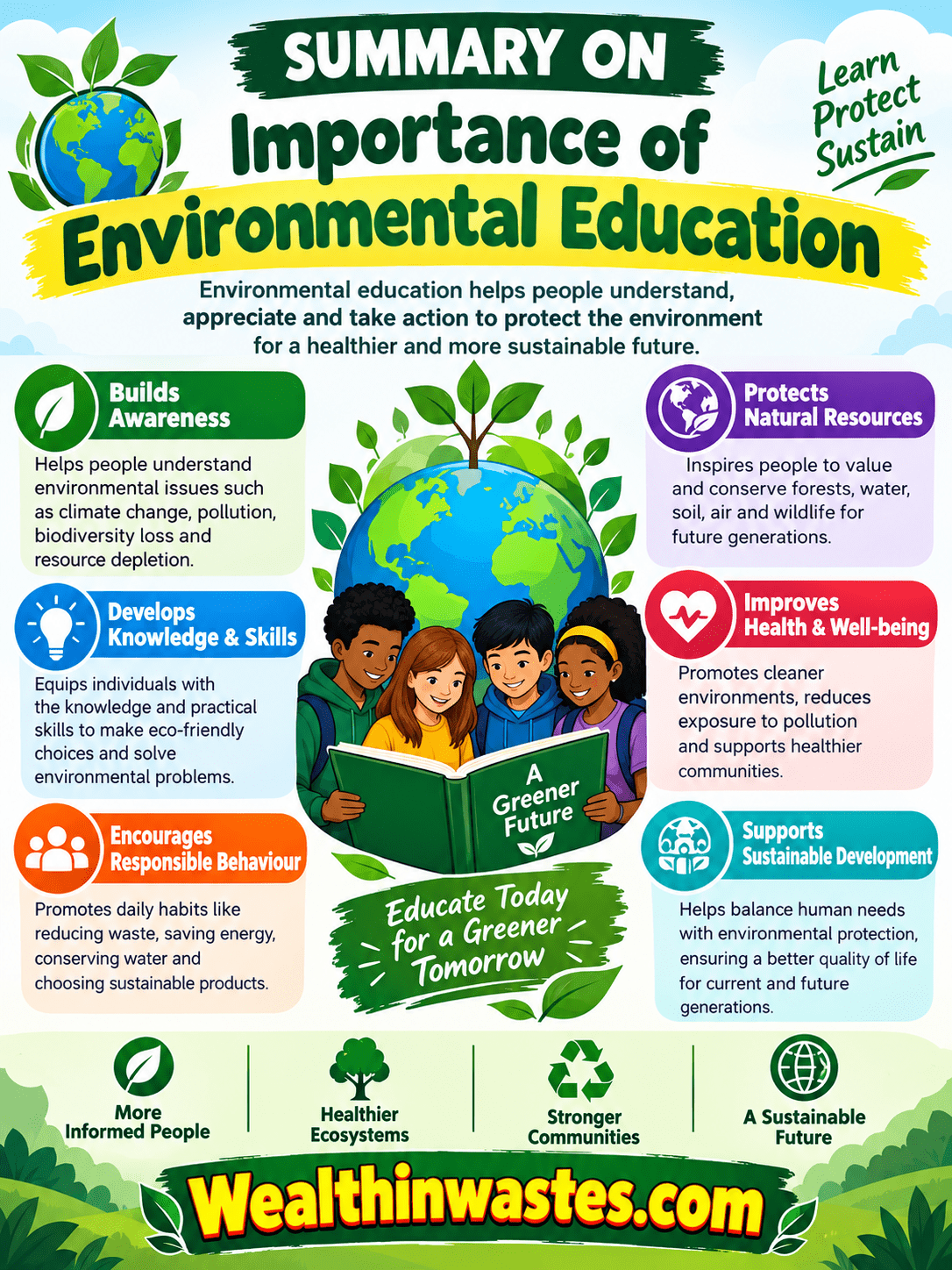
| Area | Key Focus | Main Benefit |
|---|---|---|
| Public Awareness | Provides environmental knowledge and encourages responsible decisions. | Better environmental behaviour |
| Schools And Communities | Develops knowledge through lessons and practical activities. | Long-term awareness |
| Waste Reduction | Promotes prevention, reuse, efficient consumption, and waste minimization. | Less waste generation |
| Recycling | Supports separation, recovery, reuse, and responsible material handling. | Greater resource recovery |
| Environmental Health | Connects pollution, waste, sanitation, water quality, and health. | Safer communities |
| Sustainable Development | Encourages responsible resource use and pollution prevention. | Stronger future resilience |
| Climate Sustainability | Connects environmental protection with climate adaptation and conservation. | Greater environmental resilience |
| Continuous Education | Uses schools, communities, digital resources, and public programmes. | Lasting environmental responsibility |
Frequently Asked Questions About Importance of Environmental Education: Key Benefits and Roles
1. What is environmental education?
Environmental education develops knowledge, skills, values, and attitudes that help people understand environmental issues and make responsible decisions that protect natural resources and communities.
2. Why is environmental education important?
It helps people understand environmental problems, reduce harmful practices, conserve resources, improve sanitation, and participate in practical solutions that support healthier communities.
3. How does environmental education reduce waste?
It teaches prevention, reuse, recycling, proper separation, responsible consumption, and appropriate disposal, thereby helping households and organizations reduce unnecessary waste generation.
4. What role does environmental education play in schools?
Schools introduce environmental knowledge early and help students develop practical habits that can influence households, communities, workplaces, and future environmental decisions.
5. How does environmental education support public health?
It explains how polluted air, unsafe water, unmanaged waste, poor sanitation, and environmental hazards can affect health while promoting safer environmental practices.
6. Can environmental education support sustainable development?
Yes. It promotes responsible resource use, conservation, pollution prevention, waste reduction, sustainable consumption, and decisions that consider present and future environmental needs.
7. Who should provide environmental education?
Governments, schools, communities, businesses, environmental organizations, media platforms, and households can all contribute to effective environmental education.
8. How can individuals practise environmental education daily?
Individuals can reduce waste, reuse materials, recycle correctly, conserve water and energy, prevent littering, protect natural resources, and participate in community environmental activities.
Do you have any questions, suggestions, or contributions? If so, please feel free to use the comment box below to share your thoughts. We also encourage you to kindly share this information with others who might benefit from it. Since we can’t reach everyone at once, we truly appreciate your help in spreading the word. Thank you very much for your support and for sharing!
Read Also: Proper Farm Waste management guide