


Heavy metals occur naturally in the earth’s crust, yet human activities can increase their movement into water. Their persistence and bioaccumulative behaviour make contamination an important environmental concern worldwide today.
Mining, industrial discharge, agricultural runoff, household activities, atmospheric deposition, fertilizers, pesticides, and other wastes can introduce metals into rivers, ponds, groundwater, reservoirs, streams, lakes, wetlands, and other aquatic environments nearby.
When metal concentrations rise beyond useful trace levels, contaminated water can threaten people, aquatic organisms, agriculture, and ecosystems. The degree of harm depends on metal type, concentration, exposure, and duration.
This article examines the major sources of heavy metal contamination in water and explains physicochemical, plant-based, and microbial remediation approaches. It also considers practical prevention, monitoring, treatment, and management considerations.
Understanding contamination pathways helps communities and environmental managers identify risks earlier, choose appropriate treatment methods, reduce pollutant movement, protect water resources, and prevent continued metal accumulation within aquatic environments effectively.
Heavy Metal Contamination in Water
Heavy metal contamination in water occurs when metals enter surface water or groundwater through natural processes or human activities. Mining, agriculture, industries, and waste handling can release dissolved or particle-bound metals.
Metals such as arsenic, cadmium, mercury, lead, chromium, copper, nickel, and zinc may occur in contaminated waters. Port activities and industrial wastewater, for example, have contributed to measured contamination at sampling stations in Malaysia.
Illegal electronic-waste recycling can also contaminate nearby ponds and soils with metals. Once released, metals can move through water pathways, attach to sediments, accumulate in organisms, and persist because they do not readily biodegrade.
Understanding these pathways requires reliable monitoring and safe treatment. water quality analysis procedures help identify relevant parameters, while water treatment hazard awareness supports safer remediation work for contaminated sites and treatment programmes.
Water movement can transfer metals between surface and underground systems. Rainfall, runoff, infiltration, and groundwater flow may carry dissolved contaminants away from release points, making source identification and protection more difficult.
Metal-contaminated sediments can act as temporary storage areas. Changes in pH, chemistry, or water conditions may release previously bound metals back into water, allowing renewed exposure even after earlier pollution declines.
Read Also: Transport of Pesticides in Surface Waters
Major Sources of Heavy Metal Contamination
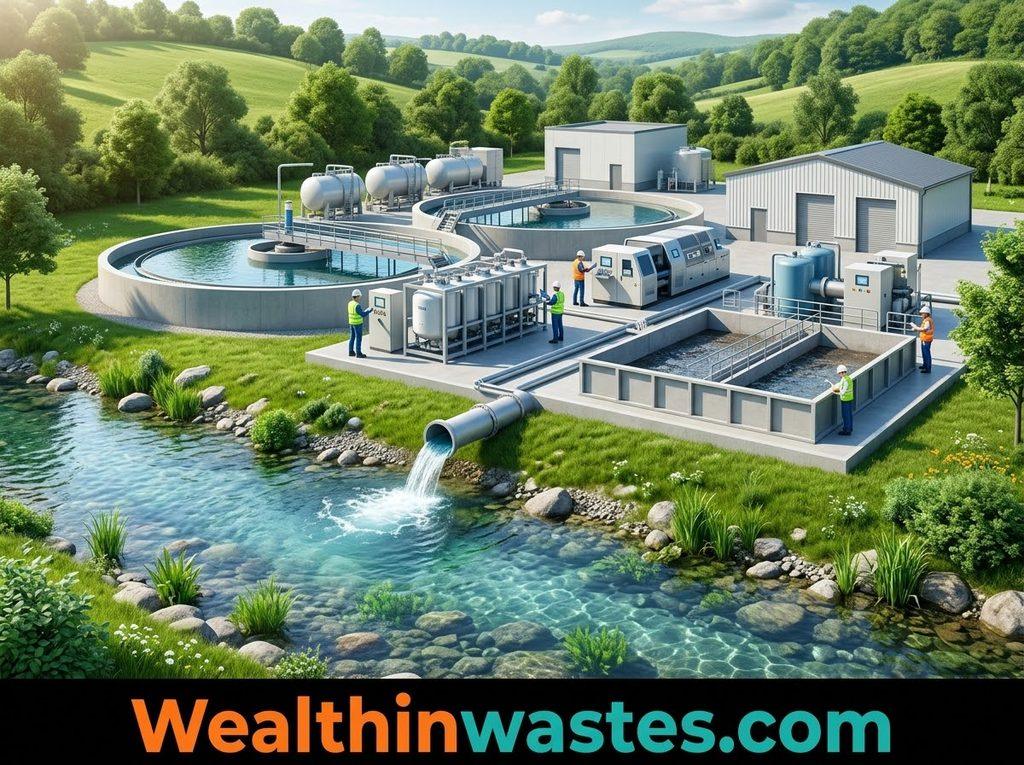
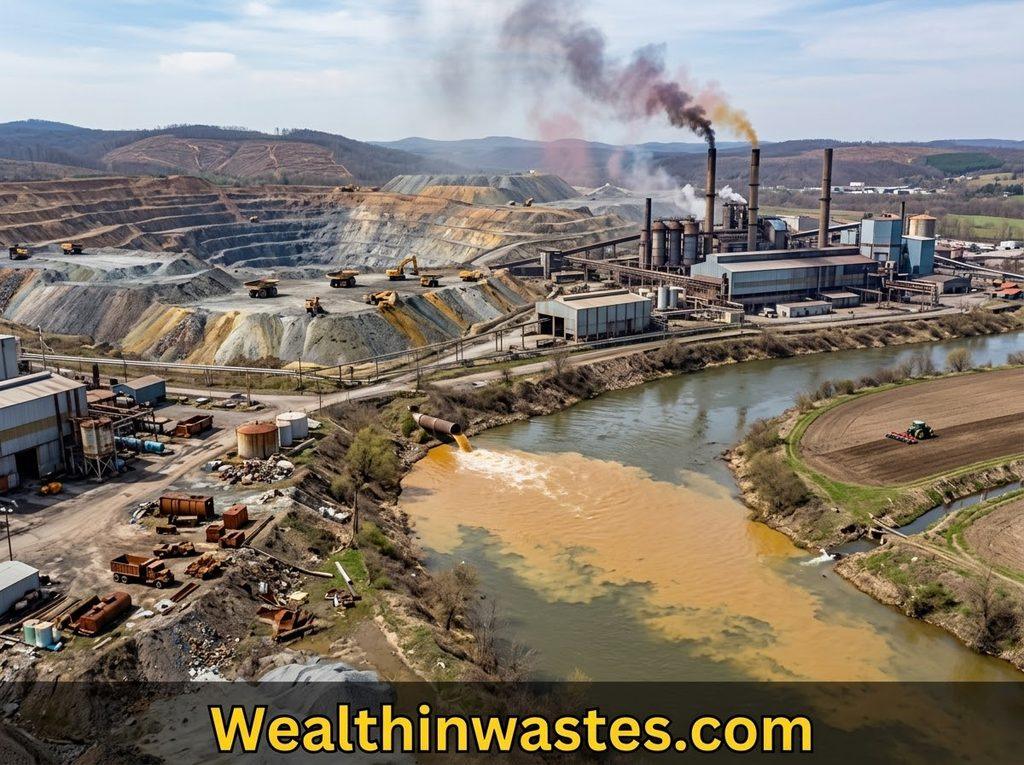
1. Mining Activities: Mining can expose metal-bearing materials and generate wastewater or runoff that transports contaminants toward streams, rivers, groundwater, and other receiving waters. Proper waste controls can reduce this pathway.
2. Industrial Discharges: Manufacturing and processing facilities may release metal-containing effluents when treatment systems fail or operate poorly. Stronger wastewater treatment practices can limit pollutant release effectively before reaching receiving waters.
3. Agricultural Runoff: Fertilizers, pesticides, contaminated amendments, and eroded soil can transport metals from cultivated land into nearby waters. Understanding site conditions that influence chemical mobility supports better runoff control.
4. Household And Urban Waste: Household products, discarded electronics, drainage, and poorly controlled waste disposal can introduce metals into local water systems. Better water pollution source management reduces opportunities for contamination.
5. Atmospheric And Other Sources: Atmospheric deposition, fossil-fuel emissions, fertilizer use, and hazardous wastes can add metals to soil or water. These pathways may combine with rainfall and runoff, spreading contamination beyond the original source.
Health and Environmental Effects of Heavy Metals
1. Human Exposure: People may encounter contaminated water through drinking, household use, food production, or aquatic foods. The health outcome depends on the metal, concentration, exposure route, duration, and frequency.
2. Bioaccumulation: Heavy metals can accumulate within organisms rather than breaking down like many organic contaminants. Persistent exposure can increase concentrations in biological systems and create longer-term ecological concerns for affected habitats.
3. Aquatic Ecosystem Stress: Contaminated water can expose fish, plants, microorganisms, and other aquatic life to toxic metals. Broader effects of water pollution can include serious habitat and ecological disruption.
4. Food-Chain Transfer: Metals may move from contaminated water and sediments into aquatic organisms and then through food webs. This pathway increases concern where communities depend heavily on fish or other aquatic foods.
5. Agricultural Consequences: Polluted water used for irrigation can introduce metals into soils and crops. Continued exposure may complicate water quality management and increase pressure on safe agricultural water supplies.
Physicochemical Remediation of Heavy Metals
1. Chemical Precipitation: Treatment changes dissolved metals into insoluble solids for later removal. Sodium hydroxide or lime can support precipitation, while pH and alkalinity strongly influence performance. public water treatment steps show where precipitation fits.
2. Ion Exchange: Ion exchange replaces dissolved ions with similarly charged ions attached to solid materials such as zeolites or synthetic resins. It can remove heavy metals effectively and complement precipitation in industrial treatment.
3. Reverse Osmosis: Reverse osmosis uses a membrane as a molecular filter, allowing water to pass while retaining dissolved contaminants. However, pressure requirements and membrane costs can be substantial. reverse osmosis applications explain membrane uses.
4. Combined Treatment: No single physicochemical process suits contaminated water. Treatment may combine precipitation, ion exchange, filtration, or membrane processes after assessing metal types, pH, wastewater composition, and quality. water pollution control methods help planning.
Phytoremediation for Heavy Metal Contamination
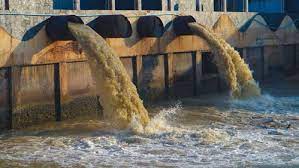
1. Plant-Based Remediation: Phytoremediation uses plants to partially or substantially remediate selected contaminants in soil, sediment, groundwater, surface water, and wastewater. Understanding polluted-water ecological characteristics helps interpret its role effectively.
2. Phytoextraction: Plant roots absorb, transport, and store certain metals with water and nutrients. This method can target metals such as zinc, copper, and nickel, while research also examines plants for lead and chromium uptake.
3. Rhizofiltration: Plants grown with roots in contaminated water can adsorb metals onto root surfaces or absorb them through roots. This approach may help treat groundwater when plants tolerate exposure. groundwater pollution management emphasizes prevention.
4. Phytostabilization: Plant roots can limit contaminant mobility by absorbing metals or encouraging precipitation near the rhizosphere. The objective is often to reduce movement and bioavailability rather than physically remove every contaminant.
5. Phytostimulation And Other Pathways: Plants release substances that can stimulate microorganisms around roots. biotechnology remediation approaches complement such processes, while plant-based treatment must consider growth conditions and contaminant tolerance.
6. Benefits And Limitations: Phytoremediation can cost less and disturb sites less than some conventional methods, but treatment may require long periods. Plant growth, root depth, contaminant release, and biomass disposal can limit effectiveness.
6. Phytodegradation: Phytodegradation mainly applies to organic contaminants rather than elemental heavy metals. Plants may absorb compounds and use internal or associated microbial processes to transform them into simpler products.
7. Phytovolatilization: Some contaminants can move through plants and enter the atmosphere through leaves. This pathway requires careful assessment because transferring a contaminant from water to air does not necessarily eliminate environmental risk.
8. Root-Depth Limits: Plant remediation works mainly within the zone reached by roots. Contamination located deeper than the active root system may remain untreated, while long growth periods can delay complete site restoration.
Microbial Remediation of Contaminated Water
1. Biosorption: Microbial cells or biomass can passively bind metal ions on surfaces, removing them from solution. Biosorption can provide a relatively low-cost option where appropriate organisms or biological materials interact effectively with contaminated water.
2. Bioaccumulation: Living microorganisms can actively take up metals under suitable conditions. This process depends on microbial growth requirements, nutrient availability, pH, temperature, dissolved oxygen, and the concentration and form of contaminants.
3. Process Conditions: Microbial performance depends strongly on environmental conditions and site suitability. Reviewing pollution concepts and definitions helps distinguish contamination from broader changes in environmental quality during treatment assessment.
4. Treatment Integration: Microbial processes can operate alongside physical or chemical methods, but they have limits. pollutant-specific cleanup methods should guide technology selection, while wastewater impact considerations should inform planning.
5. Key Limitations: Microbial remediation is highly site-specific and may require suitable microbial populations, nutrients, and environmental conditions. It can also take longer than some physical treatments and may not reach required residual contaminant levels.
6. Natural Microbial Communities: Wastewater systems contain aerobic, anaerobic, and facultative microorganisms, each suited to different conditions. Their activity depends on available nutrients, oxygen conditions, temperature, pH, and contaminant characteristics.
7. Advantages: Microbial approaches can require relatively modest infrastructure and may operate with less physical disturbance than some conventional methods. They can also complement other treatment processes when conditions support reliable biological activity.
8. Disadvantages: Biological treatment may proceed slowly, depend on specific microbial populations, and perform poorly when conditions are unsuitable. Pilot results may also fail to predict full-scale performance at complex contaminated sites.
Selecting a Heavy Metal Remediation Strategy
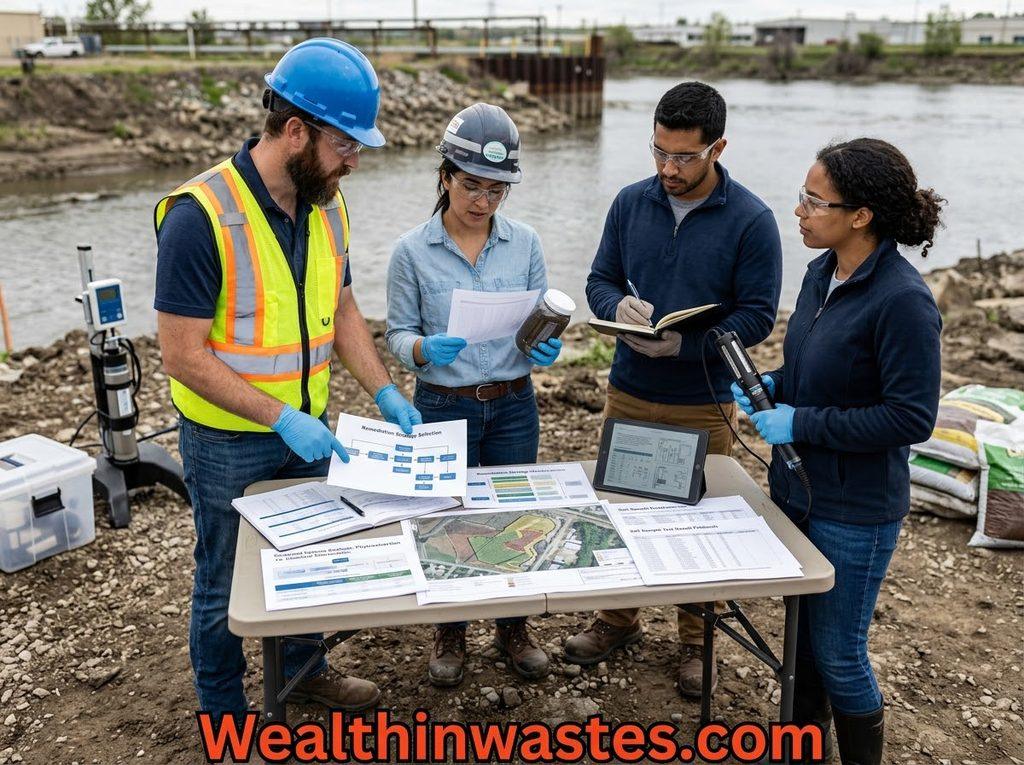
1. Identify The Contaminant: Start by measuring which metals are present, their concentrations, and their chemical forms. Water quality results should guide whether precipitation, ion exchange, membranes, plants, microbes, or combinations deserve consideration.
2. Assess Site Conditions: Evaluate flow, pH, temperature, solids, organic matter, existing infrastructure, contamination depth, and receiving waters. The wider freshwater risks from human activities can shape protection priorities and management.
3. Consider Operations And Costs: Treatment decisions should account for equipment, chemicals, energy, labour, maintenance, sludge or concentrate handling, and required treatment performance. Practical designs should also fit local technical capacity and environmental conditions.
4. Use Integrated Management: Combined technologies may provide better control than one process used alone. Effective institutional pollution-control arrangements also help coordinate monitoring, regulation, discharge management, and long-term protection of water resources.
5. Manage Treatment Residuals: Precipitation can create sludge, while membrane processes can produce concentrated streams. Treatment plans should account for these residuals so that captured metals do not simply shift into another environmental pathway.
6. Match Technology To Objectives: A method selected for drinking-water protection may differ from one designed for industrial discharge or ecological restoration. The intended use of treated water should shape treatment requirements and performance criteria.
Read Also: Degradation and Types of Pesticides in Soils
Ways to Prevent Heavy Metal Contamination in Water
1. Control Pollution At The Source: Reduce metal releases before they reach water by improving industrial treatment, securing waste storage, controlling mining wastes, and preventing direct discharge. Prevention usually avoids more complicated downstream remediation requirements.
2. Manage Agricultural Inputs: Use fertilizers and pesticides responsibly, protect waterways, and control runoff and erosion. Understanding environmental degradation factors supports broader chemical management, even though pesticides and metals behave differently.
3. Protect Soil And Groundwater Pathways: Good soil management can reduce contaminant transport toward water. soil properties affecting chemical mobility provide useful lessons about permeability, moisture, organic matter, and movement risks.
4. Monitor Water Continuously: Regular sampling can reveal changing metal concentrations and help identify new contamination sources. Monitoring should support early intervention, treatment adjustment, compliance decisions, and long-term protection of drinking, agricultural, and ecological waters.
Summary on Sources and Ways to Prevents Heavy Metal Contamination in Water
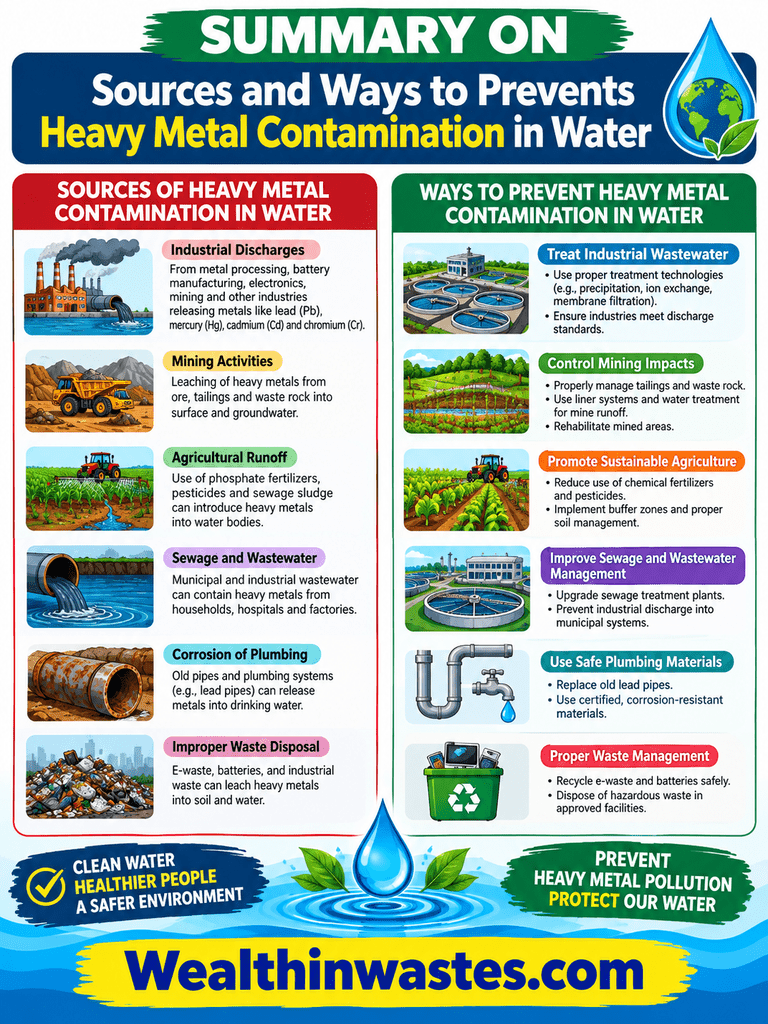
| Section | Main Idea | Why It Matters |
|---|---|---|
| Contamination | Heavy metals enter water through natural and human-related pathways. | Identifying pathways supports monitoring and source control. |
| Sources | Mining, industry, agriculture, waste, and atmospheric deposition contribute metals. | Source reduction limits continued loading into water. |
| Effects | Metals can affect people, aquatic life, food chains, and agriculture. | Persistent contamination can create ecological and exposure concerns. |
| Physicochemical Treatment | Precipitation, ion exchange, reverse osmosis, and combined methods remove metals. | Choice depends on water chemistry and treatment objectives. |
| Phytoremediation | Plants can extract, filter, or stabilize selected metal contaminants. | Plant systems may offer lower-disturbance remediation options. |
| Microbial Remediation | Biosorption and bioaccumulation can support metal removal or capture. | Biological methods can complement conventional treatment. |
| Prevention | Source control, monitoring, runoff management, and proper treatment reduce contamination. | Preventing pollution reduces long-term remediation needs. |
Frequently Asked Questions About Heavy Metal Contamination in Water
1. What is heavy metal contamination in water?
Heavy metal contamination occurs when metals enter water at concentrations that create environmental or health concerns. Common examples include lead, mercury, cadmium, arsenic, chromium, copper, nickel, and zinc in polluted waters.
2. What are major sources of heavy metals in water?
Important sources include mining, industrial wastewater, agricultural runoff, atmospheric deposition, household wastes, electronic-waste recycling, fertilizers, pesticides, and poorly controlled disposal of metal-containing materials near water before contaminants reach surface or groundwater.
3. Why are heavy metals difficult to remove naturally?
Heavy metals are elements, so environmental processes do not biodegrade them like many organic pollutants. They can instead change form, bind to sediments, accumulate in organisms, or move between environmental compartments.
4. Which methods remove heavy metals from water?
Common approaches include chemical precipitation, ion exchange, reverse osmosis, phytoremediation, biosorption, and bioaccumulation. Treatment selection depends on metal chemistry, concentration, water composition, site conditions, costs, and required water quality targets.
5. Can plants help clean heavy metal contaminated water?
Yes. Phytoextraction, rhizofiltration, and phytostabilization can help manage certain metal contaminants. Their success depends on plant tolerance, root characteristics, contaminant availability, site conditions, treatment time, and safe handling of contaminated biomass.
6. How can heavy metal contamination be prevented?
Prevention focuses on controlling releases at their sources, treating industrial wastewater, managing mining wastes, reducing runoff, protecting waterways, monitoring water quality, and applying appropriate waste-handling and pollution-control practices consistently where possible.
Do you have any questions, suggestions, or contributions? If so, please feel free to use the comment box below to share your thoughts. We also encourage you to kindly share this information with others who might benefit from it. Since we can’t reach everyone at once, we truly appreciate your help in spreading the word. Thank you very much for your support and for sharing!
Read Also: Understanding Sewage-Related Water Contamination and Treatment