


Challenges of Forest Administration often arise when forest laws, trained staff, reliable data and local cooperation fail to work together. These weaknesses can leave valuable forest resources exposed to illegal use and poor planning.
Forests provide timber, fuelwood, food, medicines, wildlife habitat and water protection, so sound administration must balance public benefits with ecological limits. Effective conservation protects these benefits when managers plan for renewal rather than short-term extraction.
Poor management can speed deforestation and vegetation degradation, weaken biodiversity and increase conflicts over land. These risks matter in Nigeria, where forestry decisions affect rural livelihoods, farming, wildlife and long-term resource security.
This article explains the main administrative problems, how they affect forests, and practical steps governments can take. It also examines enforcement, funding, monitoring, land rights and community participation in everyday management.
What Forest Administration Means
Forest administration is the public and private system that makes forest policy work in practice. It covers planning, permits, conservation, harvesting rules, revenue collection, inspections and restoration after damage or disturbance.
In Nigeria, the Federal Department of Forestry advises on coordination, conservation, use and renewal of forest resources, while state institutions have responsibilities for forests within their jurisdictions. Strong links with forest-based industries also matter.
Because forests support livelihoods and industrial activity, administrators must weigh timber production against regeneration, wildlife protection and public access. Poor decisions can affect employment and the wider social impact of forest policy.
Read Also : Forest and Wildlife Policy, Law and Administration
Main Challenges of Forest Administration

The main challenges of forest administration often reinforce one another. Weak institutions struggle to monitor harvesting, settle disputes, keep accurate records and ensure that rules apply consistently across public and community-managed forests.
Where agencies lack authority, staff or public trust, forest users may turn to informal practices. This weakens sustainable planning and increases the cost of recovering degraded land and habitats later.
1. Overlapping Responsibilities: Federal, state and local bodies may share duties without clear procedures. The result can be duplicated inspections, delayed decisions and conflicts in resource conservation when users compete for access.
2. Weak Protection of Reserves: Forest boundaries may lack clear markers, patrols or updated records. Without dependable safeguards, encroachment and unauthorised harvesting can spread inside protected areas before authorities detect them.
3. Loss of Habitat: Poor control of logging, fires, grazing and hunting can damage connected ecosystems. Weak protection allows habitat loss to harm wildlife populations and reduce the value of surrounding wildlife habitats.
4. Pressure for Short-Term Revenue: Administrators may face demands for immediate timber income or land conversion. If decisions ignore regeneration rates, today’s gains can leave future communities with fewer resources and higher restoration costs.
5. Low Community Trust: When local residents are excluded from decisions or see benefits shared unfairly, they may resist restrictions or depend on forest use that agencies cannot properly regulate.
Forest Laws and Enforcement Gaps
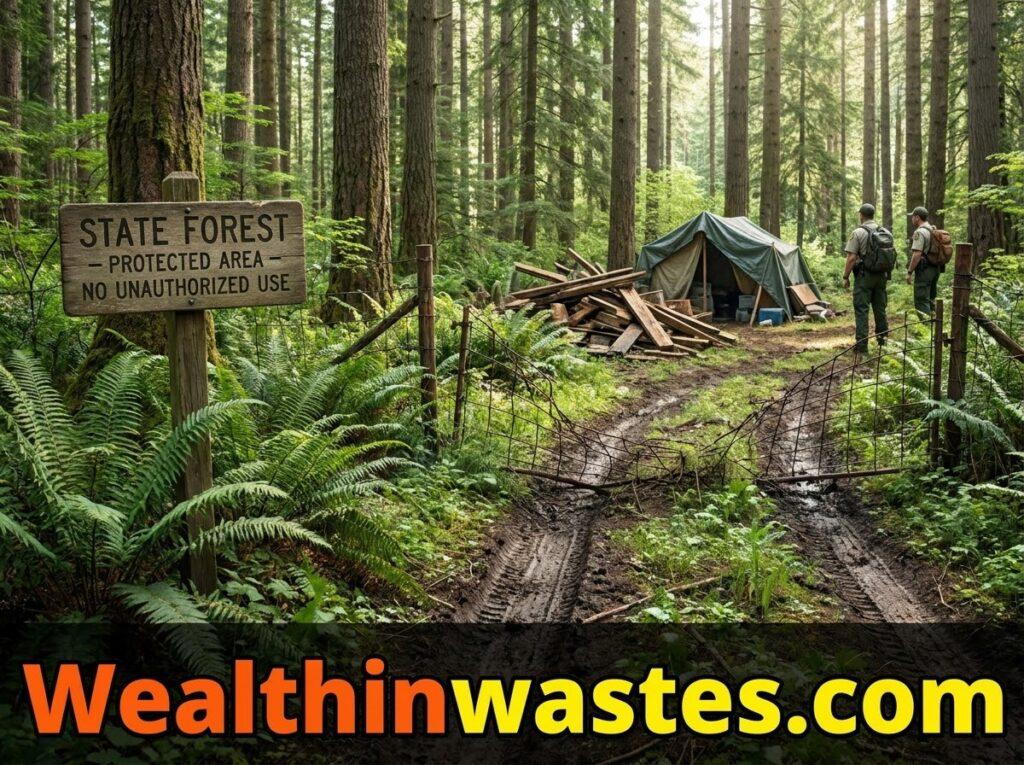
Forest laws only protect resources when the rules are clear, practical and consistently enforced. Unclear mandates or contradictory permits can create loopholes that reward illegal operators and frustrate compliant communities.
1. Unclear Rules and Land Rights: Different laws or overlapping customary and statutory claims can make it difficult to identify who may use a forest. Wildlife policy and laws should clarify these powers.
2. Inconsistent Penalties: If similar offences receive different outcomes, illegal loggers may treat fines as a business cost. Clear sanctions and documented evidence improve compliance when policy and legislation support consistent standards.
3. Corruption and Conflicts of Interest: Bribes, political pressure or undisclosed timber interests can undermine investigations. Independent audits and practical instruments of environmental protection make it harder to hide violations or misuse permits.
4. Weak Investigation and Prosecution: Forest officers need safe field access, evidence-handling skills and cooperation with police and courts. Otherwise, detected offences may never lead to fair, enforceable penalties in practice.
Staff Capacity, Budgets and Technical Needs
Adequate funding and skilled staff determine whether agencies can inspect forest reserves, maintain maps, support communities and investigate offences. A policy cannot succeed when the people responsible lack equipment, training or operating budgets.
1. Staff Shortages: Too few officers may leave large areas without regular patrols and delay permits, inspections or prosecutions. This also limits the time available for wildlife administration and protection.
2. Limited Technical Skills: Teams may need training in remote sensing, digital records, species identification, safe patrols and evidence collection. An agency’s environmental management system can clarify responsibilities and follow-up.
3. Unreliable Budgets: Delayed releases can interrupt patrols, vehicle repairs, community meetings and restoration work. Governments should publish forestry allocations and compare approved budgets with actual spending so managers can plan realistic programmes.
4. Political Interference: Officers need professional independence when they investigate influential landowners or timber traders. Clear reporting lines, staff protection and transparent recruitment help agencies enforce rules fairly rather than favouring powerful interests.
Forest Data, Monitoring and Accountability
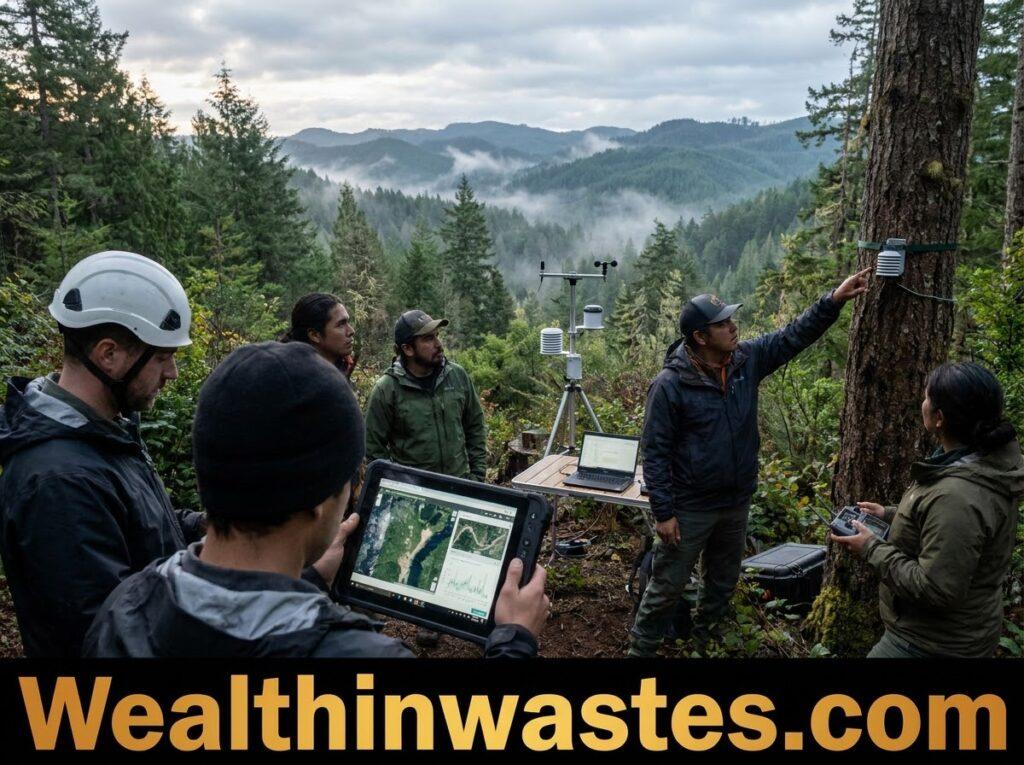
Reliable data allows administrators to compare forest cover, timber extraction, regeneration, fires and expenditure. Without regular records and public reporting, managers cannot judge whether policies protect forests or simply exist on paper.
1. Establish a Baseline: Update maps, boundaries, forest inventories and land-use records before major decisions. Sound environmental planning starts with evidence about habitats, users, risks and existing pressures in each area.
2. Monitor Policy Delivery: Compare field inspections with approved plans, permits, harvesting limits and restoration targets. Reporting on the implementation of forest and wildlife policy helps reveal gaps between written rules and actual practice.
3. Use Consistent Indicators: Track the same measures at regular intervals, including canopy loss, fires, tree regeneration, patrol coverage and money collected. This makes trends easier to compare and supports credible reporting on deforestation-reduction programmes.
4. Publish Findings: Share non-sensitive data on permits, revenues, inspections, prosecutions and restoration results. Public reporting allows communities and independent reviewers to question gaps, recognise progress and press agencies to correct persistent failures.
Land Rights and Community Participation
Forest boundaries often overlap farms, grazing routes, settlements, sacred places and customary claims. Administrators must understand who uses the land and how formal rules interact with local rights before imposing restrictions or granting concessions.
1. Clarify Tenure: Record customary claims, statutory ownership, access rights and any compensation arrangements. Reliable land-use and land-cover records can reduce disputes and help planners identify suitable conservation boundaries early.
2. Consult Forest Users: Involve farmers, timber operators, women, youth, traditional leaders and forest-dependent households before important decisions. Early consultation can expose practical concerns, reduce resistance and improve local knowledge in planning.
3. Resolve Disputes Fairly: Create accessible complaint channels, publish decisions and explain appeal routes. Practical conflict-management approaches help resolve disagreements over access, compensation, boundaries and the distribution of forest benefits.
4. Share Benefits Transparently: Show how permits, royalties, community projects and conservation obligations work. Fair benefit-sharing can build trust and support resource conservation and management instead of encouraging unofficial extraction.
Environmental and Economic Pressures on Forests
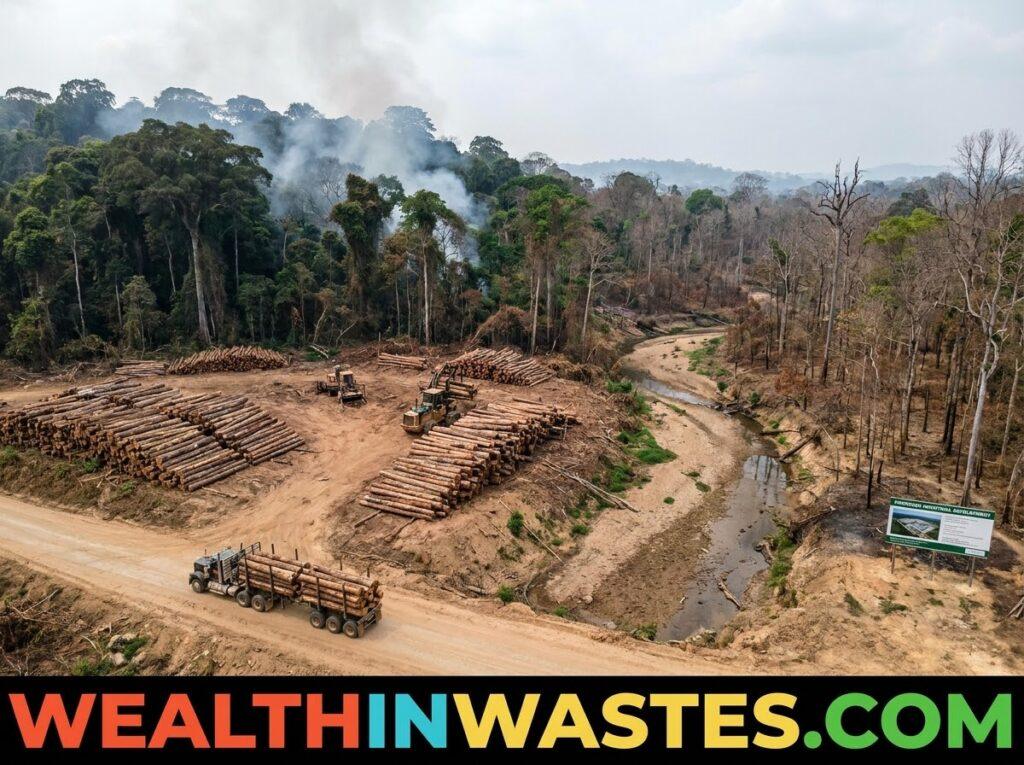
Forest administration also faces pressure from agricultural expansion, settlement growth, infrastructure, fire, mining and demand for wood fuel. These activities may serve real needs, yet poorly planned land conversion can damage forests for decades.
Healthy forests contain linked habitats and species, not just trees for harvest. Protecting genetic diversity and biodiversity helps maintain ecological resilience, pollination, soil functions and the capacity of ecosystems to recover after disturbance.
Climate shifts can intensify drought, heat and fire risks in some landscapes, while clearing trees can release stored carbon and reduce future absorption. Administrators therefore need restoration plans that match local ecology and climate risks.
Forest-based businesses also need predictable, lawful access to timber and other products. Sustainable harvesting plans, regeneration requirements and transparent permits can protect jobs while limiting damage to habitats, water systems and future supplies.
How Governments Can Improve Forest Administration
Improvement requires clear responsibilities, transparent decisions and policies that agencies can put into practice. The FAO’s forest governance guidance also emphasises accountability, fair participation, coherent rules and effective enforcement across institutions.
1. Coordinate Agencies: Assign clear duties to forestry departments, environmental regulators, police, local authorities and courts. Shared procedures for referrals, inspections and evidence can reduce duplication and help officials respond quickly to forest offences.
2. Fund Essential Work: Provide dependable budgets for patrols, training, mapping, maintenance, monitoring and restoration. Set priorities according to forest condition and risk, then review spending against measurable outcomes rather than activities completed alone.
3. Enforce Rules Consistently: Investigate offences impartially, apply proportionate penalties and publish enforcement results. Fair procedures should protect legitimate users while ensuring that commercial operators, public officials and other offenders face the same standards.
4. Involve Communities: Include forest-dependent residents in planning, monitoring and restoration decisions. Pair restrictions with realistic livelihood options, conservation education and transparent benefit-sharing so local people have practical reasons to support sustainable forest management.
5. Review Results Regularly: Compare forest inventories, inspections, spending and community feedback against targets. When evidence shows a policy is failing, revise the approach and explain the change instead of allowing ineffective practices to continue.
Read Also: Guide to Proper Prevention and Control of Livestock Diseases
Summary on Challenges of Forest Administration and Forest Resources
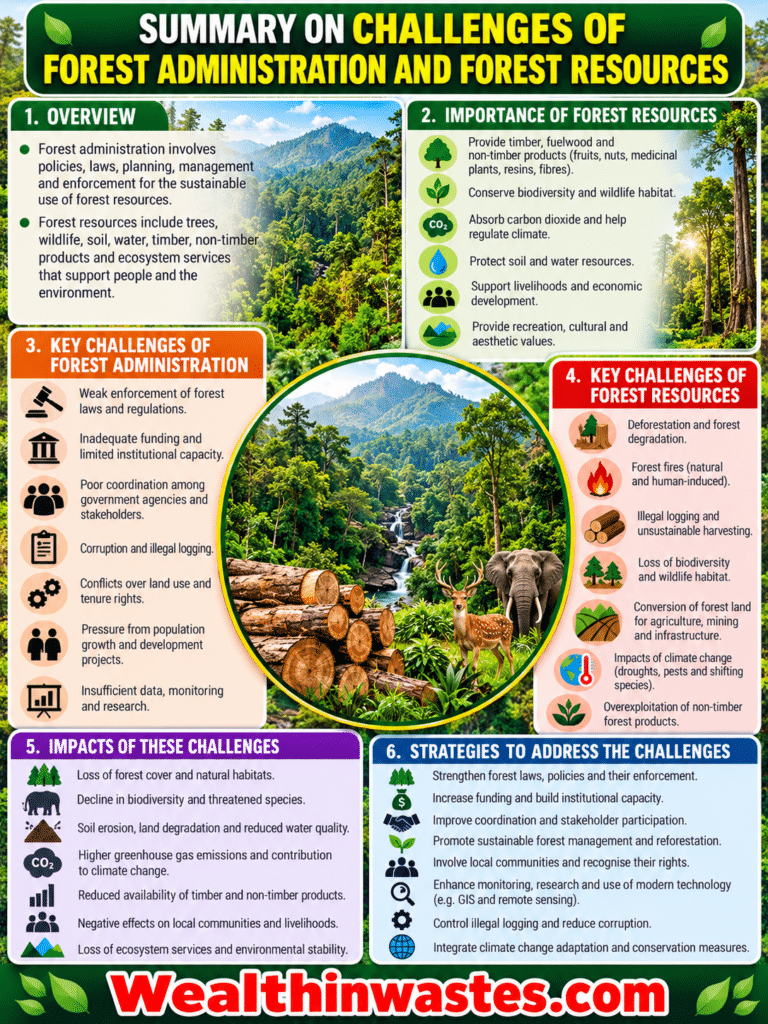
| Topic | Key Point | Why It Matters |
|---|---|---|
| Forest Administration | Turns policy into plans, permits, inspections and restoration. | Clear duties help agencies act consistently. |
| Institutional Capacity | Staff need funding, training, equipment and independence. | Weak capacity limits field enforcement and response. |
| Law Enforcement | Rules require fair investigations and consistent penalties. | Credible enforcement discourages illegal activities. |
| Data and Monitoring | Maps, inventories and public reports track forest conditions. | Evidence helps managers correct weak policies. |
| Land Rights | Clear tenure and community consultation reduce disputes. | Fair decisions build trust and compliance. |
| Forest Protection | Control harvesting while supporting regeneration and biodiversity. | Healthy forests provide long-term ecological and economic benefits. |
| Government Action | Coordinate agencies, fund work and review outcomes. | Accountability makes sustainable management more achievable. |
Frequently Asked Questions About Challenges of Forest Administration and Forest Resources
1. What Is Forest Administration?
It is the system of policies, institutions and actions that regulate forest use, protection, harvesting, monitoring and restoration.
2. What Is the Main Challenge of Forest Administration?
Weak enforcement, limited funding, poor data and unclear responsibilities often combine to prevent effective forest management.
3. Who Manages Forest Resources in Nigeria?
The Federal Department of Forestry coordinates federal responsibilities, while state institutions also manage forests and reserves within their jurisdictions.
4. Why Is Forest Law Enforcement Important?
It helps deter illegal logging, encroachment and other offences, while protecting lawful users and public forest resources.
5. How Can Communities Help?
Residents can participate in planning, report suspected offences, support restoration and help administrators understand local needs and rights.
6. How Can Governments Improve Forest Administration?
They can provide trained staff, clear laws, reliable funding, transparent monitoring, fair enforcement and meaningful community participation.
Do you have any questions, suggestions, or contributions? If so, please feel free to use the comment box below to share your thoughts. We also encourage you to kindly share this information with others who might benefit from it. Since we can’t reach everyone at once, we truly appreciate your help in spreading the word. Thank you very much for your support and for sharing!
Read Also: Basic Principles of Forest Management