


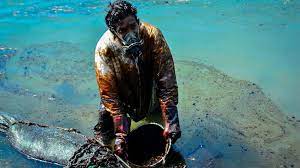
Clean water is essential for drinking, cooking, sanitation, agriculture, and other daily activities, yet water can become contaminated by microorganisms, chemicals, nutrients, wastes, and naturally occurring substances for safe human use.
People often ask which contaminants are present in water, how concentrated those substances are, and whether exposure can produce immediate illness, long-term disease, developmental problems, or other harmful effects under different exposure conditions.
The health effect of contaminated water depends on the contaminant, amount present, duration and route of exposure, age, health status, and whether the water is treated before consumption and the concentration involved.
Contamination may occur in groundwater, rivers, lakes, reservoirs, wells, storage systems, distribution networks, or household containers when harmful substances enter water during collection, transport, treatment, and storage before reaching the point of use.
This article explains important effects of contaminated water on humans, focusing on nitrate, arsenic, pesticides, biological contaminants, and practical measures that can reduce exposure and protect public health for households and communities alike.
Understanding Contaminated Water and Its Effects

Water contamination occurs when substances change the physical, chemical, or biological characteristics of water enough to make it unsafe for intended uses, including drinking, cooking, recreation, irrigation, or livestock production.
Common sources include sewage, agricultural runoff, industrial discharges, leaking waste sites, stormwater, poorly maintained septic systems, and naturally occurring minerals that dissolve into groundwater under particular geological conditions across different water supplies.
Water pollutants may be grouped into microbial, inorganic, pesticide and herbicide, organic chemical, radioactive, and physical contaminants, with each group producing different exposure pathways and potential health consequences across different water supplies.
The condition of a water source can change over time because rainfall, flooding, drought, land use, treatment failures, infrastructure damage, and accidental releases can alter contaminant concentrations substantially across different seasons.
People using private wells may face different risks from those receiving treated municipal supplies because groundwater chemistry, nearby activities, well construction, maintenance, and monitoring practices can vary considerably between locations and communities.
Contaminated water can affect people through drinking, food preparation, bathing, inhalation of aerosols, skin contact, or consumption of crops and animals exposed to polluted water over time during contaminated-water exposure events.
Health outcomes range from short-term gastrointestinal illness and dehydration to organ damage, developmental effects, reproductive problems, neurological injury, and certain cancers, depending on the contaminant and level of exposure and individual vulnerability.
Because contaminants differ greatly, a cloudy appearance, unusual taste, or unpleasant odor cannot reliably determine whether water is safe, making appropriate water testing, treatment, and source protection important for households.
Read Also: Rationale for Waste Sampling and Techniques
Effects of Nitrate in Contaminated Water
Nitrate is a nitrogen-containing compound commonly associated with fertilizers, manure, wastewater, and other sources of nutrient pollution, especially where agricultural activities occur near groundwater or surface water resources including poorly protected drinking-water sources.
When nitrate levels become elevated in drinking water, infants can face particular danger because nitrate can contribute to methemoglobinemia, a condition that reduces the blood’s ability to carry oxygen among young children.
The condition is often called blue-baby syndrome because inadequate oxygenation can cause bluish skin and, in severe cases, serious complications or death when prompt medical attention is not provided in affected communities.
Young infants are especially vulnerable because their developing digestive systems and physiological characteristics can increase conversion of nitrate to nitrite, which interferes with normal oxygen transport in the blood where sanitation and monitoring are limited.
Pregnancy also deserves careful attention because exposure to elevated nitrate has been investigated for possible associations with adverse reproductive outcomes, although individual risks depend on exposure levels and other factors across different water-use settings.
Nitrate contamination may enter drinking water when fertilizers, animal wastes, septic systems, or sewage sources move through soil and reach groundwater, particularly where protective barriers are inadequate after major environmental events occur.
Reducing nitrate exposure requires protecting wells, managing fertilizers responsibly, controlling manure and wastewater, maintaining septic systems, and testing vulnerable water sources regularly when contamination is suspected and prompt treatment becomes necessary.
Households should obtain reliable water-quality information and seek professional guidance when nitrate contamination is confirmed, especially when preparing drinking water or infant formula for babies younger than six months across rural communities.
Effects of Arsenic in Contaminated Water

Arsenic can occur naturally in groundwater and may also enter water through mining, industrial activities, waste disposal, or other environmental pathways, making it an important chemical contaminant of concern including poorly protected wells.
Inorganic arsenic is especially toxic, and long-term exposure through drinking water can contribute to characteristic skin changes, cardiovascular problems, diabetes, and increased risks of several cancers over prolonged exposure.
Arsenic exposure has also been associated with adverse pregnancy outcomes and developmental concerns, with early-life exposure receiving particular attention because children can experience lasting effects during critical stages of development over many years.
Unlike microbial contamination, arsenic may not produce an obvious taste, color, or smell in drinking water, so appearance alone cannot establish whether a water source contains unsafe concentrations under certain conditions.
People may encounter arsenic through drinking contaminated water, preparing food with it, irrigating crops, or consuming foods produced with contaminated water, creating several pathways for human exposure to elevated concentrations in vulnerable populations.
Reducing exposure begins with testing the water source, particularly private wells in areas known to contain naturally elevated arsenic, followed by selecting treatment methods appropriate for the measured concentration and local conditions.
Safe alternative supplies can provide immediate protection where treatment is unavailable, unreliable, or too expensive, while properly maintained treatment systems can help reduce arsenic concentrations when designed for the contaminant and exposure circumstances.
Because arsenic effects are strongly related to cumulative exposure, communities should combine regular monitoring, source protection, effective treatment, and public education to prevent repeated contact with contaminated drinking water for reliable household protection.
Effects of Pesticides in Contaminated Water
Pesticides and herbicides can enter water when chemicals applied to farms, gardens, lawns, roadsides, or other areas are carried by rainfall, irrigation runoff, drainage, or movement through soil near agricultural production areas.
The likelihood of drinking-water contamination depends on the chemical’s properties, application practices, environmental conditions, soil characteristics, distance to water sources, and effectiveness of protective measures around wells and waterways that require suitable management.
Some pesticide compounds break down relatively quickly, while others can persist longer in soil or water, allowing residues to remain available for transport and potential exposure under certain conditions despite differing environmental behavior.
Health effects depend on the specific pesticide, concentration, route of exposure, frequency of contact, and individual susceptibility, so broad claims about every pesticide producing the same illness are inappropriate rather than assuming equal risk.
Children may deserve particular protection because developing bodies can respond differently to chemical exposures, while pregnant women and agricultural workers may face additional exposure opportunities under certain circumstances particularly during sensitive developmental periods.
Preventing pesticide contamination requires following label directions, avoiding excessive application, protecting waterways, observing buffer areas, maintaining application equipment, and storing chemicals securely away from wells and drainage channels near wells, streams, and reservoirs.
Farmers can also reduce pollution risks through integrated and environmentally responsible practices, which combine monitoring, cultural practices, biological controls, resistant varieties, and carefully selected chemical treatments when necessary using safer pest management strategies.
Water sources near intensive agricultural production should be monitored when pesticide contamination is plausible, and suspected exposure should be discussed with qualified environmental, agricultural, or healthcare professionals for appropriate assessment before human exposure becomes substantial.
Effects of Biological Contaminants in Water
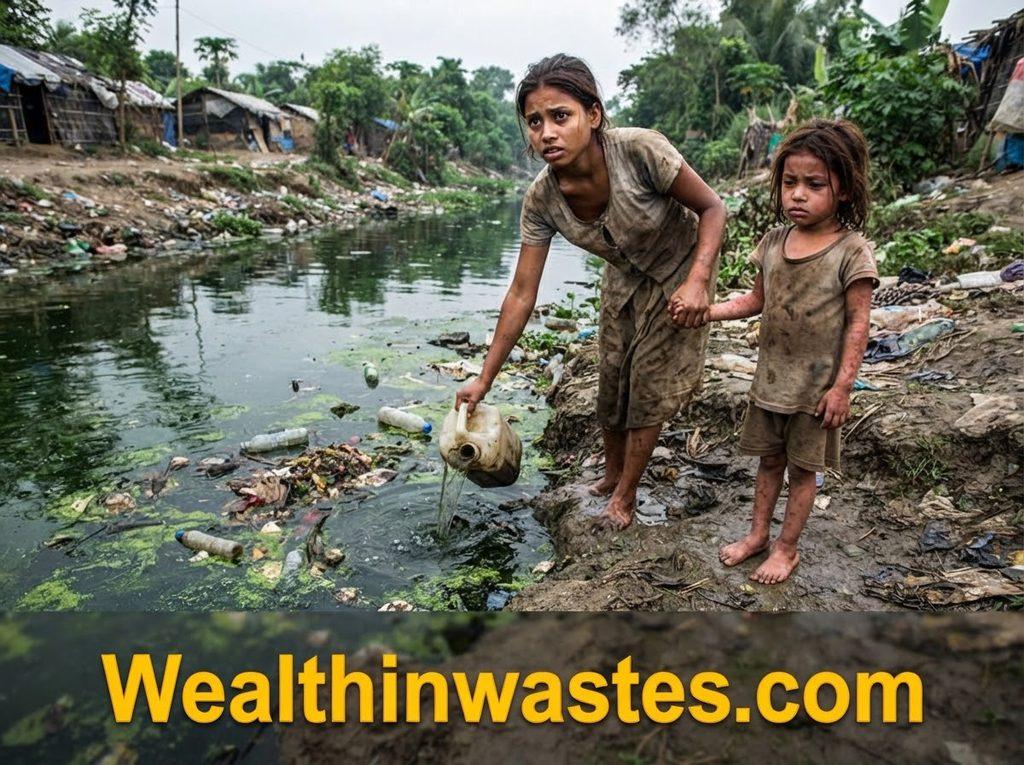
Biological contaminants include bacteria, viruses, protozoa, and other microorganisms that can enter water through sewage, animal waste, stormwater, failing sanitation systems, contaminated surfaces, or unsafe handling practices from both human and animal sources.
Escherichia coli can indicate fecal contamination, and certain strains can cause severe gastrointestinal illness, while other organisms such as Giardia and Cryptosporidium are important causes of waterborne diarrheal disease particularly among vulnerable populations.
Symptoms from contaminated water may include diarrhea, abdominal cramps, nausea, vomiting, fever, fatigue, and dehydration, with severity influenced by the organism and the person’s age or health depending on the duration of illness.
Dehydration can become dangerous rapidly in infants, young children, older adults, and people already weakened by illness, particularly when vomiting and diarrhea cause substantial fluid and electrolyte losses when effective treatment is unavailable.
Cryptosporidium can be difficult to control with some routine disinfection approaches, making filtration, boiling, or treatment methods specifically effective against the organism important when contamination is suspected under emergency or uncertain conditions.
Safe water practices include protecting sources from fecal contamination, maintaining sanitation facilities, washing hands, treating uncertain water appropriately, and storing treated water in clean, covered containers particularly for vulnerable people.
Boiling can kill many disease-causing microorganisms, but boiling does not remove harmful chemicals, heavy metals, or radioactive substances, so the correct treatment method must match the contaminant particularly during household treatment decisions.
When contaminated water causes persistent diarrhea, vomiting, dehydration, bloody stools, breathing difficulty, severe weakness, or symptoms in a vulnerable person, prompt medical evaluation may be necessary while maintaining good personal hygiene.
Read Also: Solid Waste Management Complete Guide
Prevention and Management of Contaminated Water
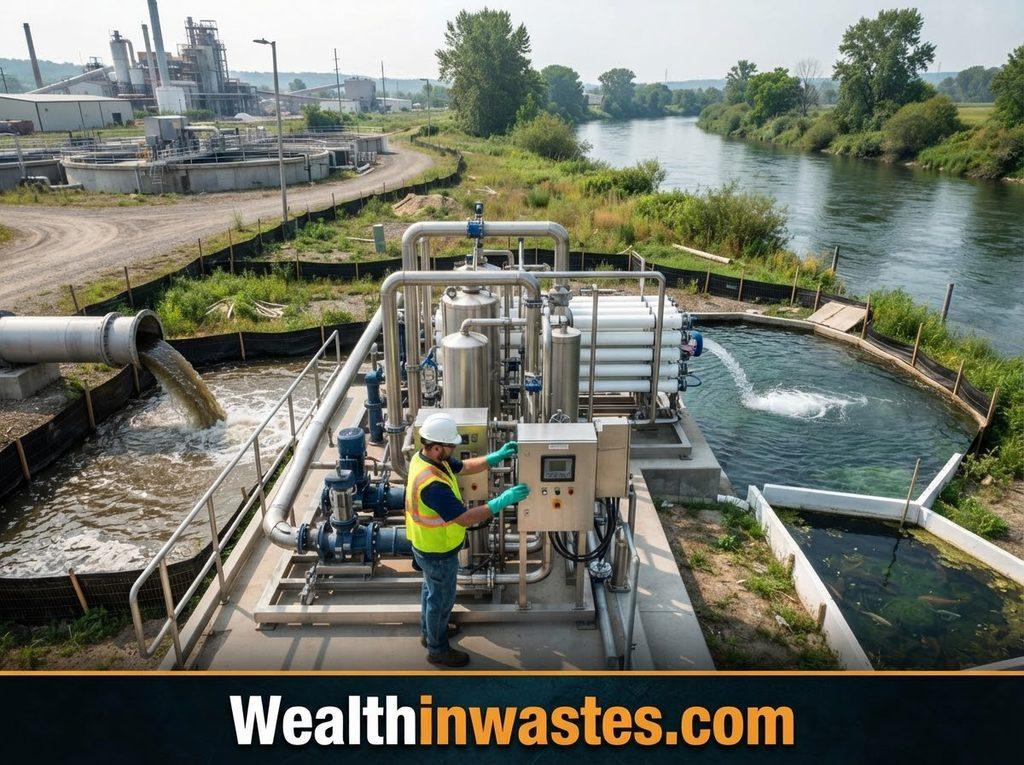
Preventing contaminated water begins with protecting water sources from waste, sewage, animal manure, chemical storage areas, indiscriminate dumping, and other activities that can introduce harmful substances into the environment for reliable household protection.
Proper hazardous waste management reduces contamination risks because poorly managed wastes can release chemicals and polluted liquids that migrate into soil, drains, streams, lakes, and groundwater across rural and urban communities.
Agricultural producers can reduce water pollution by applying fertilizers according to crop needs, controlling erosion, maintaining vegetative buffers, managing manure carefully, and preventing chemical spills near water sources through practical preventive measures.
Communities should maintain drainage, sanitation, wastewater treatment, and monitoring systems because failures in these services can increase the movement of pathogens, nutrients, and hazardous substances into water supplies before harmful concentrations develop.
Households using wells should inspect wellheads, keep contaminants away from the well area, maintain nearby septic systems, and test water when local hazards or changes in quality raise concern through regular monitoring.
Regular laboratory testing provides better protection than relying on appearance because many important contaminants cannot be detected through taste, smell, or color, particularly inorganic chemicals and many microorganisms for long-term public health.
When contamination is discovered, corrective actions should be based on the contaminant identified, measured concentration, exposure pathway, available treatment technology, and intended use of the water where contamination has been confirmed.
Protecting water quality is therefore a shared responsibility involving households, farmers, industries, environmental authorities, water suppliers, health professionals, and communities working together to prevent pollution before exposure occurs rather than reacting only afterward.
Freshwater is the non-saline part of the planet-wide water cycle, and pollutants may include microbial, inorganic, pesticide, herbicide, organic chemical, radioactive, and physical substances. Effective water management protects public health. Understanding these categories also supports informed decisions about treatment, monitoring, waste control, and sustainable use.
Water management is necessary because water supports human survival, agricultural production, sanitation, industry, and ecosystems. Important water-quality characteristics include pH, alkalinity, dissolved ions, turbidity, transparency, nutrients, and biological components.
Waste entering the environment can become an important contamination pathway because water can transport dissolved or suspended substances from disposal areas toward surface waters, drainage channels, soils, and groundwater systems.
Responsible waste disposal practices can therefore support water protection by reducing dumping, uncontrolled burning, leaking disposal sites, and other activities that allow pollutants to move through the surrounding environment.
Communities can further strengthen prevention by supporting sanitation services, maintaining drainage infrastructure, protecting wetlands and vegetation, encouraging responsible farming, and educating residents about practices that reduce pollution at its source.
Farmers should pay particular attention to irrigation water quality because contaminated sources can expose crops, soils, livestock, workers, and nearby communities, while poor irrigation practices may also increase movement of pollutants.
Households can contribute by keeping waste, oils, chemicals, and medicines away from drains and water sources, while using appropriate disposal systems that prevent harmful materials from entering rivers, wells, and groundwater.
Long-term water protection depends on prevention, monitoring, proper treatment, and cooperation among stakeholders because correcting contamination after pollutants have spread can be more difficult, expensive, and disruptive to affected communities.
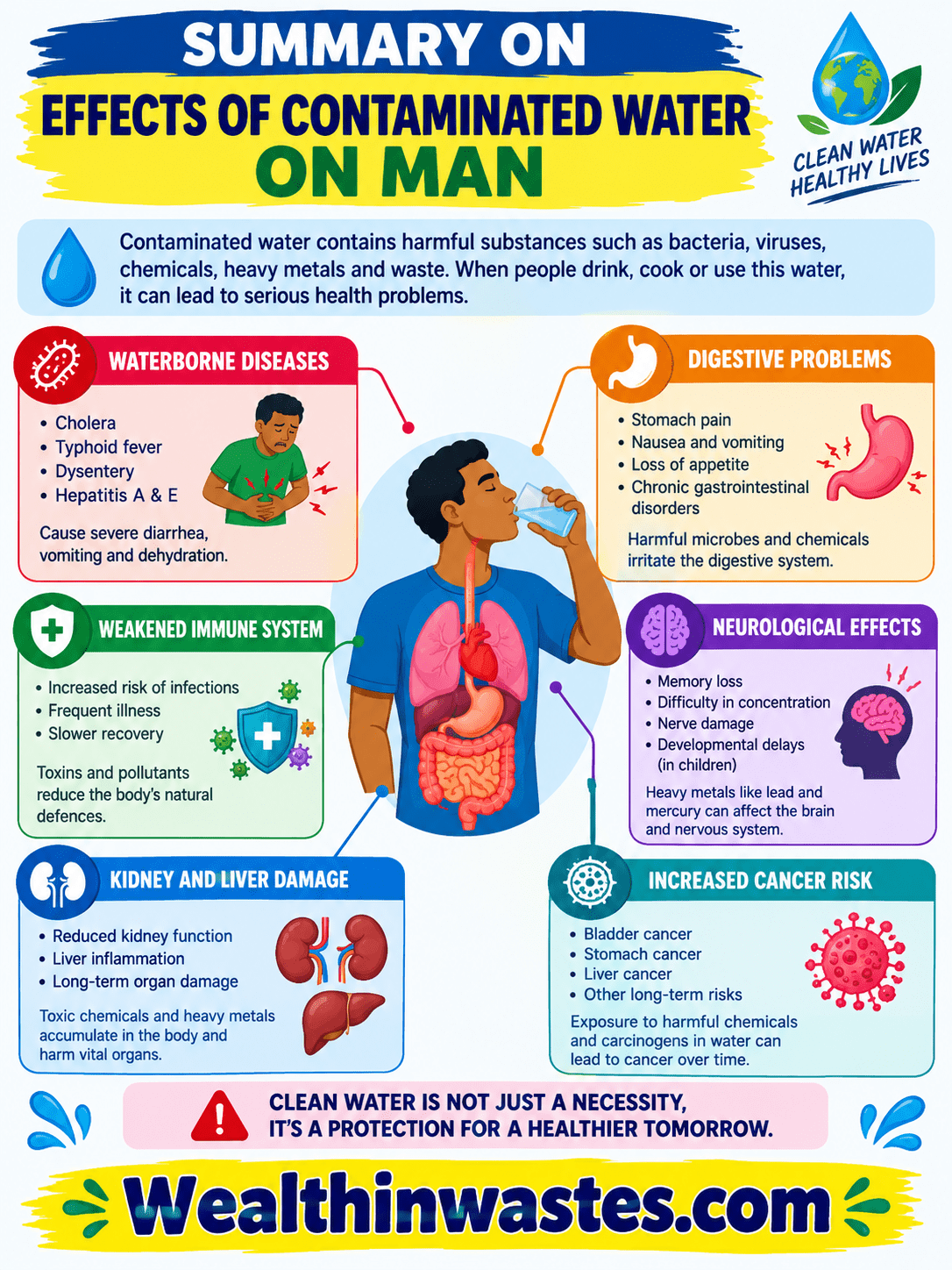
Summary on Effects of Contaminated Water on Man
| Aspect | Summary |
|---|---|
| Water contamination | Occurs when harmful biological, chemical, physical, or radioactive substances alter water quality and make it unsafe for particular uses. |
| Nitrate | Elevated nitrate in drinking water can be particularly dangerous to infants and may cause methemoglobinemia, commonly called blue-baby syndrome. |
| Arsenic | Long-term exposure to inorganic arsenic can contribute to skin problems, cardiovascular effects, developmental concerns, and increased cancer risks. |
| Pesticides | Pesticides may reach water through runoff, drainage, and soil movement, with health risks depending on the chemical, concentration, toxicity, and exposure. |
| Biological contaminants | Bacteria and parasites such as E. coli, Giardia, and Cryptosporidium can cause gastrointestinal illness, diarrhea, vomiting, and dangerous dehydration. |
| Prevention | Source protection, responsible waste management, proper farming practices, sanitation, laboratory testing, and suitable treatment are essential for reducing contamination risks. |
| Public responsibility | Households, farmers, industries, authorities, and communities must cooperate to prevent pollution and maintain safe and sustainable water resources. |
Frequently Asked Questions About Effects of Contaminated Water on Man
1. What are the main effects of contaminated water on human health, and why can those effects range from short-term stomach illness to serious long-term conditions in exposed populations in different exposure circumstances?
Contaminated water can cause gastrointestinal infections, dehydration, chemical toxicity, developmental problems, reproductive concerns, organ damage, and other illnesses depending on pollutant, concentration, exposure route, and duration, and may become fatal.
2. Why are infants particularly vulnerable to nitrate-contaminated drinking water, and what serious condition can develop when nitrate exposure interferes with normal oxygen transport among young children using affected water?
Nitrate can be converted to nitrite in the body, reducing the blood’s oxygen-carrying capacity. Infants can therefore develop methemoglobinemia, commonly called blue-baby syndrome, which may become life-threatening during early infancy.
3. How can arsenic enter drinking water, and why is long-term exposure especially concerning for communities that depend heavily on untreated groundwater for drinking purposes in affected communities safely today?
Arsenic may occur naturally in groundwater or enter water through industrial activity, mining, and waste pathways. Long-term exposure can damage health and increase risks of cancer and developmental problems. Regular testing helps affected communities.
4. Can pesticides and herbicides contaminate drinking water, and what factors determine whether exposure creates a meaningful health risk for people when people consume or regularly contact affected water safely?
Yes, pesticides and herbicides can reach surface water or groundwater through runoff, drainage, or movement through soil. Risk depends on the specific chemical, concentration, toxicity, exposure frequency, and duration. Vulnerable people should avoid exposure.
5. What biological contaminants commonly occur in unsafe water, and how can organisms such as E. coli, Giardia, and Cryptosporidium affect human health through contaminated drinking water supplies in vulnerable households?
E. coli and other bacteria can cause gastrointestinal disease, while Giardia and Cryptosporidium commonly cause diarrhea and related dehydration. Severe illness can be dangerous for young children and older adults. Prompt fluid replacement helps.
6. Does boiling contaminated water make it completely safe, and why does the answer depend on whether the contamination is microbial or chemical in nature during household treatment decisions at home?
Boiling is effective against many disease-causing microorganisms, but it does not remove many chemicals, heavy metals, or radioactive contaminants. Treatment must therefore match the contaminant identified through testing and professional assessment.
7. How can farmers help prevent water contamination, especially when fertilizer, manure, pesticides, irrigation practices, and waste materials are used around agricultural water sources when used on or near cultivated land?
Farmers can reduce contamination by applying farm chemicals carefully, managing manure and wastes properly, controlling erosion, protecting waterways, maintaining buffer areas, and using integrated pest management where appropriate. These measures protect downstream communities.
8. What should households do when they suspect their drinking water is contaminated, and how can testing and appropriate treatment reduce potential health risks before continuing normal household consumption safely?
Households should avoid suspected unsafe water for drinking until its quality is assessed. Laboratory testing can identify contaminants, after which a suitable treatment method or safer source can be selected. Professional advice may be necessary.
Do you have any questions, suggestions, or contributions? If so, please feel free to use the comment box below to share your thoughts. We also encourage you to kindly share this information with others who might benefit from it. Since we can’t reach everyone at once, we truly appreciate your help in spreading the word. Thank you very much for your support and for sharing!
Read Also: Meaning and Importance of Irrigation in Crop Production