


Incineration is an alternative method of treating solid waste through controlled combustion, usually at high temperatures. It can reduce waste volume substantially and may be located relatively close to collection points.
Unlike landfilling, controlled incineration does not generate landfill methane within the combustion chamber because organic materials are thermally destroyed rather than decomposing anaerobically underground.
Incineration can also recover useful heat from combustible waste and convert that energy into electricity or process heat. Nevertheless, these potential benefits are accompanied by significant financial and environmental considerations.
The major limitations include high capital requirements, operating costs, strict emissions controls, sensitivity to waste composition, ash generation, maintenance demands, and lengthy periods before the original investment is recovered.
Landfilling can sometimes be less expensive initially, particularly where suitable land is readily available and existing disposal infrastructure can accommodate additional waste without major expansion.
However, landfills also create environmental challenges, particularly methane generation, leachate formation, land requirements, and long-term monitoring needs, meaning neither disposal method should be considered universally suitable.
Effective decision-making therefore requires consideration of waste characteristics, local environmental conditions, available technology, regulatory requirements, energy markets, financial resources, and community expectations before selecting incineration.
This article examines the major disadvantages of incineration compared with landfilling and explains why waste composition, emissions, operating costs, ash management, and long-term planning influence treatment decisions.
High Capital and Operating Costs
One of the major disadvantages of incineration is its relatively high initial investment. Developing an efficient facility requires combustion chambers, pollution-control equipment, energy-recovery systems, monitoring devices, and supporting infrastructure.
1. Construction investment: Building a modern incinerator can require substantial capital because the facility must safely handle waste reception, combustion, heat recovery, flue-gas treatment, residue handling, and continuous monitoring.
2. Equipment requirements: Incinerators need specialized mechanical, thermal, electrical, and pollution-control equipment that increases construction complexity and can raise procurement, installation, commissioning, and maintenance expenses.
3. Operating expenses: Daily operation requires trained personnel, electricity, fuel during certain operating conditions, replacement parts, inspection, laboratory analysis, waste preparation, and routine maintenance of critical systems.
4. Emission controls: Modern facilities require equipment to control particulate matter and other pollutants from combustion gases. Installing, operating, and maintaining these systems adds significantly to total expenditure.
5. Skilled workforce: Incineration plants require operators and technicians capable of monitoring combustion conditions, equipment performance, emissions, safety systems, and unexpected process problems during continuous facility operation.
6. Long payback period: Because capital expenditure is high, investors may experience longer periods before recovering their initial investment, especially where energy revenues or waste fees are limited.
7. Maintenance burden: High-temperature combustion places considerable stress on equipment, making inspection, cleaning, component replacement, and planned shutdowns important for maintaining reliable long-term operation.
8. Financial risk: Facilities may become economically difficult to sustain when waste quantities decline, energy prices change, maintenance costs increase, or regulatory requirements demand additional pollution-control investment.
These economic issues explain why the waste management hierarchy encourages decision-makers to compare prevention, recycling, composting, energy recovery, and final disposal before committing major resources.
Waste Composition and Calorific Value
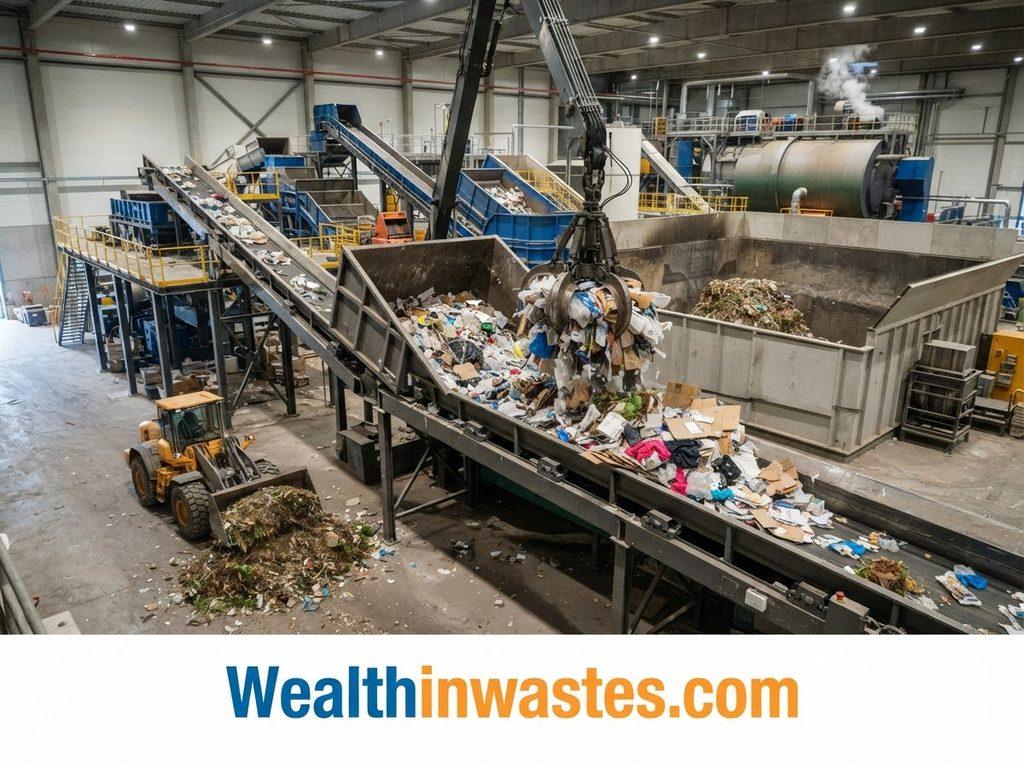
Incinerators are designed to operate within particular ranges of waste composition and calorific value. The calorific value represents the amount of energy available when combustible materials are burned under controlled conditions.
1. Required energy value: A facility needs an appropriate mixture of combustible waste to maintain efficient combustion temperatures without excessive dependence on supplementary fuel.
2. Moisture influence: Waste containing substantial moisture requires more energy to evaporate water, which can reduce the useful energy available for maintaining efficient combustion.
3. Recycling effects: Removing paper, cardboard, plastics, or other combustible materials for recycling can reduce the average calorific value of the remaining waste stream.
4. Seasonal variation: Waste composition can change according to seasons, consumer behaviour, industrial activities, rainfall, agricultural practices, and changing collection patterns, affecting incinerator performance.
5. Poor sorting: Excessive quantities of wet organic materials, inert substances, glass, stones, metals, and other non-combustible materials can make combustion less efficient.
6. Recycling competition: An incinerator requires a consistent combustible feedstock, while recycling systems intentionally remove valuable materials that could otherwise contribute to the energy content of incoming waste.
7. Process instability: Large fluctuations in waste quality can make temperature control more difficult and may require operators to adjust combustion conditions or supplementary fuel inputs.
8. Planning requirement: Reliable facility design therefore requires detailed knowledge of waste generation rates, moisture content, composition, heating value, seasonal variation, and expected future changes.
The relationship between waste composition and treatment technology is also discussed in the classification and characteristics of solid waste, which demonstrates why different waste streams require different management approaches.
Read Also: Advantages of Incineration of Wastes over of Landfills
Air Emissions and Public Health Concerns
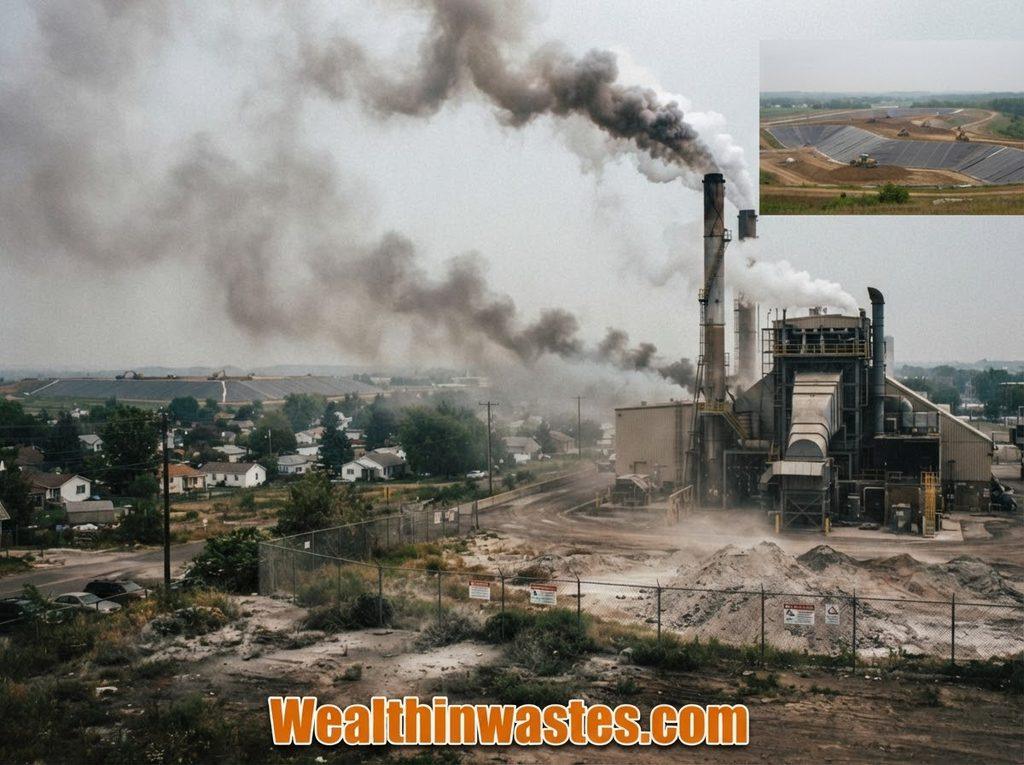
Another important disadvantage concerns emissions released during combustion. Even modern facilities require sophisticated controls because burning waste can generate particulate matter, acid gases, metals, and other combustion-related pollutants.
1. Particulate emissions: Fine particles can be generated during combustion and must be captured effectively through appropriate filtration and other air-pollution control technologies.
2. Acid gases: Depending on the waste composition, combustion can produce gases such as sulphur dioxide and hydrogen chloride, requiring suitable treatment before controlled atmospheric release.
3. Nitrogen oxides: Combustion at high temperatures can contribute to nitrogen oxide formation, making temperature management and emissions-control systems important parts of facility operation.
4. Trace contaminants: Certain waste streams may contain heavy metals and persistent chemical substances that require careful handling, monitoring, and appropriate control throughout the treatment process.
5. Public concern: Communities located near incineration facilities may remain concerned about possible health effects even where facilities comply with applicable emission limits and monitoring requirements.
6. Monitoring requirements: Continuous or periodic emissions monitoring, laboratory testing, equipment calibration, record keeping, reporting, and regulatory inspections can add substantial operational responsibilities and costs.
7. Technology dependence: Effective emission control depends upon reliable operation of filters, scrubbers, temperature systems, sensors, and other equipment, creating additional maintenance and management requirements.
8. Community acceptance: Public confidence can be difficult to maintain when residents perceive potential environmental or health risks, making communication, transparency, monitoring, and regulatory enforcement essential.
WealthInWastes also examines these broader concerns under the health and environmental impacts of waste, emphasizing the importance of controlling exposure pathways and pollution sources.
Whilst modern incinerators can incorporate advanced pollution-control systems, the possibility of emissions means facilities must operate under appropriate environmental standards and undergo regular performance monitoring.
Production and Management of Ash Residues
Incineration does not completely eliminate waste. Instead, combustion transforms much of the original material into gases, heat, bottom ash, fly ash, and other residues requiring appropriate handling after treatment.
1. Bottom ash: Heavier materials that remain after combustion collect at the bottom of the furnace and may require cooling, handling, processing, transport, and controlled disposal.
2. Fly ash: Fine particles captured from flue gases can contain concentrated contaminants and therefore may require more careful handling and specialized management than ordinary municipal residues.
3. Residue transportation: Ash must be transported from the facility to an appropriate treatment, recovery, storage, or disposal location, creating additional logistics and financial requirements.
4. Disposal requirement: Incineration therefore does not remove the need for final disposal entirely because residual materials still require safe management after combustion.
5. Potential contamination: Some residues may contain concentrated metals or other contaminants, making characterization and appropriate disposal important before any reuse or landfill placement.
6. Storage considerations: Temporary ash storage requires secure facilities capable of limiting wind dispersal, uncontrolled runoff, worker exposure, and unnecessary contact with surrounding environments.
7. Recovery opportunities: Some facilities may recover metals or beneficial materials from certain residues, although recovery requires suitable technology, markets, quality controls, and regulatory approval.
8. Remaining disposal burden: Where beneficial recovery is impractical, residual ash may still require engineered disposal, meaning incineration shifts part of the waste problem rather than removing it completely.
The need for final residue management is also reflected in traditional waste management methods, where incineration is described as producing a residual fraction that still requires attention.
Incineration Compared with Landfilling
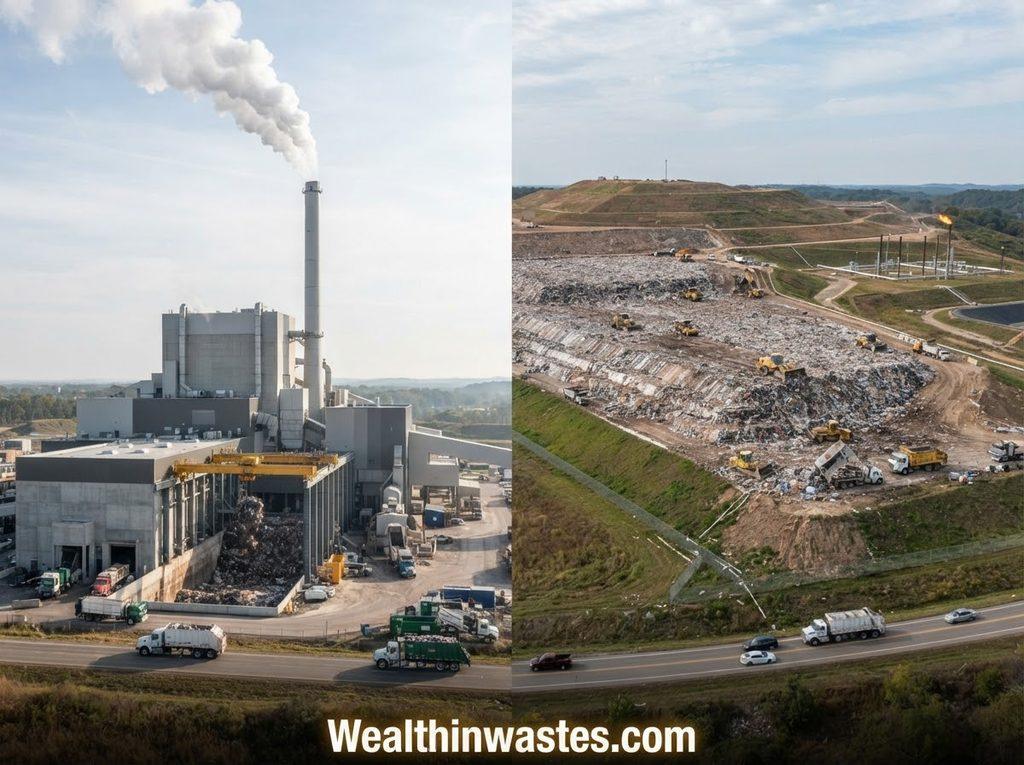
Incineration and landfilling represent different approaches to residual waste management. Incineration uses thermal treatment to reduce waste volume, whereas landfilling places waste in engineered or controlled disposal areas.
1. Land requirement: Incineration generally requires less final disposal land because waste volume is substantially reduced, while landfills require considerable space over extended operating periods.
2. Methane generation: Landfilled organic waste can decompose anaerobically and generate methane, while controlled combustion does not produce methane through anaerobic decomposition inside the furnace.
3. Energy recovery: Incinerators can recover heat from combustible waste, whereas landfills may recover energy from collected landfill gas after decomposition occurs under controlled conditions.
4. Capital cost: Incineration generally requires more sophisticated infrastructure and higher initial capital expenditure than conventional landfill development, although modern sanitary landfills also require substantial engineering.
5. Operating complexity: Incineration requires continuous technical control of combustion, emissions, feedstock, temperatures, and equipment, whereas landfill operation focuses more heavily on placement, compaction, covering, drainage, and monitoring.
6. Residual material: Incineration reduces waste volume but still generates ash and other residues, while landfilling retains the original waste mass within a managed disposal environment.
7. Environmental risks: Landfills can present risks involving methane and leachate, while incinerators require strong controls for air emissions and careful management of combustion residues.
8. Site conditions: Choosing between the methods requires assessment of land availability, waste characteristics, population density, environmental sensitivity, infrastructure, regulatory standards, and long-term financial sustainability.
Readers can learn more about landfill characteristics through the principles of sanitary landfill disposal, including containment, gas management, and environmental protection requirements.
Read Also: How to Make Compost from Kitchen Waste
Incineration and the Waste Management Hierarchy
Incineration should not normally be considered the first response to every waste stream. A comprehensive waste strategy begins by preventing unnecessary waste and then recovering useful materials wherever practical.
1. Waste prevention: Reducing waste generation at source decreases the amount requiring collection, transport, treatment, recovery, or final disposal and therefore reduces pressure on management infrastructure.
2. Reuse: Reusing products and materials can preserve more of their original value than destroying them through thermal treatment before their useful life is exhausted.
3. Recycling: Materials such as paper, metals, glass, and suitable plastics may provide greater resource-recovery value when recycled rather than combusted in an incineration facility.
4. Composting: Suitable biodegradable materials should be considered for composting where practical, because biological processing can return valuable organic matter to agricultural soils.
5. Energy recovery: Non-recyclable combustible waste can be considered for energy recovery when the technology, emissions controls, economics, and local waste characteristics support responsible operation.
6. Final disposal: Residues remaining after treatment, recovery, recycling, or other practical measures still require suitable final disposal through approved waste-management systems.
7. Integrated planning: Communities should combine different waste-management methods rather than relying exclusively on one technology, especially where waste streams contain materials with different physical and chemical characteristics.
8. Resource conservation: A balanced strategy should maximize material recovery, minimize environmental harm, control costs, and ensure that waste treatment technologies are matched to local conditions.
This approach is supported by the principles of reducing, reusing, and recycling waste, which encourage resource conservation before disposal becomes necessary.
Other Practical Limitations of Incineration
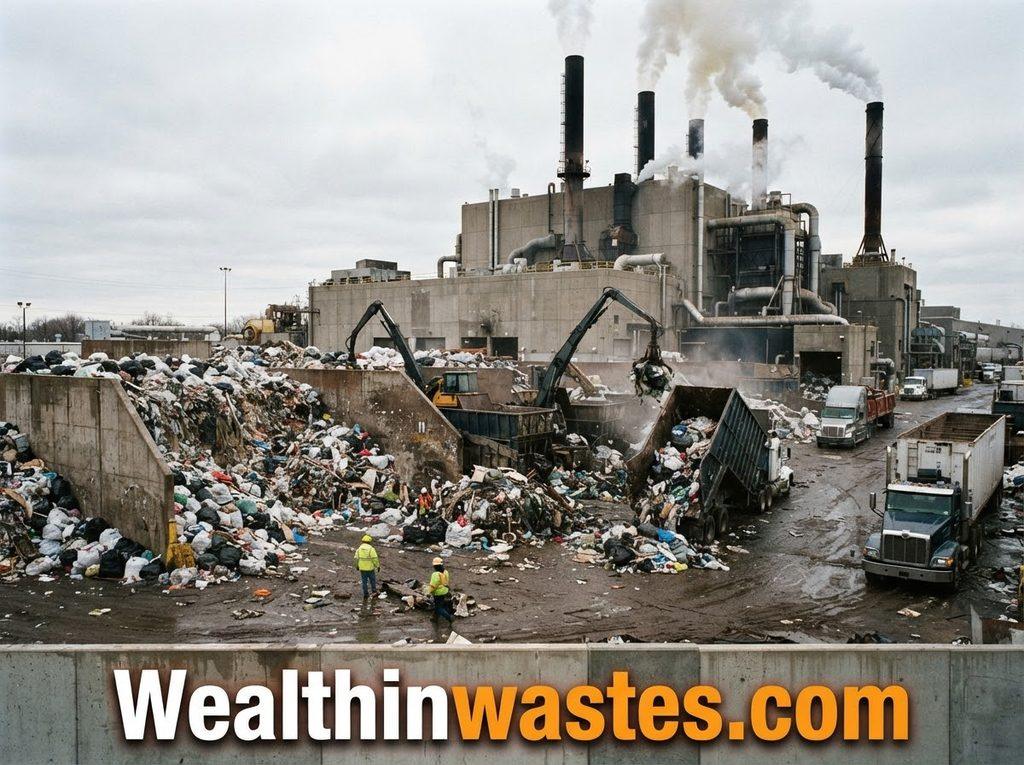
Beyond cost, emissions, feedstock requirements, and ash production, incineration can face practical challenges that affect its suitability for different communities and waste-management authorities.
1. Feedstock dependence: Facilities require a reasonably consistent supply of combustible waste, making poor collection systems, seasonal shortages, or aggressive waste reduction potentially difficult for operations.
2. Technical dependence: Complex equipment means facilities depend upon trained personnel, reliable spare parts, specialized contractors, laboratory services, and dependable electricity supplies.
3. Regulatory burden: Incinerators must operate within applicable environmental, occupational safety, air-quality, waste-handling, and monitoring requirements, creating continuous compliance responsibilities.
4. Community opposition: Residents may oppose proposed facilities because of concerns about emissions, traffic, odours, ash handling, property values, or perceived environmental risks.
5. Infrastructure needs: Efficient operation requires reliable waste collection, sorting, transportation, utilities, maintenance services, access roads, monitoring systems, and appropriate facilities for residues.
6. Market dependence: Energy recovery can improve economics, but revenues depend upon electricity prices, heat demand, financing structures, operating performance, and the availability of suitable customers.
7. Technology limitations: Not every waste stream is suitable for conventional combustion, particularly where materials contain excessive moisture, inert matter, hazardous constituents, or inadequate combustible content.
8. Long-term commitment: Once constructed, an incineration plant represents a major long-term investment that requires reliable waste supplies, technical management, financing, maintenance, and regulatory oversight.
Summary on Disadvantages of Incineration of Wastes over of Landfills
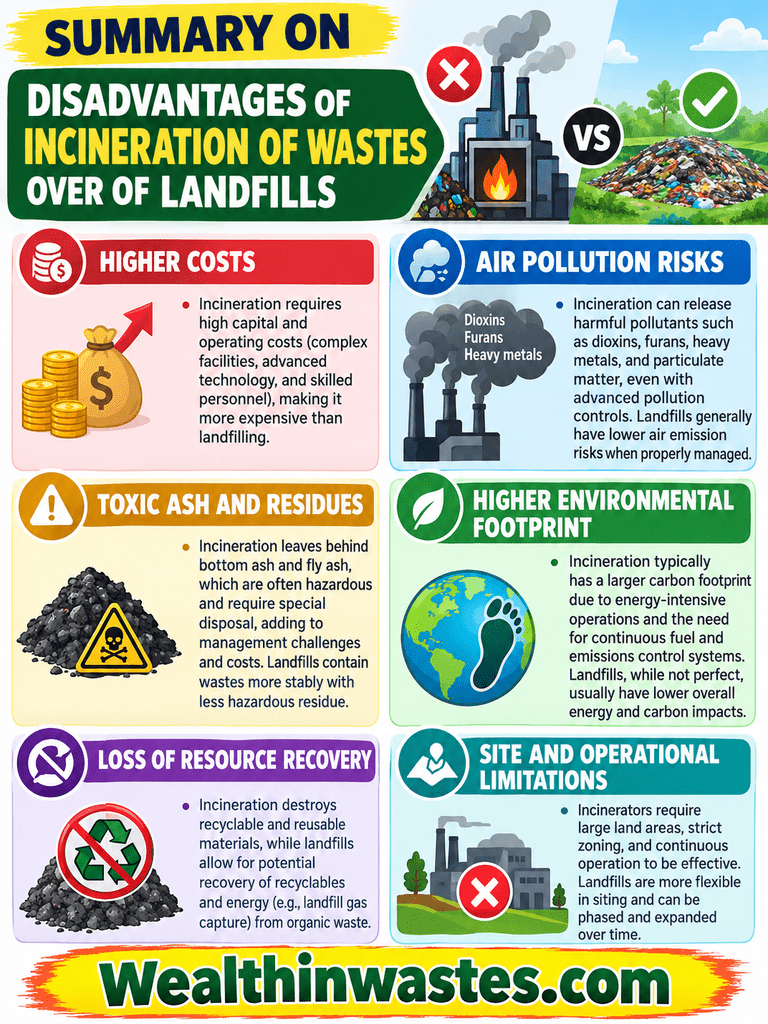
| Aspect | Summary |
|---|---|
| Incineration | A controlled thermal waste-treatment method that substantially reduces waste volume and can recover heat or electricity. |
| Capital cost | Incineration generally requires major investment in combustion, pollution-control, monitoring, energy-recovery, and residue-management infrastructure. |
| Operating cost | Skilled labour, maintenance, energy, monitoring, replacement components, and regulatory compliance increase ongoing expenses. |
| Calorific value | Incinerators require suitable combustible waste with adequate energy content for efficient and stable combustion. |
| Recycling effect | Removing combustible paper or plastics for recycling can change the calorific value and composition of the remaining waste. |
| Air emissions | Combustion can generate pollutants, requiring efficient pollution-control systems, monitoring, maintenance, and regulatory oversight. |
| Public concern | Communities may remain concerned about emissions and potential health effects, making transparency and regulatory compliance essential. |
| Ash residue | Incineration produces bottom ash, fly ash, and other residues that require appropriate handling, recovery, treatment, or disposal. |
| Landfilling | Landfills require substantial space and can generate methane and leachate, but may have lower initial costs in some locations. |
| Best approach | Waste prevention, reuse, recycling, composting, energy recovery, and controlled final disposal should be integrated according to local conditions. |
Frequently Asked Questions About Disadvantages of Incineration of Waste Compared with Landfilling
1. What is incineration of waste?
Incineration is the controlled combustion of waste at high temperatures to reduce its volume, destroy combustible materials, and potentially recover useful heat or electricity.
2. Why is incineration more expensive than landfilling in some cases?
Incineration requires expensive combustion, pollution-control, monitoring, energy-recovery, and residue-management equipment, creating substantial capital and operating costs.
3. Does incineration produce methane?
Controlled combustion does not generate landfill methane within the furnace because waste is thermally treated rather than decomposed anaerobically.
4. Why is calorific value important in incineration?
Calorific value determines how much energy combustible waste can release and influences whether an incinerator can maintain suitable combustion conditions efficiently.
5. Can recycling affect incinerator performance?
Yes. Removing combustible materials such as paper and plastics can change the composition and average energy content of the remaining waste stream.
6. What are the major environmental concerns associated with incineration?
The major concerns include air emissions, resource consumption, ash generation, residue disposal, and potential environmental impacts when pollution controls are inadequate.
7. What happens to waste after incineration?
Combustible materials are transformed into gases and heat, while solid residues such as bottom ash and fly ash remain and require subsequent management.
8. Is incineration better than landfilling?
Neither method is universally better. The appropriate choice depends upon waste composition, land availability, costs, environmental standards, infrastructure, and local management objectives.
9. Can incineration generate useful energy?
Yes. Heat released during combustion can be recovered for electricity generation, industrial processes, district heating, or other suitable energy applications.
10. What should communities consider before building an incinerator?
Communities should assess waste composition, quantity, calorific value, capital costs, emissions requirements, residue management, technical capacity, energy markets, and long-term financial sustainability.
Do you have any questions, suggestions, or contributions? If so, please feel free to use the comment box below to share your thoughts. We also encourage you to kindly share this information with others who might benefit from it. Since we can’t reach everyone at once, we truly appreciate your help in spreading the word. Thank you very much for your support and for sharing!
Read Also: How to Manage Waste from Fish Farm to Avoid Causing Nuisance