


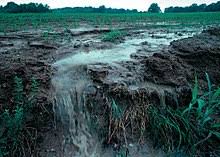
Water moves through the environment in several ways after rainfall. Some precipitation enters the soil through infiltration, some returns to the atmosphere through evaporation, and some travels across or beneath the land as runoff.
Runoff connects rainfall, farmland, settlements, streams, rivers, lakes and groundwater. Understanding how it develops helps farmers and planners manage soil moisture, reduce erosion, limit flooding and protect water quality over time.
The amount of runoff varies with rainfall intensity, soil condition, vegetation, slope, land use and how wet the ground already is. These factors influence how quickly water reaches nearby channels.
In farming areas, poorly controlled runoff can remove fertile topsoil, carry fertilisers and pesticides into waterways, and leave crops with less available moisture. In towns, it can overwhelm drains and increase flood risk.
This article explains the meaning of runoff, distinguishes quick flow from delayed flow, describes the main sources and components, and outlines factors and practical measures that influence runoff management in the landscape.
Definition of Runoff
Runoff is the portion of precipitation that moves across the land surface or through shallow and deep soil pathways towards streams, rivers, lakes, wetlands, and other receiving water bodies in a drainage basin.
In hydrology, runoff is closely connected with land and soil resources because soil texture, compaction, slope, vegetation, and the amount of water already stored in the ground affect the path rainfall follows.
A drainage basin, also called a catchment, is the area of land that collects precipitation and directs water towards a common outlet. Hydrologists use its boundary to study water movement.
This basin-based view supports responsible freshwater management because it connects rainfall, land use, stream levels, and the availability of water for homes, farms, industries, and ecosystems within the same catchment.
Read Also: Soil Conservation: Meaning, Categories and Soil Management Practices
Quick Flow and Delayed Flow

Runoff reaches river channels through pathways that operate at different speeds. Hydrologists commonly distinguish quick flow, which responds rapidly to rainfall, from delayed flow, which sustains streamflow after rainfall decreases or stops.
1. Quick Flow: Quick flow reaches a stream soon after rainfall, often through surface runoff or shallow subsurface routes. It can cause a sharp rise in river levels and carry pollution from human activities into channels.
2. Delayed Flow: Delayed flow reaches channels more slowly through groundwater and subsurface pathways. It sustains rivers after rainfall ends, although human pressures can alter freshwater systems during dry periods in some basins.
3. Global Estimate: Ward and Robinson (2000) reported that about 36% of precipitation on land reaches the oceans as runoff, with quick flow contributing around 11 percentage points and delayed flow about 25.
Main Sources and Components of Runoff
Water reaches stream channels through different routes, depending on rainfall, soil conditions, vegetation, and drainage characteristics. The following four components help explain how precipitation becomes streamflow within a catchment.
1. Direct Channel Precipitation: Rain that falls directly onto rivers, streams, lakes, or wetlands enters the water system immediately. Its contribution is usually limited where open water covers only a small portion of the catchment.
2. Overland Flow: Water travels across the ground when rainfall exceeds infiltration or the soil becomes saturated. This route can move sediment and other materials into streams, including water pollutants from different sources.
3. Through Flow: Infiltrated water moves sideways through upper soil layers before reaching a channel. Its speed depends on soil layers, slope, and drainage, so catchment planning should coordinate soil, water, and vegetation resources.
4. Groundwater Flow: Water percolates deeper into saturated soil and rock, then gradually discharges into channels. Because underground movement can be slow, this source often maintains river flow for days or longer after rainfall.
Channel Precipitation and Runoff
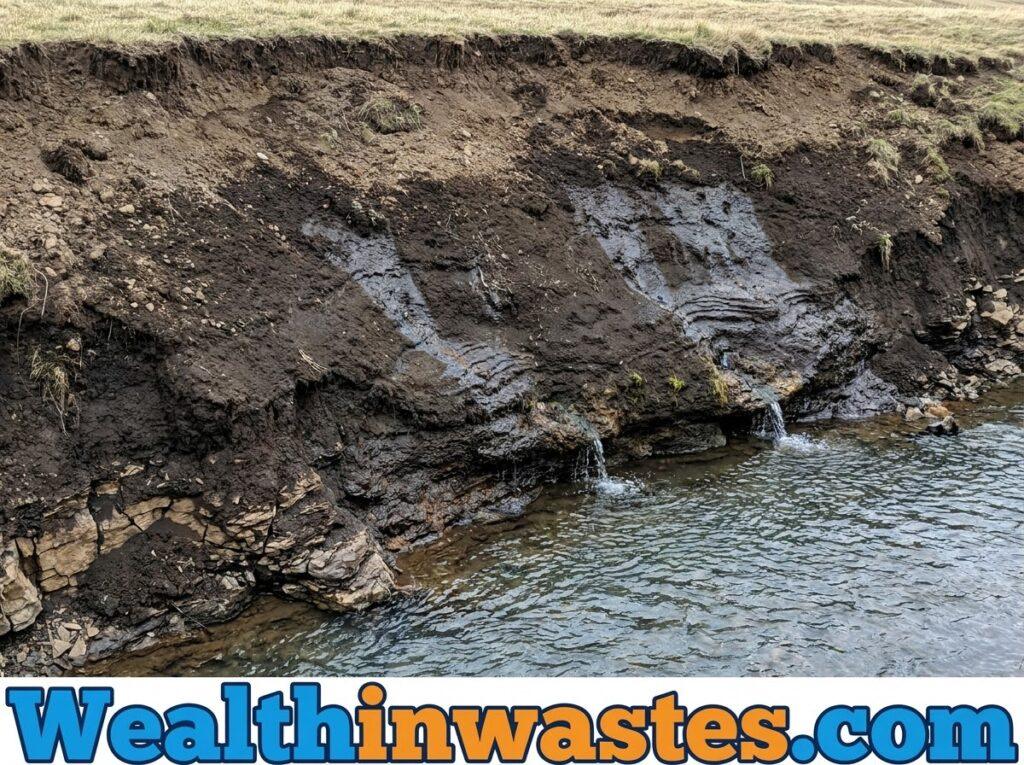
Rain falling directly onto a river or lake becomes runoff without first travelling across land. This input matters most in basins with broad lakes, wetlands, reservoirs, or extensive channel networks.
In many catchments, channels cover only a small share of the total land area, so direct rainfall contributes less than water arriving from slopes. Even so, wetlands can provide important ecosystem support.
The direct contribution can increase temporarily when stormwater fills channels, ponds, or swamps. In developed areas, keeping rubbish out of drains also reduces blockages that worsen flooding during heavy rainfall.
Overland Flow and Surface Water Movement
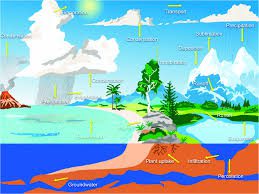
Overland flow is water moving across the land surface towards a stream, ditch, pond, or other low point. It develops when the ground cannot absorb rainfall quickly enough during a storm.
1. Rainfall-Excess Flow: When rain falls faster than the soil can absorb it, water accumulates at the surface. This process is common on compacted farmland, sealed ground, and heavily used paths.
2. Saturation Overland Flow: When soil becomes saturated or a shallow water table reaches the surface, additional rainfall runs off. This can worsen waterlogging and irrigation-related soil problems in poorly drained fields.
3. Land-Use Effects: Runoff response depends on how people use land. Roads, roofs, and compacted yards absorb little rainfall, while poorly managed cultivated land and irrigation areas may lose excess water and soil.
4. Contaminant Transport: Runoff can carry fertilisers, manure, sediment, and pesticide residues away from fields. Knowing how chemicals move through treated soil helps farmers reduce pesticide transport beyond the application area.
5. Vegetative Cover and Mulch: Grass, crop residues, cover crops, and organic mulch protect soil from raindrop impact, slow surface water, and reduce soil loss. Reusing wood waste as mulch can provide a useful protective layer.
Through Flow Beneath the Soil Surface
Through flow, sometimes called interflow, begins when rainfall infiltrates the ground and then moves sideways through upper soil horizons towards channels. It commonly occurs when lateral movement is easier than downward drainage.
During intense or prolonged rain, the upper soil may receive water faster than lower layers can transmit it. Water then builds up above a less permeable layer and travels downhill through the soil.
This pathway can deliver water to streams after a storm begins, so flow may rise even when little visible surface water appears. Persistent soil disturbance and declining land condition can change how much water infiltrates.
Vegetation, organisms, and soil structure influence this subsurface route; healthy ground cover can support infiltration and stabilise habitats. Such interactions form part of the environmental conditions shaping biodiversity across a catchment.
Groundwater Flow and Base Flow
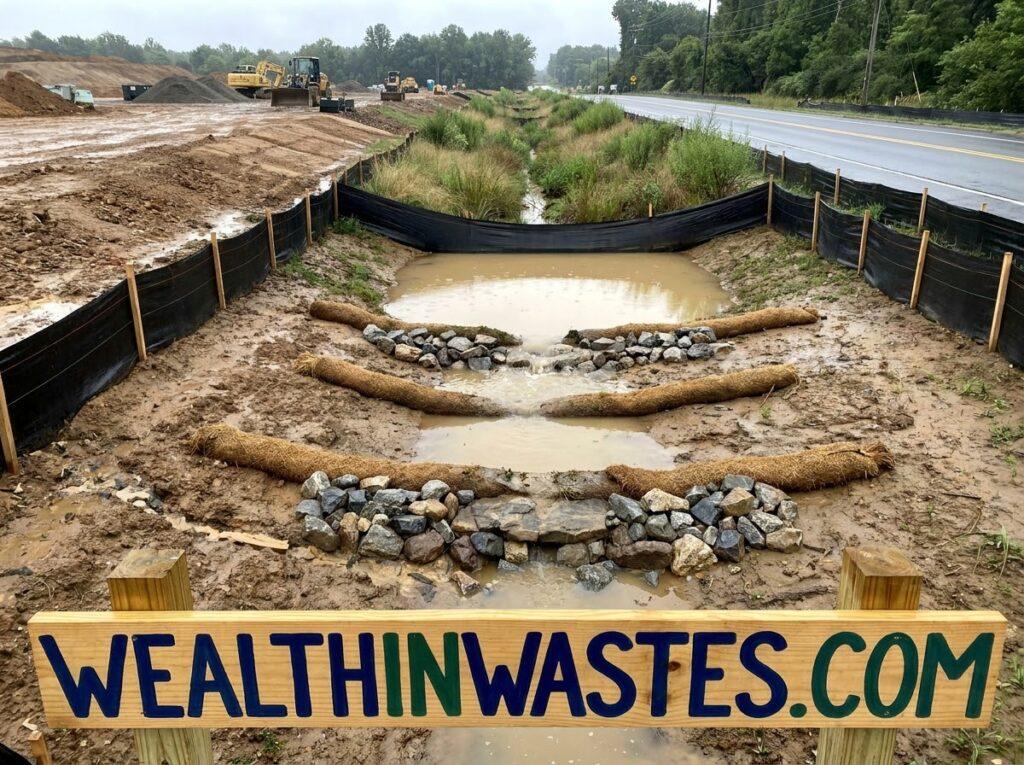
Groundwater flow occurs when infiltrated precipitation moves downwards into saturated soil, sediment, and rock. The water can later enter streams and rivers, providing a steady contribution to total runoff.
1. Recharge and Movement: Part of infiltrated rain percolates through soil into saturated rock or sediment. This groundwater moves along hydraulic gradients and can eventually feed springs, streams, and rivers, supporting regional water supply.
2. Delayed Base Flow: Groundwater often reaches channels days, weeks, or months after rainfall, sustaining rivers during dry weather. Monitoring wastewater sources and contamination pathways helps protect groundwater quality over time.
3. Quality Protection: Groundwater can receive contaminants where polluted water infiltrates soil, especially near leaking septic systems, dumps, or drains. Effective wastewater treatment helps reduce contamination before discharge.
4. Surface Water Connection: Groundwater and surface water are linked; excessive pumping may lower the water table and reduce river discharge. Responsible water-resource use and pollution control keeps supplies more reliable locally.
Key Factors That Influence Runoff
Runoff varies from one catchment to another because natural conditions and human activities determine how much rainfall infiltrates, how rapidly water moves, and how quickly it reaches streams or rivers.
1. Rainfall Intensity and Duration: Heavy rain falling within a short period can exceed the soil’s infiltration capacity and generate rapid runoff. Prolonged rainfall can also saturate the ground and increase discharge.
2. Soil Type and Structure: Sandy, well-structured soils generally allow more infiltration than compacted, sealed, or clay-rich soils. Surface crusting, trampling, and heavy machinery can reduce infiltration and increase water movement across fields.
3. Slope and Topography: Steep slopes often increase runoff velocity and shorten the time water takes to reach channels. Depressions and flatter areas may temporarily store water, depending on soil conditions and drainage.
4. Vegetation and Soil Cover: Plant canopies intercept rain, while roots and organic matter improve soil structure. Bare surfaces commonly experience greater raindrop impact, erosion, and rapid surface flow than well-covered ground.
5. Land Use and Drainage: Urban development, deforestation, road construction, and poorly maintained drainage alter water movement. Runoff can also transport pollution from farms, roads, and settlements into receiving waterways.
Runoff Management and Practical Control Measures
Runoff management aims to reduce destructive surface flow, protect fertile soil, conserve useful moisture, and keep drainage systems functioning. Effective control combines appropriate land use, vegetation, soil management, and safe drainage.
1. Maintain Vegetation Cover: Keep soil covered with suitable crops, cover crops, grasses, or crop residues wherever practical. This reduces raindrop impact, slows surface flow, and helps retain soil moisture during dry periods.
2. Improve Soil Structure: Add suitable organic matter, reduce unnecessary soil disturbance, and prevent repeated compaction. Better soil structure improves infiltration, supports crop roots, and reduces the volume of water escaping across exposed fields.
3. Use Contour Farming and Terraces: On suitable slopes, cultivate across the contour and construct properly designed terraces or bunds. These measures slow runoff, reduce erosion, and help direct excess water towards safe outlets.
4. Protect Drainage Channels: Remove obstructions safely, maintain suitable drainage routes, and prevent indiscriminate dumping. Combine these actions with water-quality protection at source and practical ways to reduce water pollution to limit downstream damage.
Read Also: Methods of Disposal of Waste Pesticide Containers
Summary on Definition, Sources and Components of Runoff
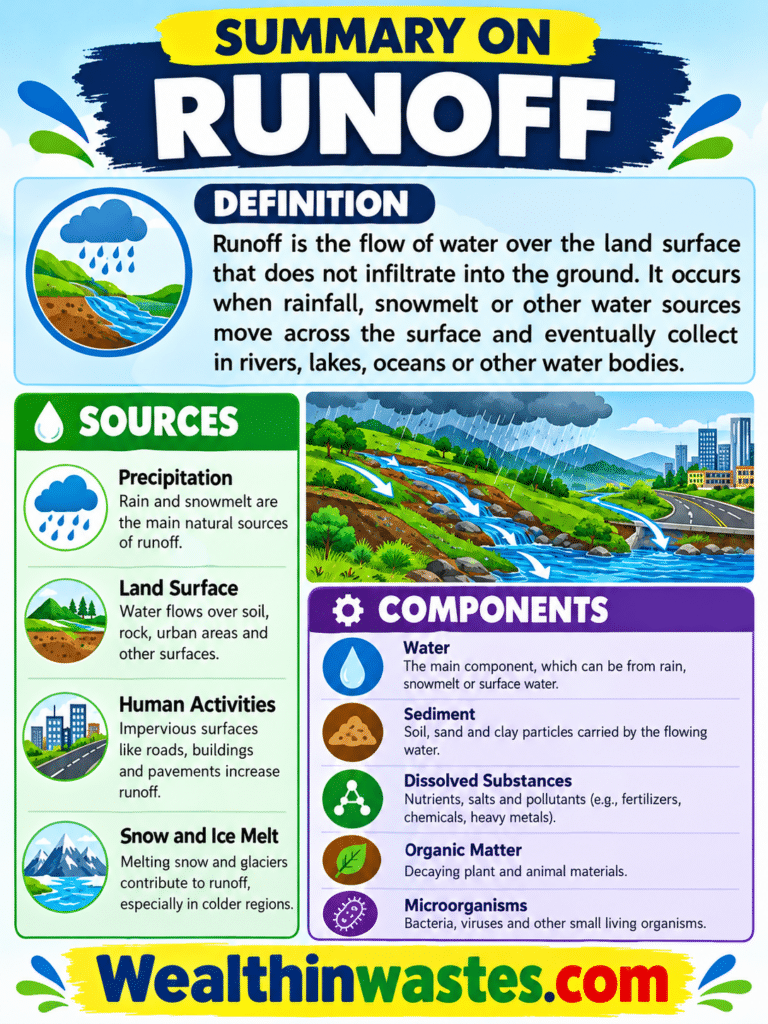
| Topic | Summary |
|---|---|
| Definition of Runoff | Water from precipitation that moves over the land or through subsurface pathways towards streams, rivers, lakes, and other water bodies. |
| Quick Flow | Rapid water movement towards channels, often causing a quick rise in stream levels after rainfall. |
| Delayed Flow | Slower movement, particularly groundwater discharge, that helps maintain river flow during dry periods. |
| Main Sources | Direct channel precipitation, overland flow, through flow, and groundwater flow. |
| Influencing Factors | Rainfall intensity, soil structure, slope, vegetation, land use, soil moisture, and drainage conditions. |
| Major Effects | Runoff can cause flooding, remove fertile topsoil, transport pollutants, and deposit sediment in waterways. |
| Control Measures | Vegetation cover, mulching, improved soil structure, contour farming, terraces, and effective drainage management. |
Frequently Asked Questions About Runoff: Definition, Sources and Main Components Explained
1. What Is Runoff?
Runoff is precipitation that moves over the ground or through soil towards streams, rivers, lakes, and other receiving water bodies within a drainage basin.
2. What Are the Main Sources of Runoff?
The main sources are direct precipitation onto channels, overland flow across land, through flow within shallow soil, and groundwater flow into streams and rivers.
3. What Is the Difference Between Quick Flow and Delayed Flow?
Quick flow reaches streams soon after rainfall, whereas delayed flow arrives more slowly through subsurface pathways and groundwater, helping maintain streamflow during dry periods.
4. Which Factors Increase Runoff?
Intense rainfall, compacted soil, steep slopes, limited vegetation, saturated ground, and impermeable urban surfaces can increase the volume or speed of runoff.
5. How Does Runoff Affect Agriculture?
Excessive runoff removes fertile topsoil, nutrients, and organic matter, carries agricultural chemicals into waterways, and reduces the rainfall retained for crop growth.
6. How Can Farmers Control Runoff?
Farmers can maintain vegetation, apply mulch, improve soil structure, avoid compaction, practise contour farming, construct suitable terraces, and manage drainage responsibly.
Do you have any questions, suggestions, or contributions? If so, please feel free to use the comment box below to share your thoughts. We also encourage you to kindly share this information with others who might benefit from it. Since we can’t reach everyone at once, we truly appreciate your help in spreading the word. Thank you very much for your support and for sharing!
Read Also: Soil and Water Conservation in Agriculture