


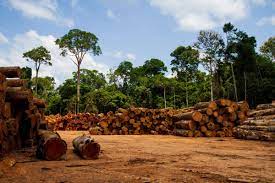
The sustainable management of natural resources means meeting today’s needs while protecting the natural systems that future generations depend on. It requires careful decisions about land, water, forests, minerals, energy, and materials.
However, daily choices, population change, high consumption, waste, and poorly planned development can place more pressure on these resources than ecosystems can recover from. These pressures affect communities and businesses.
The issue is not simply that people use resources; it is how quickly they use them, how fairly benefits are shared, and whether pollution exceeds the natural environment’s capacity to recover.
Farmers, households, companies, and governments all influence sustainability through production methods, transport, food choices, energy use, building plans, and waste disposal. Small improvements become meaningful when people apply them consistently.
This article explains the major challenges in sustainable resource use, examines the relationship between economic growth and environmental pressure, and outlines practical ways to conserve resources without ignoring livelihoods, jobs, or development needs today.
Human Behaviour and Resource Use
Human behaviour can either protect resources or accelerate their decline. Actions that appear convenient in the short term may increase pollution, damage habitats, or contribute to environmental damage when they become widespread.
1. Excessive Consumption: Buying more than necessary, replacing usable goods frequently, and choosing resource-intensive products increase extraction, energy demand, and waste. Planning purchases and repairing or reusing items can reduce pressure without lowering quality of life.
2. Burning and Deforestation: Burning crop residues and clearing trees release smoke and carbon, expose soil to rain, and reduce wildlife habitat. These practices accelerate environmental degradation when they continue unchecked across farms and surrounding communities.
3. Poor Waste Disposal: Dumping garbage, sewage, or chemicals can contaminate soil and water, while careless pesticide use harms beneficial organisms. Follow product directions and use safe collection systems rather than open burning or field dumping.
4. Overfishing and Inefficient Energy Use: Overfishing, inefficient fuel use, excessive meat consumption, and urban sprawl add pressure to ecosystems. Better public transport, efficient equipment, responsible fishing, and balanced diets help reduce avoidable demand for natural resources.
5. Unsustainable Farming: Continuous cropping without sufficient soil restoration removes nutrients faster than natural processes can replace them. Crop rotation, cover crops, organic matter, and appropriate fallowing help farmers maintain fertility while protecting long-term productivity.
6. Poor Urban Planning: Uncontrolled construction on farmland, settlement growth in water-scarce areas, and inadequate drainage increase pressure on land and water. Thoughtful planning protects productive landscapes and improves access to essential services.
7. Dependence on Unsustainable Habits: Communities can struggle to conserve resources when convenience, short-term profit, and constant consumption guide every decision. Environmental education and practical alternatives encourage responsible choices without placing unnecessary burdens on households.
Read Also: Methods of Disposal of Waste Pesticide Containers
Population Growth and Resource Consumption
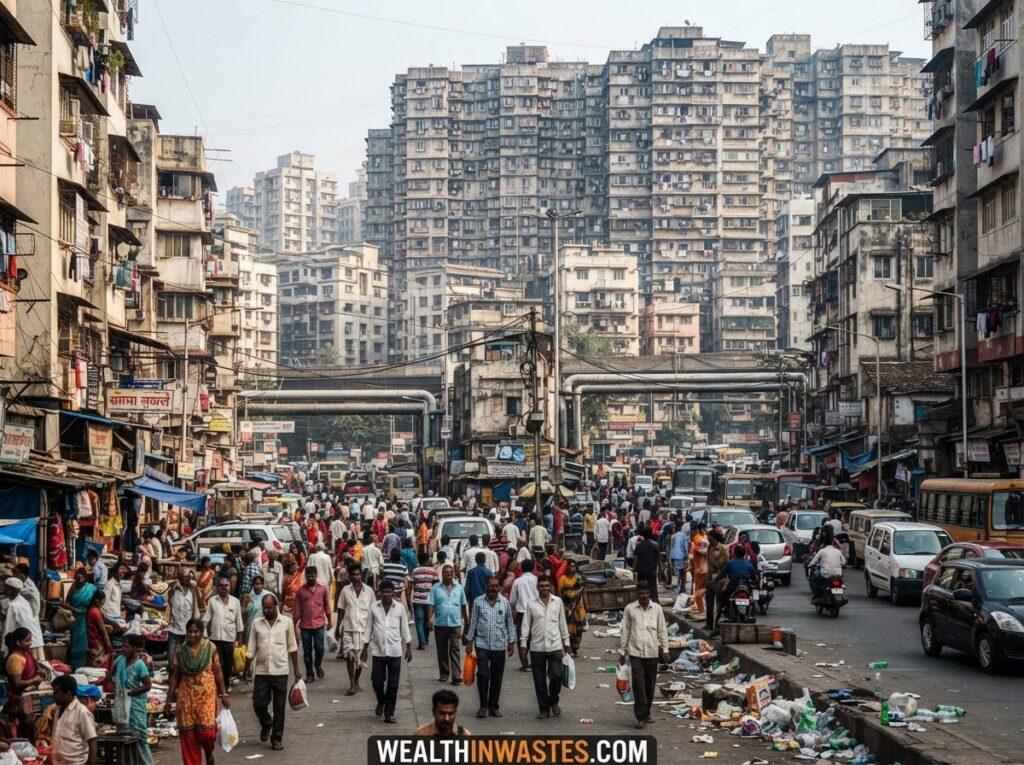
Population growth can increase demand for food, housing, water, transport, electricity, and materials; the impact also depends on consumption per person and the way communities manage land allocation and suitability.
The UN population projections put the world at about 8.2 billion people in 2024, with a projected peak near 10.3 billion in the mid-2080s, though trends vary considerably between countries and regions.
1. Rising Demand: Growing populations require additional homes, food, schools, roads, and public services. When planning fails to keep pace, farmland and habitats may give way to crowded settlements and fragmented ecosystems.
2. Unequal Consumption: High-consumption lifestyles can use disproportionate amounts of energy, water, timber, metals, and fuel. Encouraging household waste reduction and responsible purchasing can lessen this burden while preserving essential comfort and access.
3. Urban Expansion: Rapid urbanization increases demand for construction materials, energy, transport, and clean water. Well-designed settlements, efficient public transport, and suitable housing reduce unnecessary travel and help communities manage limited resources more effectively.
4. Unequal Resource Access: Population pressure becomes more difficult when communities lack reliable water supplies, productive land, or affordable food. Fair distribution, improved infrastructure, and responsible resource management help reduce shortages and protect livelihoods.
5. Food Consumption Patterns: Producing different foods requires varying quantities of land, water, feed, and energy. Balanced diets, reduced food waste, and efficient farming practices can lower pressure on resources while maintaining adequate nutrition.
6. Responsible Population Planning: Education, healthcare, and voluntary access to family planning help individuals make informed decisions. These services support wellbeing while enabling communities to plan schools, housing, food supplies, and other essential services more effectively.
Land, Water, and Biodiversity Pressures
Land, freshwater, forests, fisheries, and biodiversity support food production, livelihoods, and industry. Their decline reduces natural resilience and raises costs for farmers and communities that rely on healthy ecosystems for their daily needs.
1. Soil Erosion: Removing vegetation, overgrazing, repeated intensive tillage, and farming steep slopes without protection increase runoff and erosion. Lost topsoil carries nutrients away and reduces future harvest potential for nearby communities and farms.
2. Water Scarcity and Pollution: Excessive withdrawals, leaking irrigation systems, polluted runoff, and poorly treated wastewater reduce reliable water supplies. Oil pollution in waterways and other contamination can damage aquatic ecosystems and threaten downstream water users.
3. Biodiversity Loss: Habitat conversion, pesticide misuse, overfishing, and tree removal reduce species and disrupt pollination, soil formation, natural pest control, and other ecosystem services. Protecting diverse habitats supports resilient farms and food systems.
4. Excessive Resource Extraction: Uncontrolled logging, mining, fishing, and groundwater pumping can exceed natural replacement rates. Responsible harvesting, habitat restoration, and monitoring help prevent depletion while allowing communities to benefit from resources over time.
5. Loss of Soil Organic Matter: Removing every crop residue and applying poor soil management practices can reduce organic matter and weaken soil structure. Returning suitable organic materials improves soil condition and supports nutrient cycling.
6. Poor Agricultural Waste Management: Understanding agricultural waste generation helps farms identify reusable residues, manure, and by-products. Safe management also reduces the environmental risks of agricultural waste and protects nearby communities.
Waste and Pollution in Resource Management
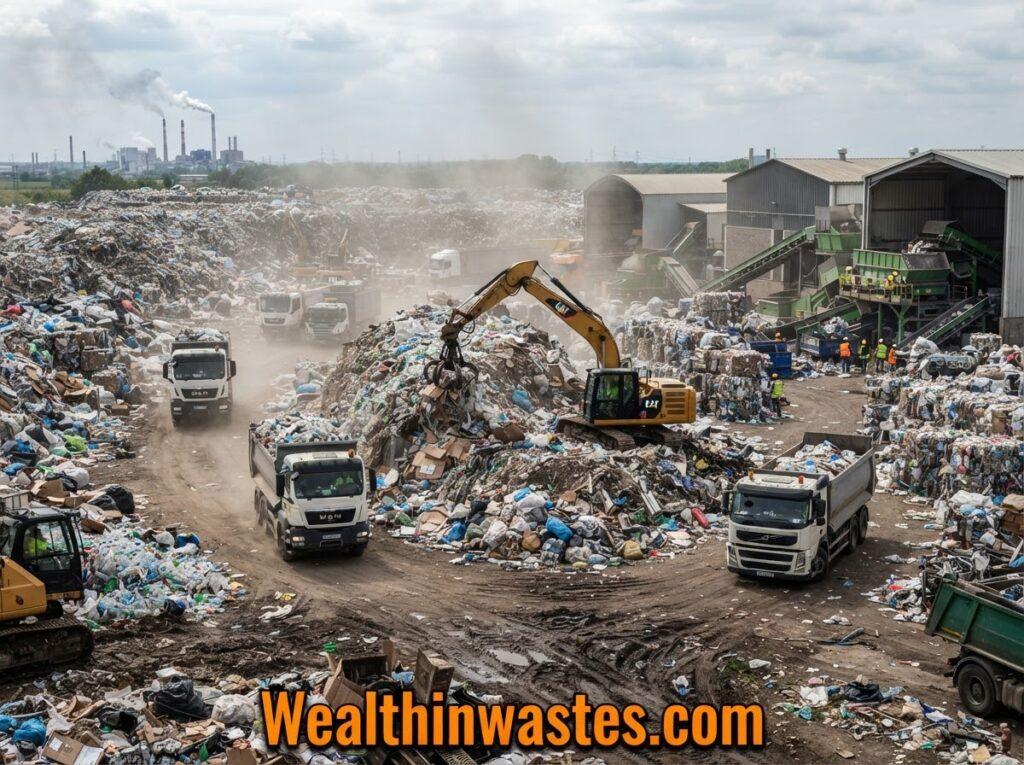
Pollution often occurs when people treat waste as something to discard without considering what happens afterward. Reducing waste at its source helps conserve materials and limit environmental harm throughout the product lifecycle.
1. Waste Prevention and Reuse: Buying durable products, reusing containers, and separating recyclables can lower the amount sent to dumpsites. Local collection services and markets help make these habits consistent everywhere.
2. Hazardous Household Materials: Paints, batteries, solvents, and pesticides require special handling because they can release harmful substances. Store them securely, follow product guidance, and use an approved collection or disposal route where available.
3. Safe Pesticide Waste Disposal: Never pour unwanted pesticide concentrates into drains, streams, or bare soil. Consult appropriate environmental authorities or qualified waste handlers about safe disposal options for the specific substance and local regulations.
4. Responsible Liquid Waste Management: Leftover sprays, contaminated rinsing water, oils, and other hazardous liquids require careful handling. Follow the product label and suitable disposal guidance, and never assume that dilution makes hazardous waste harmless.
5. Recycling and Material Recovery: Recycling suitable waste materials saves resources when households and firms separate paper, metal, glass, plastic, and organic waste. It works best alongside reduced consumption, reuse, safe processing, and dependable markets.
6. Industrial Pollution Prevention: Factories can consume large quantities of water, energy, and raw materials while producing industrial waste and emissions. Better process controls, cleaner production, and monitoring help prevent pollution before disposal becomes necessary.
Economic Growth and Sustainable Resource Limits
Economic growth can improve incomes, employment, health services, and infrastructure, but production often requires more land, water, energy, and materials. When environmental costs remain uncounted, growth can degrade the resources it depends on.
Traditional economic measures emphasize the value of goods and services, yet they may overlook soil depletion, pollution, habitat loss, and unpaid ecosystem services. A broader waste-minimization approach tracks material inputs and losses throughout production.
Companies can lower resource intensity by designing durable goods, improving energy efficiency, repairing equipment, using recovered agricultural materials, and reducing packaging. Such measures can lower operating costs while creating demand for repair and recovery services.
Ecological economics considers the relationship between economic activity and the natural systems that supply its inputs and absorb its waste. This perspective encourages society to respect environmental limits while improving how resources reach different groups.
The goal is not to stop useful development, but to decouple improvements in wellbeing from unlimited material throughput. Governments and companies can prioritize cleaner energy, repairable products, circular systems, and fair access.
Economic planning also needs to account for long-term damage and restoration costs. Protecting forests, soil, waterways, and fisheries may require immediate investment, but it can prevent larger losses to future production and community livelihoods.
Read Also: Key Concepts in Municipal Waste Reduction
Practical Strategies for Sustainable Resource Use
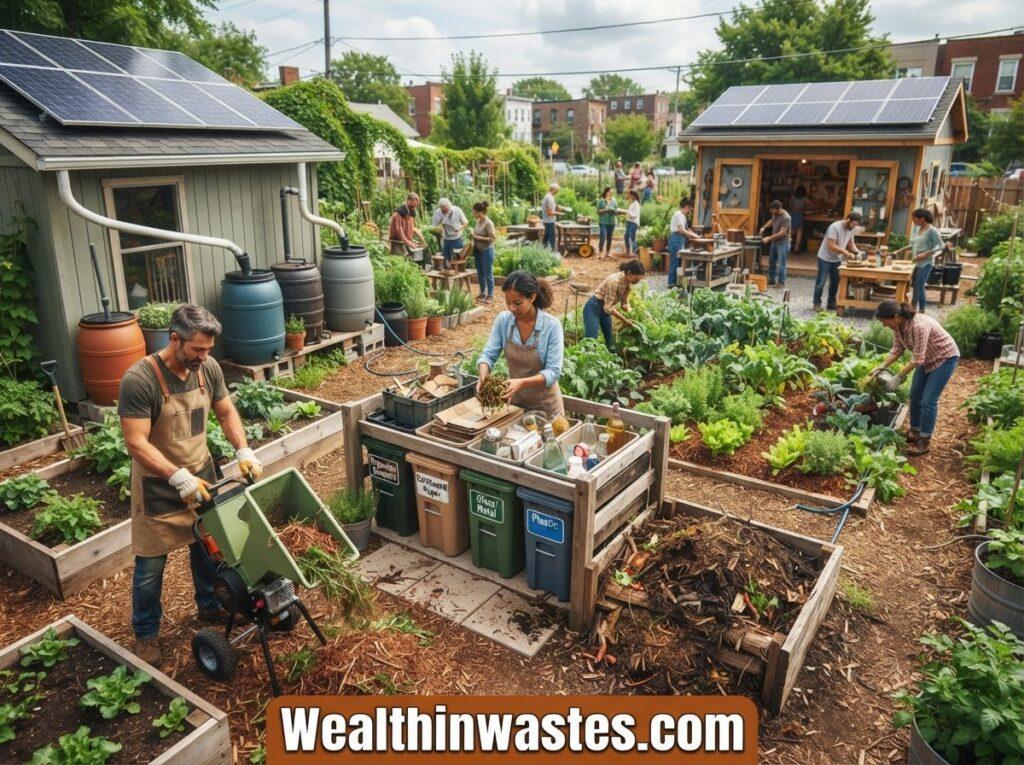
Resource conservation becomes more achievable when people combine prevention, efficient use, recovery, and ecosystem protection. The best approach depends on local climate, infrastructure, income, and the resources under pressure in each place.
1. Improve Resource Efficiency: Measure water, fuel, electricity, and material use, then fix leaks, maintain equipment, improve insulation, and avoid unnecessary purchases. These daily choices that reduce waste and environmental pressure help households, farms, and firms identify lasting savings.
2. Reuse and Recycle Materials: Reuse products where safe, repair broken items, separate recyclable materials, and compost suitable organic waste. Learning practical recycling methods can help communities keep useful materials in circulation instead of sending them to dumpsites.
3. Adopt Better Farming Methods: Farmers can protect soil with cover crops, mulching, crop rotation, agroforestry, and reduced tillage. Water-efficient irrigation, integrated pest management, and responsible manure handling conserve inputs while supporting productive harvests over time.
4. Conserve Freshwater: Repairing leaks, harvesting rainwater, improving irrigation schedules, and reusing safely treated water can reduce unnecessary demand. Protecting catchments and keeping chemicals away from streams also help maintain dependable water supplies.
5. Protect Forests and Wildlife: Plant suitable trees, protect existing vegetation, restore damaged habitats, and follow sustainable fishing practices. These measures help maintain biodiversity, conserve carbon storage, prevent erosion, and preserve resources that communities need.
6. Strengthen Local Policies and Education: Local authorities should improve waste collection, enforce pollution controls, protect watersheds, and plan towns around transport and water availability. Clear environmental management guidance and transparent monitoring make residents part of the solution.
Shared Responsibility for Resource Sustainability
Governments should set clear rules, monitor resource use, and make polluters responsible for avoidable damage. Businesses should report material use and environmental risks, while communities help shape practical local decisions.
Farmers, workers, consumers, and local leaders can support change through education, cooperation, and transparent information. Effective programmes must protect vulnerable households and ensure that conservation measures do not unfairly shift costs.
Schools and community groups can teach waste separation, water conservation, tree protection, and responsible consumption. Practical demonstrations often make environmental principles easier to understand and encourage people to adopt lasting habits.
Businesses can contribute by choosing efficient equipment, reducing packaging, recovering useful materials, and managing their waste responsibly. Governments can encourage these efforts through sound policies, reliable infrastructure, and support for cleaner technologies.
Ultimately, sustainable use succeeds when decision-makers measure long-term wellbeing alongside income and output. Conserved water, fertile soil, healthy ecosystems, lower pollution, and efficient materials use support stronger livelihoods and lasting prosperity.
Summary on Challenges in Sustainable Use of Resources and Economic growth
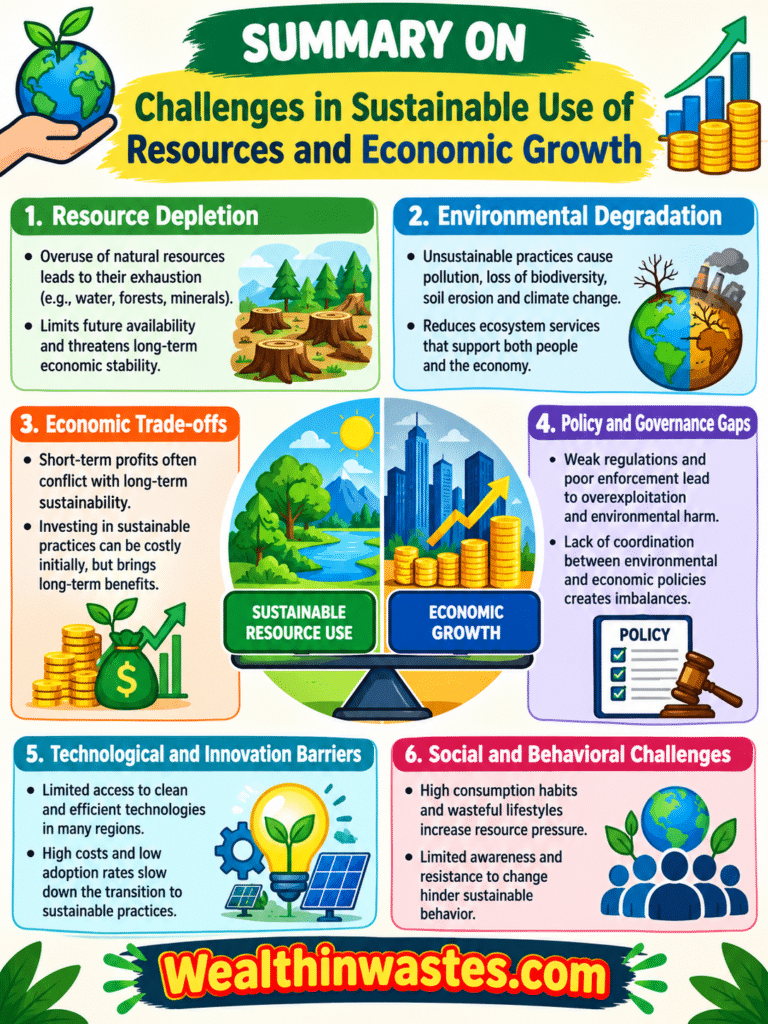
| Challenge | Environmental or Economic Effect | Practical Response |
|---|---|---|
| Human behaviour | Pollution, waste, and unnecessary resource depletion | Reduce consumption, reuse materials, and dispose of waste safely. |
| Population and consumption | Greater demand for land, food, water, energy, and housing | Improve planning, access to services, and resource efficiency. |
| Land, water, and biodiversity pressures | Soil erosion, water scarcity, habitat loss, and reduced productivity | Conserve soil and water, protect habitats, and restore damaged areas. |
| Waste and pollution | Contaminated ecosystems, lost materials, and increased cleanup costs | Prevent waste, recycle suitable materials, and handle hazardous waste responsibly. |
| Economic growth | Higher extraction and pollution when environmental costs remain uncounted | Improve efficiency, support cleaner technology, and account for environmental limits. |
| Weak cooperation and planning | Inconsistent conservation and unfair distribution of environmental costs | Strengthen policies, education, monitoring, and community participation. |
Frequently Asked Questions About Challenges in Sustainable Use of Resources and Economic growth
1. What Is the Sustainable Use of Resources?
It means using land, water, energy, materials, and living resources to meet present needs without undermining future generations’ ability to meet theirs.
2. What Are the Main Challenges?
Major challenges include harmful habits, population and consumption pressures, pollution, resource depletion, weak planning, and economic systems that reward waste.
3. How Does Population Growth Affect Resources?
More people can increase demand for food, housing, water, energy, transport, and land, especially where infrastructure and public services lag behind.
4. Can Economic Growth Be Sustainable?
Yes. Growth can cause less environmental damage when businesses improve efficiency, reduce waste, adopt cleaner energy, and account for environmental costs.
5. How Can Farmers Conserve Resources?
Farmers can protect soil cover, rotate crops, use water efficiently, manage manure safely, reduce chemical misuse, and retain suitable trees.
6. What Can Households Do Every Day?
Buy only what is needed, repair and reuse products, separate recyclables, save water and energy, and dispose of hazardous waste safely.
Do you have any questions, suggestions, or contributions? If so, please feel free to use the comment box below to share your thoughts. We also encourage you to kindly share this information with others who might benefit from it. Since we can’t reach everyone at once, we truly appreciate your help in spreading the word. Thank you very much for your support and for sharing!
Read Also: Soil and Water Conservation in Agriculture