


Deforestation occurs when people clear or thin forests for farming, timber, roads, buildings, mining, or other land uses. It changes habitats and can disrupt environmental processes that support life on land and in water.
Forests contain diverse plants, animals, fungi, and microorganisms, while their roots, canopies, and leaf litter protect soil and support the water cycle. They also absorb carbon dioxide and provide livelihoods.
People have cleared woodland for thousands of years, but industrial demand, population growth, commercial agriculture, and infrastructure can accelerate forest loss when land management fails to protect natural regeneration and existing habitats.
The consequences extend beyond the cleared area. Forest loss can increase erosion, alter local rainfall, threaten species, and make farms and communities more vulnerable to floods, droughts, and heat over time.
Understanding the causes and effects of deforestation helps readers connect everyday demands for food, energy, paper, and building materials with the environmental costs of unsustainable forest clearing and resource use.
What Deforestation Means and Why It Matters
Deforestation means the lasting removal of forest cover so land can serve another purpose, such as farming, settlement, mining, or infrastructure. It represents a major form of land-cover change that reshapes entire ecosystems.
Forests are more than groups of trees: they provide habitats, store carbon, protect soil, retain moisture, and support food webs. Their importance is clear in efforts to protect native trees and wildlife.
Forests also support grazing landscapes, local industries, and water supplies. Protecting healthy forest and rangeland systems helps maintain ecological functions while allowing communities to use resources responsibly over the long term.
Read Also: Causes and Effects of Land Pollution
Main Causes of Deforestation
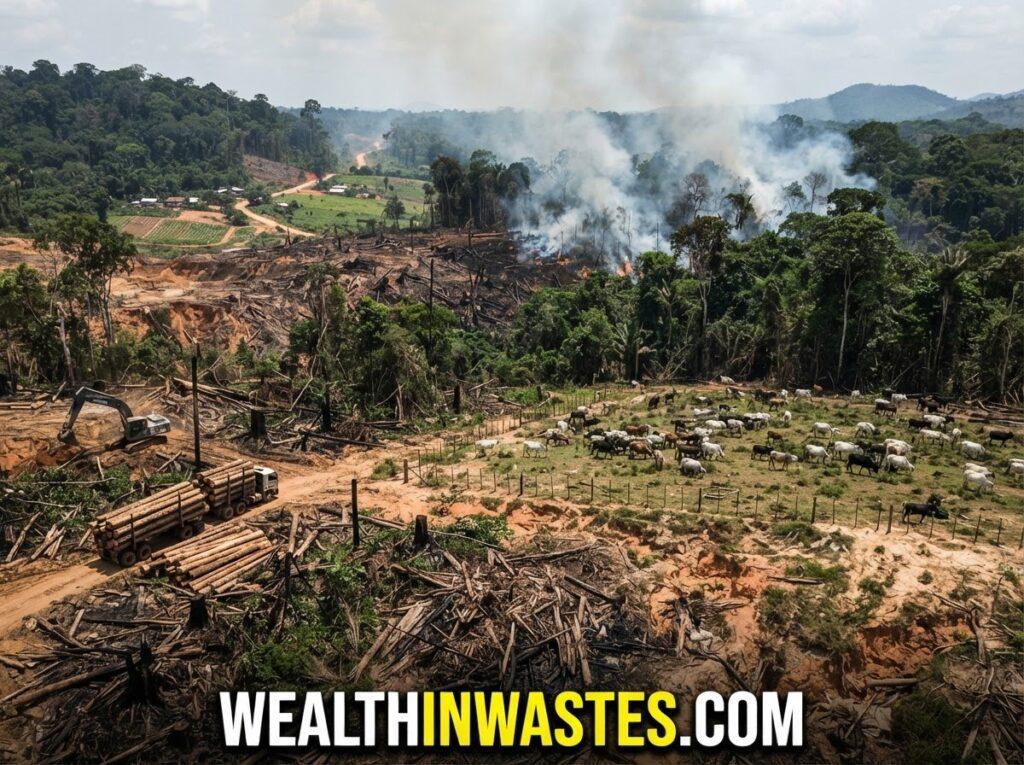
1. Agricultural Expansion: Farmers clear forests to grow crops, establish plantations, and create pasture for livestock. Rising food demand intensifies clearing when producers expand instead of improving existing farmland or restoring degraded farmland.
2. Commercial Logging: Timber companies and informal operators harvest trees for construction, furniture, paper, and export markets. Without careful planning for timber and land use, cutting can exceed regrowth and damage nearby habitats for years.
3. Firewood and Charcoal: Where clean energy is unaffordable, households and small businesses may rely on firewood or charcoal. Heavy collection around settlements can degrade woodland faster than trees naturally regrow.
4. Roads, Mining, and Construction: Roads, mines, dams, housing, and industrial sites require cleared space and access routes. They can fragment forests, encourage settlement, and increase logging when planners overlook ecological limits.
5. Slash-and-Burn Farming: Some farmers burn cleared vegetation before cultivation. When fallow periods shrink, repeated fires prevent forest recovery and compound risks from poor crop-residue management across surrounding farms and woodlands.
6. Weak Governance and Demand: Illegal logging, unclear land rights, and poor enforcement allow unauthorized clearing to continue. Consumer demand adds pressure when buyers ignore sustainable limits for renewable materials over time.
Major Environmental Effects of Deforestation

1. Soil Erosion and Fertility Loss: Tree roots bind soil, and leaf litter cushions rainfall. Without vegetation, soil erosion accelerates as wind and runoff carry away fertile topsoil, reducing moisture retention and crop productivity.
2. Biodiversity and Habitat Loss: Forest clearing fragments habitats and isolates populations, making breeding and feeding harder for many species. Surveys of biodiversity help researchers detect declines before local extinctions become irreversible.
3. Soil and Water Damage: When roots and leaf litter disappear, soil loses organic matter while sediment enters nearby streams. This land degradation can reduce farm yields and increase restoration costs for communities.
4. Flooding and Drought: Forests slow runoff and help rain infiltrate the soil. Without tree cover, heavy rainfall may create faster floods, while dry spells can become more damaging in degraded catchments.
5. Local Heat and Climate Pressure: Tree loss removes shade and evapotranspiration, making exposed land hotter during the day. Fragmented forests also become less resilient to fires, invasive species, and other environmental stresses.
How Deforestation Affects People and Livelihoods
1. Loss of Food and Income: Many households depend on forests for fruits, medicines, fuel, wild foods, and small-scale timber. Losing these forest resources can reduce earnings, raise living costs, and weaken seasonal food access.
2. Health and Safety: Forest clearance and burning may increase smoke exposure, heat, and erosion-related hazards. Community environmental awareness can help residents report risks, organize responses, and participate in decisions that affect local resources.
3. Cultural and Community Impacts: Indigenous peoples and rural communities may lose sacred sites, resources, and knowledge tied to forests. Environmentally responsible planning helps include priorities and reduce conflicts over land access and livelihoods.
Deforestation, Climate Change, and Water
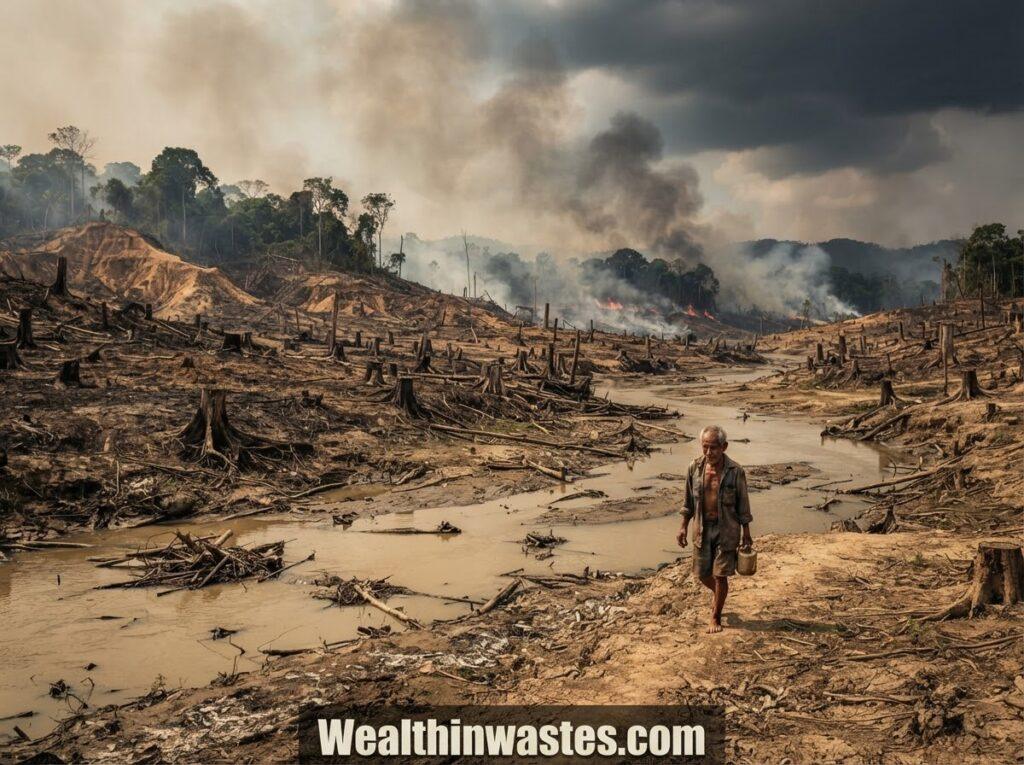
Trees absorb carbon dioxide as they grow and store carbon in trunks, roots, branches, and soils. When forests burn or decay, some stored carbon returns to the atmosphere, intensifying climate disruption.
Forest cover also influences local temperature, humidity, and rainfall. Large-scale clearing can make some landscapes hotter and drier, while released greenhouse gases contribute to rising global temperatures and wider environmental impacts.
Leaves and roots help rain soak into the ground, hold soil in place, and reduce sediment entering streams. Removing them can worsen runoff, flooding, and sediment problems downstream after heavy rain.
Ways to Prevent Deforestation and Restore Forests
1. Stronger Forest Protection: Governments should identify important forest areas, enforce logging rules, prevent illegal clearing, and monitor high-risk locations. Clear conservation rules and fair enforcement help discourage destructive land conversion.
2. Restore Trees and Natural Vegetation: Replant native trees where suitable, protect seedlings, and encourage natural regrowth. Monitoring soil and water conditions helps communities measure recovery and identify erosion or contamination risks early.
3. Support Sustainable Farming: Agroforestry, mixed cropping, crop rotation, and improved soil care can raise productivity on existing farmland. These methods reduce pressure to clear new forest areas and help farms retain moisture.
4. Improve Business Practices: Timber buyers, builders, and manufacturers should seek responsibly sourced materials and reduce unnecessary wood waste. Strong corporate procedures for limiting environmental harm make supply chains more transparent and accountable.
5. Include Local Communities: Conservation plans work better when residents help set priorities, monitor nearby forests, and benefit from sustainable livelihoods. Participation can reduce conflict and increase long-term support for restoration.
Why Long-Term Forest Protection Matters
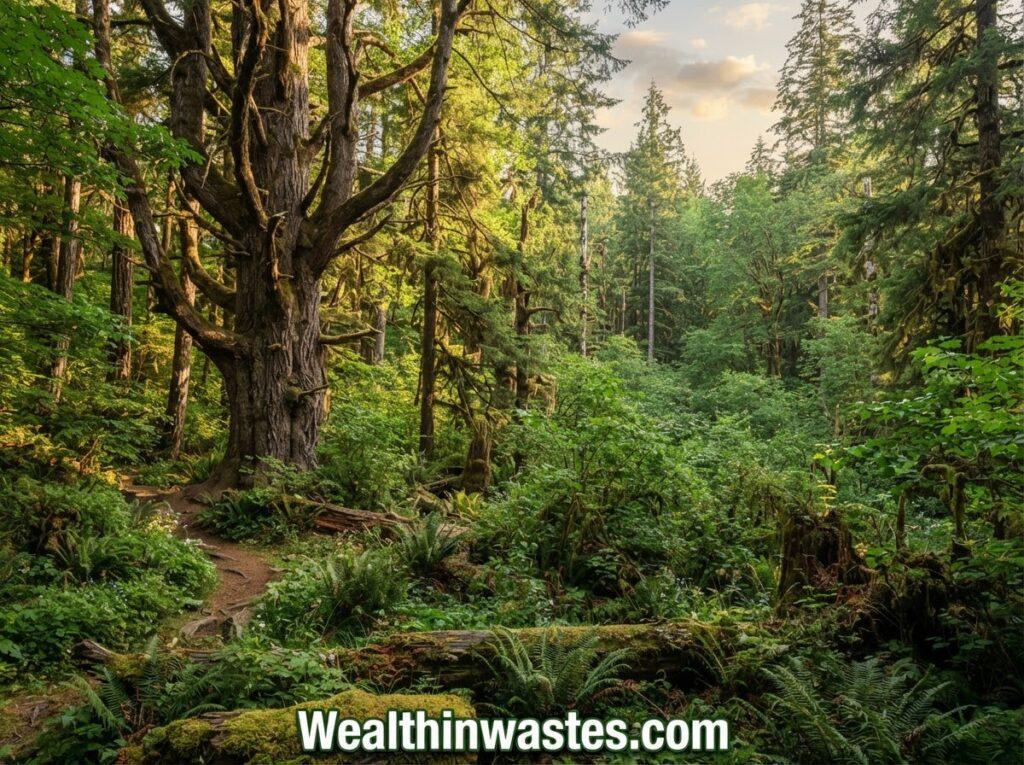
Forest protection works best when governments, businesses, landowners, and local communities share clear responsibilities. Expanding protected landscapes and connected habitats can safeguard wildlife and maintain ecological functions across wider regions.
Long-term progress also requires reducing demand for unnecessary materials, choosing sustainably sourced products, and supporting long-term ecological balance. These choices help maintain forests as living systems, not simply stores of commercial timber.
Read Also: Climate Change and Sustainability for a Resilient Future
Summary on Causes and Effects of Deforestation
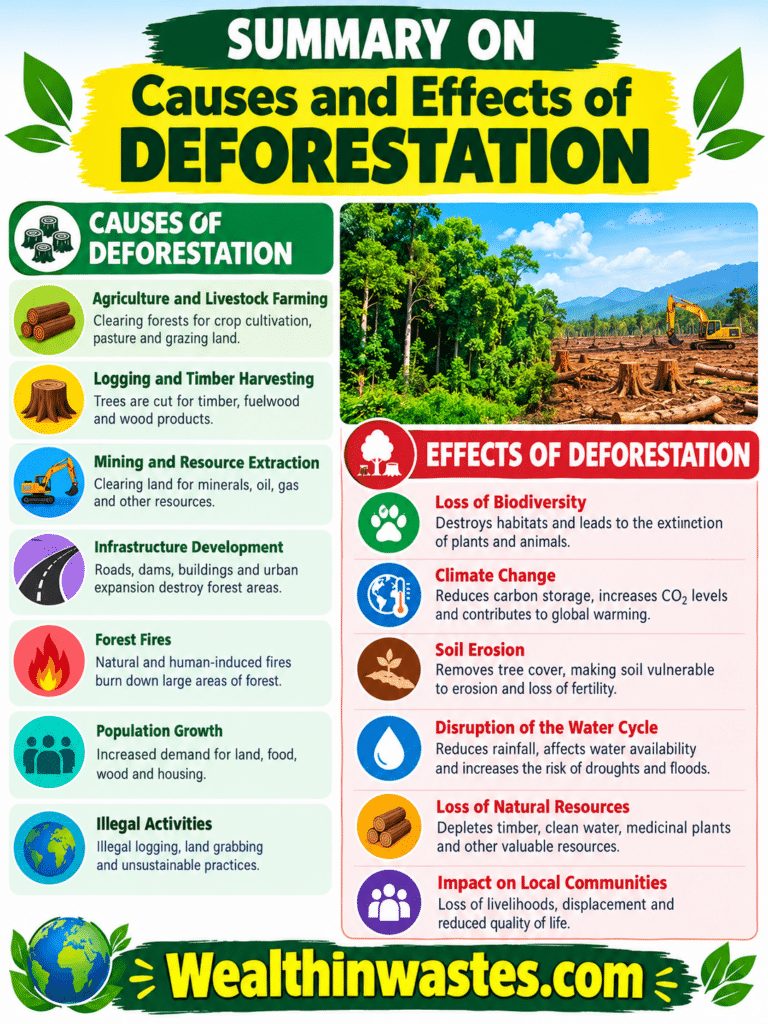
| Topic | Summary |
|---|---|
| Meaning | Deforestation is the removal of forests to make way for agriculture, construction, mining, and other land uses. |
| Main Causes | Agricultural expansion, logging, fuelwood collection, charcoal production, mining, roads, and urban development. |
| Environmental Effects | Soil erosion, habitat destruction, biodiversity loss, disrupted water cycles, flooding, drought, and increased climate pressure. |
| Human Effects | Reduced income, weaker food security, health and safety risks, and losses of cultural and traditional resources. |
| Climate and Water | Forest loss releases stored carbon, reduces future carbon absorption, and can increase runoff and sedimentation. |
| Prevention | Protect existing forests, restore native vegetation, improve farming, enforce conservation rules, and involve local communities. |
Frequently Asked Questions About Causes and Effects of Deforestation
1. What Is Deforestation?
Deforestation is the permanent or long-term removal of forest cover to use land for farming, buildings, roads, mining, or other purposes. It may also fragment remaining forests and damage connected habitats.
2. What Are the Main Causes of Deforestation?
Major causes include agricultural expansion, logging, fuelwood collection, charcoal production, road construction, mining, settlement growth, and fires. Weak enforcement and high demand for timber can worsen the pressure in many regions.
3. How Does Deforestation Affect Wildlife?
Deforestation removes food, shelter, nesting sites, and breeding areas. Animals may migrate, populations can become isolated, and species that cannot adapt or relocate may decline or disappear from affected landscapes.
4. Does Deforestation Contribute to Climate Change?
Yes. Trees store carbon, and clearing or burning forests releases some of it. Forest loss also reduces future carbon uptake, adding to greenhouse gas concentrations that warm the planet over time.
5. How Can Deforestation Affect Soil and Water?
Without tree cover, rainfall can wash away fertile topsoil, while more runoff carries sediment into streams. Some places may face greater flood peaks, drier soils, and unreliable water supplies during dry periods.
6. How Can People Help Prevent Deforestation?
People can support forest protection by buying responsibly sourced products, reducing unnecessary paper and timber waste, planting suitable native trees, reporting illegal clearing, and supporting community conservation and sustainable farming.
Do you have any questions, suggestions, or contributions? If so, please feel free to use the comment box below to share your thoughts. We also encourage you to kindly share this information with others who might benefit from it. Since we can’t reach everyone at once, we truly appreciate your help in spreading the word. Thank you very much for your support and for sharing!
Read Also: Forest Resources in Agriculture