


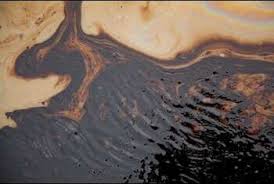
Crude oil pollution can be difficult to identify when monitoring relies only on individual organic compounds because substances such as volatile compounds and aromatic hydrocarbons can originate from multiple environmental sources.
This limitation creates uncertainty when investigators try to determine whether contamination came from crude oil, combustion, industrial activities, or other processes that release chemically similar substances into surrounding environmental media.
Biomarkers provide a stronger source-related approach because these distinctive compounds retain information from geological and biological materials involved in petroleum formation and remain useful during detailed environmental investigations of contamination.
Through careful sampling and sensitive laboratory analysis, investigators can detect characteristic petroleum biomarkers in soil, sediments, water, and other environmental matrices affected by suspected oil releases at contaminated sites and shorelines.
The resulting chemical fingerprints can support source identification, improve interpretation of pollution patterns, and strengthen decisions about remediation, environmental assessment, regulatory action, and long-term monitoring of contaminated locations and affected ecosystems.
Understanding Biomarkers in Oil Pollution
Biomarkers are organic compounds that retain distinctive chemical characteristics from biological materials and geological conditions involved in petroleum generation, giving investigators useful clues about crude oil origin, transformation, and oil pollution patterns.
Unlike many common petroleum contaminants, biomarkers can provide stronger source-specific information because their molecular structures often remain recognizable after crude oil enters environmental systems, supporting wider environmental monitoring programmes during prolonged weathering processes.
Common petroleum biomarkers include hopanes, steranes, terpanes, and related compounds that occur within complex hydrocarbon mixtures and can help distinguish petroleum sources during detailed investigations of crude oil composition and forensic comparisons.
Biomarker evidence becomes particularly useful when investigators need to separate petroleum contamination from background hydrocarbons produced by combustion, natural processes, industrial emissions, or other anthropogenic activities at monitored locations across affected environmental media.
Because biomarker chemistry reflects petroleum history, investigators can use these compounds alongside broader hydrocarbon profiles to distinguish related crude oils and recognize differences caused by geological origin or alteration during comparative petroleum source investigations.
Read Also: Roles of Producers and Corporations in Waste Management
Importance of Biomarkers in Pollution Monitoring
1. Source Identification: Biomarker patterns can help investigators compare contaminated samples with suspected petroleum sources, while pollutant assessment helps organize evidence during detailed forensic environmental assessments of suspected contamination sources.
2. Pollution Confirmation: Detecting characteristic biomarker distributions alongside conventional petroleum measurements strengthens evidence that an observed hydrocarbon signal relates to crude oil rather than unrelated environmental inputs or background contamination.
3. Weathering Assessment: Some biomarkers resist environmental alteration better than lighter hydrocarbons, so their persistence can help investigators examine weathering effects and apply useful pollutant classification concepts to exposed locations.
4. Petroleum Characterization: Biomarker distributions can provide information about petroleum origin, source rock conditions, thermal maturity, migration history, and subsequent alteration experienced before environmental release into surrounding ecosystems during environmental source investigations.
5. Evidence Integration: Biomarkers provide stronger conclusions when investigators combine them with hydrocarbon concentrations, site history, spatial distribution, and other environmental observations from the monitored area across contaminated environmental locations.
6. Remediation Tracking: Repeated biomarker measurements can help assess whether petroleum residues decline after cleanup and whether remaining contamination continues to resemble the original suspected source during follow-up environmental monitoring.
Sampling for Biomarker Analysis
Reliable biomarker results begin with representative samples because poor collection practices can introduce contamination, cause analyte loss, or produce samples that fail to represent site conditions adequately during investigation. Representative environmental sampling is therefore essential.
Investigators should define sampling objectives before field collection, identify suspected sources, select appropriate environmental media, and establish procedures that preserve the chemical characteristics of collected samples throughout transportation and controlled laboratory storage.
Sampling locations should reflect potential release points, transport pathways, accumulation zones, background conditions, and areas where petroleum residues may concentrate within soil, sediment, groundwater, or surface water systems. Sample handling procedures must protect these samples.
Field personnel should use suitable containers, avoid cross-contamination, document locations accurately, maintain chain-of-custody records, and apply appropriate preservation and transportation procedures for the analytical method selected at each sampling site.
Representative sampling becomes especially important when contamination varies across short distances because petroleum distribution can change substantially with soil properties, water movement, sediment deposition, and different weathering conditions. Soil resource management also influences interpretation.
Sampling plans should also include quality-control samples such as blanks, duplicates, and appropriate reference materials where required, helping laboratories identify contamination, variability, or handling problems that could affect interpretation before laboratory extraction and measurement.
GC-MS Analysis of Oil Pollution Biomarkers

Gas chromatography coupled with mass spectrometry, commonly called GC-MS, provides a sensitive approach for separating, identifying, and quantifying individual biomarker compounds within complex petroleum mixtures collected from environmental samples. Monitoring pollutant methods support analytical planning.
1. Chromatographic Separation: Gas chromatography separates compounds according to their interactions with the analytical column and their volatility, allowing complex petroleum extracts to produce distinguishable molecular signals for further identification.
2. Mass Spectrometric Detection: The mass spectrometer measures characteristic ion patterns produced by separated compounds, helping analysts identify biomarkers through molecular fingerprints and established spectral information during laboratory examination.
3. Quantitative Interpretation: Analysts compare measured responses with appropriate standards, calibration procedures, and quality controls to estimate biomarker concentrations accurately and evaluate differences between samples with confidence for laboratory comparison. Petroleum fractions provide chemical context.
4. Fingerprint Development: Combining chromatographic retention behaviour with mass spectral information creates detailed petroleum fingerprints that investigators can compare across samples, suspected sources, and background materials during source assessment.
5. Quality Assurance: Laboratory quality assurance includes calibration checks, blanks, replicate analyses, instrument performance reviews, and suitable controls that improve confidence in reported biomarker concentrations and identifications before final reporting. Environmental impacts of wastes.
6. Advanced Confirmation: Where greater selectivity is needed, tandem mass spectrometric approaches can provide additional confirmation for target biomarkers and reduce uncertainty when environmental samples contain complex interfering substances in environmental extracts.
Biomarker Compounds Used in Oil Monitoring
Several biomarker families support petroleum investigations, and analysts usually examine patterns among multiple compounds rather than relying on one molecule as definitive evidence of contamination during environmental source investigations involving petroleum migration pathways.
1. Hopanes: Hopane compounds are relatively persistent pentacyclic triterpanes that can survive environmental alteration better than many lighter hydrocarbons, making them useful indicators during petroleum source investigations and fingerprint comparisons.
2. Steranes: Steranes derive from sterols and related biological precursors and can provide valuable information about organic matter input, depositional conditions, petroleum generation, and relationships between different crude oils and petroleum fingerprint interpretation.
3. Terpanes: Terpane distributions help characterize petroleum sources and depositional environments, while selected molecular ratios may support interpretations concerning thermal maturity, source material, and petroleum alteration histories during comparative petroleum assessments.
4. Related Biomarkers: Other resistant molecular compounds can complement hopanes, steranes, and terpanes, especially when investigators need broader evidence for source discrimination, petroleum weathering, and environmental forensic interpretation.
5. Moretanes: Moretane compounds can complement hopane measurements because their relative distributions may change with petroleum maturity, helping investigators interpret differences among oils and samples in comparative petroleum fingerprinting studies and hazardous waste sources.
6. Gammacerane: Gammacerane and related compounds can contribute information about depositional conditions, making them useful when analysts seek additional evidence about the geological setting associated with petroleum formation during source and depositional interpretation.
Interpreting Biomarker Fingerprints

Biomarker interpretation requires comparison rather than isolated observation because individual compounds rarely provide enough information to establish a pollution source with complete confidence during complex environmental investigations involving water pollution sources.
Analysts commonly compare relative abundances, molecular ratios, chromatographic patterns, and distributions among multiple biomarkers from contaminated samples and candidate source materials collected during the same carefully designed investigation using carefully selected reference samples.
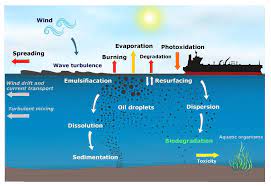
Weathering can alter petroleum composition, especially by removing lighter and more biodegradable constituents, so investigators should account for evaporation, dissolution, biodegradation, and photooxidation when interpreting environmental fingerprints carefully at affected sampling locations.
Background organic matter can also complicate interpretation, particularly in sediments containing natural hydrocarbons or petroleum residues from several historical releases, making source comparison essential for defensible scientific conclusions and for understanding groundwater pollution pathways.
Strong interpretations therefore combine biomarkers with conventional petroleum measurements, site history, spatial patterns, physical observations, and other environmental indicators rather than depending on chemical evidence alone when assigning sources during final source attribution.
Interpretation should also distinguish analytical detection from source attribution, because finding a biomarker confirms its presence but does not automatically establish when, where, or how petroleum entered the environment within responsible environmental source attribution.
PCA and Integrated Pollution Source Assessment
Principal component analysis, or PCA, can help investigators examine relationships among biomarkers and other pollution variables by reducing complex datasets into patterns that reveal similarities among samples and locations affected by water pollution consequences.
1. Data Integration: PCA can combine biomarker concentrations with aggregate petroleum measurements and other environmental variables, helping investigators evaluate correlations that may remain difficult to recognize from individual results alone.
2. Pattern Recognition: Samples with similar chemical characteristics may cluster within PCA outputs, providing a statistical basis for exploring whether several locations share related contamination sources or environmental processes within the broader investigation framework.
3. Source Differentiation: Distinct sample groupings may help separate petroleum-related contamination from background or non-petroleum inputs when investigators interpret statistical patterns alongside chemical and field evidence, supported by relevant water pollution reduction principles.
4. Decision Support: PCA does not independently prove a pollution source, but it can strengthen environmental assessments by organizing complex measurements and supporting clearer interpretation of combined monitoring results for contaminated-site management decisions.
5. Variable Screening: Investigators should select meaningful variables before PCA because irrelevant measurements can weaken patterns and make statistical outputs harder to connect with known environmental processes before interpreting statistical relationships.
6. Temporal Comparison: Repeating multivariate analysis across monitoring periods can reveal whether relationships among biomarkers and other pollutants change as contamination weathers, migrates, or undergoes remediation within long-term monitoring programmes.
Read Also: Petroleum Transformation Process
Applications and Limitations of Biomarkers

Biomarkers have applications in spill investigations, contaminated-site assessment, petroleum fingerprinting, remediation monitoring, environmental compliance, and studies of hydrocarbon movement through different environmental compartments. They support environmental management measures under appropriate environmental quality objectives.
They can help determine whether residues found in soil or sediment relate to crude oil, identify similarities between samples and suspected sources, and evaluate changes in petroleum composition over time and distance.
The approach also supports petroleum geochemistry because biomarker distributions can reveal information about source material, depositional conditions, maturity, migration, and the geological history of crude oil formation. These findings help interpret industrial waste impacts.
Despite their value, biomarkers require specialized laboratory instruments, skilled interpretation, suitable reference materials, and rigorous quality assurance because complex environmental samples may contain interfering compounds and weathered residues during complex petroleum investigations.
Biomarker analysis should complement conventional hydrocarbon measurements, historical information, field observations, and statistical analysis when investigators make source attribution decisions for contaminated sites and remediation programmes, consistent with broader pollution concepts and defensible environmental decision-making.
Successful application therefore depends on a well-designed monitoring programme that matches analytical methods with site objectives, environmental media, expected contamination levels, and the decisions investigators need to support for reliable environmental monitoring outcomes.
Summary on Application of Biomarkers in Oil Pollution Monitoring

| Aspect | Summary |
|---|---|
| Biomarkers | Distinctive petroleum-related organic compounds that retain useful chemical signatures from source materials and petroleum formation history. |
| Main Purpose | They support crude oil source identification, pollution confirmation, petroleum characterization, and weathering assessment. |
| Important Compounds | Hopanes, steranes, terpanes, moretanes, gammacerane, and related resistant molecular compounds. |
| GC-MS | Separates, identifies, quantifies, and fingerprints biomarker compounds within complex environmental petroleum samples. |
| Sampling | Representative samples, quality controls, proper containers, documentation, and careful handling improve analytical reliability. |
| PCA | Principal component analysis helps examine relationships among biomarkers and other pollution variables in complex datasets. |
| Interpretation | Biomarkers should be interpreted with hydrocarbon measurements, site history, spatial patterns, and other environmental evidence. |
| Limitations | Specialized instruments, skilled interpretation, quality assurance, weathering, and background hydrocarbons can complicate source attribution. |
Frequently Asked Questions About Application of Biomarkers in Oil Pollution Monitoring
1. What are biomarkers in oil pollution monitoring?
They are distinctive organic compounds that retain chemical information about petroleum source materials and help investigators identify crude oil contamination.
2. Why are biomarkers useful for identifying oil pollution?
They offer stronger source-related evidence than many individual hydrocarbons because their molecular patterns can remain recognizable after environmental weathering.
3. Which biomarkers are commonly investigated?
Common groups include hopanes, steranes, terpanes, moretanes, gammacerane, and other resistant petroleum-related molecular compounds.
4. What role does GC-MS play in biomarker analysis?
GC-MS separates compounds and provides mass spectral information that helps analysts identify, quantify, and compare petroleum biomarkers.
5. Can biomarkers identify the exact source of an oil spill?
They can strengthen source attribution, but investigators should combine biomarker results with site history, conventional hydrocarbons, and other evidence.
6. How does weathering affect biomarker interpretation?
Weathering removes or changes some petroleum components, so analysts must consider evaporation, dissolution, biodegradation, and photooxidation during interpretation.
7. What is the value of PCA in oil pollution monitoring?
PCA organizes complex measurements and reveals relationships among biomarkers, petroleum variables, and samples that may indicate related contamination patterns.
8. Are biomarkers enough for environmental source identification?
No. Biomarkers provide valuable evidence, but reliable attribution requires complementary chemical, statistical, historical, spatial, and field information.
Do you have any questions, suggestions, or contributions? If so, please feel free to use the comment box below to share your thoughts. We also encourage you to kindly share this information with others who might benefit from it. Since we can’t reach everyone at once, we truly appreciate your help in spreading the word. Thank you very much for your support and for sharing!
Read Also: Measurement of Environmental Degradation in Agriculture