


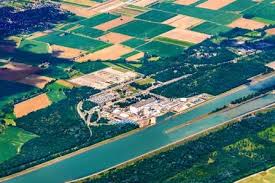
The water cycle connects ecosystems, economies, and human communities through continuous movement between the atmosphere, land, rivers, groundwater, lakes, wetlands, and oceans. Every stage supports life and environmental stability worldwide.
Water also transports sediments, nutrients, organic matter, and pollutants across landscapes. This movement links distant communities because activities in one watershed can influence water quality, aquatic habitats, agriculture, and public health elsewhere.
Human settlements usually develop where dependable water is available for drinking, sanitation, agriculture, industry, transport, and livestock. Consequently, population distribution often reflects rainfall, river systems, groundwater availability, and other freshwater conditions.
However, abundant rainfall does not automatically create favorable agricultural conditions. Excessive rainfall can increase nutrient leaching, soil degradation, flooding, erosion, disease risks, and difficult management conditions across affected rural communities.
At the same time, growing populations increase demand for freshwater while human activities intensify pollution pressures. Understanding abstraction together with pollution therefore remains essential for protecting water resources and supporting sustainable development.
Water Abstraction and Water Resources
Water abstraction means removing water from rivers, lakes, reservoirs, wetlands, or underground sources for human use. Abstraction supports homes, farms, industries, energy production, sanitation, and many other essential economic activities.
Problems arise when withdrawals exceed natural replenishment or when abstraction changes the timing and quantity of environmental flows. Excessive withdrawals can reduce river levels, lower groundwater tables, shrink wetlands, and stress aquatic organisms.
Sustainable abstraction requires reliable information about available water, seasonal changes, recharge rates, ecological needs, and competing demands. Strong monitoring and careful allocation help communities use freshwater without exhausting important natural supplies.
Read Also: Other Type of Environmental Pollution
Agricultural Water Abstraction and Demand
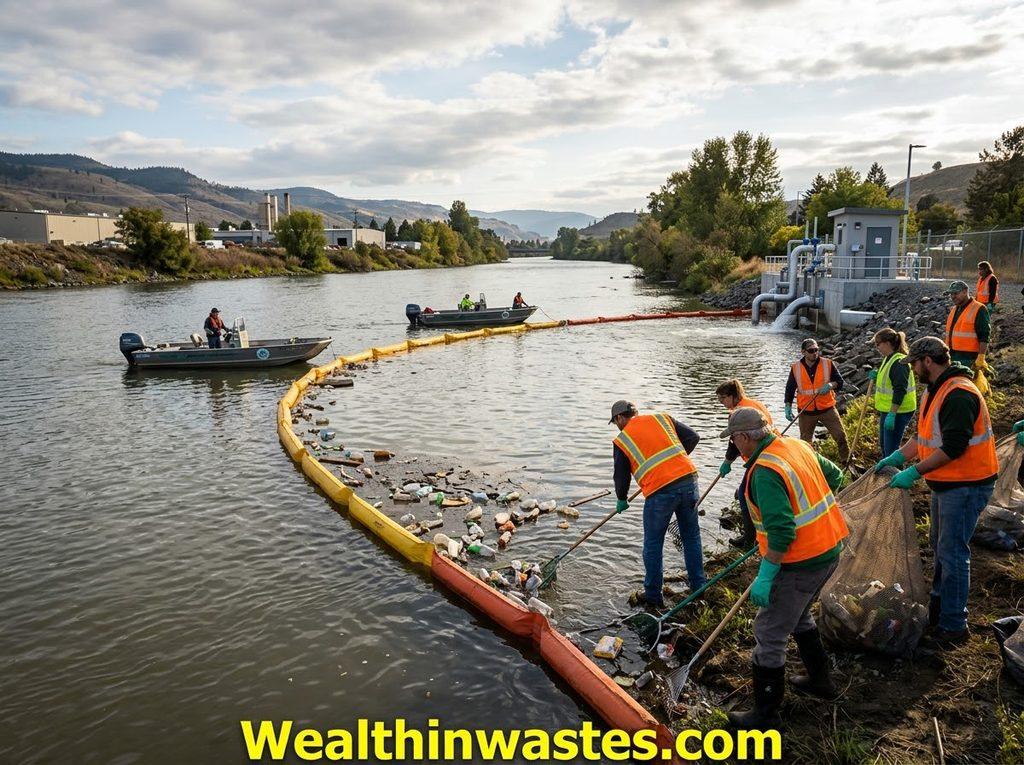
1. Agriculture: Farms account for a large share of freshwater withdrawals because crops need water when rainfall cannot meet plant requirements. Efficient irrigation can improve yields while reducing unnecessary abstraction from rivers and aquifers.
2. Domestic Supply: Households need water for drinking, food preparation, washing, sanitation, and other daily activities. Rapid population growth can increase municipal demand, particularly where distribution systems lose water through leakage or inadequate maintenance.
3. Industry and Energy: Factories, mines, processing plants, and power facilities may withdraw water for production, cooling, cleaning, and processing. Their withdrawals can compete with household and agricultural needs where supplies remain limited.
4. Livestock and Other Uses: Livestock production, fisheries, tourism, construction, and public services also require water. These demands may appear smaller individually, yet together they can place significant pressure on stressed catchments during dry periods.
Irrigation can stabilize food production where rainfall remains seasonal or unreliable, but inefficient systems may waste large volumes through evaporation, leakage, runoff, and poorly timed applications. Better practices can improve productivity per unit of water.
Farmers can strengthen water efficiency by combining appropriate irrigation methods with soil moisture monitoring and careful scheduling. Practical water conservation practices can reduce abstraction while maintaining suitable crop conditions.
Population Growth and Water Resources
Population growth increases water demand directly through household consumption and indirectly through greater food production, manufacturing, energy use, sanitation needs, and urban development. These pressures often concentrate around expanding towns and cities.
Changing diets can further raise water requirements because some foods, especially animal products, generally require substantial water throughout production. Agricultural expansion may therefore increase abstraction where rainfall alone cannot maintain reliable yields.
Urban growth also changes runoff and recharge patterns as roads, roofs, and other hard surfaces reduce infiltration. Strong planning must therefore connect water supply, drainage, wastewater management, land use, and environmental protection.
Population pressure can also expose weaknesses in water distribution systems, especially where migration increases demand faster than infrastructure expansion. Sound water-supply planning helps authorities address access, competition, and governance challenges.
Communities also need to reduce avoidable losses from leaking pipes, poorly maintained pumps, inefficient fixtures, and damaged storage systems. Such measures conserve available supplies without requiring new abstraction from already stressed sources.
Major Sources of Water Pollution

1. Agricultural Pollution: Fertilizers, pesticides, manure, soil particles, and irrigation return flows can reach streams and groundwater. Poorly managed farm inputs may increase nutrient concentrations, encourage algal growth, introduce toxic substances, and degrade aquatic habitats.
2. Domestic Wastewater: Homes and settlements generate sewage and greywater containing organic matter, nutrients, pathogens, detergents, and other contaminants. Without adequate collection and treatment, these discharges can contaminate rivers, lakes, wetlands, and groundwater.
3. Industrial Discharges: Industrial facilities may release wastewater containing oils, metals, solvents, acids, salts, heat, and other pollutants. Strong treatment systems and discharge controls help prevent harmful concentrations from entering receiving water bodies.
4. Solid Waste and Landfills: Poor waste disposal allows rainwater to carry pollutants into surface water, while contaminated liquids can infiltrate soils and threaten groundwater. Proper collection, containment, and disposal reduce these pathways.
5. Urban Runoff: Rainfall flowing across roads, commercial areas, construction sites, and densely developed neighborhoods can collect sediments, oils, litter, nutrients, and other contaminants before entering nearby drainage channels and waterways.
Water pollution commonly comes from both identifiable discharge points and diffuse sources spread across landscapes. Understanding these pollution sources and classifications helps managers identify suitable control measures for different situations.
Improperly managed waste can also contaminate water through leakage, runoff, and seepage. Effective waste management practices can reduce the amount of harmful material reaching drainage systems, soils, groundwater, and surface waters.
Water Pollution Effects on Health and Ecosystems
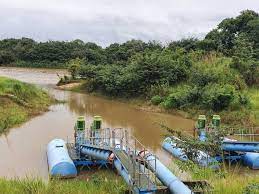
Water pollution can make freshwater unsuitable for drinking, recreation, agriculture, industry, and household use. Contamination may also increase treatment costs because utilities must remove chemicals, pathogens, suspended solids, nutrients, or unpleasant substances.
Aquatic ecosystems respond to pollution through changes in oxygen levels, habitat quality, food webs, reproduction, and species abundance. Persistent pollutants can accumulate in organisms and move through aquatic food chains, creating wider ecological concerns.
Polluted water also affects economic activities that depend on healthy aquatic environments, including fishing, farming, tourism, recreation, and water supply. Communities can face income losses, higher treatment costs, reduced productivity, and damaged infrastructure.
Untreated household discharges can introduce microorganisms and organic pollutants into nearby waterways. Effective wastewater source management reduces contamination risks while supporting healthier settlements and more reliable downstream water supplies.
Pollution can create costs beyond immediate cleanup because damaged fisheries, degraded habitats, and unsafe recreational waters may reduce local earnings and public welfare. These economic losses from pollution strengthen the case for prevention.
Water Quality and Wastewater Management
1. Water Quality Assessment: Regular sampling helps identify physical, chemical, and biological changes in water. Monitoring should examine indicators such as nutrients, organic matter, pathogens, suspended solids, metals, temperature, and dissolved oxygen.
2. Wastewater Treatment: Treatment removes or reduces contaminants before wastewater reaches rivers, lakes, soils, or coastal waters. The appropriate process depends on wastewater characteristics, environmental requirements, treatment objectives, and the intended reuse or final discharge.
3. Industrial Source Control: Industries can reduce pollution by improving production processes, minimizing wastewater generation, recovering useful materials, and treating effluents before discharge. Continuous monitoring strengthens compliance and identifies problems before serious contamination occurs.
4. Safe Onsite Systems: Where centralized sewer networks remain unavailable, properly designed onsite treatment and disposal systems can protect nearby water resources. Site assessment should consider soil, groundwater, wastewater volumes, distance from water bodies, and local conditions.
Reliable water quality management prioritizes pollution prevention, suitable monitoring, and appropriate treatment. These actions help protect human health and reduce the burden placed on rivers, groundwater, wetlands, and other water resources.
Wastewater systems should match the nature and concentration of contaminants they receive. Detailed wastewater characteristics and flow information supports sound treatment design, operation, monitoring, and pollution-load reduction.
Treatment can involve preliminary screening, primary settling, biological processes, advanced treatment, and disinfection. Appropriate wastewater treatment options depend on influent conditions, discharge limits, available technology, operating capacity, and intended water reuse.
Water Pollution Prevention and Control
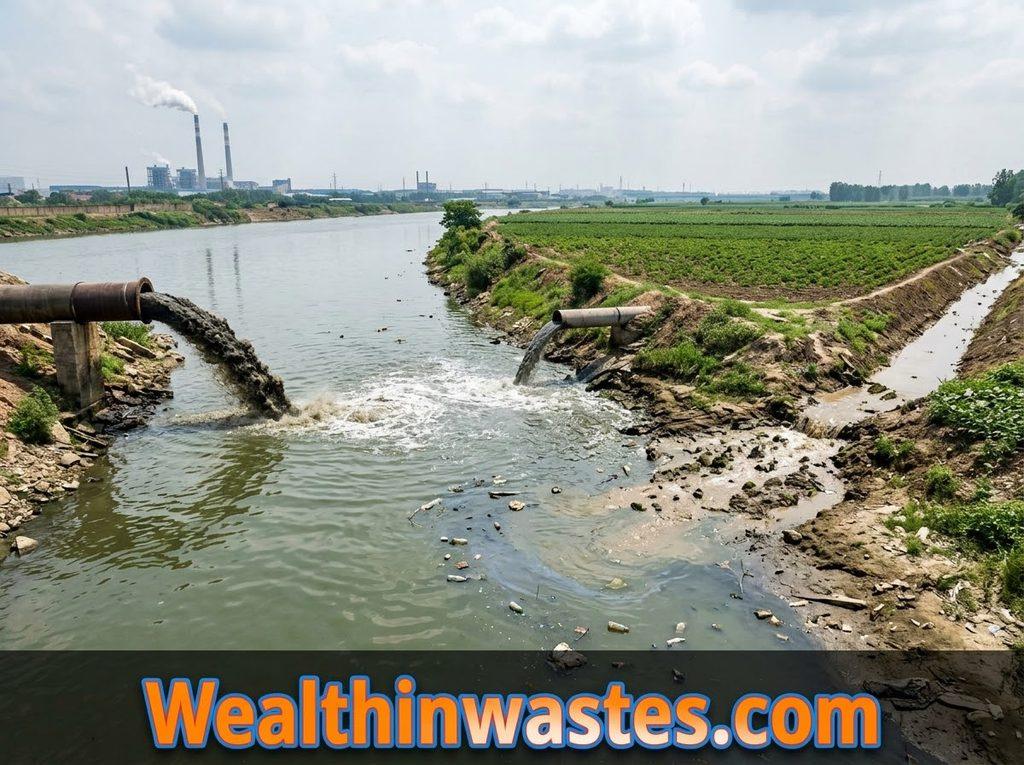
1. Prevent Pollution at Source: The most effective approach often reduces contaminants before they enter wastewater or runoff. Cleaner production, careful chemical handling, responsible fertilizer use, and proper waste storage can lower treatment needs and environmental risks.
2. Improve Wastewater Management: Communities should collect wastewater safely, maintain treatment facilities, and monitor effluent quality. Appropriate treatment prevents pathogens, nutrients, organic matter, and toxic compounds from accumulating in receiving waters.
3. Protect Watersheds: Vegetation, wetlands, riparian zones, and healthy soils can slow runoff, trap sediments, support infiltration, and protect waterways. Integrated watershed management connects land practices with downstream water-quality protection.
4. Enforce Water Protection Measures: Effective pollution control requires clear standards, inspections, reliable monitoring, enforcement, public participation, and accountable institutions. Strong governance helps ensure that pollution prevention remains consistent instead of depending on occasional interventions.
Communities can strengthen control through source reduction, proper waste collection, environmental monitoring, and responsible discharge practices. Practical water pollution reduction strategies make prevention more effective and reduce future restoration costs.
Local authorities also need clear responsibilities and adequate technical capacity. Strong pollution control institutions can coordinate inspections, standards, data collection, enforcement, education, and emergency responses when contamination occurs.
Domestic wastewater deserves particular attention in areas without central sewerage. Properly managed onsite wastewater treatment systems can reduce contamination risks when engineers and communities apply suitable designs, maintenance procedures, and site assessments.
Water Scarcity, Competition and Conflict
Water scarcity develops when available supplies cannot adequately satisfy competing demands. Physical shortages may reflect limited rainfall or recharge, while practical shortages can also result from poor infrastructure, unequal access, contamination, or weak management.
Competition becomes stronger when farmers, pastoralists, households, industries, and energy producers depend on the same water sources. Seasonal shortages can intensify tensions, especially where population growth, migration, land-use change, and climate variability occur together.
Better allocation requires transparent rules, reliable data, stakeholder participation, and cooperation across administrative boundaries. Shared planning can reduce disputes by recognizing environmental requirements alongside domestic, agricultural, industrial, and livestock water needs.
Where scarcity becomes persistent, communities must combine demand management with resource protection. A broader water resource protection approach can improve reliability while reducing pressure on vulnerable sources.
Watershed-level planning also matters because pollution and abstraction can affect communities far from the original source. Effective watershed pollution management helps coordinate upstream activities with downstream water-quality and supply needs.
Water scarcity can worsen when waste disposal damages available supplies, forcing users to rely on fewer clean sources. Better waste disposal practices therefore support both water security and environmental protection.
Read Also: Waste Management Terms and their Meanings
Sustainable Water Resource Protection
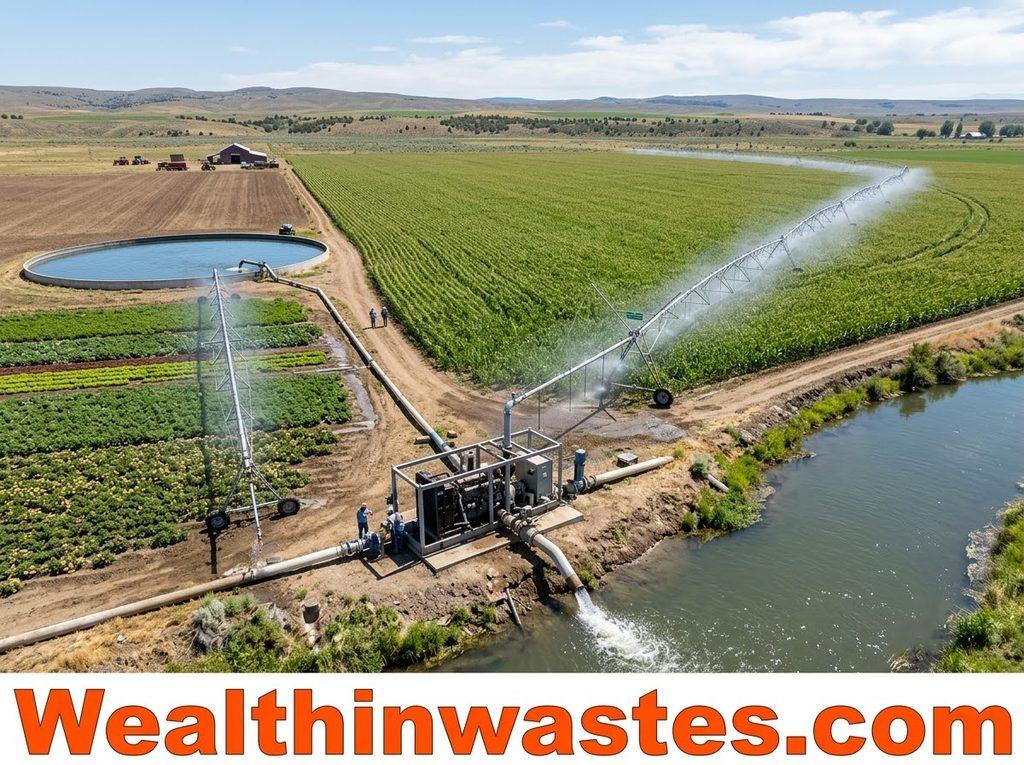
Protecting water resources requires balancing present withdrawals with future needs. Authorities and communities can strengthen resilience through conservation, efficient irrigation, leakage reduction, rainwater management, groundwater protection, pollution prevention, and responsible wastewater reuse.
Long-term protection also depends on maintaining forests, wetlands, soils, and river corridors that support infiltration and natural water regulation. Healthy catchments can reduce erosion, improve recharge, moderate runoff, and provide important habitat.
Water conservation becomes more effective when households, farms, industries, and governments reduce waste together. Practical water conservation measures can preserve available supplies and improve resilience during dry periods.
Where industrial activities generate contaminated water, treatment should occur before discharge or planned reuse. Modern industrial wastewater treatment processes can reduce pollutants and support safer environmental management.
Industries with difficult or toxic effluents may require specialized treatment systems because biological processes cannot remove every contaminant effectively. Detailed industrial wastewater treatment procedures help match processes with specific pollutants and operating conditions.
Ultimately, sustainable water management treats quantity and quality as connected challenges. Reducing excessive abstraction while preventing pollution can protect public health, ecosystems, agriculture, and economic activity for present and future generations.
Summary on Causes, Effects, and Control of Water Pollution
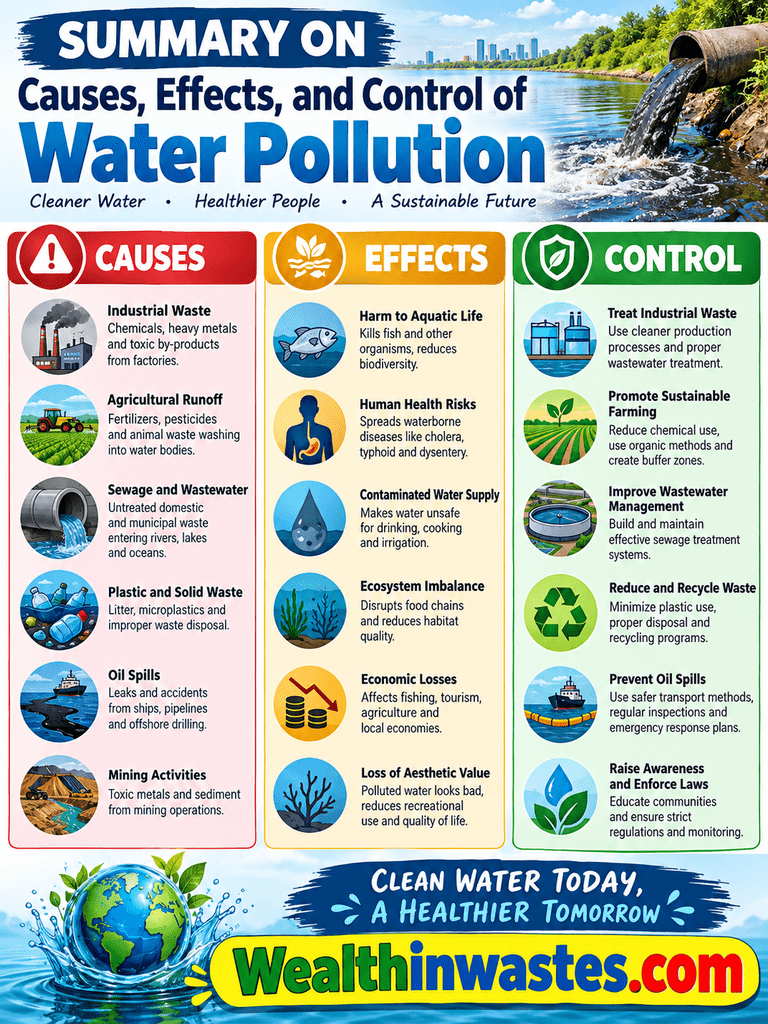
| Topic | Key Points |
|---|---|
| Water Abstraction | Water abstraction supports domestic, agricultural, industrial, energy, livestock, and public needs, but excessive withdrawals can lower supplies and damage aquatic ecosystems. |
| Agricultural Demand | Agriculture uses substantial freshwater, making efficient irrigation, soil moisture management, and careful scheduling important for reducing unnecessary abstraction. |
| Population Growth | Population growth increases household, food, industrial, sanitation, and urban water requirements while placing additional pressure on infrastructure. |
| Pollution Sources | Agricultural runoff, domestic wastewater, industrial effluents, solid waste, landfills, and urban runoff can introduce pollutants into water resources. |
| Health and Ecosystems | Pollution can threaten drinking water, aquatic organisms, fisheries, agriculture, recreation, biodiversity, and community economies. |
| Water Quality | Regular monitoring and suitable wastewater treatment help identify contaminants and prevent harmful discharges into receiving environments. |
| Pollution Control | Source reduction, wastewater management, watershed protection, enforcement, monitoring, and institutional coordination support effective pollution control. |
| Water Scarcity | Competition grows when water availability cannot satisfy domestic, agricultural, industrial, livestock, and environmental requirements. |
| Sustainable Protection | Long-term security depends on conservation, efficient abstraction, ecosystem protection, responsible wastewater reuse, and prevention of pollution. |
Frequently Asked Questions About Pollution of Water Resources: Causes, Effects and Control
1. What is pollution of water resources?
Pollution of water resources occurs when harmful substances enter rivers, lakes, groundwater, wetlands, or oceans and reduce their suitability for people, ecosystems, agriculture, industry, or other uses.
2. What is water abstraction?
Water abstraction is the removal of water from surface or underground sources for domestic, agricultural, industrial, livestock, energy, or public purposes.
3. What is the largest use of freshwater?
Agriculture is generally the largest freshwater user, particularly because irrigation supplies crops where natural rainfall cannot provide enough water for reliable production.
4. What are common sources of water pollution?
Common sources include agricultural runoff, domestic sewage, industrial wastewater, urban runoff, poorly managed solid waste, landfill leakage, chemicals, oils, and other contaminants.
5. How does water pollution affect human health?
Contaminated water can expose people to pathogens, toxic chemicals, and other harmful substances, increasing risks associated with unsafe drinking water, sanitation failures, and contaminated food sources.
6. How can water pollution be controlled?
Control measures include preventing pollution at its source, treating wastewater, improving waste disposal, protecting watersheds, monitoring water quality, enforcing standards, and strengthening environmental institutions.
7. Why is water conservation important?
Water conservation reduces waste, protects freshwater reserves, lowers pressure on rivers and aquifers, supports ecosystems, and improves the reliability of water supplies during periods of scarcity.
8. How does population growth affect water resources?
Population growth increases demand for drinking water, sanitation, food, industry, energy, and housing while also increasing wastewater generation and pressure on existing supply systems.
9. Why should abstraction and pollution be considered together?
Excessive abstraction reduces available water while pollution reduces its usable quality. Managing both problems together provides stronger protection for ecosystems, public health, agriculture, and long-term water security.
Do you have any questions, suggestions, or contributions? If so, please feel free to use the comment box below to share your thoughts. We also encourage you to kindly share this information with others who might benefit from it. Since we can’t reach everyone at once, we truly appreciate your help in spreading the word. Thank you very much for your support and for sharing!
Read Also: Soil and Water Conservation in Agriculture